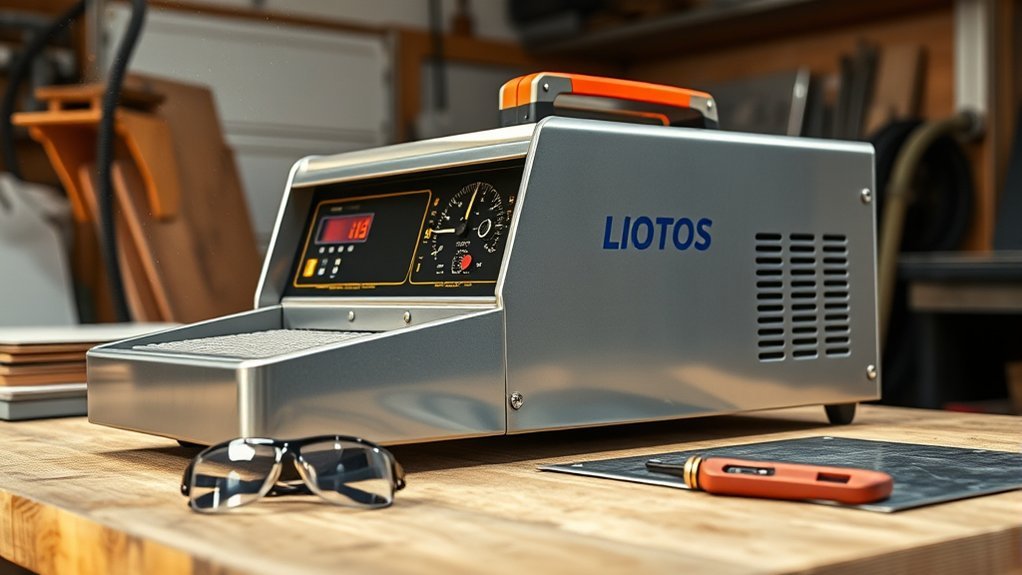
Rusted, painted, or uneven metal can make plasma cutting slow and messy. A pilot arc plasma cutter helps solve that problem by starting the arc before the torch touches the workpiece. This guide explains how pilot arc technology works, where it helps most, and when a simpler non-pilot arc cutter may still make sense.
Quick Answer
A pilot arc plasma cutter starts a small arc inside the torch before the main cutting arc transfers to the metal. That lets you cut rusty, painted, expanded, or uneven metal with less surface prep. Choose pilot arc technology when you need cleaner starts, better piercing, and steadier cuts on imperfect material.
Key Takeaways
- Pilot arc plasma cutters start cutting without direct contact with the workpiece.
- They work well on rusted, painted, dirty, or uneven metal surfaces.
- They often reduce torch wear because the start does not rely on scraping the tip.
- Non-pilot arc cutters cost less and suit clean, simple cutting jobs.
- Your best choice depends on material condition, cut quality needs, and budget.
What’s in This Article
- Understanding Pilot Arc Technology
- Key Features of Pilot Arc Plasma Cutters
- Comparing Pilot Arc and Non-Pilot Arc Cutters
- Advantages of Using Pilot Arc Technology
- Ideal Applications for Pilot Arc Plasma Cutters
- Cost Considerations for Pilot Arc Machines
- Choosing the Right Plasma Cutter for Your Needs
- Safety Tips for Pilot Arc Plasma Cutting
- Frequently Asked Questions
- Conclusion
Understanding Pilot Arc Technology
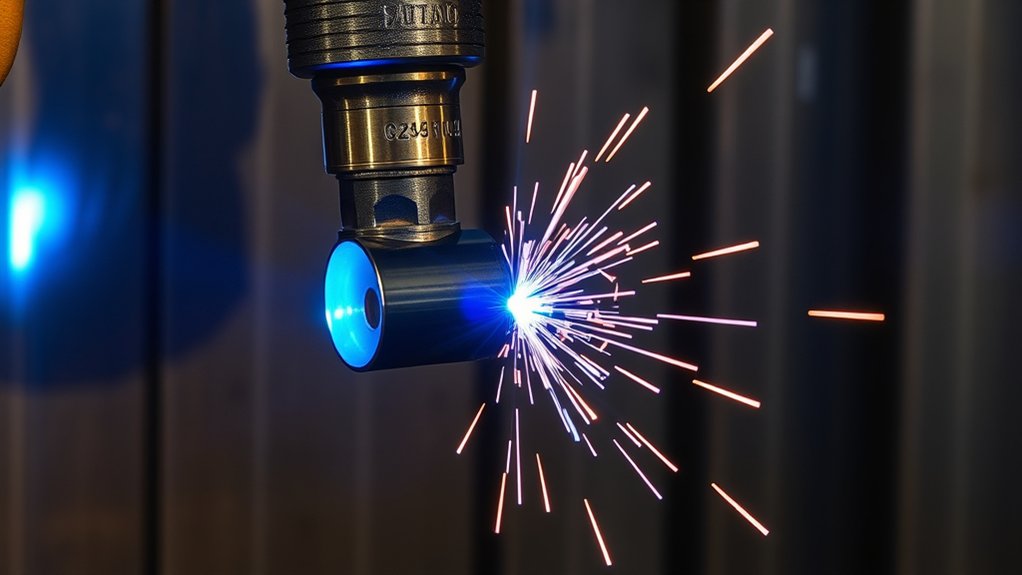
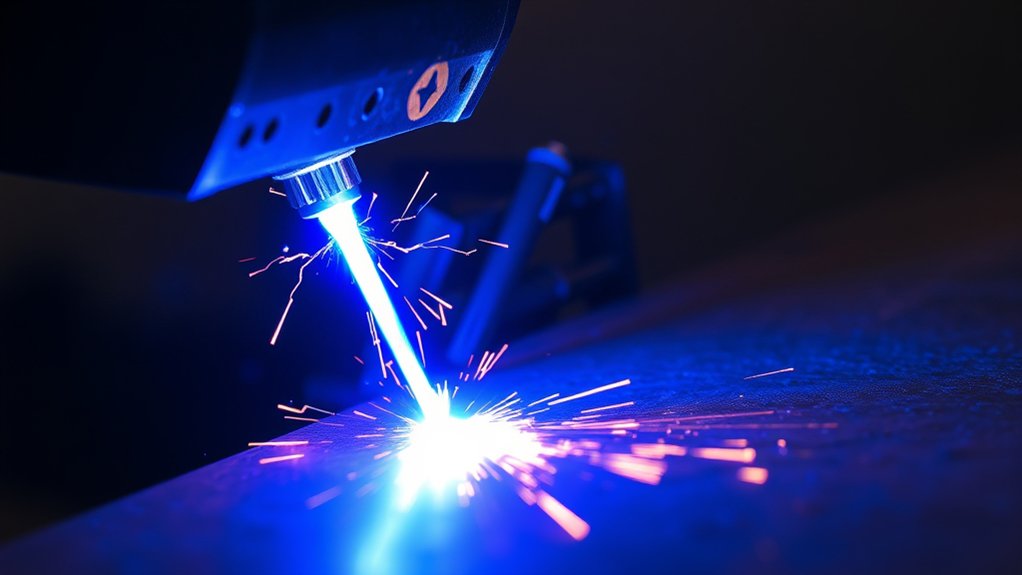
Pilot arc technology starts a low-energy electrical arc between the electrode and nozzle before the torch transfers the main arc to the workpiece. This start method helps you begin a cut without scratching the tip against the metal.
That non-contact start gives you more control on surfaces with rust, paint, mill scale, or light dirt. You can also pierce many metals directly when your machine has enough amperage for the material thickness.
A stable pilot arc helps the torch start more cleanly and can reduce dross when you use the right air pressure, travel speed, and consumables. The result often looks cleaner than a cut made with a contact-start machine on the same rough surface.
Note: A pilot arc helps with difficult starts, but it does not replace the right amperage, clean dry air, or proper torch technique.
Key Features of Pilot Arc Plasma Cutters
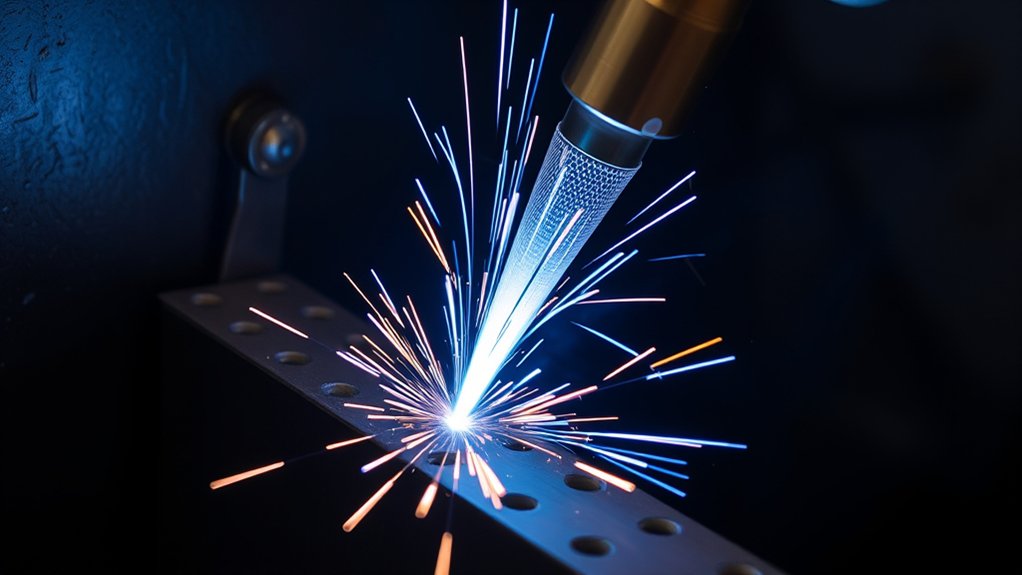
Pilot arc plasma cutters stand out because they hold a starting arc even when the metal surface has flaws. That makes them useful for repair work, fabrication, and field jobs where you cannot fully clean every piece first.
You also gain better starts on expanded metal, mesh, and irregular edges. The arc can restart as the torch crosses gaps, which helps you keep the cut moving.
Products Worth Considering

【Non-Touch Pilot Arc Function】The ARCCAPTAIN 55A plasma cutter features a pilot arc function. It utilizes a high-frequency non-touch arc starting mode. The torch head does not need to touch the metal plate, reducing energy consumption during non-cutting work, minimizing electrode burning, and extending service life. NOTE: Do not switch voltages until the screen turns off and the fan stops.

【Non-Touch Pilot Arc Function】The plasma cutter features a high frequency non-touch arc starting mode. It allows for cutting steel surfaces with dirt, rust or coatings. The torch head does not need to touch the metal plate, reducing energy consumption, minimizing electrode burning, and extending service life. NOTE: DO NOT power on until the screen turns off and the fan stops working!
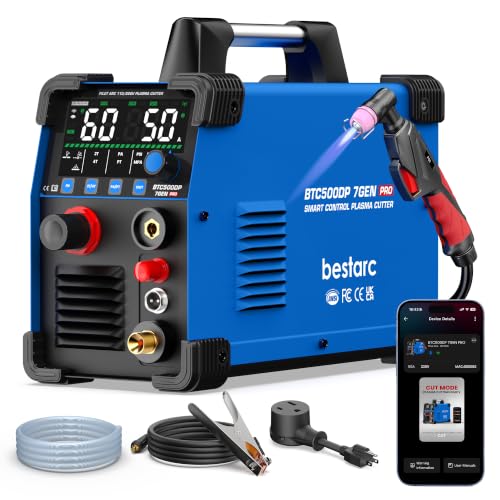
[Smart APP Remote Control Up to 98FT] Control your plasma cutter from up to 98 ft (30 m) away via Bluetooth APP. Adjust cutting current, switch cutting modes, save preferred settings, monitor operating status, and check error codes directly from your phone. Reduce trips back to the machine and work more efficiently—ideal for workshops, auto repair, farms, garages, and DIY projects.
Arc Stability on Imperfect Surfaces
Paint, rust, and scale can make contact-start cutters struggle. A pilot arc plasma cutter keeps the start more stable because the torch does not need clean metal contact to begin the cut.
This feature helps you improve arc control and cut quality when you face rough material. You still get the best results when you clean heavy rust, thick paint, grease, and moisture before cutting.
Key benefits include:
- Non-contact starting: The pilot arc starts without touching the workpiece, which helps reduce tip damage.
- Better piercing: You can pierce many metals without pre-drilled holes when the cutter has enough power.
- Cleaner edges: A steadier start can help reduce slag and dross on flawed surfaces.
Versatility in Cutting Conditions
Pilot arc cutters handle a wide range of shop and field conditions. You can use them on clean sheet metal, rusty plate, painted panels, expanded metal, and irregular scrap.
This flexibility improves cutting efficiency because you spend less time preparing every surface. It also helps when you need quick cuts during repair work or demolition.
For best results, match the cutter to your material thickness and duty cycle. A small pilot arc machine may start well, but it still needs enough output power for the metal you cut.
Comparing Pilot Arc and Non-Pilot Arc Cutters
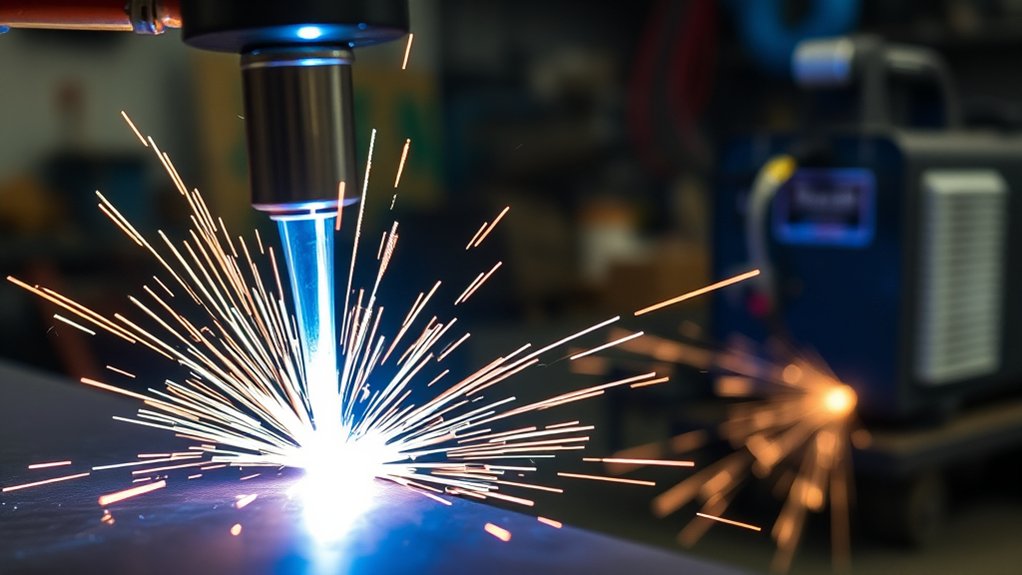
Pilot arc and non-pilot arc plasma cutters both cut metal, but they start the arc in different ways. That difference affects cut starts, surface prep, portability, and cost.
A pilot arc cutter starts its arc inside the torch before the main arc reaches the workpiece. This helps you cut through rusted or painted metals with less prep and fewer failed starts.
A non-pilot arc cutter needs direct contact with clean metal to start the arc. These models often cost less and weigh less, but they perform best on clean, smooth material.
| Feature | Pilot Arc Cutter | Non-Pilot Arc Cutter |
|---|---|---|
| Starting method | Starts without direct metal contact | Needs contact with clean metal |
| Surface condition | Works better on rust, paint, and scale | Works best on clean surfaces |
| Cut quality | Often cleaner on imperfect metal | Good on clean, simple cuts |
| Cost | Usually higher | Usually lower |
| Best use | Repair, fabrication, field work, expanded metal | DIY jobs, clean sheet metal, light shop work |
Consider these factors before you buy:
- Cutting conditions: Choose pilot arc for uneven, rusty, or painted surfaces.
- Budget: Choose non-pilot arc when you mostly cut clean metal and need a lower price.
- Cut quality: Choose pilot arc when you want cleaner starts and less rework.
Products Worth Considering

[Powerful Cutting Ability] Dual voltage 110/220V good for home, workshop and hardware shop use. Professional performance 1/2" clean cuts on Iron, Steel aluminum and copper with Inverter IGBT Technology. Very powerful for DIY and heavy duty project. The Maximum cutting thickness is recommended to 1/2" @35A 110V 50PSI; 2/3" @50A 220V 65PSI. Dry and compressed air is required. Power breaker up to 60A@110V 35A; Up to 50A@220V 50A.

CUTTING THICKNESS UP TO 20MM: Featuring a brand-new MCU technology upgrade, the plasma cutter machine has a high degree of internal integration, combining full digitalization for more precise control of cutting parameters such as current and voltage. This results in better cutting effects and improved stability. Cutting thickness: Quality 12mm (1/2"), maximum 20mm (3/4").

Powerful Cutting: This VEVOR plasma cutter delivers a maximum output current of 65A for powerful cutting. It supports clean cuts up to 1/2" (12mm) at 110V and 9/16" (14mm) at 220V, with a maximum cutting thickness of 5/8" (16mm) at 110V and 3/4" (20mm) at 220V
Advantages of Using Pilot Arc Technology
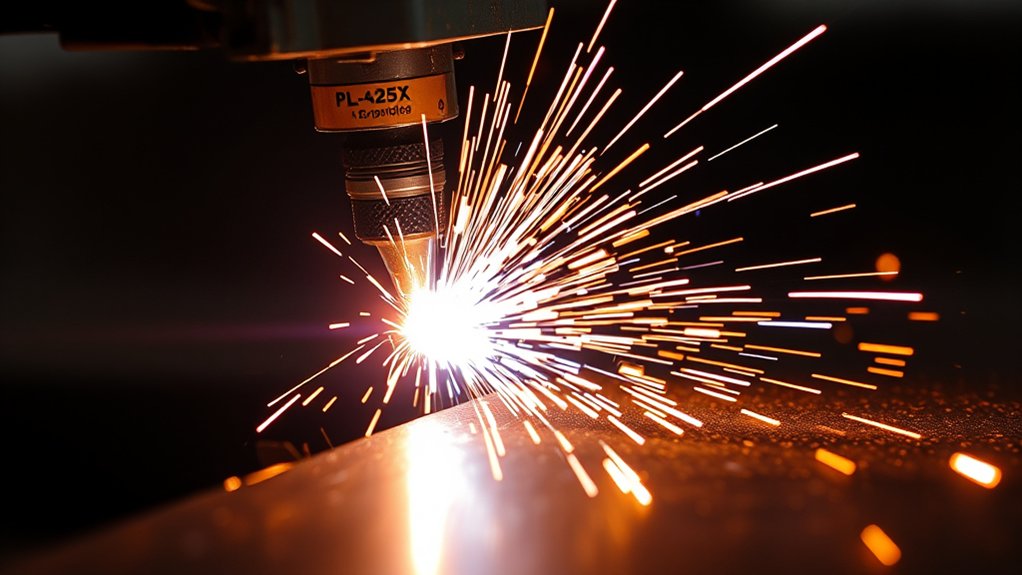
Pilot arc technology gives you a real advantage when surface prep slows the job. You can start cuts on painted, rusty, or uneven surfaces without scraping the torch tip across the metal.
The arc starts with better control, which can help you produce cleaner edges and less dross. You also reduce contact at the start, which may extend the life of consumables.
| Benefit | Description | Impact |
|---|---|---|
| Surface Preparation | Cuts through paint, rust, or uneven surfaces | Saves time and effort |
| Arc Stability and Control | Supports cleaner starts and reduced dross | Improves cutting efficiency |
| Consumable Longevity | Reduces direct contact with the workpiece | Can lower operating costs |
In automotive repair and metal fabrication, this versatility helps you handle varied material types and thicknesses. It also gives you more control when you cut detailed shapes.
Ideal Applications for Pilot Arc Plasma Cutters
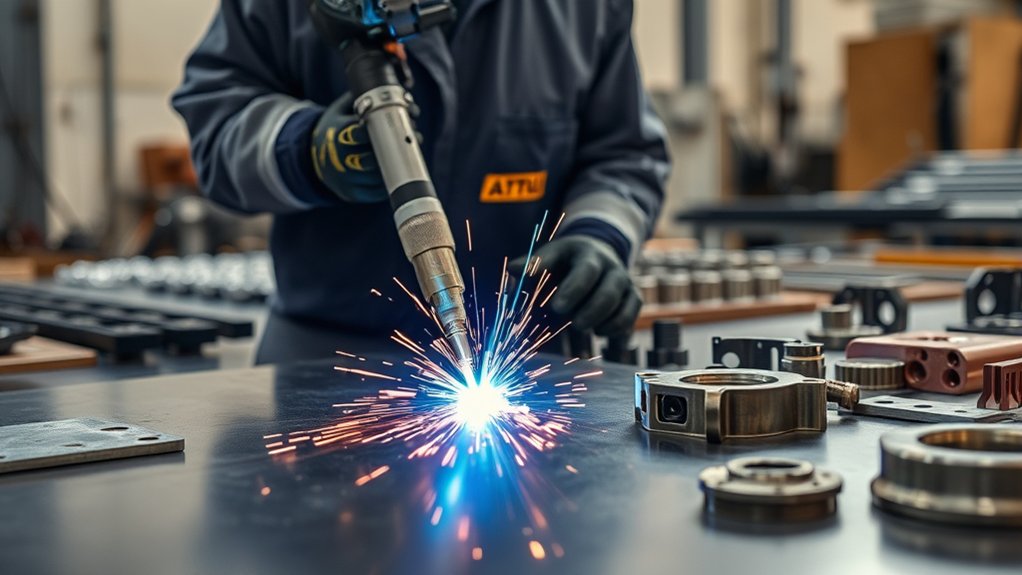
Pilot arc technology works best when your material has coatings, corrosion, gaps, or uneven edges. It helps you start the cut with less prep and maintain better control in rough conditions.
You should consider a pilot arc plasma cutter for these jobs:
- Metal fabrication: Use it for detailed cuts, templates, brackets, and parts that need clean starts.
- Automotive repair: Cut painted panels, rusty brackets, and uneven repair sections with more control.
- Expanded metal and mesh: Keep the arc active as the torch crosses gaps in the material.
- Field repair: Cut worn, dirty, or weathered metal when full surface prep takes too long.
Pilot arc cutters also help when you need to pierce metal instead of starting at an edge. Always check your machine’s rated pierce capacity before you cut thick plate.
Pro tip: Start with a small test cut so you can tune air pressure, amperage, and travel speed before cutting the final piece.
Cost Considerations for Pilot Arc Machines
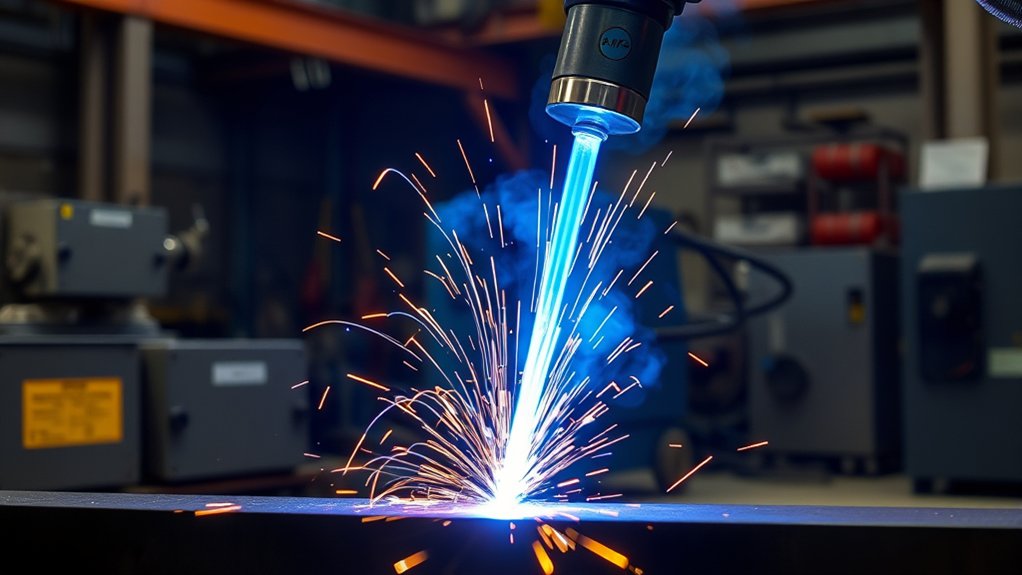
A pilot arc plasma cutter usually costs more than a basic contact-start model. The extra cost comes from the added start circuit and features that support non-contact arc initiation.
You may recover that higher upfront cost through faster starts, less surface prep, and longer consumable life. The value grows if you often cut rusty, painted, or irregular metal.
| Feature | Non-Pilot Arc Model | Pilot Arc Model |
|---|---|---|
| Initial Cost | Lower | Higher |
| Consumable Lifespan | Often shorter | Often longer |
| Performance on Rust and Paint | Lower | Higher |
| Long-Term Savings | Lower for rough material | Higher for frequent rough cuts |
For occasional clean cuts, a non-pilot arc cutter may offer better value. For fabrication shops, repair work, and dirty material, pilot arc technology can improve productivity and reduce rework.
Choosing the Right Plasma Cutter for Your Needs
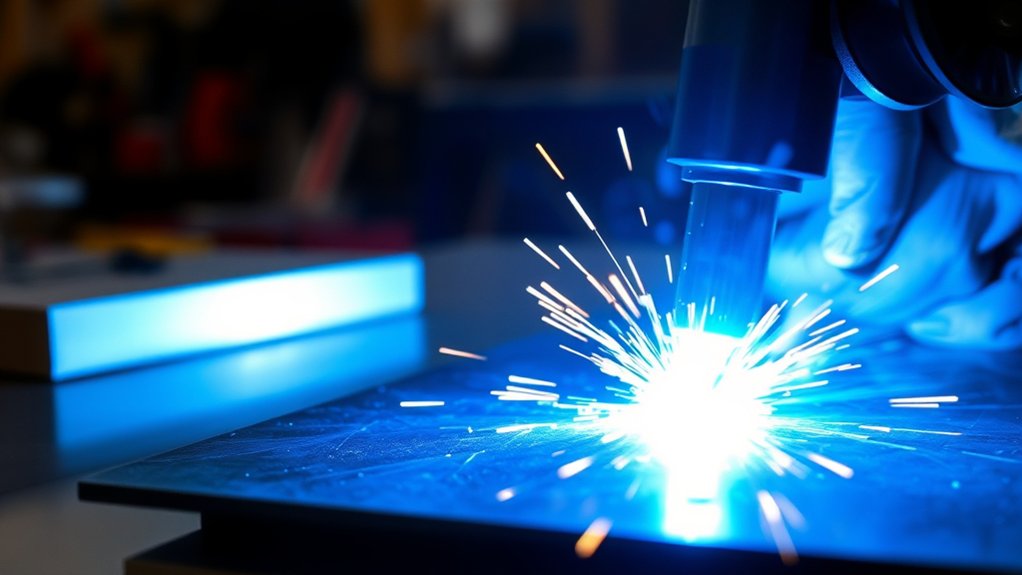
Pick a plasma cutter based on the metal you cut most often. Surface condition, thickness, duty cycle, air supply, and portability matter more than one feature alone.
A pilot arc model suits you if you cut rough, coated, or expanded metal. A non-pilot arc model suits you if you mostly cut clean metal and want a lighter, lower-cost setup.
Pilot vs. Non-Pilot Differences
Pilot arc cutters give you the strongest benefit on challenging surfaces like rust or paint. They start without direct contact, which helps reduce failed starts and tip damage.
Non-pilot cutters need clean contact to start the arc. That makes them simpler and more affordable, but less useful on dirty or coated metal.
Use this quick guide:
- Choose pilot arc for rough surfaces: It starts better on rust, paint, and scale.
- Choose pilot arc for complex cuts: It helps when you pierce, restart, or cross gaps.
- Choose non-pilot arc for budget jobs: It works well on clean metal and simple cuts.
Cost and Portability Factors
Cost matters, especially if you only cut metal once in a while. Non-pilot arc cutters often cost less, weigh less, and suit small do-it-yourself projects.
Pilot arc cutters can justify the higher price when you cut rough material often. They may save time by reducing prep, restarts, and cleanup.
Before you buy, compare amperage, rated cut thickness, pierce capacity, duty cycle, torch parts, and air requirements. Those specs affect daily use as much as the arc-start type.
Safety Tips for Pilot Arc Plasma Cutting
Plasma cutting creates heat, sparks, bright light, fumes, and electrical risk. You need the right safety setup before you pull the trigger.
Wear eye protection, gloves, flame-resistant clothing, and hearing protection. Keep flammable items away from the cutting area, and make sure your workspace has good ventilation.
Check the torch, ground clamp, air hose, and power cable before each job. Replace damaged consumables and worn cables before they cause poor cuts or safety issues.
Warning: Do not cut containers, coated metals, or unknown materials unless you know they will not release toxic fumes or explode.
Frequently Asked Questions
How does pilot arc affect the lifespan of consumables?
A pilot arc can help consumables last longer because the torch does not need to scrape the metal to start. You still need correct air pressure, clean dry air, and the right nozzle and electrode for the job.
Can pilot arc plasma cutters be used underwater?
Some plasma systems can cut underwater, but only if the equipment supports that use. Do not place a standard plasma cutter, torch, or power source in water unless the manufacturer rates it for underwater cutting.
What maintenance does a pilot arc system require?
Inspect and replace the nozzle, electrode, swirl ring, and shield as they wear. Keep the torch clean, check cable connections, and make sure your air supply stays dry and unrestricted.
What safety precautions should you take with pilot arc technology?
Wear proper protective gear, including eye protection, gloves, and flame-resistant clothing. Keep the work area dry, ventilated, and clear of flammable material before you start cutting.
How does pilot arc influence cutting speed and quality?
Pilot arc technology can improve start quality and reduce delays on rough surfaces. Cutting speed and edge quality still depend on amperage, material thickness, air pressure, and your travel speed.
Conclusion
A pilot arc plasma cutter gives you the most value when you cut rusted, painted, expanded, or uneven metal. It helps you start cuts with more control and spend less time fighting poor arc starts.
Choose pilot arc technology if your work demands clean starts, reliable piercing, and better performance on imperfect surfaces. Choose a simpler non-pilot model if you cut clean metal and want to keep costs low.
Match the cutter to your real workload, then practice on scrap before you cut finished parts. With the right setup, you can make faster, cleaner cuts and get more from every set of consumables.