The right welding rod depends on the metal: E7018 and E6013 for steel, ER308L for stainless, and ER4043 or ER5356 for aluminum. This guide covers ten welding rods for different metals on Amazon so you can match rod chemistry to the job.
Stick electrodes (E7018, E6013, J422) are flux-coated and run on a stick welder. ER308L, ER4043 and ER5356 are bare TIG filler rods. Pack details come from the Amazon listings and can change, so confirm them on the listing before you order.
Top Picks
|
Category |
Product |
|---|---|
|
Best Low-Hydrogen |
|
|
Best For Thin Stainless |
|
|
Best For Marine Aluminum |
|
|
Best Value Pack |
|
|
Best For Beginners |
|
|
Best For Hobbyists |
|
|
Best For Inverters |
|
|
Best For Stainless Repairs |
|
|
Budget J422 Stick Rod |
|
|
Best Budget Low-Hydrogen |
What to Check Before You Buy Welding Rods for Different Metals
These picks are based on listing details and the typical use of each rod class, not bench testing. Check these points on each listing:
- Metal match: steel needs E7018 or E6013, 300-series stainless needs ER308L, aluminum needs ER4043 or ER5356.
- Process: stick electrodes need a stick welder; TIG filler rods need a TIG setup with argon.
- Current: check whether the stick rod is rated for AC, DC or both so it runs on your machine.
- Size and pack: pick a diameter that suits the metal thickness and a pack size that matches how often you weld.

You get a true low-hydrogen E7018 stick electrode designed for structural repairs and general fabrication. The 5/32″ diameter and 4.5 lb pack make it practical for medium-thickness steel, and the coating helps deliver a steady arc and manageable slag. Use it for trailer repairs, gate and fence fixes, frame work, or any job where you want a tougher, less-hydrogen-sensitive weld. If you need a dependable E7018 that runs well on common stick welders, this one is an easy choice.
Versatility
You can rely on these rods for everyday shop repairs, farm and trailer maintenance, and light structural welding. They work well in flat and vertical positions and are a practical choice when you need a rugged, low-hydrogen electrode.
Key Benefits
- Low-hydrogen deposit for stronger, crack-resistant welds
- Stable arc and good penetration on mild and carbon steel
- Handy 4.5 lb pack and a common 5/32″ size for structural work

You get a tidy pack of ER308L TIG rods that are built for clean, controlled stainless work. The 1/16″ diameter gives you good control on thin material and the 16″ length is convenient for bench projects and tubing.
These rods are solid for grill frames, brackets, small repairs, and any time appearance and corrosion resistance matter. If you do occasional stainless TIG and want a no-fuss filler that feeds smoothly, this is a practical option.
Versatility
These rods are well suited to light fabrication, small stainless repairs, brackets, and tubing work at the bench. They’re aimed at hobbyists and occasional TIG users rather than high-volume production shops.
Key Benefits
- Clean, low-carbon ER308L chemistry for corrosion resistance
- Smooth feed and stable arc for tidy beads on 304 stainless
- Convenient 1/16″ size and 16″ length for benchwork

You get a heavy-duty aluminum TIG filler that balances strength and ductility, thanks to its magnesium content. It runs with a stable arc and low spatter, which makes tidy beads easier whether you’re fixing a bike frame or fabricating boat fittings. Use it for 6061 repairs, marine hardware, automotive parts, and general aluminum fabrication where corrosion resistance matters.
If you want a dependable aluminum rod that behaves consistently under TIG with argon, this one fits the bill.
Versatility
This rod is useful for everyday aluminum work like auto panels, bike frames, and brackets, and it’s robust enough for marine and pressure-vessel style projects where saltwater resistance and ductility matter.
Key Benefits
- Stable arc with minimal spatter for cleaner welds
- Good corrosion resistance, suitable for marine use
- Works well on a range of aluminum-magnesium alloys
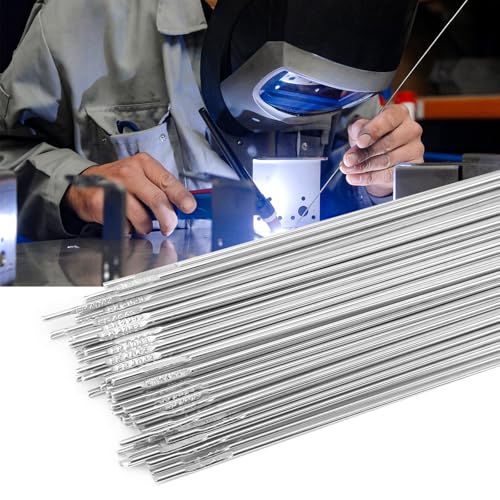
You get a generous pack of 1/16″ ER4043 rods that make aluminum TIG work less fussy. They feed nicely for thin-gauge sheet and small fabrication tasks, and the low-spatter behavior helps keep cleanup simple. Use them for custom tanks, brackets, bike frames, and most hobby or light-shop aluminum repairs.
If you’re doing occasional TIG on 6061 or similar alloys, these rods are a convenient, ready-to-use option.
Versatility
Best for hobbyists and light-shop work like tanks, panels, and tubing repairs; not aimed at high-volume industrial welding but great for routine aluminum tasks.
Key Benefits
- Consistent feed and good arc control for thin aluminum
- Low spatter for easier post-weld cleanup
- Large 60-piece count keeps you stocked for multiple projects

The 3/32″ diameter and 14″ length work well on mild steel and thinner pieces, and the electrodes strike easily so you spend less time fussing and more time welding. They run smoothly on both AC and DC machines, produce modest spatter for easier cleanup, and are sturdy enough for trailer repairs, garden gates, and small fabrications. If you want a dependable general-purpose stick rod that behaves predictably across common tasks, this is a solid pick.
Versatility
Great for hobbyists and DIY fixes like mower decks, gates, and light fabrication; suitable for both learning and routine maintenance.
Key Benefits
- Easy arc start that helps reduce frustration for less experienced welders
- Low spatter for quicker post-weld cleanup
- AC/DC compatibility so it works with many common welders
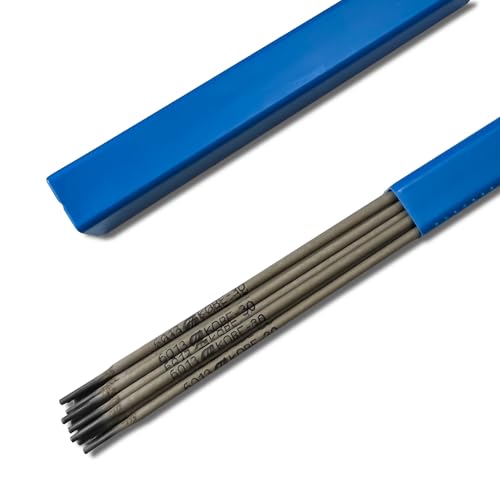
The 3/32″ size is a nice middle ground for mild steel work, and the rods are made to strike reliably and leave manageable spatter so cleanup is quicker.
They behave well on AC and DC machines and suit tasks from gate and trailer fixes to light structural tack-ups and hobby builds. If you want a straightforward, dependable stick rod that helps you get consistent beads, this one fits that need.
Versatility
Good for DIY repairs, farm and trailer maintenance, and light fabrication; works well for both beginners and more experienced hobbyists.
Key Benefits
- Consistent arc start for less fuss when you strike
- Low spatter that reduces post-weld cleanup
- All-position performance suitable for common shop tasks
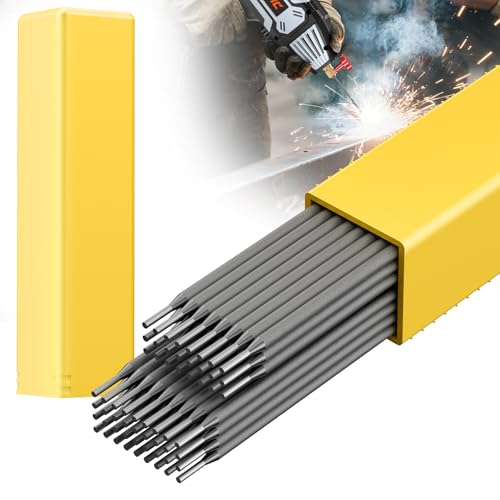
The 3/32″ size handles thin-to-medium mild steel well, the arc is forgiving on inverter and transformer welders, and slag peels off without much fuss.
They’re practical for shop repairs and hobby fabrication where consistent behavior and minimal cleanup matter, so if you want a reliable all-purpose stick rod, these are worth a look.
Versatility
Great for DIY repairs, farm and trailer maintenance, railing fixes, and general shop projects where you need dependable, everyday electrodes.
Key Benefits
- Smooth, easy-to-start arc that helps you get welding faster
- Low spatter for quicker post-weld cleanup
- All-position performance suitable for common repair and fabrication tasks
The 3/32″ diameter and 16″ length give enough filler for medium-thickness joints while keeping arc control manageable.
They weld cleanly with good puddle control, so they’re handy for grill frames, brackets, and other weather-exposed work where corrosion resistance matters. For hobbyists and light-shop use, they feel like a straightforward, dependable choice.
Versatility
Good for hobby and light professional stainless work like frames, brackets, and small outdoor fixtures. Not targeted at high-volume industrial production but well suited for repair and bench projects.
Key Benefits
- Low-carbon ER308L chemistry for long-term corrosion resistance
- Stable arc and smooth puddle for cleaner stainless beads
- Uniform, straight rods that feed well in TIG setups

You’ll reach for these rods when you want a dependable, no-nonsense electrode that behaves the same pass after pass. The 3/32″ size is versatile for light-to-medium steel repairs and structural tasks, and the J422 chemistry gives a steady arc with easy slag removal.
They run well in handheld inverter machines and older buzz boxes alike, so whether you’re fixing farm gear, patching frames, or doing shop fabrication, these rods get the job done without drama. If you want a rugged, everyday stick rod that’s forgiving for beginners and reliable for experienced hands, this one fits that role.
Versatility
Good for farm and trailer repairs, railings, small structural work, and general shop projects where you need an all-purpose stick electrode.
Key Benefits
- Forgiving arc that’s easy to strike and maintain
- Consistent bead shape and straightforward slag removal
- Works across a wide range of welders and skill levels
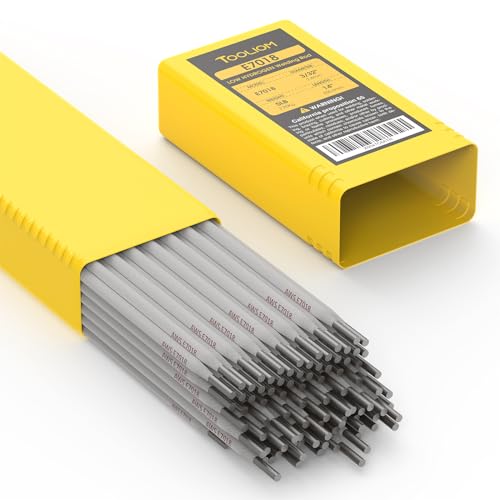
You’ll reach for these E7018 rods when you need low-hydrogen performance for structural repairs and heavy-duty fabrication. The 3/32″ size and 5 lb pack suit steady, repeated work on frames, bed liners, trailers, and other welded structures where crack resistance matters. They run predictably on common stick welders and tend to lay down a controlled bead with manageable slag, so you can focus on fit-up and penetration rather than fussing with the rod. If you need a dependable E7018 that behaves like a professional-style electrode, this one is an easy, practical pick.
Versatility
Well suited for trailer and frame repairs, agricultural gear, structural tack-ups, and any job where low-hydrogen deposits and predictable performance are important.
Key Benefits
- Low-hydrogen deposit for stronger, crack-resistant welds
- Consistent arc and good bead control for structural work
- Suitable 3/32″ size for common repair and fabrication tasks
Related guides: TIG welding filler rod selection chart | how to store low-hydrogen electrodes | more welding rods on Amazon
FAQ
Which Welding Rod Should I Use?
Start by matching the rod to the metal you’re welding: use E7018 for structural carbon steel jobs where low-hydrogen deposits and crack resistance matter, E6013 for general-purpose mild steel and easy arc starts, ER308L for 300-series stainless, and ER4043 or ER5356 for aluminum depending on alloy and strength needs. Pick a diameter that fits the material thickness and your welder’s amp range, and check whether the rod is rated for AC, DC, or both so it runs cleanly on your machine.
How Should I Store And Handle Rods?
Keep rods dry and protected from humidity because many coatings absorb moisture, especially low-hydrogen E7018 types; transfer opened packs to an airtight container with desiccant or a rod oven if you have one. Handle them gently so they stay straight, avoid banging the coating, and if a rod feels damp, follow the manufacturer’s bake/dry guidance before use to avoid weld porosity and poor arc behavior.
How Can I Improve My Weld Quality With These Rods?
Focus on joint prep, correct amperage, and a consistent arc length: clean the base metal, set amps appropriate for the rod diameter and material, and hold a steady arc so the puddle forms predictably. For TIG filler rods use pure argon shielding and feed smoothly; for stick rods watch your travel speed and angle so slag peels easily and penetration is consistent, and practice on scrap to dial in settings before committing to the final piece.
Can I use TIG filler rods for stick welding?
No. TIG filler rods (ER308L, ER4043, ER5356) are bare wire with no flux coating, so they need a TIG torch and shielding gas. Stick electrodes such as E7018 and E6013 carry their own flux and run on a stick welder.
Should I choose ER4043 or ER5356 for aluminum?
ER4043 flows well and is a common choice for 6061 and cast alloys. ER5356 is stronger and is usually preferred for marine and saltwater use. Check the alloy of your base metal and the filler chart before buying.
Which Rod Fits Which Metal
Match rod chemistry to the metal first: E7018 for structural carbon steel and low-hydrogen strength, ER308L when corrosion resistance and clean stainless beads matter, and ER5356 for aluminum that needs more strength and saltwater resistance. After chemistry, check the diameter, rod length and pack size against your welder and workflow.
Wrapping Up
Pick the rod that matches your metal rather than a one-size-fits-all option. For structural strength and low hydrogen, choose an E7018 rod. For stainless, choose ER308L sized to the joint. For aluminum, match ER5356 or ER4043 to the alloy and environment.
| Product Name | Image | Material Composition | Size / Dimensions |
|---|---|---|---|
| E7018 5/32″ 4.5LB ARC Welding Rod |
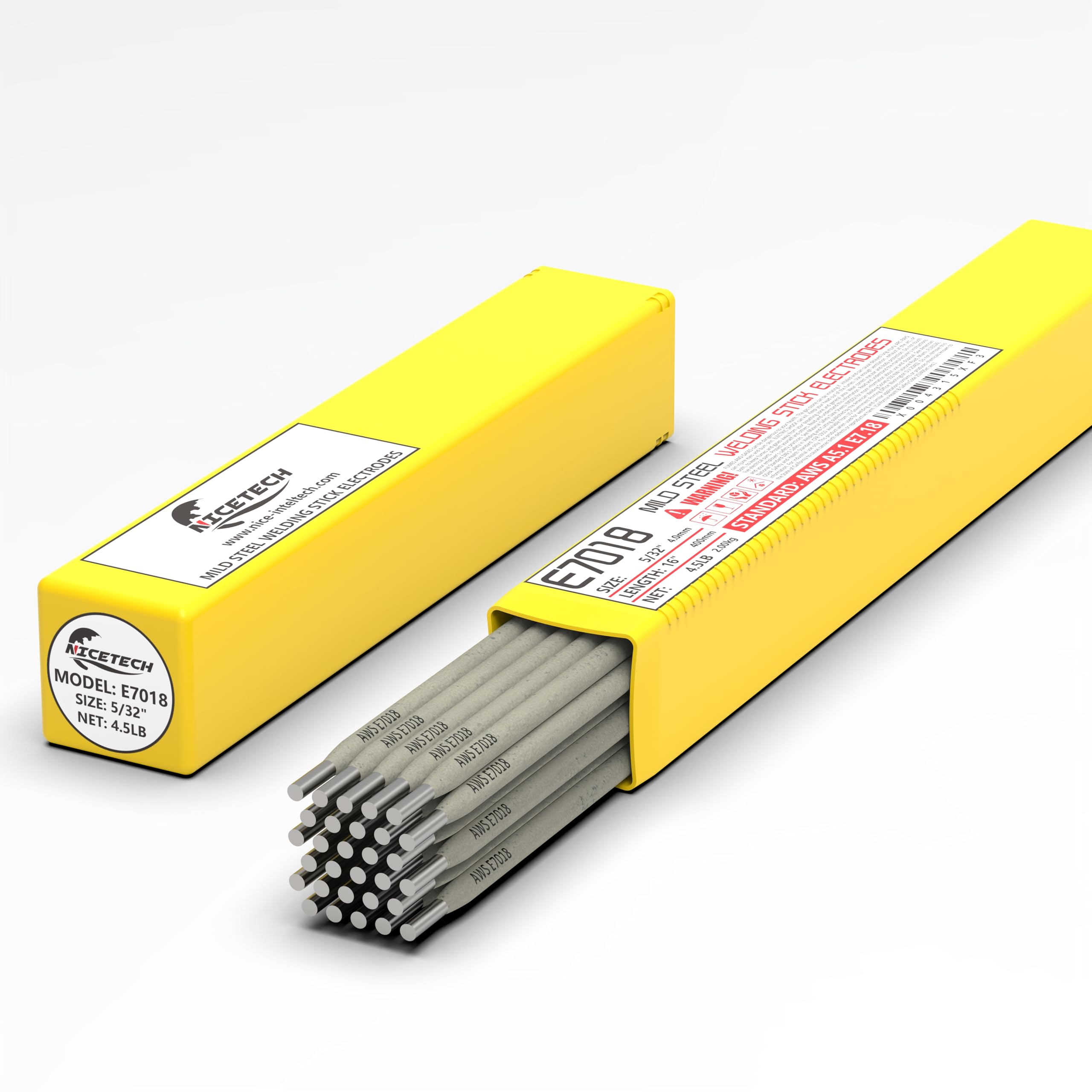 |
Low Hydrogen Carbon Steel | 5/32″ |
| Convivium ER308L Stainless Steel TIG Welding Rods 3/32″ x 16″ |
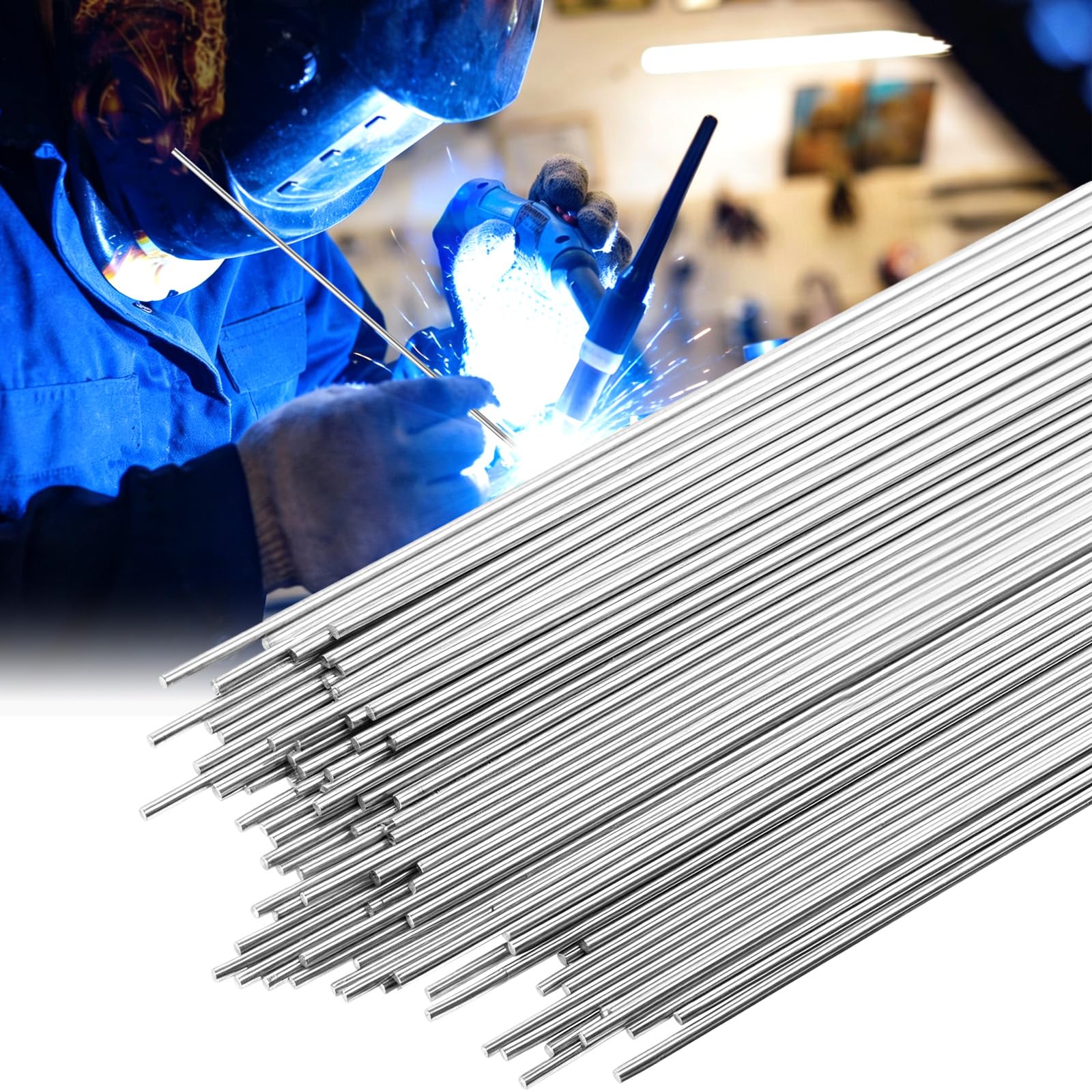 |
Stainless Steel (ER308L) | 3/32″ x 16″ |
| Aluminum TIG Welding Rod ER5356 1/8″ x 39″ |
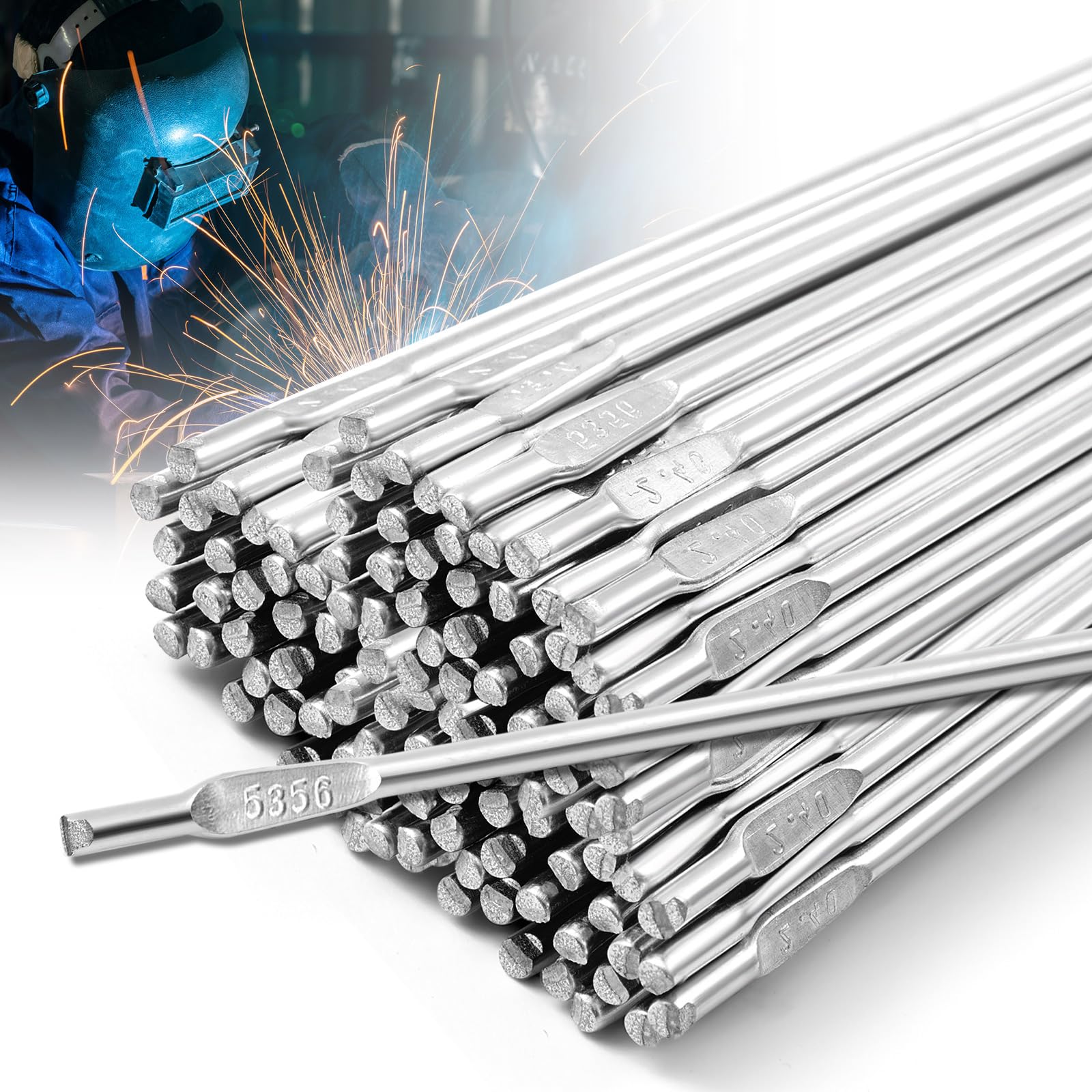 |
Aluminum (ER5356) | 1/8″ x 39″ |
| UNIFAMILY 60Pcs Aluminum Welding Rods ER4043 1/16″ x 16″ |
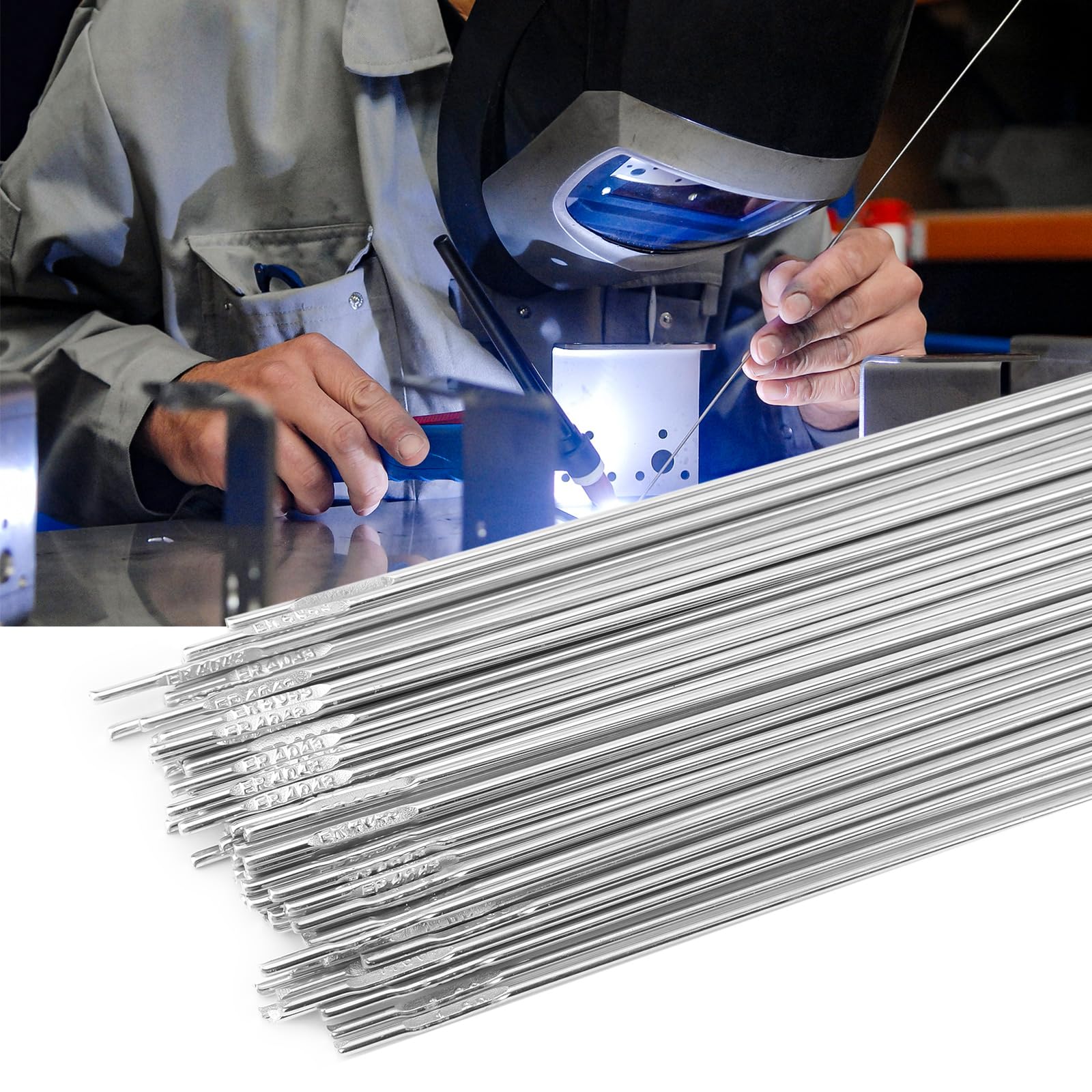 |
Aluminum (ER4043) | 1/16″ x 16″ |
| E6013 Welding Rods 3/32” 2.5LB |
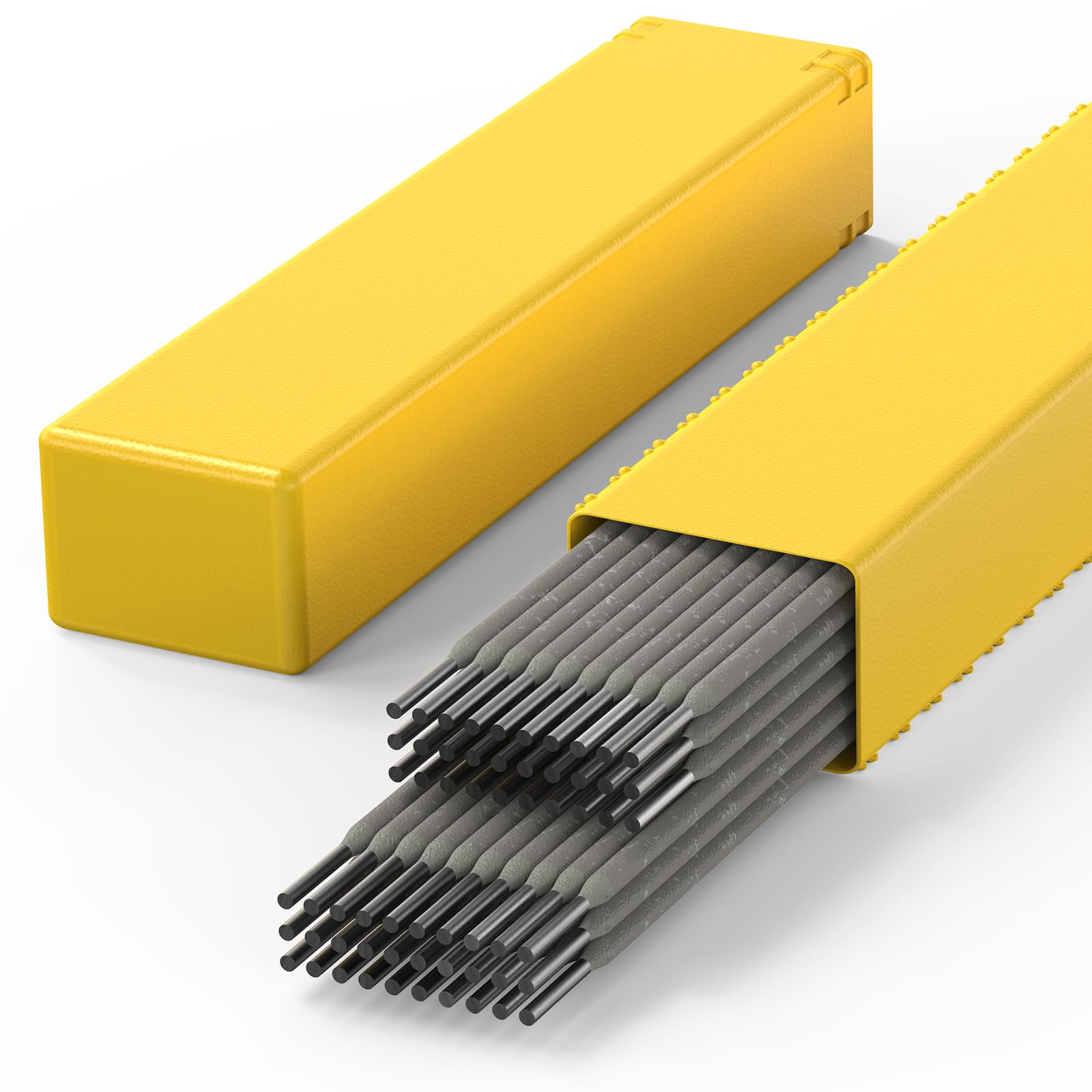 |
Low-Carbon Steel | 3/32” |
| E6013 Welding Rod 3/32″ 1LB |
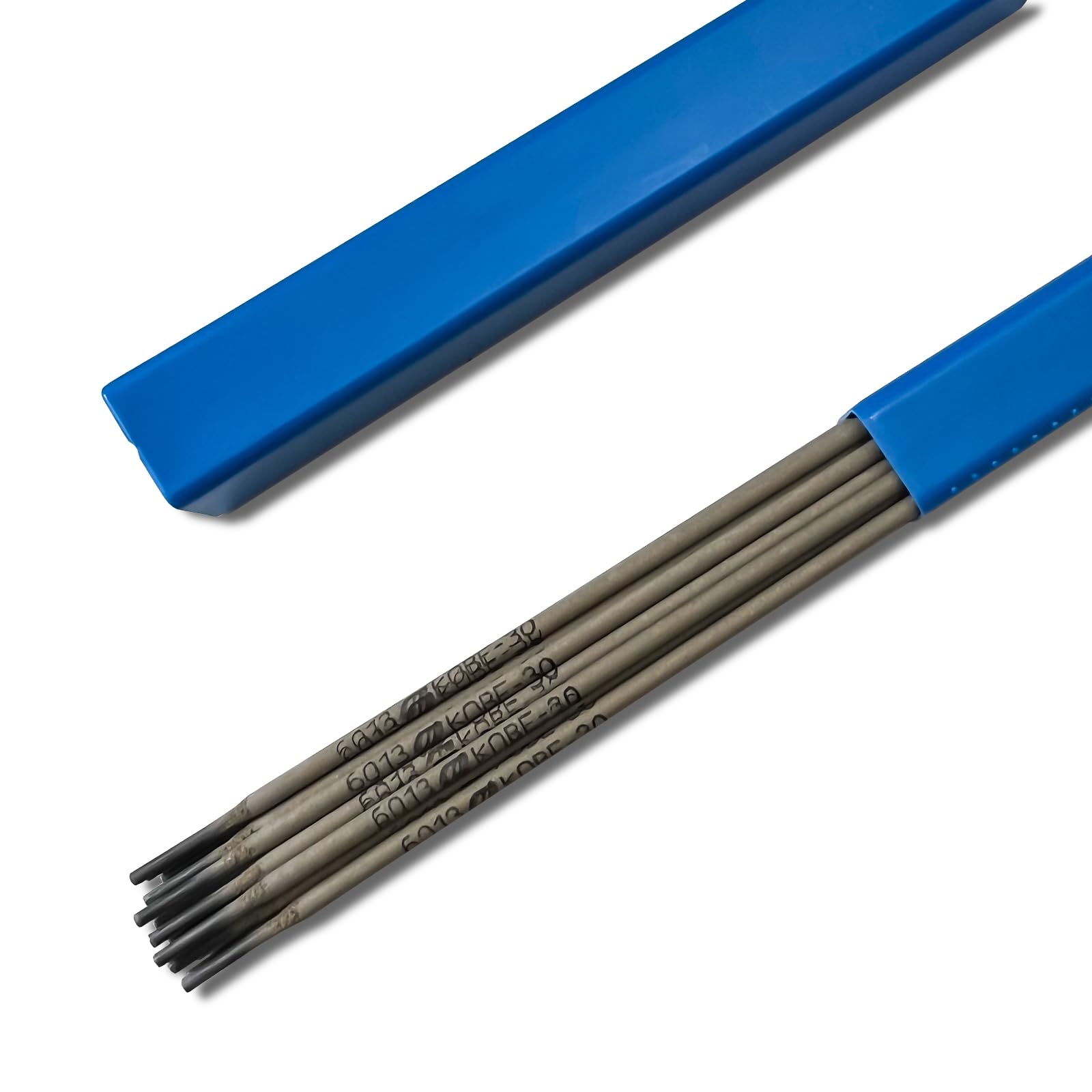 |
E6013 Carbon Steel | 3/32″ |
| E6013 Welding Rods 3/32″ (60 PCS) |
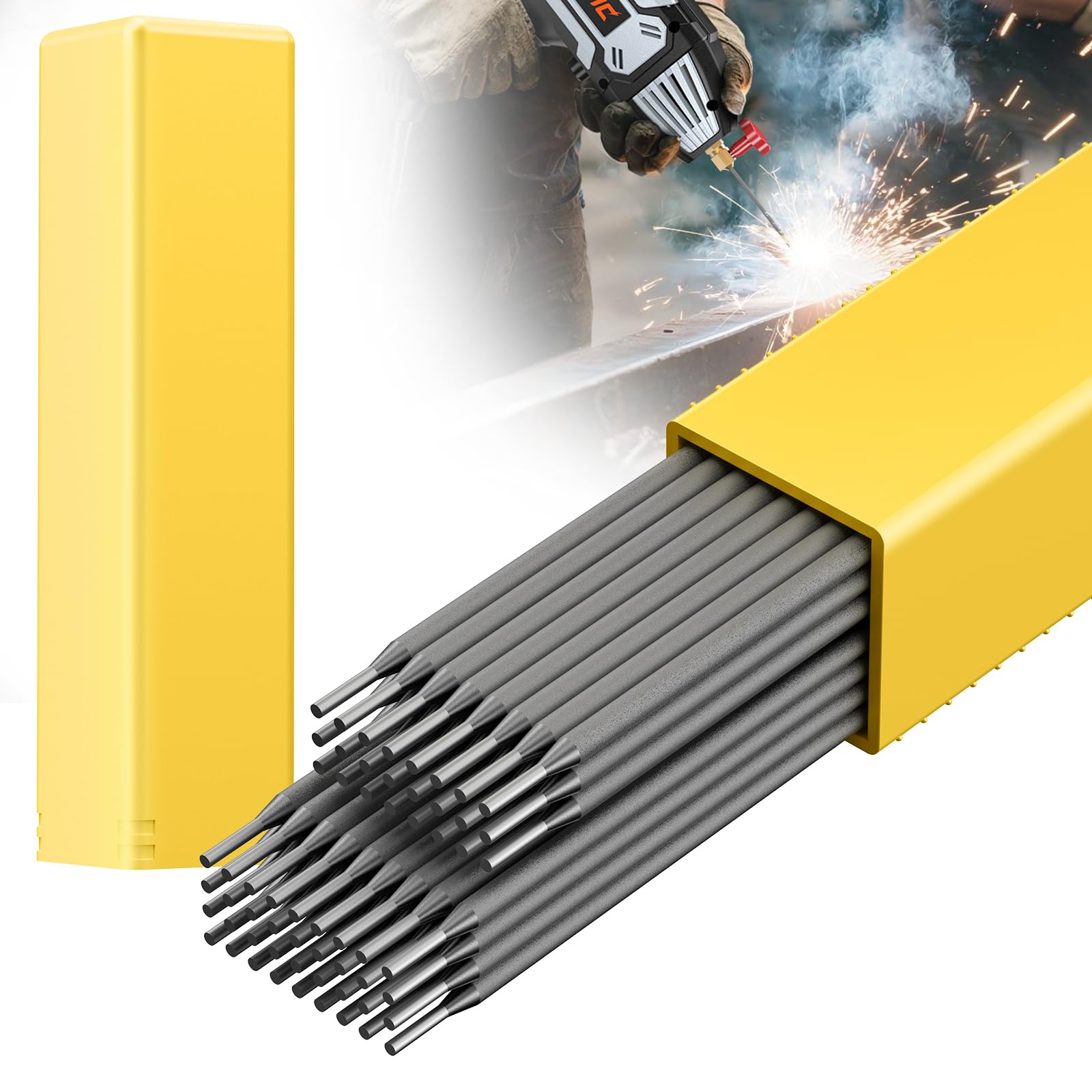 |
Carbon Steel | 3/32″ |
| 3/32″ Welding Rod J422 Carbon Steel Stick Electrodes |
 |
J422 Carbon Steel | 3/32″ |
| TOOLIOM E7018 Low Hydrogen Welding Rod 3/32″ 5LB |
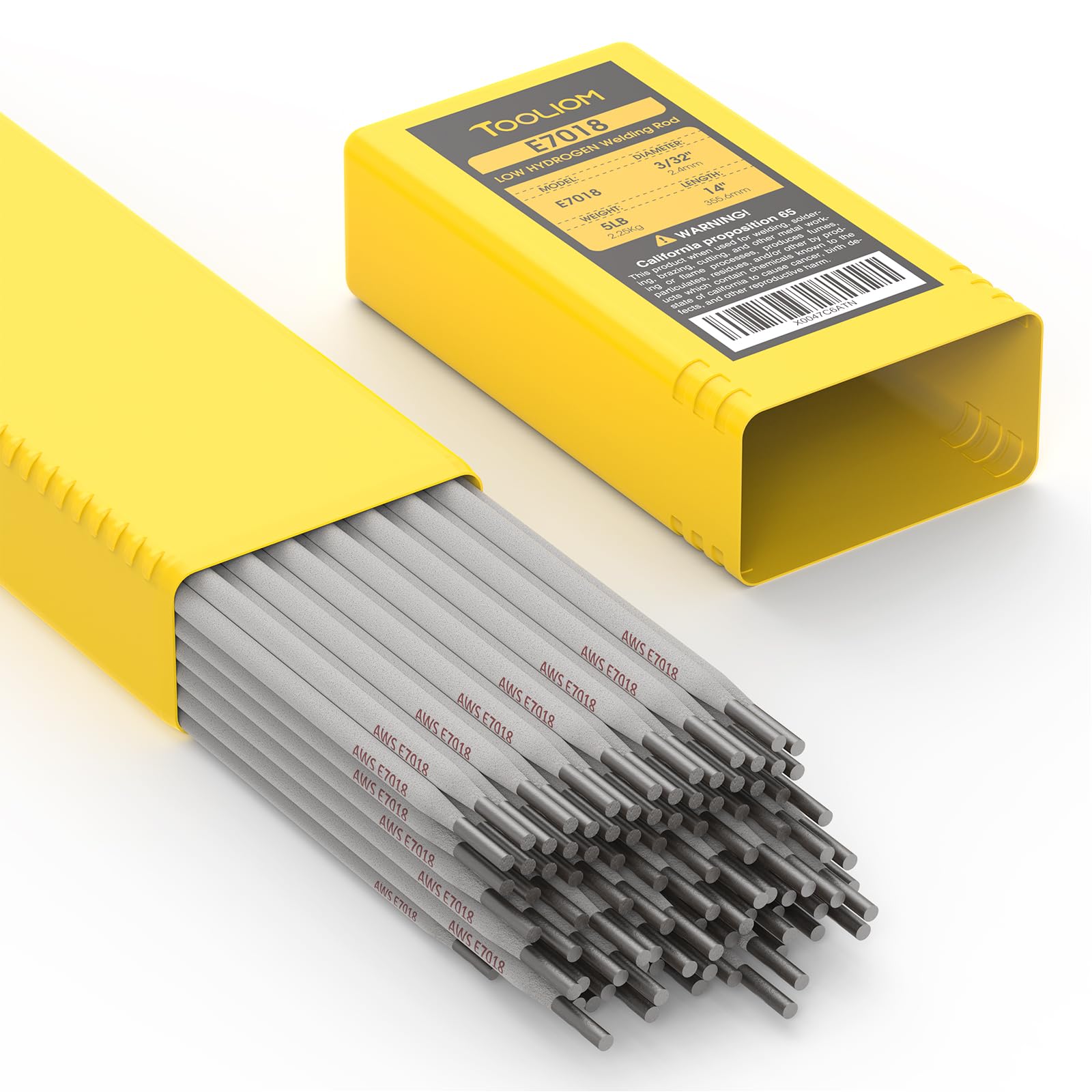 |
E7018 Carbon Steel | 3/32″ |