Disclosure: As an Amazon Associate, we earn from qualifying purchases. If you click a link on this page and make a purchase, we may receive a small commission at no extra cost to you.
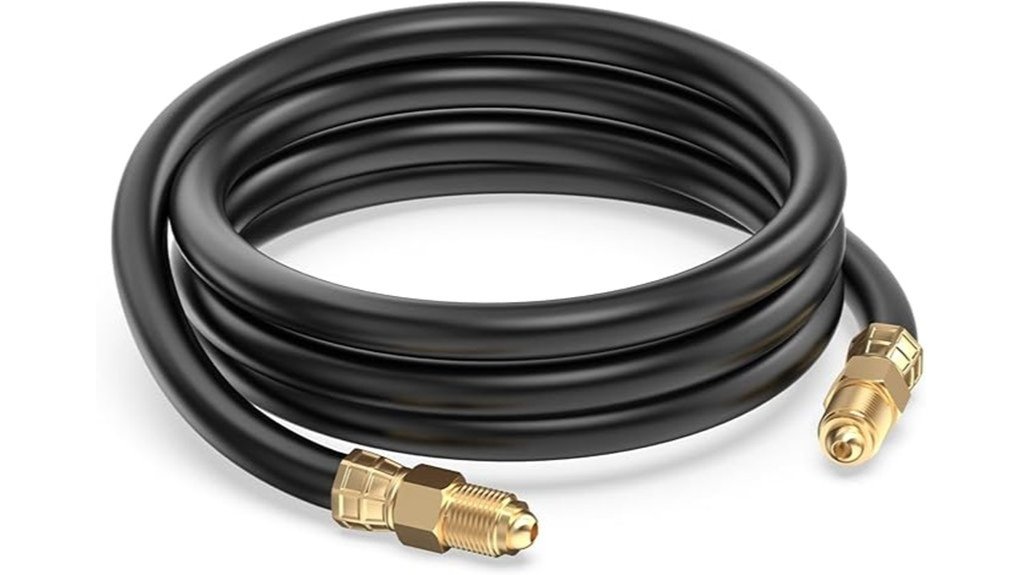
Choosing a gas hose for TIG or MIG welding is not just about length. You need the right fittings, safe pressure ratings, and gas compatibility so your shielding gas setup stays steady while you work. The Bestarc Inert Gas Welding Hose is a 5FT hose built with rubber and brass, rated for a working pressure of 290 psi and a burst pressure of 800 psi. This review looks at where it fits best, what its 5/8-inch UNF-18RH fittings mean for your setup, and when a different hose length or connector style may make more sense.
Quick Verdict
Rating: 8.1/10
Best For: Welders who need a short inert gas hose for argon, CO2, or helium setups with 5/8-inch UNF-18RH connections.
Bottom Line: The Bestarc Inert Gas Welding Hose is a practical choice if your regulator, flowmeter, or welder uses matching fittings and you want a compact 5FT hose. The main tradeoff is length, since 5FT works well for close setups but may feel limiting if your cylinder sits far from your machine.
| Specification | Detail |
|---|---|
| Brand | Bestarc |
| Product type | Inert gas welding hose |
| Length | 5FT |
| Materials | Rubber hose with brass fittings |
| Fitting type | 5/8-inch UNF-18RH |
| Working pressure | 290 psi |
| Burst pressure | 800 psi |
| Gas compatibility | Argon, CO2, and helium |
| Common welding use | TIG welding, MIG welding, and specialty shielding gas setups |
| Best setup | Close cylinder-to-machine or flowmeter-to-welder setups where a 5FT hose is long enough |
Key Takeaways
- The Bestarc Inert Gas Welding Hose is a compact 5FT hose for inert shielding gas setups.
- Its rubber and brass construction gives you flexibility at the hose and durability at the connection points.
- The hose is rated for a working pressure of 290 psi and a burst pressure of 800 psi.
- The 5/8-inch UNF-18RH fittings are important, so check your regulator, flowmeter, and welder before buying.
- It is listed for argon, CO2, and helium, which makes it useful for many TIG, MIG, and specialty welding setups.
- The 5FT length is convenient for compact carts, but it may be too short if your gas cylinder sits away from your welder.
What Is the Bestarc Inert Gas Welding Hose?
The Bestarc Inert Gas Welding Hose is a short gas line made for moving shielding gas from your regulator, flowmeter, or cylinder setup to compatible welding equipment. It is designed for inert gases used in welding, including argon, CO2, and helium. That matters because these gases are common in TIG and MIG work, where a stable shield helps protect the weld area from contamination.
The hose uses rubber for the flexible line and brass for the fittings. This combination is common in gas hose setups because the hose needs to bend around carts and cylinders, while the fittings need to hold a tight connection. The 5FT length keeps the setup tidy when your cylinder and welder are close together.
The biggest buying detail is the fitting size. This hose uses 5/8-inch UNF-18RH fittings. Before you order it, compare that thread style with your regulator, flowmeter, adapter, or welder connection. A strong pressure rating does not help if the fittings do not match your setup.
Before You Buy: Check both the hose length and the 5/8-inch UNF-18RH fitting requirement. This hose is a good fit for compact welding setups, but it may require an adapter or a longer hose if your cylinder, regulator, or welder uses a different connection or sits farther away.
Features and Specifications
The main appeal of this Bestarc hose is its simple, focused design. You get a 5FT inert gas line with rubber construction, brass fittings, and pressure ratings that suit demanding welding gas setups. It is not a full regulator kit, a torch lead, or a replacement for every hose on your machine. It is best viewed as a dedicated shielding gas hose for compatible TIG and MIG arrangements.
The working pressure of 290 psi gives the hose a practical operating rating for gas delivery, while the 800 psi burst pressure adds a safety margin above normal use. You should still follow your regulator settings, inspect your connections, and never treat the burst rating as a working target. In welding, safe setup matters as much as the hose rating.
The 5FT length is useful when your welder, flowmeter, and gas cylinder are mounted on the same cart or placed close together on a bench. It can also help reduce clutter compared with longer hoses. The downside is reach. If your cylinder stays against a wall while your welder moves around the shop, a 5FT hose may not give you enough room.
Who Should Buy It?
Best For
- You use argon, CO2, or helium for TIG, MIG, or specialty shielding gas work.
- Your regulator, flowmeter, or welder accepts 5/8-inch UNF-18RH fittings.
- You keep your gas cylinder close to your welder and want a tidy 5FT hose.
Skip If
- You need a longer hose because your cylinder sits several feet away from your welder.
- Your setup uses a different fitting size and you do not want to use adapters.
- You need a complete regulator, flowmeter, or torch kit rather than a hose only.
Fit and Compatibility
The Bestarc Inert Gas Welding Hose is listed with 5/8-inch UNF-18RH fittings. This fitting detail should be the first thing you check because welding gas connections are not all the same. If your regulator or flowmeter uses a different outlet size, the hose may not connect without the correct adapter.
Gas compatibility is also clear from the article-supported specs. The hose is designed for argon, CO2, and helium. Argon is common in TIG welding and many MIG gas blends. CO2 is common in MIG welding, especially for steel. Helium is used in more specialized welding applications where heat input and arc behavior matter.
| Fitting Type | Gas Compatibility | Ideal Usage |
|---|---|---|
| 5/8-inch UNF-18RH | Argon | TIG welding and many shielding gas setups |
| 5/8-inch UNF-18RH | CO2 | MIG welding setups that use CO2 |
| 5/8-inch UNF-18RH | Helium | Specialty applications where helium is part of the shielding gas plan |
Materials and Build Quality
The hose is made from rubber and brass. The rubber body helps the hose bend around a cart, cylinder, or workbench without feeling as stiff as a rigid line. Brass fittings give the connection points a more durable feel than plastic parts, which matters because the ends of a gas hose take the most handling during setup and storage.
The 290 psi working pressure and 800 psi burst pressure are the key durability numbers in the original article. These ratings make the hose suitable for high-pressure gas handling within its intended use. Still, a hose should be inspected before use, especially near the fittings, where wear, cuts, and loose connections can create leaks.
Performance and Durability
Performance for a welding gas hose comes down to steady gas flow, secure connections, and resistance to daily wear. The Bestarc hose has the pressure ratings and material mix to support regular shop use when it is installed correctly. Its 5FT size also keeps the hose from dragging across the floor in a compact setup.
The practical limitation is that durability depends on how you handle it. Kinks, sharp bends, hot metal, grinding sparks, and rough storage can shorten the life of any rubber gas hose. If you often move your welder around a large shop, you may want a longer hose so you do not pull against the fittings.
How It Performs in Real Use
For TIG Welding with Argon
For TIG work, this hose makes the most sense when your argon cylinder and TIG machine sit close together. The short 5FT length helps keep the work area cleaner, and the hose is easier to route on a welding cart. Make sure the 5/8-inch UNF-18RH fittings match your regulator or flowmeter before you start.
For MIG Welding with CO2
For MIG welding, the hose can work well with CO2 setups when your gas hardware uses the correct connection. A short hose can reduce clutter behind the welder, which is helpful in a garage or small fabrication corner. If your MIG welder moves around the shop, measure your needed reach first.
For Compact Welding Carts
The 5FT length is one of the main reasons to consider this hose. If your cylinder, flowmeter, and welder are all on one cart, a longer hose can coil up and get in the way. A shorter hose can make the setup neater and easier to inspect before each use.
For Long-Term Shop Use
In regular shop use, the rubber body and brass fittings are useful, but storage habits matter. Coil the hose loosely, keep it away from sharp edges, and avoid leaving it where sparks, heat, or foot traffic can damage it. Replace the hose if you see cracks, crushed sections, damaged fittings, or any sign of leakage.
Setup Tips Before First Use
Before installing the hose, confirm that your gas cylinder is secured upright and your regulator or flowmeter is in good condition. Thread the fittings carefully by hand first so you do not cross-thread the brass ends. Once the fittings are seated, tighten them to a secure fit without forcing them beyond what the connection needs.
After setup, check for leaks using a safe leak-check method recommended for gas connections, such as an approved leak detection solution. Do not rely on sound alone, since small gas leaks may be hard to hear. If you are not sure how to set up shielding gas equipment safely, ask a qualified welding supplier or technician for help.
Pro Tip: Measure the real path from your regulator or flowmeter to your welder before buying. Include bends around the cart and a little slack so the hose does not pull tight when the machine or cylinder shifts.
Compatibility and Safety
This is an inert gas welding hose, so use it only for its intended welding gas setup. It should not be treated as a universal hose for every gas, fuel, or torch application. The article-supported compatibility list is argon, CO2, and helium, so stay within the product instructions and your equipment requirements.
Do not exceed the rated working pressure. The burst pressure is a safety-related rating, not a target for normal operation. Always use a proper regulator, keep the hose away from heat and abrasion, and turn off the cylinder when your welding work is finished.
Pros and Cons
Pros
- 5FT length is useful for compact carts and close cylinder-to-welder setups.
- Rubber and brass construction gives you flexibility at the hose and stronger connection points.
- 290 psi working pressure supports demanding shielding gas use within the intended rating.
- Compatible with argon, CO2, and helium for common TIG, MIG, and specialty welding setups.
- 5/8-inch UNF-18RH fittings make compatibility clear before you buy.
Cons
- The 5FT length may be too short for larger shops or remote cylinder placement.
- It may not fit your setup if your regulator, flowmeter, or welder uses a different fitting.
- It is a hose only, so you still need compatible gas equipment and safe setup practices.
Is It Worth the Price?
The Bestarc Inert Gas Welding Hose is worth considering if you need a short, focused gas hose rather than a full welding accessory kit. Its value comes from the combination of rubber construction, brass fittings, 5FT length, and pressure ratings that are clearly stated in the article. For a garage welder or small shop, it can be a smart buy for everyday use when the fittings match.
You get the most value from it if your cylinder and machine are already close together. In that case, a longer hose may add clutter without adding much benefit. If your setup needs more reach or a different fitting, this hose may not be the best fit even if the build quality looks right.
How It Compares to Alternatives
Compared with longer inert gas hoses, the Bestarc 5FT hose is better for neat, compact setups. A 10FT or longer hose may be better if your cylinder is stored away from your welder or if you move your machine often. The tradeoff is that longer hoses can be harder to route and store cleanly.
Compared with complete regulator-and-hose kits, this product is more focused. It makes sense if you already have the regulator, flowmeter, and welder connection you need. If you are building a gas setup from scratch, a complete kit may be easier to match, but you should still verify every fitting before buying.
Common Mistakes to Avoid
The most common mistake is buying by gas type only. Argon, CO2, and helium compatibility matters, but the fitting size matters just as much. If the 5/8-inch UNF-18RH fitting does not match your setup, the hose may not connect correctly.
Another mistake is stretching a short hose to make it reach. A hose that is pulled tight can put stress on the fittings and may be easier to damage. Give the hose enough slack to move slightly without tugging on your regulator, flowmeter, or welder.
Frequently Asked Questions
Will this hose work for TIG welding?
Yes, it can work for TIG welding when your setup uses argon or another compatible shielding gas and the 5/8-inch UNF-18RH fittings match your equipment. Check your regulator and flowmeter connections before buying.
Can I use it for MIG welding with CO2?
The article-supported compatibility list includes CO2, so it can be suitable for MIG setups that use matching gas hardware. Make sure your welder, regulator, or flowmeter accepts the same fitting style.
Is 5FT long enough for a welding gas hose?
It is long enough for many compact welding carts and close cylinder-to-machine setups. It may be too short if your gas cylinder sits away from your welder or if you need extra movement around the work area.
What fittings does the Bestarc Inert Gas Welding Hose use?
The hose uses 5/8-inch UNF-18RH fittings. This is one of the most important specs to check because a hose with the wrong thread style may not connect to your regulator, flowmeter, or welder.
What is the working pressure rating?
The stated working pressure is 290 psi, and the stated burst pressure is 800 psi. Use the hose within its intended operating range and follow your regulator and equipment instructions.
How should I store the hose when it is not in use?
Coil it loosely and keep it in a cool, dry place away from sharp edges, grinding sparks, and hot metal. Avoid tight bends or kinks because they can weaken the hose over time.
What is the warranty period for this hose?
The source article does not state a specific warranty period. Check the current Amazon listing, seller details, or product documentation before you buy if warranty coverage is important to you.
Who should skip this welding hose?
Skip it if you need more than 5FT of reach, need a full regulator or flowmeter kit, or use fittings that do not match 5/8-inch UNF-18RH. It is also not the right choice for non-compatible gases or fuel gas applications.
The Bottom Line
The Bestarc Inert Gas Welding Hose is a solid pick if you need a 5FT inert gas hose with rubber construction, brass fittings, 290 psi working pressure, and compatibility with argon, CO2, or helium. It is best for compact TIG or MIG setups where the 5/8-inch UNF-18RH fittings match your equipment. Skip it if you need a longer hose, a different fitting style, or a complete gas regulator kit.