CNC Plasma Cutter: Buyer’s Guide to Tables, Torches & Software
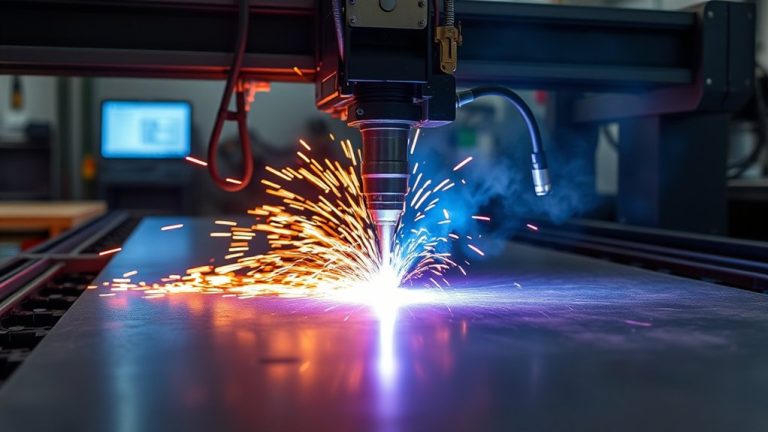
Learn how to choose the right CNC plasma table, torch, and software to hit your specs—before one overlooked detail compromises precision and throughput.

CNC plasma cutting combines a motion-controlled table with a torch to produce repeatable, accurate parts. This guide covers table types (water vs downdraft), slat layout, and material support; torch height control (THC) for arc-voltage standoff; and the CAM workflow—from CAD to nesting, lead-ins/lead-outs, kerf compensation, and G-code post processing. Learn how to set pierce height and delay, cut height, amperage, and feed rate for each material and thickness. We include tips for reducing bevel and dross, maintaining consumables, and calibrating steps-per-mm and squareness. Safety and shop setup—fume extraction, grounding, and EMI management—round out the essentials so your table cuts clean, fast, and reliably.
Learn how to choose the right CNC plasma table, torch, and software to hit your specs—before one overlooked detail compromises precision and throughput.