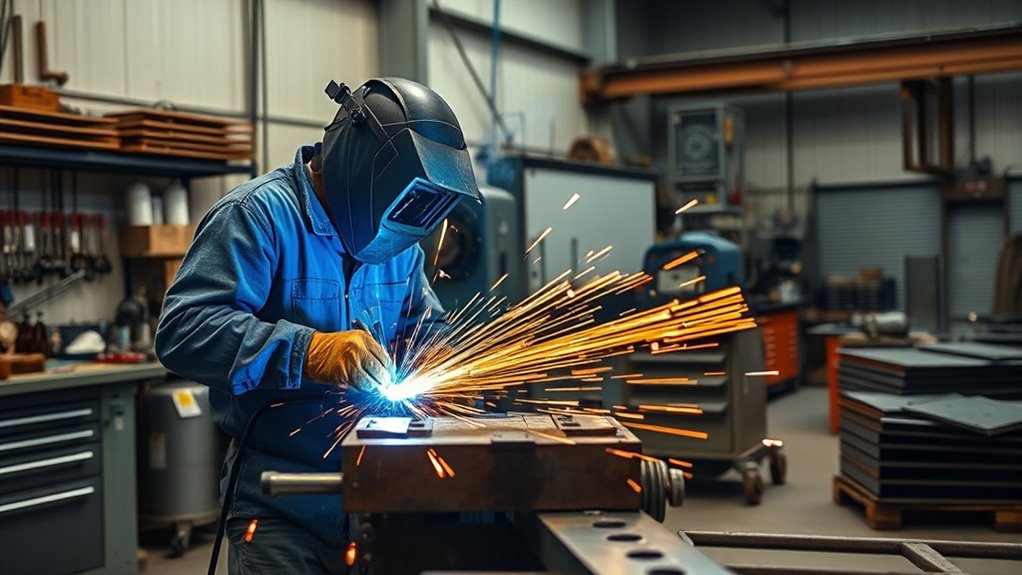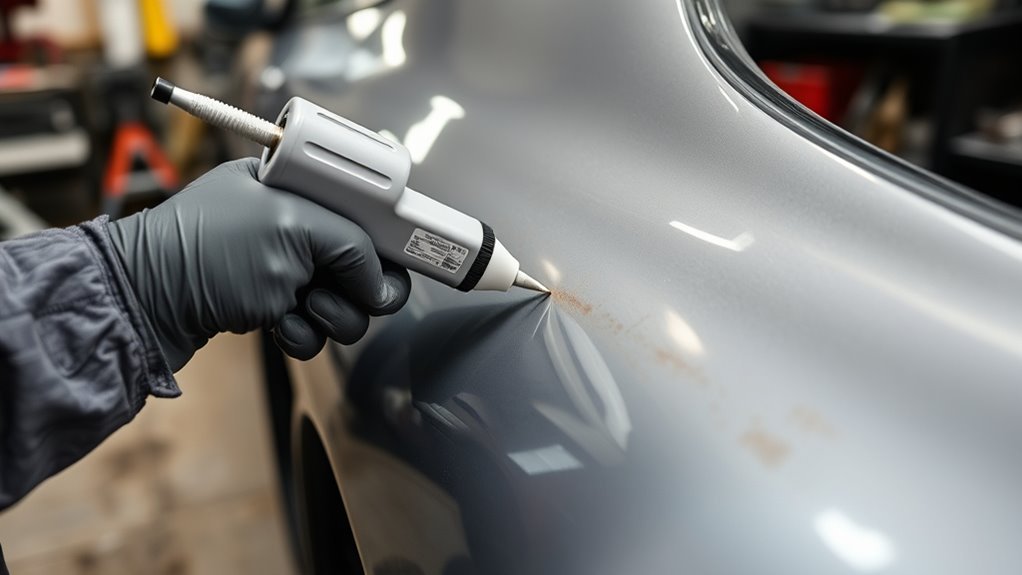
After welding auto body panels, let the metal cool, dress the welds, clean the seam, and scuff the repair area until it is uniformly dull. Remove dust, oil, solvent residue, grinding debris, and loose coating before you seal anything. Then follow the seam sealer’s technical data sheet for primer, direct-to-metal use, working time, cure time, and paint window. A clean, well-packed bead keeps water out of lap joints, door seams, trunk gutters, and jambs so the repair is less likely to rust or leak.
Quick Answer
Apply seam sealer after welding by grinding and cleaning the seam, scuffing the surface, priming if the product requires it, masking both sides of the joint, packing sealer into the gap, smoothing it before it skins, removing tape right away, and letting it cure before paint.
Key Takeaways
- Finish all welding before applying seam sealer. Do not weld through cured or uncured sealer.
- Clean, scuff, and dry the repair area before sealing so the bead can bond to stable metal, epoxy primer, or an approved coating.
- Choose the seam sealer type for the joint: brushable, heavy-bodied, self-leveling, 1K, or 2K.
- Pack the sealer into the seam, smooth it while it is still workable, and remove masking tape before the edge skins over.
- Do not block drain holes. After cure and paint, protect the backside of enclosed seams with cavity wax when the repair procedure calls for it.
At a Glance
| Time Required | 30 minutes to 2 hours for application, plus product-specific cure and paint time |
| Difficulty | Moderate DIY or collision-repair skill |
| Tools Needed | PPE, sanding pad, wax and grease remover, clean towels, primer if required, masking tape, seam sealer gun or applicator, spreader or seam brush |
| Cost | Usually $15 to $80 for sealer and supplies, depending on product type and cartridge system |
Warning: Seam sealer is not a structural substitute for welding, panel bonding, or corrosion repair. Finish all welding first, clean away coatings that could create fumes, use eye and skin protection, keep solvents away from sparks, and work with ventilation. OSHA notes that welding can create hazardous metal fumes and gases, so never weld through seam sealer, paint, solvent residue, or unknown coatings.
Clean and Prep Seam Sealer Surfaces
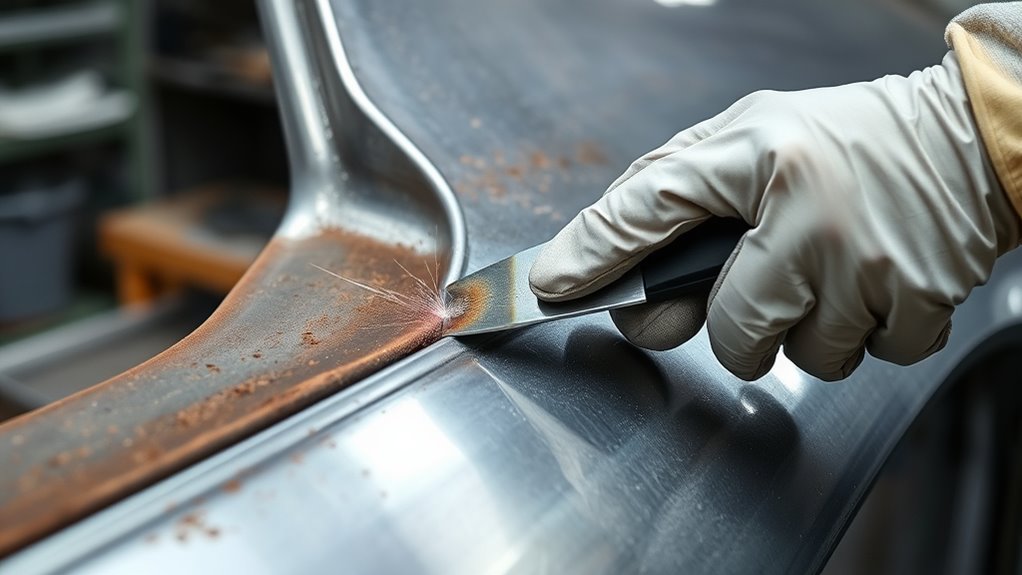
Start with thorough surface prep, because seam sealer only bonds well to a clean, stable surface. Let the weld cool, grind or dress the welds as needed, and remove sharp slag, loose metal, and high spots that would hold the bead away from the seam.
Sand and scuff the seam area until the finish is uniformly dull. Use a sanding pad, abrasive disc, or hand block that matches the repair area. Blow off dust, then wipe with wax and grease remover using clean towels. Do not leave oily residue, fingerprints, sanding sludge, or old adhesive in the channel.
Inside doors and other flexible areas, dress welds flush and add any required spot welds before sealing. A seam that moves, flexes, or separates can crack the bead later. Scrub channels carefully so no dirt, rust, or loose factory sealer remains to weaken adhesion.
Once the surface is dry, follow the sealer and paint-system instructions. Many collision repairs call for epoxy primer or another approved primer before seam sealer, while some seam sealers are approved for direct-to-metal use. If the product instructions and OEM repair information disagree, follow the OEM repair procedure and the product technical data sheet.
Proper prep also reduces adhesion problems related to contaminants, corrosion, and coated metals. If you are working near galvanized steel, understand how zinc contamination can affect welding and repair quality before you seal the panel.
If you skip cleaning, scuffing, and drying, the seam can lift, crack, or trap moisture under the bead. Careful prep gives the sealer a clean grip and helps the finished repair resist leaks and corrosion.
Choose the Right Seam Sealer for the Joint
Pick the seam sealer by joint shape, location, paint system, and working time. A door skin seam, trunk gutter, roof drip rail, floor pan lap joint, and wheelhouse repair may need different flow and body.
- Brushable seam sealer: Good for factory-style brush marks, wheelhouses, floors, and rougher hidden seams.
- Heavy-bodied seam sealer: Good for vertical seams, door flanges, jambs, and gaps that need a bead that will not sag.
- Self-leveling seam sealer: Good for horizontal drip rails, roof channels, and gutters where a smooth flow is needed.
- 1K seam sealer: Simple to use, often slower to cure, and usually best for smaller repairs when the product allows it.
- 2K seam sealer: Uses a mixing nozzle, cures more predictably, and is common in professional collision repair.
Check whether the product is paintable, sandable, flexible, direct-to-metal, or primer-required. Also check skin time, working time, full cure time, and the paint window. Do not assume every seam sealer works the same way.
Note: Seam sealer should duplicate the factory function, not just the factory look. The bead must seal water paths without blocking drain holes, panel gaps that need to breathe, or areas that still need welding.
Products Worth Considering

Made in China
![[Black] Professional Automotive Seam Sealer, Paintable Quick-Set Polyurethane Auto Body Seam Sealer for Metal Surfaces of Cars, Trucks, Etc, Includes Gloves & Tip - Black RV Roof Sealant](https://m.media-amazon.com/images/I/41CSSWLKzxL._SL500_.jpg)
Bonds to All Surfaces: Our seam sealer automotive formula bonds strongly with primed, painted, or bare metal surfaces, offering a fast curing solution. Ready for paint in just 30 minutes, it serves as an effective RV roof sealant and polyurethane auto body filler without the need for sanding.

PAINTABLE & SANDABLE SURFACE – Cures to a sandable finish that accepts automotive primers and topcoats. Sand smooth for a seamless repair or paint directly over the sealed seam. Ideal for auto body repair where finished appearance matters
Follow the Right Order After Welding
The cleanest result comes from using the right repair order. Do not apply seam sealer until the weld is finished and inspected.
- Complete welding and confirm the repair is structurally sound.
- Grind, dress, or finish the weld as needed for the panel location.
- Clean the area with air and an approved surface cleaner.
- Scuff the seam and surrounding paint edge for mechanical bite.
- Apply epoxy primer or another approved primer if required by the repair procedure or sealer instructions.
- Let primer flash and dry as directed.
- Mask the seam, apply seam sealer, pack the gap, and tool the bead.
- Remove tape before the bead skins over.
- Let the sealer cure or reach its paint window.
- Apply topcoat, undercoat, or refinishing materials as directed.
- Protect the backside or enclosed cavity with cavity wax when the repair procedure calls for it.
This order keeps solvent, primer, sealer, and paint layers compatible. It also prevents you from trapping moisture or grinding dust under the bead.
Tape Off a Clean Seam Line
Masking gives the bead a controlled edge and reduces cleanup. Use narrow tape near the seam edge and wider tape outside it when you need more protection from squeeze-out.
Make sure you have already sanded, scuffed, cleaned, and primed the area if primer is required. Proper weld size and joint fit should be handled before the sealer stage, not hidden under a bead.
Once you apply the seam sealer, remove the tape immediately after tooling to leave a clean edge and prevent peeling.
Mark the Seam Edge
Lay down quarter-inch masking tape to define a crisp seam line before you apply seam sealer. Add a half-inch strip beside it as a buffer if you need a wider protected area.
Before taping, scuff the car body thoroughly so the tape sits flat and the sealer lands on a prepared surface. A clean tape line helps keep your bead narrow, steady, and easy to follow as you move along the joint.
Watch the seam closely for stringers, smears, or overflow. Correct them while the product is still workable. A disciplined line reduces sanding and rework later.
Add Buffer Tape
To keep the seam line clean, apply quarter-inch masking tape along the exact path where the seam sealer will go. Then add a half-inch strip beside it as a buffer to catch squeeze-out. Press both tapes down firmly so sealer cannot creep underneath and spoil the edge you plan to paint.
| Tape size | Placement | Purpose |
|---|---|---|
| 1/4 in. | Along the seam path | Defines the bead |
| 1/2 in. | Beside the seam line | Catches excess sealer |
| Both | Pressed firmly | Blocks seepage under the tape |
| Both | Removed after tooling | Keeps the edge sharp |
As you work, watch for stringers or buildup and keep the line tight. This simple barrier gives you a controlled bead, cleaner margins, and a sharper result with less correction later.
Remove Tape Immediately
Once the seam sealer is packed and smoothed, pull the masking tape off before the edge skins over. Waiting too long can tear the bead and leave a rough ridge.
Before you lift the tape, inspect the bead for excess sealer, pinholes, voids, or stringers. Clean them now with a plastic spreader, seam brush, or manufacturer-approved tooling method.
Hold the tape at about a 45-degree angle and peel it away from the seam in one steady pass. Do not jerk the tape upward. A slow, controlled pull helps preserve the bead shape.
Apply Primer for Better Adhesion
Before you prime, lightly scuff the cleaned seam so the metal has enough tooth for adhesion. Then apply a compatible primer that matches the seam sealer and refinish system. Let it flash and dry fully before you move on to sealing. Also make sure the surface is free of surface contaminants that can cause peeling or edge lift.
Scuff Before Priming
Scuff the metal surfaces with a sanding block or pad so the primer has a rough texture to bite into, especially along welds and seams where you will apply seam sealer.
Use controlled scuffing to make the panel uniformly dull. Then wipe away dust, grease, and contaminants. Clean, abraded metal lets primer lock in and helps the sealer hold tight.
Choose a primer that matches the repair system and covers every scuffed area before sealing, unless the sealer is specifically approved for direct-to-metal use.
- Good scuffing helps the bead resist lifting.
- Clean primer coverage helps reduce corrosion risk under the seam.
- A dry, compatible base helps the topcoat last longer.
Choose Primer for Bonding
Apply a compatible automotive primer before seam sealing when the product instructions call for it. Epoxy primer is commonly used in collision repair because it seals metal well, but the correct primer depends on the paint system, the sealer chemistry, and the OEM repair procedure.
Your surface preparation still matters after priming. Keep dust, oil, and fingerprints off the primer. If the primer sits beyond its recoat window, scuff it again as directed before applying sealer.
Let the primer dry fully. If you rush, you can weaken the bond, trap solvent, and create later paint or sealer failure.
Pack Seam Sealer Into the Gaps
Once the seams are clean and masked, run a controlled bead of seam sealer along the gap and pack it deep with a caulking gun, cartridge gun, spreader, brush, or applicator that fits the product.
The goal is not just to cover the seam. You want the sealer to contact both sides of the joint and fill the groove so water cannot sit behind it. Keep the gap free of debris so the sealer grabs bare metal, epoxy primer, or another approved surface.
Use steady pressure so you do not starve the seam. For many lap seams, a bead around 1/8 inch thick may be enough after tooling, but the right size depends on the gap, panel location, and product instructions.
- Pack the sealer into the joint, not only across the top.
- Do not bridge over holes, rust pits, or loose edges.
- Do not block drain holes in doors, rockers, gutters, or trunk channels.
After the bead is in place, press it inward with a gloved finger, seam brush, or plastic tool to improve contact. Clean surfaces matter here because cleaner surfaces support stronger repair work.
Watch for excess material or stringers as you work, and wipe them away before they harden.
Pro Tip: Before the bead cures, use a pick or small brush to confirm that factory drain holes are still open. A sealed door bottom with blocked drains can hold water and rust from the inside out.
Smooth the Seam Sealer Bead
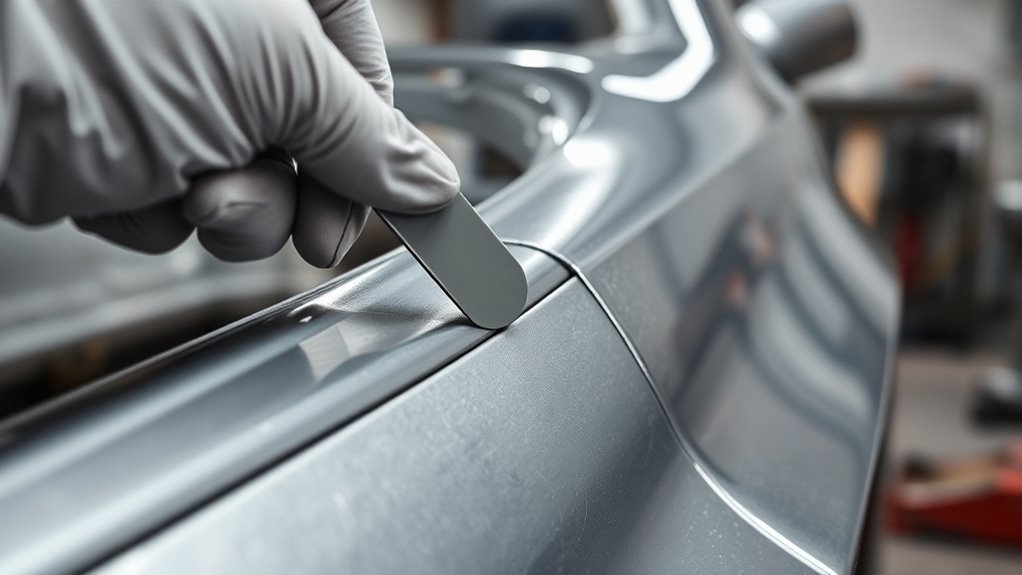
With the seam sealer packed into the joint, smooth the bead while the material is still within its working time. Use a gloved finger, plastic spreader, seam brush, or manufacturer-approved tooling solvent on a tool or rag. Do not use bare skin with lacquer thinner or any strong solvent.
Work while the material is still pliable. Delayed smoothing can tear the edge, trap rough spots, or pull sealer away from the seam. Use steady pressure across every panel so each joint has a similar profile and thickness.
Check the bead for excess, stringers, pinholes, or voids as you move. Wipe or lift defects before the sealer skins over. Different sealing materials flow differently, so adjust your tooling method to the product’s working time and viscosity.
Keep the motion controlled and direct. Do not thin the bead so much that it loses coverage. Remove masking tape right after smoothing to preserve crisp edges and keep the bond line intact during cure. Wear appropriate protective clothing when working around welded panels, sharp metal, grinding dust, and repair chemicals.
Seal Door Seams, Trunk Gutters, and Jambs
After you have smoothed the first bead, move on to the door seams, trunk gutters, and jambs while the surfaces are clean, sanded, and scuffed for good adhesion.
Use quarter-inch masking tape to define the seam, and add half-inch tape where you need tighter control. Press the sealer deep into each gap so it bonds to the metal or approved primer, not just the surface.
For door seam maintenance, focus on the lower edges and inside door surfaces. That is where water often collects. Keep weep holes open so water can leave the panel.
In trunk gutter repairs, pack the seam sealer along the channel, but do not change the factory water path. A neat bead should guide moisture toward the drain area, not create a dam.
Apply the same disciplined jamb sealing method at every opening. Pull the tape right away and feather rough spots with a gloved finger, spreader, or approved tooling method.
For enclosed panels, sealing the outside seam is only part of the job. After the sealer and paint have cured, apply cavity wax or internal corrosion protection on the backside if the repair procedure calls for it.
Products Worth Considering

For professional use only – not for retail sale
![[Black] 2 Pack Professional Automotive Seam Sealer, Paintable Quick-Set Polyurethane Auto Body Seam Sealer for Metal Surfaces of Cars, Trucks, Etc, Includes Gloves & Tip - Black RV Roof Sealant](https://m.media-amazon.com/images/I/51rYdoPRb-L._SL500_.jpg)
Bonds to All Surfaces: Our seam sealer automotive formula bonds strongly with primed, painted, or bare metal surfaces, offering a fast curing solution. Ready for paint in just 30 minutes, it serves as an effective RV roof sealant and polyurethane auto body filler without the need for sanding.

Rapid Paint & Superior Bond: Our seam sealer automotive Securely bonds bare, primed, or painted metalwith zero shrinkage. Ready for paint in just 30 minutes-no sanding or extra prep. Saves hours of shop time.Perfect as a RV roof sealant and polyurethane auto body filler
Avoid Seam Sealer Application Mistakes
When you are trying to avoid seam sealer mistakes, start by prepping the metal correctly: sand and scuff the area, then clean the channel so the sealer can bond properly. Prime the bare metal next when the product or repair procedure requires it. Use quarter-inch masking tape to define the seam, and add half-inch tape as a buffer if you need tighter control.
Pack the sealer deep into the joint, not just over the surface, so you lock out moisture and protect the weld. Wear appropriate safety gear when grinding, cleaning, and sealing welded panels.
| Best practice | Why it matters |
|---|---|
| Scuff, clean, and dry | Improves adhesion and reduces trapped contamination |
| Use approved primer when required | Helps protect metal and supports sealer compatibility |
| Pack the seam fully | Stops water from sitting behind the bead |
| Remove tape immediately | Keeps edges sharp and prevents tearing |
| Keep drains open | Prevents trapped water inside doors and channels |
These sealing techniques help you work cleanly and confidently. Pull the tape right after application, before the skin starts to set. That simple move preserves a professional line and keeps your repairs durable and precise.
Troubleshoot Seam Sealer Problems
If the bead fails, the cause is usually surface prep, product mismatch, poor timing, or trapped moisture. Use the problem pattern to diagnose the repair before you repaint.
- Sealer lifts at the edge: The surface may be glossy, dusty, oily, or outside the primer recoat window. Sand back to a stable edge, clean, reprime if needed, and reseal.
- Sealer cracks: The bead may be too thin, the joint may flex, or the wrong sealer type may have been used. Check panel movement and use a flexible automotive seam sealer.
- Pinholes appear: The bead may have trapped air during tooling. Pack the gap again while workable or remove and reseal after cure.
- Paint wrinkles over sealer: The sealer may not have cured enough, or the paint system may be incompatible. Follow the paint window in the sealer instructions.
- Water still leaks: The bead may be bridged over a void or the leak may come from another seam. Water-test the area and inspect both sides of the panel.
Inspect, Cure, and Protect the Repair
Before the sealer cures, inspect the full seam under good light. Look for skipped spots, pinholes, thin edges, trapped dust, blocked drains, and places where the bead pulled away from the joint.
Let the seam sealer cure according to the product instructions. Some products can be painted quickly, while others need more time. Temperature, humidity, bead thickness, and product chemistry all affect cure speed.
After the sealer reaches its paint window, apply topcoat, undercoat, or refinish materials as directed. If the repair encloses a backside seam, add cavity wax or internal corrosion protection after paint cure when the repair procedure calls for it.
A simple water test can confirm the repair before final assembly. Flow water over the seam area, watch the backside, and check the interior for dampness. Fix leaks before trim, carpet, or weatherstrips go back in.
Frequently Asked Questions
Should seam sealer be applied before topcoat or final sealer?
Yes. In most auto body repairs, seam sealer goes on after welding, cleaning, scuffing, and any required primer, but before topcoat, undercoat, or final refinish materials. Always follow the sealer’s paint window and the paint-system instructions.
How thick should seam sealer be applied?
Apply enough seam sealer to fill and cover the joint without starving the seam or blocking drains. Around 1/8 inch after tooling is common for many lap seams, but gap size, panel location, and product instructions matter more than one fixed number.
Do you put seam sealer over bare metal or primer?
Use the surface approved by the seam sealer and the OEM repair procedure. Many repairs use epoxy primer or another compatible primer first. Some seam sealers are approved for direct-to-metal use. If you are unsure, do not guess. Check the product technical data sheet.
Can you weld through seam sealer?
No. Do not weld through seam sealer. It can contaminate the weld, weaken the joint, burn, smoke, and create harmful fumes. Remove sealer, paint, solvent residue, and coatings from the weld area before welding, then apply seam sealer only after the welded repair is complete.
How long should seam sealer dry before painting?
Dry time depends on the product, bead thickness, temperature, and humidity. Some 2K sealers can be painted quickly, while some 1K products need longer. Use the product’s stated skin time, cure time, and paint window.
Should you seam seal both sides of a welded panel?
Seal the side that the repair procedure calls for and protect the backside when it is exposed to moisture. Many enclosed repairs also need cavity wax or internal corrosion protection after paint cure. Do not seal over rust or trap moisture inside a closed panel.
Conclusion
When you apply seam sealer correctly, you protect welded auto body seams from moisture, road splash, and corrosion. The best results come from clean surfaces, finished welds, compatible primer or approved direct-to-metal sealer, a tight tape line, and a bead that is packed into the joint instead of skimmed over it. Let the product cure as directed, keep drain holes open, inspect every jamb, gutter, and panel edge, then finish with paint and backside corrosion protection where needed.
Sources
- OSHA Welding, Cutting, and Brazing — welding safety hazards and applicable OSHA standards.
- OSHA Fact Sheet: Controlling Hazardous Fume and Gases during Welding — welding fumes, surface cleaning, ventilation, and PPE guidance.
- 3M Collision Repair Seam Sealers — seam sealer product categories and collision repair use cases.
- AMPP: What Is Corrosion? — corrosion basics and why moisture protection matters on metal repairs.