I can’t count how many times a weld went south on me simply because I rushed the prep and skipped properly cleaning the mild steel. Back when I first started burning rods, I thought a quick wire brush was “good enough.” But the moment slag started trapping in the bead, the arc sputtered, or the weld cracked under a simple bend test, I learned the hard way that dirt, mill scale, rust, or even a thin film of oil can ruin your weld no matter if you’re running stick, MIG, or TIG. The truth is, cleaning mild steel isn’t just about looks — it’s about penetration, filler rod bonding, and keeping porosity and spatter to a minimum.
Whether you’re working with different joint preps, adjusting to metal thickness, or trying to get smooth arc control on a project, proper cleaning is the foundation for weld quality, safety, and long-term strength. Stick with me, because in this guide I’ll walk you through the same real-world cleaning methods I use in the shop — the kind that actually save time, rods, and headaches down the line.
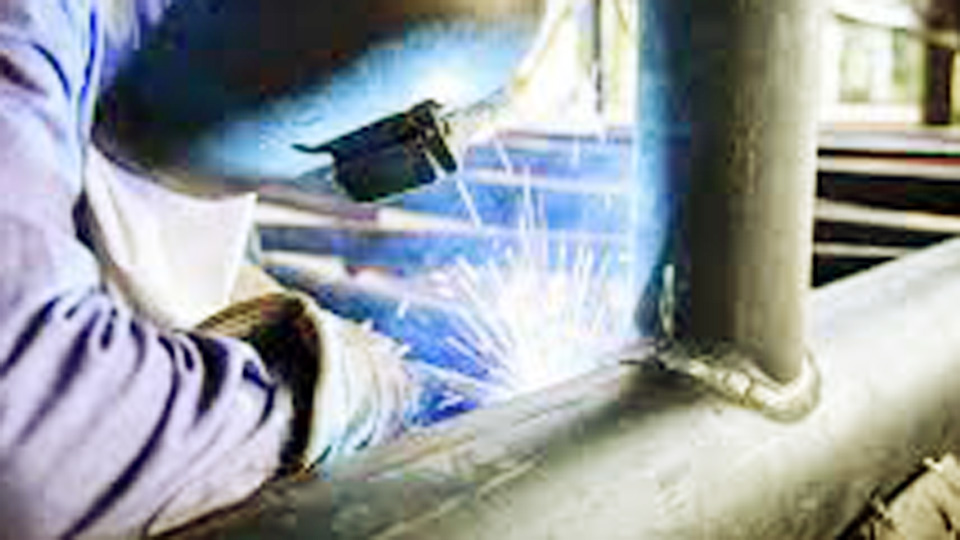
Image by aradbranding
Why Cleaning Mild Steel Matters
Mild steel is the backbone of countless welding projects—think structural beams, automotive frames, or custom furniture. But it’s also a magnet for rust, oil, grease, and mill scale, all of which can ruin your weld. A dirty surface leads to porosity, inclusions, or weak fusion, which can compromise safety and cost you time or money to fix.
I once rushed a job and welded over mill scale—ended up with a porous bead that failed inspection. Lesson learned: clean thoroughly, every time. Proper cleaning ensures your filler metal bonds correctly, your arc stays stable, and your welds meet codes like AWS D1.1 or ASME standards.
What Is Mild Steel and Why Does It Get Dirty?
Mild steel, also called low-carbon steel, is tough, affordable, and versatile, making it a go-to for welders. It typically contains 0.05-0.25% carbon, which gives it good weldability with processes like MIG, TIG, or stick. But mild steel loves to pick up contaminants. Mill scale forms during manufacturing, rust creeps in from moisture, and oils or grease hitch a ride from handling or machining.
These nasties block the arc’s heat from penetrating properly, leading to defects. Knowing how to clean mild steel means understanding what you’re up against—rust, scale, grease, and even paint or coatings.
Common Contaminants on Mild Steel
- Mill Scale: A thin, flaky oxide layer from hot rolling. It’s tough and resists welding heat.
- Rust: Iron oxide from moisture exposure. It’s porous and weakens welds.
- Oil/Grease: From machining, handling, or storage. It burns off unevenly, causing porosity.
- Paint/Coatings: Often found on repurposed steel. They can release toxic fumes when welded.
- Dirt/Dust: Can trap moisture or interfere with arc stability.
Tools and Materials for Cleaning Mild Steel
Before we get to the how-to, let’s talk gear. You don’t need a fancy setup, but having the right tools makes cleaning faster and more effective. Here’s what I keep in my shop for prepping mild steel.
Essential Cleaning Tools
- Angle Grinder: A 4.5-inch grinder with a flap disc or wire wheel is a workhorse for removing rust and mill scale.
- Wire Brush: Stainless steel bristles for manual scrubbing. Great for tight spots.
- Sanding Discs: 80-grit or finer for smoothing surfaces after grinding.
- Solvent/Cleaner: Acetone, denatured alcohol, or a degreaser like Simple Green for oil and grease.
- Shop Rags: Lint-free for wiping down surfaces.
- Safety Gear: Gloves, safety glasses, and a respirator to protect against dust and fumes.
- Sandblaster (optional): For heavy rust or scale on large projects. Not a must for DIYers but a time-saver for pros.
Safety First
Cleaning mild steel kicks up dust, sparks, and fumes. Always wear safety glasses and gloves. If you’re grinding or using solvents, a respirator is a must—especially in tight spaces. I learned this the hard way after inhaling grinder dust for a day and coughing for a week. If you’re welding afterward, double-check that all solvent residues are gone to avoid toxic fumes.
Step-by-Step Guide to Cleaning Mild Steel
Let’s get hands-on. Here’s how I clean mild steel before welding, whether it’s a small repair or a big fabrication job. Follow these steps, and you’ll have a surface ready for a clean, strong weld.
Step 1: Inspect the Steel
Start by eyeing up your workpiece. Is there rust, oil, paint, or mill scale? Check both sides of the joint. I once missed rust on the back of a plate, and it caused lack of fusion. Use a bright shop light to spot contaminants. If it’s a used or salvaged piece, expect extra grime.
Step 2: Remove Oil and Grease
Oil and grease are weld-killers. Grab a solvent like acetone or a degreaser. Soak a lint-free rag and wipe down the surface thoroughly. For stubborn grease, let the solvent sit for a minute before wiping. Work in a well-ventilated area—solvent fumes are no joke. Pro tip: don’t reuse dirty rags; they’ll just smear grease around.
Step 3: Tackle Rust and Mill Scale
For light rust or mill scale, a stainless steel wire brush works wonders. Scrub hard in a back-and-forth motion. For heavier buildup, fire up your angle grinder with a flap disc (60-80 grit) or wire wheel. Grind along the weld area, extending about an inch beyond the joint. Keep the grinder moving to avoid gouging the steel. I’ve seen newbies overgrind and thin out their material—go steady and check your progress.
Step 4: Smooth the Surface
After grinding, the surface might be rough, which can trap contaminants or affect arc stability. Switch to a finer sanding disc (80-120 grit) to smooth things out. You want a clean, slightly shiny surface. For TIG welding, where cleanliness is critical, I’ll sometimes finish with a 120-grit disc for an extra-smooth finish.
Step 5: Final Wipe-Down
Give the steel one last wipe with a clean rag and solvent to remove grinding dust or residual oils. Acetone dries fast and leaves no residue, making it my go-to. Ensure the surface is bone-dry before welding—moisture can cause hydrogen cracking, especially with stick or MIG.
Step 6: Check Your Work
Hold the steel under a light. It should look uniformly clean with no shiny oil patches, rust spots, or dull mill scale. If you’re welding to AWS or ASME codes, this step is critical—inspectors will reject dirty welds. I’ve had to redo a job because I missed a small patch of scale. Don’t skip this.
Cleaning Methods: Pros and Cons
Not all cleaning methods are created equal. Here’s a breakdown of the most common approaches, with pros and cons based on my experience.
| Method | Pros | Cons |
|---|---|---|
| Wire Brush | Cheap, portable, great for light rust | Slow for heavy scale, labor-intensive |
| Angle Grinder | Fast, effective for rust and scale | Creates dust, risk of overgrinding |
| Sandblasting | Cleans large areas quickly, uniform finish | Expensive setup, messy, not DIY-friendly |
| Chemical Cleaners | Removes oil/grease easily, no abrasion | Fumes, disposal issues, not for rust |
| Sanding Discs | Smooths surfaces, good for TIG prep | Slower than grinding, multiple grits needed |
Cleaning for Different Welding Processes
Each welding process has its own quirks when it comes to surface prep. Here’s how to clean mild steel based on what you’re welding with.
MIG Welding
MIG (GMAW) is forgiving but still needs a clean surface. Use an ER70S-6 filler wire for mild steel—it handles minor contaminants better than others. Clean off oil and rust with a grinder and solvent. A slightly rough surface (80-grit finish) is fine, as MIG filler spreads well. I set my MIG machine to 18-20 volts and 150-200 amps for 1/4-inch mild steel, adjusting for wire speed to avoid burn-through.
TIG Welding
TIG (GTAW) demands a spotless surface. Any oil or scale can cause arc wander or porosity. Use a 120-grit finish after grinding, and wipe with acetone for a mirror-like surface. For mild steel, I use ER70S-2 filler and set my TIG welder to 80-120 amps for 1/8-inch plate, with a sharp tungsten (2% thoriated, 1/16-inch). Argon shielding gas at 15-20 CFH keeps the weld pool clean.
Stick Welding
Stick (SMAW) is the most forgiving for mild steel. E7018 rods are my go-to for clean, strong welds. You can get away with light rust if you’re using E6011, but I still recommend a wire brush and solvent wipe. Set your machine to 90-120 amps for 1/8-inch rods on 1/4-inch steel. Too much current burns through, so start low and adjust.
Common Mistakes and Fixes
I’ve made my share of cleaning mistakes—here’s how to avoid them.
- Mistake: Leaving mill scale. It looks clean but resists welding heat. Fix: Grind it off completely; a shiny surface is your goal.
- Mistake: Using a dirty rag for solvent wiping. Fix: Use fresh, lint-free rags every time.
- Mistake: Overgrinding and thinning the steel. Fix: Move the grinder steadily and check thickness with calipers if needed.
- Mistake: Welding over wet solvent. Fix: Let acetone or alcohol evaporate fully before striking an arc.
- Mistake: Ignoring safety. Grinding dust and solvent fumes are hazardous. Fix: Wear a respirator and work in a ventilated area.
Joint Prep and Filler Compatibility
Cleaning isn’t just about the surface—it’s about setting up your joint for success. For butt welds, bevel edges (30-45 degrees) on plates thicker than 1/4-inch to ensure full penetration. A clean bevel is critical—grind it smooth and wipe with solvent. For fillet welds, ensure tight fit-up; gaps can trap contaminants.
Match your filler to the steel’s properties—ER70S-6 for MIG, ER70S-2 for TIG, or E7018 for stick. Mismatched fillers can cause cracking or weak welds. I once used an E6013 rod on a high-stress joint, and it cracked under load. Stick to the right filler for the job.
Real-World Applications
Let’s talk shop. Here’s how cleaning mild steel plays out in common US welding scenarios.
DIY Trailer Repair
You’re patching a rusty trailer frame. Wire brush light rust, grind heavy spots, and wipe with degreaser. Use MIG with ER70S-6 for quick, strong welds. Clean an inch beyond the weld zone to avoid porosity. I fixed my buddy’s trailer this way, and it’s still hauling years later.
Structural Steel Fabrication
You’re welding A36 steel beams for a building under AWS D1.1. Grind off mill scale with a flap disc, sand smooth, and wipe with acetone. Use stick with E7018 for clean, code-compliant welds. Proper cleaning ensures you pass UT or RT inspection.
Custom Automotive Work
Building a roll cage? TIG weld with ER70S-2 for precision. Clean the mild steel tubing to a mirror finish with 120-grit sanding and acetone. Any oil left behind will ruin your TIG bead’s appearance and strength.
Advanced Cleaning Tips for Pros
If you’re a seasoned welder, consider these tricks. For large projects, a sandblaster saves hours—use aluminum oxide media for mild steel. For precision TIG jobs, pickle the steel with a mild acid paste (follow safety guidelines) to remove oxides. If you’re welding galvanized steel, remove the zinc coating with a grinder or acid wash to avoid toxic fumes. I’ve used these on high-end jobs, and they make a difference in weld quality.
Conclusion
You’re now ready to tackle how to clean mild steel like a seasoned welder. From wiping off grease to grinding away rust and mill scale, proper cleaning sets the stage for strong, defect-free welds. Whether you’re MIG welding a trailer, TIG welding a custom part, or stick welding structural steel, these steps—inspect, degrease, grind, sand, wipe, and check—ensure your welds hold up to scrutiny and stress. You’ve got the tools, techniques, and know-how to prep mild steel for any project, saving time, money, and frustration.
Keep a dedicated solvent rag in a sealed container to avoid contamination—it’s a small trick that saves big headaches. Now, fire up your grinder, clean that steel, and weld with confidence!
FAQ
Why is cleaning mild steel important before welding?
Cleaning removes rust, mill scale, oil, and grease that can cause porosity, weak fusion, or cracks. A clean surface ensures better arc stability, stronger welds, and compliance with codes like AWS D1.1.
What’s the best way to remove mill scale from mild steel?
An angle grinder with a 60-80 grit flap disc is fastest and most effective. Follow with a wire brush or sanding disc for a smooth finish. For large projects, sandblasting works well but requires special equipment.
Can I weld mild steel without cleaning it?
You can, but it’s risky. Contaminants like rust or oil cause defects like porosity or lack of fusion. Stick welding with E6011 rods is more forgiving, but cleaning is still best for strong, reliable welds.
What solvent should I use to clean mild steel?
Acetone or denatured alcohol works great—they evaporate quickly and leave no residue. For heavy grease, try a degreaser like Simple Green. Always wipe with a clean, lint-free rag and ensure the surface is dry before welding.
How do I clean mild steel for TIG welding?
TIG requires a spotless surface. Grind off rust and mill scale with a flap disc, sand to a 120-grit finish, and wipe with acetone. Any contaminants can cause arc wander or porosity, ruining your weld.