One of the trickiest jobs I’ve had in the shop was figuring out how to repair rusted metal with holes without making the damage worse. Rust eats away at the metal thickness until you’re left with weak, thin spots that blow through the second you strike an arc — especially if you’re using too much heat or the wrong process.
Unlike welding fresh plate where you can rely on good penetration and puddle control, repairing rusted steel often means dialing in careful arc control, cleaning and prepping the joint properly, and sometimes even patching with new material or filler rods. Many welders struggle here because MIG, TIG, or stick all behave differently on compromised metal, and what works on stainless or heavy plate won’t work on thin, corroded steel.
Getting it right is more than just making it look good — it’s about restoring strength, safety, and saving the cost of replacing the whole part. Stick around, because I’ll share the exact shop-tested methods I use to repair rusted metal with holes and get solid, long-lasting results.
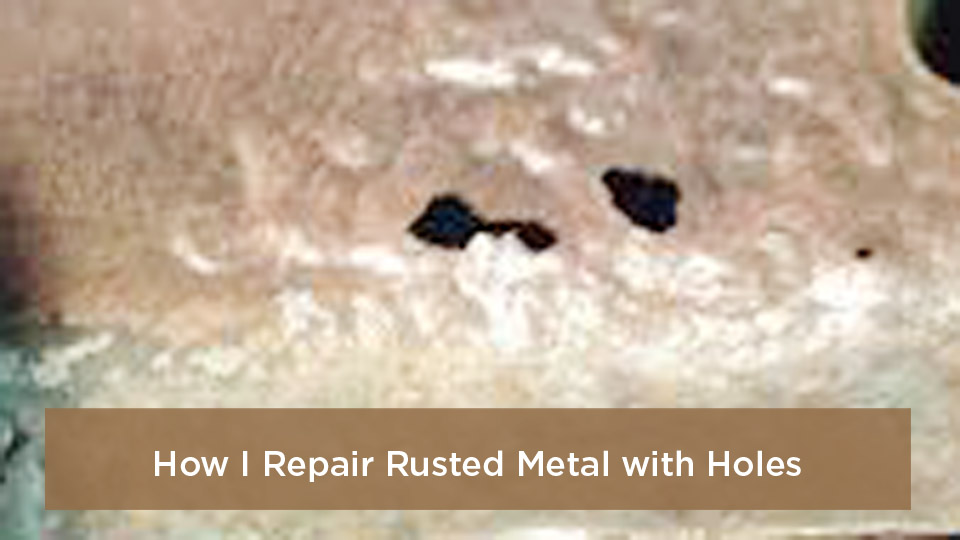
Photo by thesamba
What Causes Rust Holes in Metal and Why Fix Them Right Away
Rust starts innocent enough—a little orange flake here, a pit there—but give it moisture and oxygen, and boom, you’ve got corrosion turning solid steel into Swiss cheese. For us welders, it’s usually ferrous metals like mild steel that suffer most, especially in exposed spots like vehicle frames, fences, or machinery guards. I’ve seen it firsthand on a job site: a rusted bracket on a forklift gave way mid-lift, nearly dropping a load of rebar. Scary stuff.
The science is simple: iron oxidizes, forming iron oxide that flakes off and exposes fresh metal to the cycle. Holes form when it’s advanced, thinning the material until it perforates. Why rush the fix? Unchecked, it spreads fast—I’ve watched a quarter-sized spot eat through a fender in a single salty winter.
Safety first: weak metal fails under stress, violating OSHA guidelines for shop equipment. Weld integrity suffers too; rusty base metal leads to porous welds that crack under load. And cost? A quick patch beats buying new sheet stock every season.
If you’re a hobbyist, think of it as extending the life of your pride-and-joy project car. Pros, it’s about downtime—downtime costs bucks. Bottom line: spot it early, grind it out, and weld it strong. No drama, just durable metal.
Assessing Your Rust Hole: Is It a Quick Weld or a Full Patch Job?
Before you strike an arc, grab a flashlight and poke around. Not all rust holes are created equal. Small pinholes—say, under an inch—might just need filling with a bead. Larger ones, like that softball-sized crater in your toolbox drawer, scream for a patch panel. I’ve botched a few by jumping the gun, so here’s my rule: if the rust extends more than 2 inches around the hole or thins the metal below 16-gauge, cut it out entirely.
Start by cleaning the area with a wire wheel on your angle grinder. Does the rust bubble up when you tap it? That’s delamination—bad news for weld adhesion. Use a rust converter like POR-15 if it’s superficial, but for holes, it’s surgery time. Check material compatibility too: mild steel? Easy MIG. Stainless? Switch to TIG with 308 filler.
For DIYers, assess load-bearing: a decorative gate hole is low-stakes; a trailer frame isn’t. Students, remember AWS D1.1 codes for structural welds—call in a certified inspector if it’s critical. My tip: photograph before and after. It helps track progress and spot misses. If it’s too far gone, walk away—better a scrap pile than a liability.
Gear Up: Essential Tools and Safety for Welding Rust Repairs
Nothing kills momentum like forgetting your gloves mid-grind. Over 20 years slinging rods, I’ve learned a solid setup prevents burns, fumes, and frustration. For rust hole welding, you’re looking at MIG for speed on thin stuff—my go-to is a Hobart Handler 140 with .030 wire.
Core kit: MIG welder (gasless flux-core for outdoors), angle grinder with 4.5-inch flap discs (80-120 grit), cutoff wheels, C-clamps or magnets for holding patches, 14-18 gauge sheet metal for patches, and a copper backing bar for heat sinks. Don’t skimp on safety: auto-darkening helmet (shade 10-13), leather jacket, gloves, and a respirator for grinding dust. Fumes from galvanized metal? Nasty—work upwind.
Prep your space: ventilated shop or outdoors, fire extinguisher handy (rust sparks fly wild), and earplugs if your grinders scream. For hobbyists on a budget, Harbor Freight’s basics work fine—just calibrate your gas mix (75/25 argon/CO2). Pros, dial in your Miller Multimatic for pulse mode to cut spatter on rusty edges. Anecdote time: I once welded without grounding properly—arc wandered, blew a fuse, and singed my jeans. Lesson: double-check connections every session.
Cleaning and Prepping Rusted Metal for a Strong Weld
Prep is 80% of the job—rush it, and your weld pops like cheap popcorn. Start by stripping paint and scale. I hit the area with a 40-grit sanding disc until I see shiny base metal, at least 1-2 inches beyond the hole. Wire brush next for crevices; it’s like giving the metal a deep clean before surgery.
For stubborn rust, apply a converter—Eastwood’s works great—let it etch for 24 hours, then neutralize. Dry thoroughly; moisture in the weld puddle? Porosity city. If the hole’s in a tight spot, like a frame rail, use a die grinder with carbide burrs. Common mistake: grinding too aggressively and warping thin sheet. Fix: light passes, cool with compressed air between.
Joint prep matters. Bevel edges at 30 degrees for penetration, especially on butt joints. For patches, flange the hole with a nibbler tool—flats against flats for flush fits. My shop hack: vinegar soak overnight for scale, then rinse and dry. Students, note: clean metal = strong fusion. Skip this, and you’re welding to rust, not steel.
Step-by-Step: Welding Small Rust Holes with MIG Basics
This is for pinholes up to 1 inch—perfect for that leaky toolbox or fender bubble. I’ve fixed dozens this way on job-site quickies.
Step 1: Secure the area. Clamp a copper bar behind the hole—it sucks heat, prevents burn-through on thin metal. No copper? Aluminum foil taped up works in a pinch.
Step 2: Set your machine. For 18-gauge steel, .023 wire, 18-20 volts, 40-60 amps, 75/25 gas at 20 CFH. Flux-core if no gas—slower cleanup, but portable.
Step 3: Tack it. Start with a tiny spot weld at one edge, 1/4-inch bead. Cool 10 seconds, tack opposite. This pulls the hole tight without gaps.
Step 4: Stitch fill. Run 1/2-inch bursts, skip an inch, repeat around the perimeter. Pull the gun at 10-15 degrees; weave if needed for coverage. Watch the puddle—too hot, and it dips through.
Step 5: Backfill the center. Once edged, spiral inward with short pulses. Feels like darning a sock, but with sparks.
Step 6: Cool and inspect. Air blast to chill, then hammer any high spots flat. Grind flush with 80-grit—feather into surrounding metal.
Took me 15 minutes on a truck rocker last week. Tip for newbies: practice on scrap—the first one’s always ugly. If it cracks, grind out and retry with lower amps.
Patching Bigger Holes: The Pro Patch Panel Method
When the hole’s fist-sized or worse—like that rot in a barn door I patched last fall—time for a patch panel. This is lap welding gold: stronger than filling, follows AWS best practices for auto body.
Cut out the rust first: mark 1 inch beyond, use a plasma cutter or cutoff wheel for clean edges. I prefer plasma for speed—Hypertherm Powermax slices like butter.
Make your patch: 16-gauge mild steel, 1 inch oversized all around. Trace with a Sharpie on poster board template, cut with shears, flange edges with a brake or hammer/dolly for overlap.
Fit it: clamp or magnet in place, tack four corners. Stitch weld the lap seam—1-inch runs, 2-inch skips—to avoid warping. Overlap 1/2 inch minimum for bite.
For curved panels, like wheel wells, pre-bend with a slip roll. My mistake story: ignored the curve on a Jeep fender, fought clamps for hours. Fix: dry-fit multiple times.
Once welded, grind the seam, skim with body lead for smoothness. This held up through a muddy off-road trip—no leaks, no flex.
| Patch vs. Fill for Rust Holes | Pros | Cons |
|---|---|---|
| Direct Fill (Small Holes) | Quick, minimal material, no cutting | Weaker on thin metal, prone to cracking if not prepped |
| Patch Panel (Larger Holes) | Stronger joint, restores thickness, code-compliant | More time, needs sheet metal skills, higher heat risk |
Choosing the Right Filler Wire or Rod for Rusted Repairs
Filler choice is like picking boots for the job—wrong one, and you’re slipping. For MIG on mild steel rust holes, ER70S-6 wire shines: deoxidizers handle impurities, .030 diameter for versatility.
TIG folks, 4043 aluminum rod for non-ferrous, but stick to 7018 for steel—low hydrogen, strong on contaminated bases. Flux-core 71T-1 for no-gas sites; it’s forgiving on rust residue.
Compatibility tip: match base metal tensile strength—70 ksi for automotive. I’ve switched to silicon bronze for galvanized—less cracking, pretty fillets too.
Settings table for common rigs:
| Welder Type | Wire/Rod | Voltage/Amps | Gas | When to Use |
|---|---|---|---|---|
| MIG (Hobart 140) | .030 ER70S-6 | 19V / 120A | 75/25 | Everyday auto rust, thin gauge |
| Stick (Lincoln Idealarc) | 1/8″ 6011 | 90A | None | Hard-to-reach frame holes, rusty exteriors |
| TIG (Miller Syncrowave) | 3/32″ ER70S-2 | 100A | 100% Argon | Precision on clean preps, stainless patches |
Pro insight: always clean wire tips—dirty ones spit like a bad cigar. For students, start with ER70S-6; it’s idiot-proof.
Avoiding Pitfalls: Common Welding Mistakes on Rusty Metal
We all screw up—my first rust weld looked like a meteor crater. Biggest goof: welding over rust. It contaminates the puddle, causing blowholes. Fix: grind to bare, converter if needed.
Overheating warps panels; I bubbled a hood once. Solution: stitch technique, air cool every pass. Poor fit-up leads to undercut—tack more, grind less.
Safety slip: skipping PPE. Fumes hit me hard in a closed garage—dizzy for days. Ventilate, always. For fab hobbyists, rushing cleanup invites future rust. Prime welds same day.
Another: wrong polarity on MIG—reverses, weak arc. Check DC electrode negative. And ignoring codes? Fines await on commercial jobs. Learn from my pain: slow and steady seals the deal.
Finishing Touches: Grinding, Priming, and Protecting Your Weld
Weld’s done? Don’t call it quits—finishing makes it last. Grind excess with 36-grit flap disc, feather to 180 for blend. I use a dual-action sander for swirl-free; hand-file tight spots.
Prime ASAP: weld-through like SEM Self Etching covers backsides. Two coats, sand between. Top with epoxy primer for corrosion barrier—Rust-Oleum’s my shop staple.
Paint match: for vehicles, base/clear; for tools, hammer finish. Anecdote: skipped primer on a gate post—rusted again in a year. Now, I overdo protection: POR-15 inside holes, chassis paint out.
For longevity, wax the backside annually. Pros, follow SAE J400 for impact tests if structural. This step turns a patch into armor.
When to Skip Welding: Quick No-Weld Fixes for Minor Rust Holes
Not every hole needs sparks. For non-structural spots, like a mailbox flap, I’ve used J-B Weld epoxy—mix, clamp a mesh patch, sand smooth. Holds through hail storms.
Fiberglass kits: cut cloth oversize, resin saturate, layer in. Cheap, no heat. But pros/cons clear: great for speed, weak under load. Use when welding’s impractical, like tight engine bays.
My take: weld when you can—it’s forever. No-weld for prototypes or budgets.
Conclusion
Repairing rusted metal with holes isn’t rocket science—it’s shop smarts, patience, and the right arc. Now you’re armed with steps, settings, and stories to tackle that next rusty gremlin, whether it’s a weekend warrior fix or a pro turnaround.
Key takeaways: prep like your weld depends on it (it does), stitch for strength, and finish fierce against comeback rust. You’re more prepared because you know the why behind the how—welding’s about building trust in your work.
Go hit that hole with confidence; your metal (and wallet) will thank you. keep a “rust log” notebook—track fixes, what worked, what didn’t. It’ll make you faster than my old foreman.
FAQs
Can I Weld Over Rust Without Cleaning It First?
Short answer: No way—it’s a recipe for weak, porous welds that fail fast. Always grind to bare metal; a quick wire brush pass buys you nothing long-term. I’ve seen “quickies” crack under first stress.
What’s the Best Welder for Beginner Rust Hole Repairs?
MIG all day—affordable, forgiving on thin steel. Grab a 140-amp unit like the Eastwood MIG 140; pair with .030 wire. Skip TIG until you’re comfy; too finicky for rusty starts.
How Do I Prevent Rust from Coming Back After Welding?
Prime the weld and backside immediately with zinc-rich primer, then epoxy topcoat. Seal edges with seam sealer. For frames, undercoat yearly. My trailers last seasons longer this way.
Is TIG Better Than MIG for Patching Rust Holes?
TIG’s precise for clean, thin work—like custom fab—but MIG’s faster for rusty autos, handles contamination better. Use TIG if aesthetics rule; MIG for grunt repairs.
How Thick Should My Patch Metal Be for a Truck Bed Hole?
Match the original: 16-14 gauge for beds. Too thin burns through; too thick won’t flex right. Cut oversized, flange, and lap weld for bombproof hold.