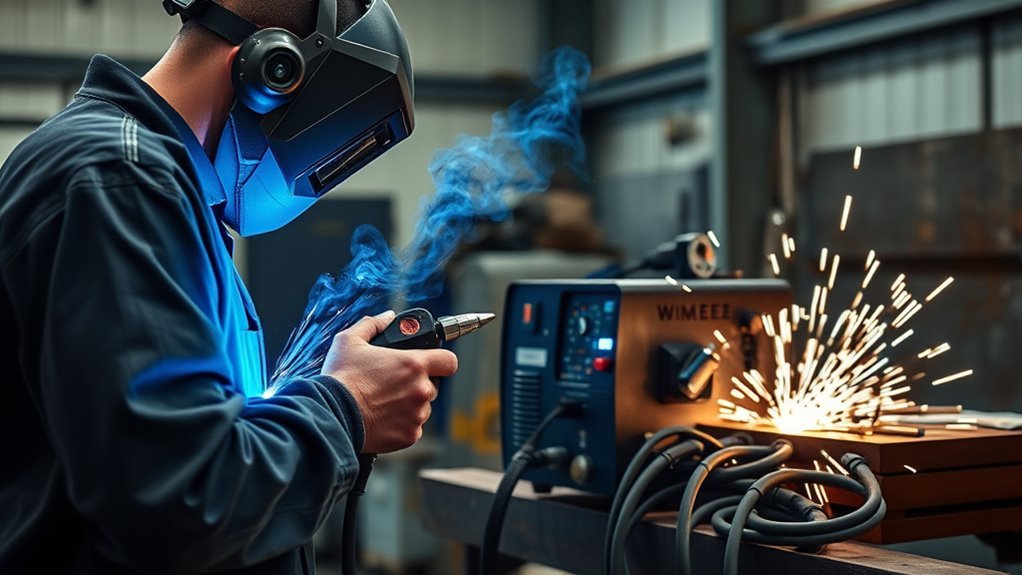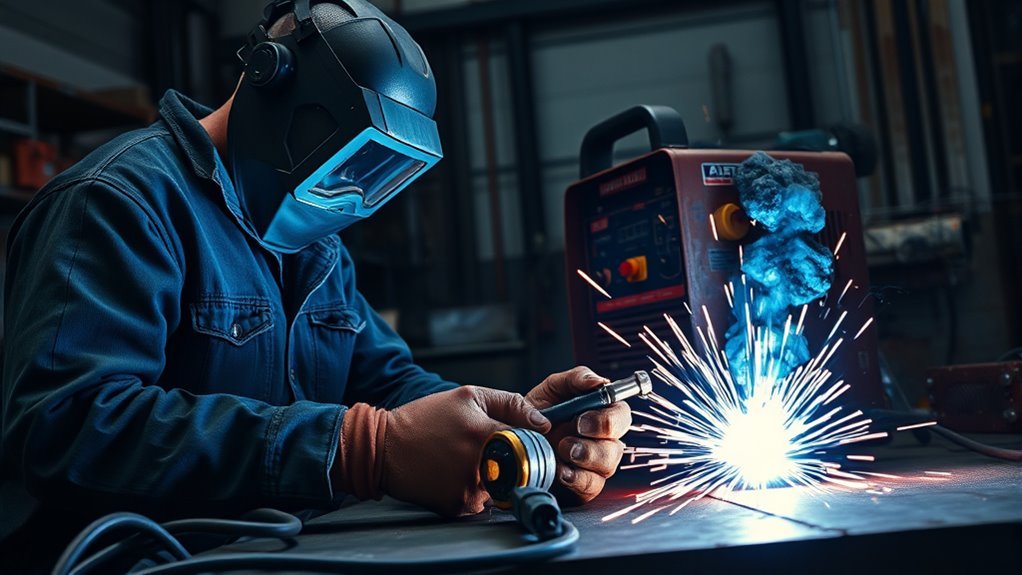
Welding magnesium automotive parts is possible, but it is not a casual repair job. Magnesium is light, reactive, easy to contaminate, and dangerous when chips, dust, or molten metal ignite. Before you strike an arc, confirm the part is repairable, identify the alloy, clean it correctly, set up Class D fire protection, and use a qualified TIG welding procedure.
Quick Answer
To weld magnesium automotive parts safely, use GTAW/TIG with clean magnesium-compatible filler, argon shielding gas, strict heat control, and verified OEM repair information. Never weld unknown, crash-critical, oil-soaked, or heavily cracked magnesium parts. Keep Class D extinguishing media nearby because water and CO₂ can make a magnesium fire worse.
Key Takeaways
- Confirm the part is actually magnesium and that the vehicle maker allows welding or repair.
- Use GTAW/TIG for the best control on magnesium, and match the filler rod to the base alloy when possible.
- Clean oil, paint, corrosion, and oxide immediately before welding to reduce porosity and cracking.
- Use low, controlled heat. Do not treat high preheat temperatures as universal magnesium advice.
- Keep dry Class D extinguishing media ready. Do not use water, foam, or CO₂ on burning magnesium.
At a Glance
| Time Required | 30 minutes to several hours, depending on cleaning, inspection, and part complexity |
| Difficulty | Advanced; best handled by a qualified TIG welder with magnesium experience |
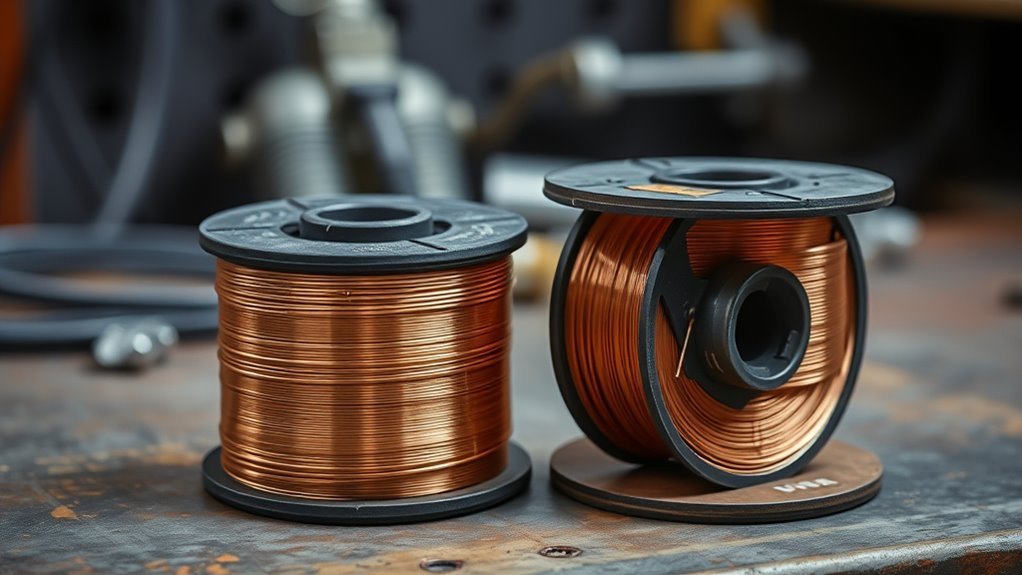
| Tools Needed | AC TIG welder, argon, magnesium filler rod, dedicated stainless brush, carbide burr, acetone or isopropyl alcohol, temperature crayons or infrared thermometer, PPE, Class D extinguisher or dry Class D powder |
| Cost | Usually low for consumables, but professional repair or replacement may cost far more if the part is structural or OEM-restricted |
Understanding the Unique Properties of Magnesium

Magnesium is used in automotive parts because it offers a high strength-to-weight advantage. Pure magnesium has a density of about 1.74 g/cm³, making it about one-third lighter than aluminum and roughly three-quarters lighter than steel by density.
Magnesium’s weight advantage is real, but its welding risk is real too: fine chips, dust, and molten magnesium can ignite and are not handled like ordinary steel or aluminum fires.
You may find magnesium alloys in steering wheels, seat frames, transmission cases, brackets, engine covers, paddle shifters, and specialty performance components. Common alloy families include AZ-series alloys, which contain aluminum and zinc, and AM-series alloys, which contain aluminum and manganese.
Magnesium also has high thermal conductivity and a stubborn oxide layer. That means the weld area can lose heat quickly, while contamination or oxide can still cause porosity, lack of fusion, and cracking. Mechanical cleaning and careful heat input management are essential for a sound weld.
Note: Do not assume a silver-gray automotive casting is magnesium. Aluminum, zinc-rich die castings, coated parts, and magnesium alloys can look similar. Use OEM service data, part markings, or material documentation before welding.
Can You Weld Magnesium Automotive Parts?
Yes, many magnesium alloys can be welded, but only when the part, alloy, damage type, and repair procedure allow it. A cosmetic crack in a noncritical cover is very different from a damaged seat frame, steering component, suspension bracket, or crash-energy part.
Before welding, check the vehicle maker’s repair manual or collision repair information. If the manufacturer says to replace the part, replace it. If the part is safety-critical and no approved welding procedure is available, do not repair it by guesswork.
When Not to Weld Magnesium Parts
Skip welding and choose replacement or specialist repair when any of these conditions apply:
- The part is structural, crash-related, steering-related, suspension-related, or seat-belt/seat-frame related and OEM repair data does not allow welding.
- The alloy is unknown or the part cannot be positively identified as weldable magnesium.
- The casting is oil-soaked, porous, badly corroded, or contaminated deep into the crack.
- The crack runs through a machined sealing face, bearing bore, threaded boss, or highly stressed mounting point.
- The part must be welded to steel, aluminum, or another dissimilar metal. Magnesium alloys are generally not fusion-welded to other metals because brittle compounds and galvanic corrosion can result.
- You do not have Class D fire protection, proper ventilation, PPE, and a safe hot-work area.
Warning: If magnesium catches fire, do not use water, foam, or CO₂. Burning magnesium can react with water and carbon dioxide. Use a Class D dry powder agent designed for combustible metals, or clean dry sand only when appropriate for a small, contained fire.
Essential Safety Precautions When Welding Magnesium
Magnesium welding starts with fire control, not torch setup. Clear the area before welding, remove nearby combustibles, and keep magnesium chips, dust, and grinding debris out of the work zone. OSHA’s hot-work rules require suitable extinguishing equipment and extra precautions when sparks, heat, or combustible materials create a fire risk.
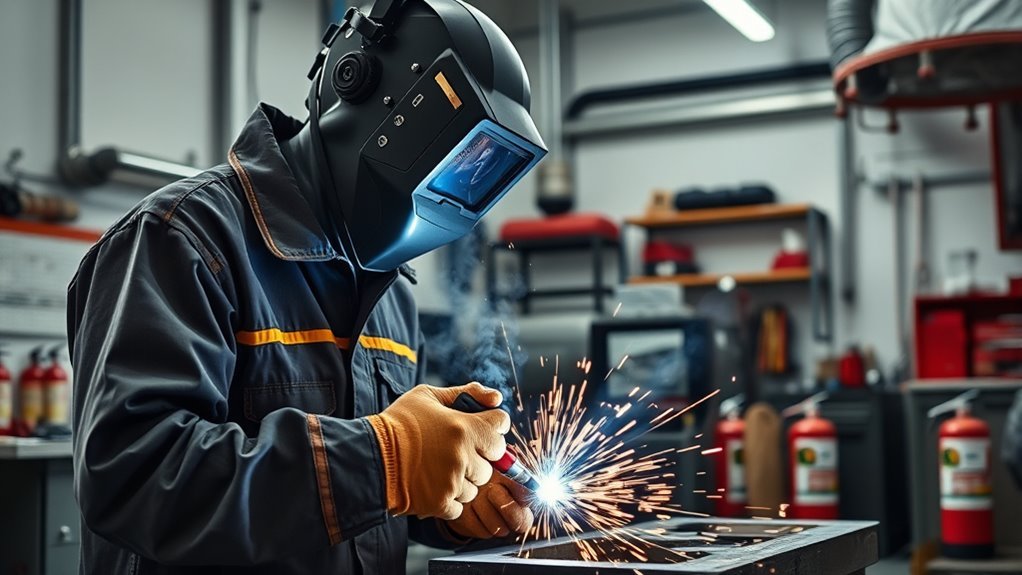
Keep a Class D extinguishing agent within reach when magnesium shavings, filings, powder, or similar combustible metal material may be generated. A normal ABC extinguisher is not the same as Class D dry powder. Use the agent specified for magnesium or combustible metals.
Wear a welding helmet with the proper shade, safety glasses, fire-resistant clothing, heat-resistant gloves, and closed leather footwear. Use local exhaust ventilation or a suitable respirator when ventilation cannot control fumes. Zinc-containing magnesium alloys and surface coatings can produce irritating or harmful fumes when heated.
Regularly clean your work area to remove magnesium shavings and dust, as these contribute to fire hazards. Additionally, maintaining a clean workspace is essential for overall safety when performing any welding operation.
Preparing Magnesium Parts for Welding
Good magnesium welds depend on clean metal. Paint, oil, grease, oxide, corrosion, sealant, road grime, and coolant residue can all cause porosity or cracking. Clean more area than you plan to weld so heat does not pull contamination into the puddle.
Surface Cleaning Techniques
Start by washing off heavy dirt with a safe, non-chlorinated cleaner. Then degrease the weld area with acetone or isopropyl alcohol and let it fully evaporate. Do not weld over wet solvent.
After degreasing, remove oxide and corrosion mechanically. Use a dedicated stainless steel brush, clean abrasive pad, or carbide burr that has not been used on steel or aluminum. Cross-contamination can leave particles in the weld and cause defects.
Utilize carbide burrs to effectively remove the magnesium oxide layer, which can cause inclusions during TIG welding magnesium. Ensuring complete cleanliness of both the base metal and filler rods is vital; any oxidation or contamination can compromise the integrity of your welds.
Warning: Do not clean magnesium with chlorinated brake cleaner, trichloroethylene, or other chlorinated solvents before welding. Heat and arc radiation can create highly toxic decomposition products.
Preheating Requirements
Preheating magnesium is not a one-size-fits-all step. Use the vehicle maker’s procedure, filler manufacturer’s guidance, or a qualified welding procedure specification. For many small or thin repairs, careful torch control is safer than heavy preheat.
For thicker magnesium sections, a low controlled preheat may help reduce thermal shock and improve travel speed. Keep it conservative and verify temperature with temperature crayons, an infrared thermometer, or thermocouples. Do not overheat the part, and do not use 250-350°C as a universal magnesium repair range unless a qualified procedure specifically calls for it.
Joint Preparation Methods
Proper joint preparation is vital for successful magnesium welding. Open cracks enough to remove contamination and allow full fusion. A shallow V-groove often works better than trying to wash over the top of a tight crack.
For a butt repair, maintain a small, even root gap if the procedure allows it. For a crack repair in a casting, drill a small stop hole only when appropriate and only after confirming the crack ends. For lap or flange areas, make sure you can clean and shield the joint fully.
Pre-fit the part before welding. Forcing a warped casting into position after welding can restart cracking. Between passes, regularly clean surfaces to maintain quality and reduce the risk of defects caused by re-contamination, addressing magnesium’s high reactivity effectively.
Recommended Welding Techniques for Magnesium

GTAW, commonly called TIG welding, is usually the preferred process for magnesium repair because it gives precise control over heat, puddle size, filler addition, and shielding gas coverage. It is slower than MIG welding, but the control matters on thin castings and small automotive parts.
Use AC TIG when oxide cleaning action is needed, and tune balance and amperage on scrap of the same alloy when possible. Use a stable arc, a short arc length, and steady travel speed. Do not dwell in one spot, because magnesium can overheat quickly once the puddle forms.
Select appropriate filler metals that match the base magnesium alloy as closely as practical. Common magnesium filler choices include AZ-series rods, but the right rod depends on the exact base alloy and service requirements. When in doubt, do not guess. Get the alloy data or use a qualified procedure.
Control your heat input by maintaining a steady travel speed and selecting the right amperage settings. This approach helps prevent warping and defects, ensuring a successful weld. Remember to maintain shielding gas flow to avoid contamination and ensure a clean weld.
Pro Tip: Practice on scrap magnesium before touching the actual part. Tune amperage, AC balance, travel speed, filler feed, and gas flow until the bead wets cleanly without soot, porosity, or edge melting.
Products Worth Considering

Premium AZ31B Magnesium Alloy Manufactured from premium AZ31B magnesium alloy featuring excellent strength-to-weight ratio, corrosion resistance, vibration damping and reliable welding performance. Ideal for professional welding, fabrication and engineering applications.
Premium AZ31B Magnesium Alloy Manufactured from premium AZ31B magnesium alloy featuring excellent strength-to-weight ratio, corrosion resistance, vibration damping and reliable welding performance. Ideal for professional welding, fabrication and engineering applications.
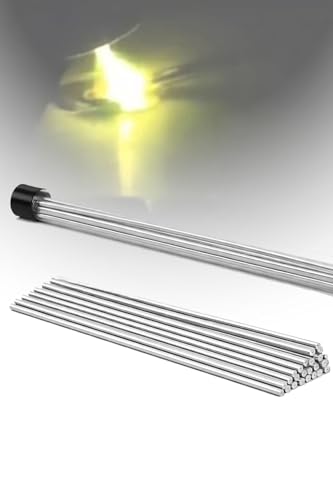
【Easy To Use】ER5356 Aluminum tig welding rod provides smooth arc stability and minimal spatter for clean weld seams, making it easier to achieve precise and visually appealing results.
Selecting the Right Shielding Gas and Filler Metal
When welding magnesium, selecting the right shielding gas and filler metal is critical for achieving strong joints.
For most thin automotive magnesium parts, pure argon is the practical starting point because it provides stable shielding and easy arc starts. For thicker sections, an argon/helium mix can add heat and penetration, but it can also make the puddle hotter and harder to control. Use helium blends only when the procedure and part thickness justify it.
Products Worth Considering

NO SOLDER POWDER NEEDED: These aluminum rods are flux cored welding rods, no need solder powder, no other materials are required, and it is easy to use.

ER308L STAINLESS STEEL: ER308L is a low-carbon stainless steel TIG welding rod for general-purpose welding where moderate corrosion resistance and cryogenic performance are required.

ER4043: Commonly referred to as “AlSi5", has a 5% silicon and is the oldest and one of the most widely used aluminum welding wires for general purpose applications.
Optimal Shielding Gas Mixtures
Selecting the right shielding gas and filler metal is essential for achieving high-quality magnesium welds, as the wrong combination can compromise weld integrity. Argon is the go-to shielding gas for many magnesium TIG repairs, offering excellent arc stability and protection from oxidation. For thicker sections, an argon/helium mixture may increase heat input and penetration.
| Shielding Choice | Best Use | Caution |
|---|---|---|
| Pure argon | Most thin TIG repairs and general magnesium work | Poor cup coverage or drafts can still cause oxidation |
| Argon/helium mix | Thicker sections that need more heat and penetration | Can make burn-through and overheating easier |
| Pure helium | Special procedures and high-penetration work | Harder arc starts and more heat; not ideal for most small repairs |
| CO₂ or active gas | Not suitable for magnesium TIG shielding | Can oxidize or contaminate the weld |
Choosing Suitable Filler Metals
Use filler metal that is compatible with the base alloy, expected service temperature, corrosion exposure, and strength requirement. Magnesium filler rods must be clean, dry, and free from oxidation. Wipe rods before use and keep them inside the shielding gas envelope when feeding into the weld pool.
Always prioritize cleanliness. Oxidized filler can compromise weld integrity. Matching your filler metal to the base alloy composition not only improves joint strength but also supports corrosion resistance.
Importance of Gas Purity
Gas purity plays an essential role in the welding process for magnesium parts, directly influencing weld quality and structural integrity.
- Use clean inert gas: Choose argon or a procedure-approved argon/helium mix.
- Check flow and coverage: Avoid drafts, leaks, loose fittings, and too much flow that creates turbulence.
- Keep filler rods clean: Wipe filler and store it dry to prevent oxide and moisture contamination.
- Shield the crater: Hold post-flow over the weld as it cools to reduce oxidation and crater cracking.
Identifying and Overcoming Common Welding Challenges in Magnesium
When welding magnesium, recognizing and addressing common challenges is vital for strong, safe joints. Do not rely on quick acid tests or color alone to identify the metal. Use OEM information, part numbers, alloy markings, service manuals, or lab verification when the part’s identity matters.
Next, remove the oxide layer completely through mechanical cleaning or approved chemical methods to prevent inclusions. High zinc content in some magnesium alloys can increase cracking sensitivity, so filler selection and heat control matter.
Additionally, oil intrusion in magnesium castings complicates welding, making thorough cleaning with solvents like acetone essential. If oil keeps bleeding from a porous casting during preheat or welding, replacement may be safer than chasing contamination through repeated weld passes.
Given magnesium’s high flammability in chip, dust, and molten form, strict safety measures are non-negotiable. Always have fire extinguishing media on hand and keep your work area clean of shavings and dust. Moreover, using dedicated tools for stainless can help avoid cross-contamination when working with mixed metals.
Magnesium Welding Troubleshooting
| Problem | Likely Cause | Fix |
|---|---|---|
| Porosity | Oil, moisture, oxide, poor shielding, contaminated filler | Re-clean, remove more oxide, improve gas coverage, use clean filler |
| Cracking | Wrong filler, excessive restraint, too much heat, wrong alloy | Confirm alloy, reduce restraint, control heat, use compatible filler |
| Black soot or dull bead | Oxidation, poor gas coverage, arc too long, dirty base metal | Shorten arc, check gas flow, clean again, protect from drafts |
| Burn-through | Too much amperage, slow travel, thin casting edge | Lower amperage, move faster, pulse if qualified, add filler sooner |
| Recurring contamination | Oil-soaked porous casting or hidden crack contamination | Stop and reassess; replacement may be safer than repeated welding |
Best Practices for Successful Magnesium Welding Projects

To achieve successful magnesium welding projects, thorough preparation and adherence to best practices are crucial. Follow these guidelines to improve safety and weld quality:
- Confirm repairability: Check OEM service information and never weld a safety-critical part without an approved procedure.
- Clean surfaces: Use acetone or isopropyl alcohol plus mechanical oxide removal to prepare the weld zone.
- Select TIG welding: GTAW/TIG offers control and a stable arc. Use compatible magnesium filler material.
- Control shielding gas: Maintain proper coverage with argon or a procedure-approved argon/helium mix.
- Control heat input: Adjust welding speed and amperage to prevent excessive heat, warping, and cracking. Proper fillet weld sizing is essential, especially when working with different plate thicknesses.
- Inspect the repair: Look for cracks, porosity, undercut, distortion, and poor fusion before the part returns to service.
After welding, use a suitable post-weld inspection method for the part’s role. A visual inspection may be enough for a noncritical cosmetic cover, but structural or pressure-retaining parts may need dye penetrant testing, pressure testing, or replacement instead of repair.
Restore corrosion protection after welding. Magnesium can corrode quickly when bare metal is left exposed, especially around road salt and moisture. Clean the finished repair, apply approved conversion coating or primer when specified, and seal the part according to its service environment.
Frequently Asked Questions
What can you weld magnesium with?
Magnesium is usually welded with GTAW/TIG using inert shielding gas, most often argon, and a magnesium-compatible filler rod. The correct filler depends on the base alloy and the service requirements of the part.
Is magnesium easy to weld?
No. Magnesium requires clean metal, proper shielding, careful heat control, compatible filler, and strong fire precautions. It is more demanding than many common steel repairs and should not be attempted on unknown or safety-critical automotive parts.
Should magnesium parts be gas welded?
For most automotive repair situations, no. TIG welding is usually preferred because it gives better control over heat, filler, and shielding. Gas welding should only be used when a qualified procedure specifically allows it.
How do you weld magnesium metal safely?
Confirm the alloy and repairability, clean the part thoroughly, remove oxide, set up Class D fire protection, use TIG with inert gas, match the filler to the alloy, keep heat low and controlled, and inspect the weld before returning the part to service.
Can you use water on a magnesium fire?
No. Water can react with burning magnesium and release hydrogen, which can intensify the fire. Use a Class D dry powder extinguishing agent designed for combustible metals, or clean dry sand only for a small, contained fire when suitable.
Conclusion
Welding magnesium automotive parts requires more than a steady hand. You need verified part information, a safe hot-work setup, clean metal, compatible filler, strong shielding, and careful heat control. If the part is structural, unknown, oil-soaked, badly cracked, or not approved for repair, replacement is the safer choice. When a magnesium repair is allowed, TIG welding with disciplined preparation gives you the best chance of a clean, safe, reliable result.
Sources
- OSHA 29 CFR 1910.157 Portable Fire Extinguishers — Class D extinguishing agent requirements for combustible metal work areas.
- OSHA 29 CFR 1910.252 Welding, Cutting, and Brazing General Requirements — hot-work fire prevention, fire watch, and extinguisher readiness.
- International Chemical Safety Card 0289: Magnesium Powder — magnesium fire and handling hazards.
- Royal Society of Chemistry: Magnesium — magnesium properties and density reference.
- Gas Tungsten Arc Welding overview — GTAW/TIG shielding gas and magnesium welding process background.