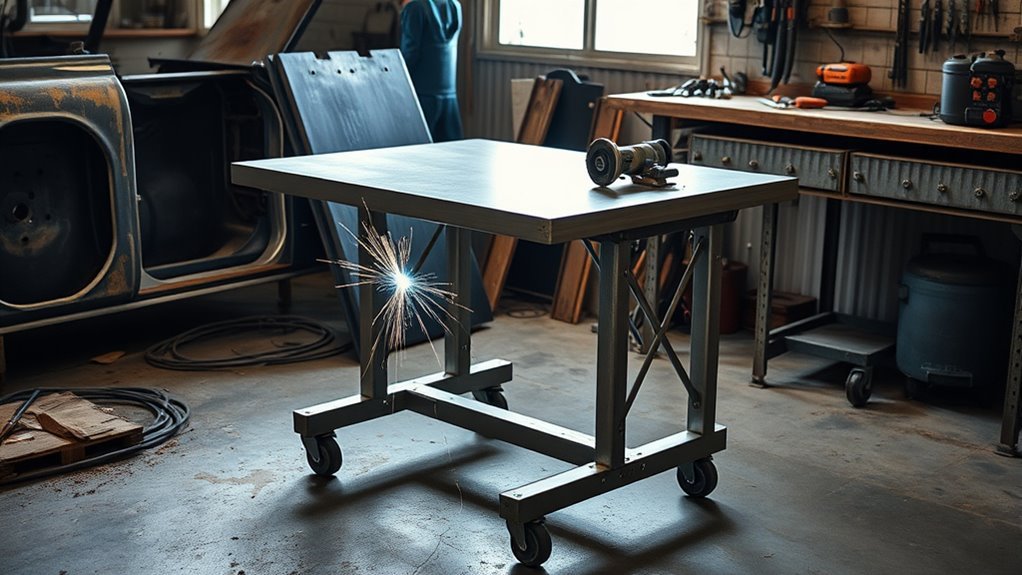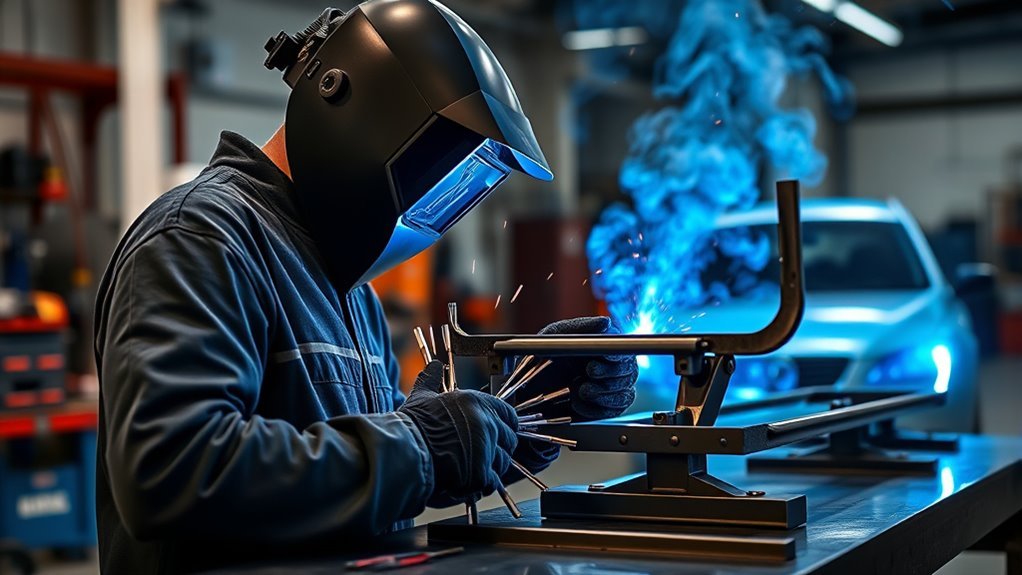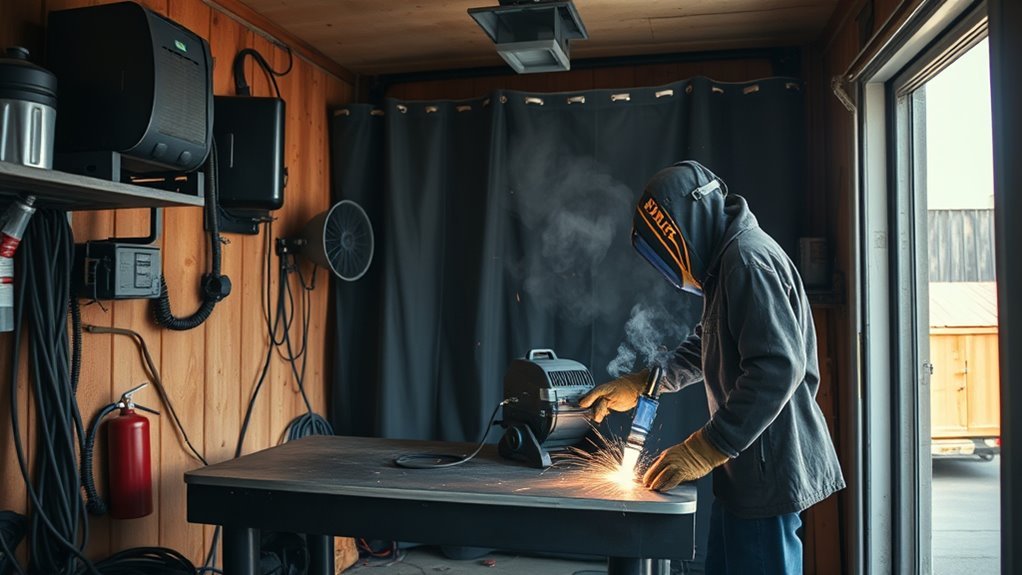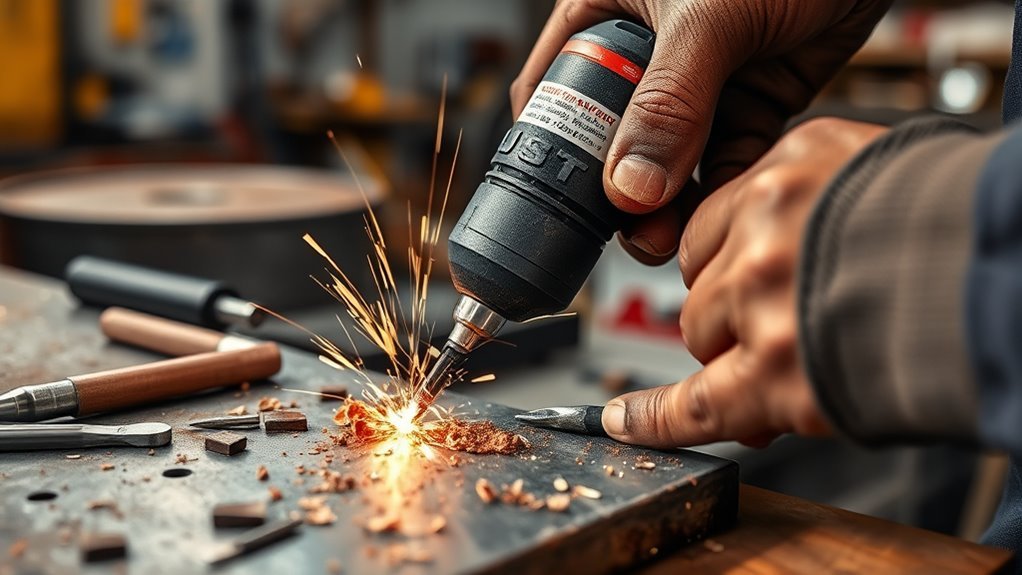
You remove spot welds cleanly by finding the weld center, choosing the right cutter, and stopping as soon as the weld nugget releases. For most automotive body panels, a spot weld cutter gives the cleanest result because it cuts around the weld instead of drilling away a large area. Drill bits, carbide burrs, and grinders still have a place, but each one needs careful depth control so you do not damage the panel you want to keep.
Quick Answer
The best way to remove spot welds is to mark the weld center, make a small center-punch divot, then use a spot weld cutter sized slightly larger than the weld nugget. Cut only through the top layer, pry gently to test release, and finish stubborn spots with a drill bit, carbide burr, or small grinder.
Key Takeaways
- Use a spot weld cutter first when you want to save the lower panel.
- Center-punch each weld so the cutter or bit does not skate across the sheet metal.
- Stop often and check the cut depth. The goal is to separate the weld, not drill through both panels.
- Use a carbide burr in tight areas where a drill or cutter cannot sit square.
- Wear eye protection, gloves, hearing protection, and a respirator when grinding paint, coating, or seam sealer.
At a Glance
| Time Required | 15 to 60 minutes for a small bracket or panel edge; longer for a full body panel with many welds. |
| Difficulty | Moderate. The hard part is controlling depth without damaging the panel underneath. |
| Tools Needed | Spot weld cutter, drill, center punch, hammer, cutting fluid, panel separator, small pry tool, carbide burr or grinder for tight spots, vacuum, PPE. |
| Cost | About $15 to $80 for cutters, bits, lubricant, and consumables if you already own a drill or die grinder. |
Warning: Spot weld removal throws sharp chips and sparks. Wear ANSI-rated eye protection, gloves, hearing protection, and a face shield when grinding. Remove flammable materials from the work area, keep an extinguisher nearby, and avoid grinding or welding through paint, galvanizing, seam sealer, solvent residue, or undercoating without proper cleaning and ventilation. OSHA requires suitable eye and face protection for hazards such as flying particles and molten metal.
Choose the Right Spot Weld Removal Method
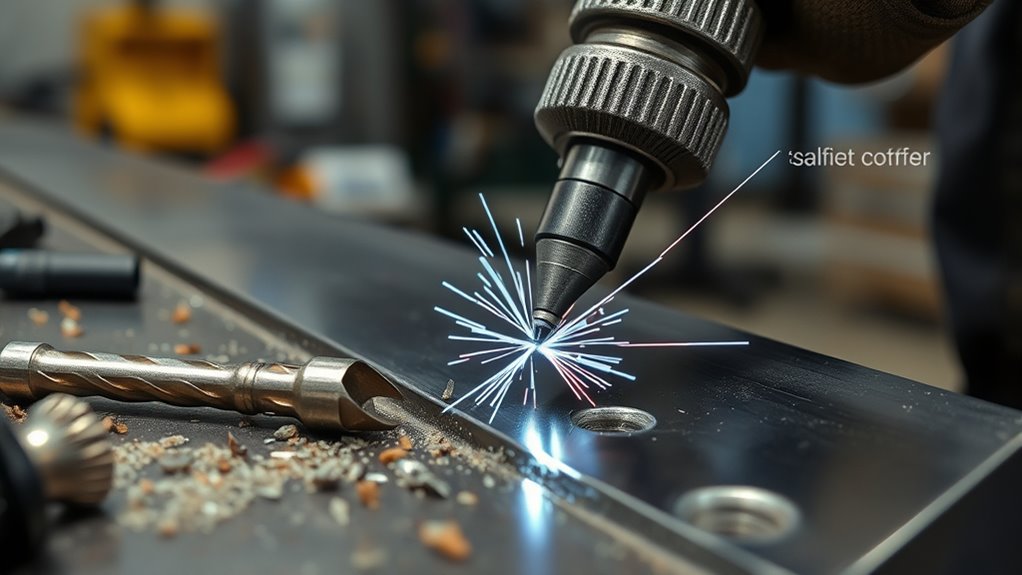
Match the tool to the weld size, panel thickness, and access angle. A spot weld cutter is usually the best first choice when you want to save the panel underneath. It cuts around the weld nugget and leaves a smaller, cleaner repair area than a large standard drill bit.
A spot weld drill bit works well on tough or oversized welds, especially when the top panel will be replaced. Choose a bit that is only large enough to release the weld. A bit that is too large can thin the lower panel, leave oversized holes, and make the repair harder to finish.
A carbide burr in a die grinder is best when the weld sits in a corner, flange, wheel opening, or other tight area where a drill cannot sit flat. A small grinder can help on scrap-side metal, but it creates heat quickly and can remove too much base metal if you lean on it.
| Tool | Best Use | Main Risk |
| Spot weld cutter | Open-access welds where you want to save the lower panel. | Cutting too deep if you do not stop and test the release. |
| Spot weld drill bit | Hard, large, or uneven welds where a cutter chatters. | Oversized holes and lower-panel thinning. |
| Carbide burr | Corners, flanges, brackets, and tight spaces. | Heat buildup and accidental gouging. |
| Small grinder | Scrap-side metal when panel preservation is not important. | Excess heat, sparks, and metal loss. |
Match the cutter to the weld, not the whole flange. The smaller and more centered the cut, the easier the panel is to repair afterward.
Products Worth Considering

18-Pack Comprehensive Kit: The spot weld removal tool kit includes 2 pcs spot Weld Drill, 8 pcs replacement cutting blades and 4 pcs pilot pin replacement. 3 pcs spot weld drill bits include 1/4in (6.5mm), 5/16in (8mm), 3/8in (10mm)—It is easy to replace when the cutter blades begin to dull.

ADVANCED COBALT & TITANIUM COATED HSS MATERIAL Our cobalt spot weld drill bit set is made of premium high‑speed steel (HSS) with a dual cobalt and titanium coating. This advanced surface treatment significantly increases hardness, reduces friction, and provides long‑lasting durability for continuous use on auto body panels. Designed to meet all your daily spot weld removal needs.

Durable Material : The preferred material used was top-quality steel which has excellent thermal resistance.The cutting blade has a diameter of 3/8 inches, and the arbor is of standard 1/4 inch size.
How Spot Weld Cutters Work
A spot weld cutter works like a small hole saw. The center pin or pilot point sits in the center-punch mark, and the cutting edge circles the weld nugget. This lets you cut through the top sheet while leaving most of the lower sheet intact.
Use low to medium drill speed, steady pressure, and cutting fluid or light lubricant. High speed can overheat the cutter, dull the teeth, and harden the work area. If the cutter turns blue, smokes, or stops biting, back off and let the tool cool.
Products Worth Considering

Durable HSS Construction: Our spot weld cutter set is made of HSS for better durability and wear resistance. The double-sided blades ensure long-term use and consistent performance, making it the ideal tool of choice for metal cutting

High-Quality Material: Spot Weld Cutter Tool is made from premium HSS (High-Speed Steel) for superior durability and heat resistance. The sturdy construction ensures long-lasting performance, even in tough metalworking tasks.

Spot Weld Cutter Kit: It is easy to replace when the cutter blades begin to dull. The spot weld removal tool kit includes 2 complete spot weld cutters, 11 replacement 3/8" double-sided cutter blades, 2 replacement center pins, and a storage case
Cutter Design and Function
The cutter’s guide pin keeps the tool centered, while the cutting wheel removes only the ring of metal around the weld. This is why it is useful on automotive panels, brackets, radiator supports, rocker flanges, and similar lap joints.
Pick a cutter close to the weld diameter. Too small and the weld may not release. Too large and you remove extra metal that you may need for plug welding or panel fit-up later.
Centering and Cutting Process
Clean enough paint or coating to see the weld clearly. Then mark the center with a fine scribe, paint pen, or marker. Set a sharp center punch on the mark and tap it with a hammer to make a shallow divot.
Place the cutter’s pilot in the divot, hold the drill square to the panel, and start slowly. Keep the tool flat. If the drill leans, the cutter can walk, chatter, or cut deeper on one side.
Pro Tip: After every few seconds of cutting, stop and test the panel with a thin separator. If the edge starts to lift, the weld is nearly free. Do not keep drilling just because the cutter has not punched through.
Use Drill Bits for Tough Welds
A drill bit is useful when the spot weld is oversized, uneven, hardened, or already damaged. A flat spot weld drill bit with a self-centering tip gives better control than a standard twist bit because it is less likely to wander.
If you use a standard bit, start with a small pilot hole and step up gradually. The final size should be just large enough to release the weld nugget. Avoid drilling through both layers unless the lower panel will be replaced or repaired afterward.
- Center-punch the weld before drilling.
- Start with low speed so the bit bites cleanly.
- Use cutting fluid or soapy water to reduce heat.
- Stop when you see the top panel separate from the lower panel.
- Replace dull bits before they slip and scratch the panel.
Drill bits remove more material than a proper spot weld cutter, so use them with patience. When the lower panel must stay clean, check depth often and finish the last bit of material with a panel separator instead of forcing the drill.
When to Use a Carbide Burr
Use a carbide burr when a cutter or drill cannot sit square on the weld. A small round or ball-shaped burr in an electric or air die grinder lets you work inside corners, around brackets, and along curved flanges.
Keep the burr moving and use light pressure. If you hold it in one spot, it can gouge the base metal or create heat marks. Work from the scrap side when possible, especially on panels you plan to replace.
Quick Material Removal
A carbide burr removes weld material fast, but speed is not the main goal. Control is. Use short passes, then stop and inspect the surface. You should see the weld nugget thin out before the lower panel is damaged.
- Hold the grinder with two hands when space allows.
- Use a light touch and let the burr cut.
- Vacuum chips often so you can see the weld edge.
- Pause when the panel starts to separate.
Tight Space Control
In tight spaces, remove less metal than you think you need, then test the seam. A narrow panel separator, putty knife, or seam splitter can show whether the weld is still holding. If it is, remove a little more from the center of the weld and test again.
| Choice | Result |
| Spot weld cutter | Best for flat, open access. |
| Carbide burr | Best for corners and tight flanges. |
| Steady hand | Cleaner cut with less gouging. |
| Controlled feed | Less heat, less tool chatter, and better panel control. |
Mark and Center the Weld
Good spot weld removal starts before the tool touches the panel. Expose the welds with an 80-grit disc, wire wheel, or light sanding. Remove only enough paint or primer to see the circular weld marks.
Measure or compare the weld size, then choose a cutter that is slightly larger than the nugget. Mark the exact center and use a metal punch to make a small divot. The divot gives the cutter’s guide pin or drill point a fixed start point.
- Clean the area until every weld is visible.
- Circle each weld with a marker so you do not miss one.
- Center-punch every mark before cutting.
- Keep the drill square to the panel.
- Cut slowly and check depth often.
Note: Do not remove structural welds from a vehicle frame, pillar, rocker, rail, or crash-management part unless you have the vehicle repair procedure and know which panel is being replaced. Modern vehicles may use high-strength steel, adhesives, rivets, weld-bonding, and specific replacement locations.
Remove Spot Welds Without Panel Damage
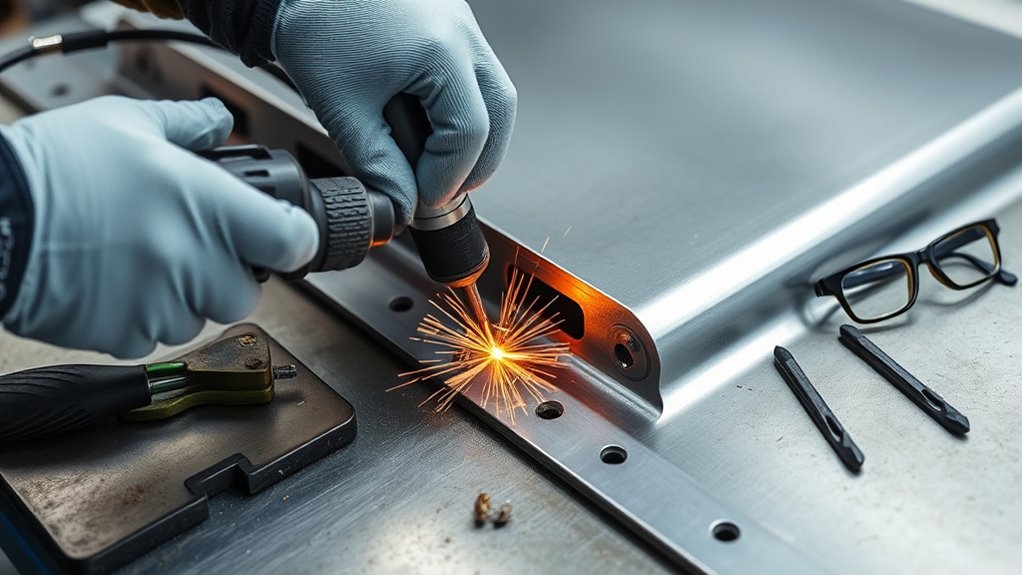
To save the lower panel, cut only through the top sheet. Watch the sound and feel of the cutter. When it breaks through the first layer, resistance often changes. Stop, clean the chips, and test the joint with a thin panel separator.
If the panel does not move, do not pry hard enough to bend it. Instead, look for a missed weld, a hidden seam sealer bond, or a small part of the nugget that still connects the sheets. Remove that small area and test again.
After each cut, vacuum the chips and inspect the surface. Sharp shavings can scratch paint, hide cracks, and contaminate the next weld area. Clean metal also makes it easier to see whether the joint has fully released.
Step-by-Step Spot Weld Removal Process
Use this sequence when removing a bracket, flange, or replacement body panel. Work slowly. A clean release is faster than repairing thin or gouged metal later.
- Inspect the repair area. Find every spot weld and check whether the part is structural, layered, bonded with adhesive, or attached with rivets.
- Clean the surface. Remove paint, seam sealer, rust, and dirt only as needed to reveal the weld centers. Use ventilation and respiratory protection when dust or coatings are present.
- Mark each weld. Circle each weld with a marker so you do not skip hidden welds along the flange.
- Center-punch the weld. Make a small divot in the center of each weld to guide the cutter or drill bit.
- Cut the top layer. Use a spot weld cutter at low to medium speed with steady pressure and lubricant.
- Test the release. Slide a panel separator under the edge and lift gently. If it does not move, stop and inspect rather than forcing it.
- Finish stubborn spots. Use a small drill bit, carbide burr, or grinder only where the weld is still attached.
- Separate the panels. Work along the seam gradually. Do not twist the panel hard enough to distort the flange you plan to reuse.
- Clean and inspect. Vacuum chips, remove sharp edges, and check for cracks, holes, thinning, or heat damage.
- Prep for repair. Straighten the flange, dress high spots, apply corrosion protection where appropriate, and follow the replacement panel procedure before welding.
Match the Method to the Job
Choose the least aggressive method that will release the weld. If you need the lower panel to stay intact, start with a spot weld cutter. If the top panel is scrap and access is poor, a burr or grinder may be faster. If the metal is thick or the weld is unusually hard, a spot weld drill bit may be the better choice.
A plasma cutter is usually not the right tool for clean auto body spot weld removal. It can be useful only when cutting away scrap-side material where heat, slag, and panel loss do not matter. For thin sheet metal, it is easy to create more repair work than you save.
Clean Up and Prep the Weld Area
Once the welds are out, remove chips, burrs, and loose coating. Use a vacuum first, then a clean cloth. Avoid blowing chips into seams, door cavities, or rocker panels where they can hold moisture.
Dress raised rings with a small abrasive disc or file. Keep the tool flat and remove only the high spots. If you cut into the lower panel, plan the repair before welding. Small holes may be plug welded later, but thin or torn metal may need patching or panel replacement.
Before welding the panel back together, follow the vehicle or product repair procedure. Use the recommended weld type, plug-weld size, spacing, adhesive, and corrosion protection. Clean coatings that can create toxic exposure, and use ventilation or local exhaust when fumes are possible. OSHA notes that welding fumes can include harmful metals and process gases, and that local exhaust ventilation can help remove fumes from the breathing zone.
Troubleshooting Common Spot Weld Removal Problems
If the weld will not release, the problem is usually depth, alignment, hidden attachment points, or adhesive. Check these issues before using more force.
- The cutter keeps walking: Re-punch the center mark, lower the drill speed, and hold the drill square.
- The cutter chatters: Use cutting fluid, reduce pressure, and make sure the cutter teeth are sharp.
- The panel will not separate: Look for a missed weld, seam sealer, adhesive, or a weld nugget that is only partly cut.
- You cut through both layers: Stop and inspect the lower panel. Do not continue until you know whether that area can be plug welded, patched, or replaced.
- The metal turns blue: You are building too much heat. Slow down, use lubricant, and let the metal cool.
- The flange bends while prying: Use less pry force and cut more of the weld nugget before testing again.
Frequently Asked Questions
What is the easiest way to remove spot welds?
The easiest method is usually a spot weld cutter with a center pin. Clean the weld, center-punch it, place the pilot in the divot, and cut through only the top layer. Then test the joint with a panel separator before cutting deeper.
How do you remove welding spots without damaging the panel?
Use a cutter sized close to the weld nugget, keep the drill square, and stop as soon as the top sheet releases. Do not pry hard. If the seam will not move, a missed weld or hidden adhesive is often still holding it.
What is the best tool for removing spot welds?
A spot weld cutter is the best all-around tool when the weld is easy to reach and you want to save the lower panel. Use a spot weld drill bit for hard welds and a carbide burr for tight corners or awkward flanges.
Can you use a regular drill bit to remove spot welds?
Yes, but a regular bit is more likely to wander and remove extra metal. Center-punch the weld first, start with a small pilot hole, step up only as needed, and stop before drilling through the panel you want to keep.
Should you grind spot welds off?
Grinding can work on scrap-side metal, but it is easy to overheat or thin the panel. Use a grinder only when a cutter, drill, or burr cannot reach, and keep sparks away from glass, trim, wiring, fuel lines, and flammable materials.
What should you do after removing spot welds?
Vacuum chips, deburr the flange, inspect for cracks or thin spots, straighten bent edges, and prep the mating surfaces for the next repair step. Before welding again, follow the vehicle repair procedure and use proper corrosion protection.
Sources
- OSHA 1910.133, Eye and Face Protection – supports PPE guidance for flying particles, molten metal, and eye hazards.
- OSHA 1910.252, Welding, Cutting, and Brazing General Requirements – supports fire prevention, fire watch, and hot-work precautions.
- OSHA Fact Sheet: Controlling Hazardous Fume and Gases during Welding – supports coating cleanup, ventilation, and fume-control guidance.
- Improved Training Strategies for Physics-Informed Neural Networks using Real Experimental Data in Aluminum Spot Welding – supports the importance of resistance spot welding and weld nugget measurement in automotive body-in-white work.
- Schema.org HowTo – supports the step-based structured data format used for this how-to article.
- Schema.org FAQPage – supports the FAQ structured data format used for the FAQ section.
Conclusion
Spot weld removal is cleanest when you work slowly and control the cut. Mark the weld, center-punch it, use the least aggressive tool that fits the job, and stop as soon as the top layer releases. A spot weld cutter handles most open areas, while drill bits and carbide burrs solve tougher or tighter spots. Once the panel is free, clean the chips, inspect the flange, and prep the metal properly so the next weld or panel repair starts from a strong, clean surface.