

Back when I first struck an arc in a cramped garage corner, I thought my biggest challenge would be dialing in the right settings for different rods and metal thickness. But I learned the hard way that even perfect arc control and joint prep don’t mean much if you’re not wearing the right protective clothing. Arc welding throws off intense UV light, spatter, and heat that can burn skin faster than you’d expect — whether you’re running stick, MIG, or TIG on stainless or mild steel. If you’re new, think in terms of arc welding protective clothing from head to toe.
I’ve seen guys try to weld in regular cotton shirts or thin gloves, only to end up with burns, ruined sleeves, or worse, compromised safety that distracts from laying down a clean bead. The truth is, protective gear isn’t just about comfort — it directly affects weld quality, focus, and even long-term health. So let’s break down exactly what protective clothing you need in arc welding, why it matters, and how to gear up smart so you can weld safer, longer, and better.
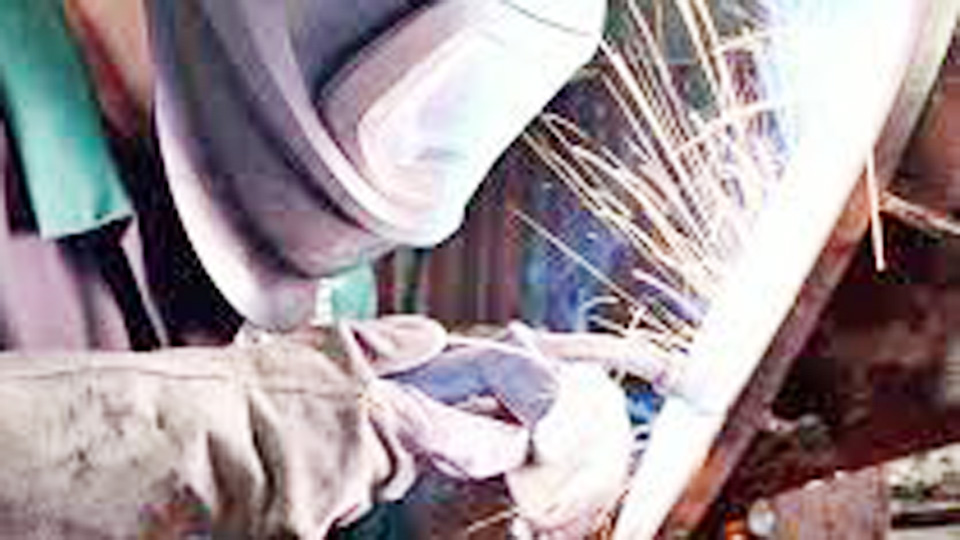
Image by supplyshop
Why Protective Clothing Matters in Arc Welding
Let’s get real for a second. Arc welding isn’t just hot—it’s dangerously hot. The arc column is typically around 4,000–6,000 K (≈3,700–5,700°C), producing intense UV/IR and molten spatter (ScienceDirect Topics, accessed 2025-10-14). I remember my first time running a stick weld without a proper jacket.
A spark landed on my cotton T-shirt, and before I knew it, there was a small burn hole. Lesson learned: cheap clothing doesn’t cut it. Protective gear shields you from burns, protects your eyes from UV radiation, and keeps harmful fumes at bay. It also helps maintain weld integrity by reducing distractions, so you can focus on your technique.
Beyond safety, the right PPE can save you money in the long run. A good welding helmet or pair of gloves might cost more upfront, but they’ll outlast bargain-bin gear and keep you out of the hospital. For pros, it’s about meeting OSHA standards and keeping the job site compliant. For DIYers and students, it’s about building good habits early. No matter who you are, the right gear makes you a better welder.
Welding Helmets: Your Eyes and Face Come First
The welding helmet is your most critical piece of PPE. It’s not just a fancy visor—it’s your shield against the blinding light of the arc, which pumps out UV and infrared rays that can cause arc eye (photokeratitis), a painful condition that feels like sand in your eyes. I’ve had it once, and trust me, you don’t want to experience it.
What to Look For in a Welding Helmet
Modern welding helmets come in two main flavors: fixed-shade and auto-darkening. Fixed-shade helmets have a single lens darkness (usually shade 10 or 11 for arc welding), which is fine if you’re sticking to one process, like SMAW on mild steel. Auto-darkening helmets, though, are a game-changer. They adjust the lens shade automatically when the arc strikes, so you don’t have to flip the hood up and down. This is a lifesaver for repetitive welds or when you’re working in tight spaces.
Look for helmets that meet ANSI/ISEA Z87.1-2020 eye and face protection. Key features to consider include:
- Shade Range: For arc welding, you’ll typically need shades 9–13, depending on the amperage and process. MIG welding might need a lighter shade (9–11), while stick welding often requires darker ones (11–13). For specifics by amperage, see the OSHA/ANSI shade chart (accessed 2025-10-14).
- Reaction Time: Auto-darkening helmets should switch from light to dark in less than 1/25,000 of a second.
- Viewing Area: A larger viewing window (at least 3.5 x 1.5 inches) gives you better visibility of the weld pool.
- Comfort: Adjustable headgear and lightweight materials make a big difference during long sessions.
Practical Tips for Helmets
When I started, I bought a cheap auto-darkening helmet that lagged when the arc struck. The flash was enough to give me headaches by the end of the day. Spend a little extra on a reputable brand like Lincoln Electric or Miller—models like the Viking 3350 or Digital Elite are solid choices. Check the sensors; some helmets have four for better arc detection, especially for out-of-position welds like overhead or pipe welding.
One mistake I see new welders make is not cleaning the lens regularly. Spatter and dust can scratch it, reducing visibility. Use a soft cloth and lens cleaner, and replace scratched lenses immediately. Also, wear safety glasses with side shields under your helmet for extra protection against flying debris.
Flame-Resistant Clothing: Protecting Your Body
Your skin is no match for molten spatter or UV radiation, so flame-resistant (FR) clothing is non-negotiable. I’ve seen welders try to get by with regular cotton shirts, only to end up with burns or ruined clothes. FR clothing is designed to withstand high heat and resist catching fire, giving you peace of mind while you work.
What Makes Good FR Clothing?
Look for materials like treated cotton, denim, or leather. Pigskin leather jackets are a favorite in my shop because they’re durable yet flexible. Avoid synthetic fabrics like polyester—they melt and stick to your skin, making burns worse. Here’s what you need:
- Long-Sleeve Jackets or Shirts: Cover your arms and torso completely. I prefer jackets with tight cuffs to keep sparks out.
- Pants: Go for FR denim or leather pants without cuffs. Cuffs can trap sparks, and I’ve seen a guy panic when one caught fire mid-weld.
- Aprons: A leather apron adds an extra layer of protection for your chest and lap, especially for heavy stick welding or when you’re grinding.
Practical Tips for FR Clothing
Fit matters. Loose clothing can catch sparks, but overly tight gear restricts movement. I learned this the hard way when a baggy sleeve snagged on a workpiece, throwing off my weld. Try on gear before buying, and make sure it allows you to move freely. Wash FR clothing according to the manufacturer’s instructions to maintain its flame-resistant properties.
For DIYers on a budget, FR-treated cotton is more affordable than leather but still effective. Brands like Carhartt and Black Stallion make reliable options. If you’re welding in hot climates, look for lightweight FR fabrics to avoid overheating. And never roll up your sleeves—exposed skin is a burn waiting to happen.
Welding Gloves: Guarding Your Hands
Your hands are right in the line of fire, handling hot electrodes, wire, or torches. Welding gloves are built to protect against heat, sparks, and sharp edges, but not all gloves are created equal.
Choosing the Right Gloves
Gloves come in different types for specific processes:
- MIG Welding: These gloves are thinner for better dexterity, since you’re operating a gun with a trigger. Look for reinforced palms for grip.
- Stick Welding: Thicker gloves with heavy leather protect against higher heat and spatter. I use these for SMAW because the electrode gets hot fast.
- TIG Welding: These need to be thin and flexible for precise torch control but still heat-resistant.
Go for leather gloves with Kevlar stitching for durability. Make sure they cover your wrists and fit snugly without being restrictive.
Practical Tips for Gloves
I once grabbed a hot workpiece with worn-out gloves and felt the heat right through. Inspect your gloves regularly for tears or thin spots, and replace them when they’re worn. Keep them dry—wet gloves conduct electricity, increasing the risk of shock. For long sessions, I keep a spare pair handy so I can swap them out if they get sweaty.
A pro tip: if you’re new to TIG, practice with thinner gloves to get a feel for the torch before moving to heavier ones. It’ll save you from fumbling and improve your bead consistency.
Welding Boots: Keeping Your Feet Safe
Your feet are vulnerable to falling objects, sparks, and hot slag. I’ve dropped a heavy plate on my foot before—thankfully, my steel-toe boots saved me from a trip to the ER.
What to Look For in Welding Boots
High-top leather boots with steel toes are the gold standard. They should have:
- Heat Resistance: Look for thick leather that can handle sparks and spatter.
- Non-Slip Soles: Rubber or composite soles prevent slips on oily shop floors.
- Electrical Hazard Rating: Look for an ASTM F2413 “EH” (electrical hazard) rating for secondary protection in dry conditions (accessed 2025-10-14).
Avoid cloth or canvas shoes—they burn easily and offer no protection against heavy objects.
Practical Tips for Boots
Tuck your pant legs over your boots to keep sparks from sneaking in. I made the mistake of leaving my pants untucked once, and a spark rolled into my boot. Not fun. Check the soles for wear, especially if you’re working on rough surfaces. Brands like Red Wing or Caterpillar make boots that last years with proper care. If you’re welding outdoors, consider waterproof boots to stay comfortable in wet conditions.
Respiratory Protection: Breathing Easy
Arc welding produces fumes from melting metal, electrodes, and coatings, which can include toxic substances like chromium, nickel, or cadmium. Breathing these in can lead to serious health issues, from lung irritation to long-term conditions like cancer (NIOSH Pocket Guide: Welding Fumes, accessed 2025-10-14). I learned this the hard way when I welded in a poorly ventilated garage and ended up with a sore throat for days.
Types of Respiratory Protection
- Disposable/Filtering Facepiece Respirators: For light, short-duration work on clean steel, a NIOSH-approved filtering facepiece (e.g., N95 or better) may be used when exposures are below limits; select filters based on the exposure assessment (NIOSH selection, accessed 2025-10-14).
- Powered Air-Purifying Respirators (PAPRs): Battery-powered units pull air through filters and are ideal for heavy welding or confined spaces.
- Supplied Air Respirators: Provide clean air from an external source for high-hazard tasks (e.g., stainless or coated metals). For higher filtration efficiency, P100 particulate filters are recommended for metal fumes when appropriate (NIOSH Pocket Guide, accessed 2025-10-14).
OSHA requires a written respiratory protection program with fit testing and training when respirators are used (29 CFR 1910.134, accessed 2025-10-14).
Practical Tips for Respiratory Protection
Ventilation is your first defense. Provide mechanical ventilation of at least 2,000 cfm per welder for general welding, or use local exhaust hoods/booths as required (OSHA 1910.252(c)(2)–(3), accessed 2025-10-14). I use a portable fume extractor for indoor jobs—it’s a game-changer for air quality. Ensure any respirator fits tightly and replace filters per manufacturer guidance.
Additional PPE: Safety Glasses, Ear Protection, and More
Beyond the core gear, a few extras can make a big difference:
- Safety Glasses: Wear ANSI/ISEA Z87.1-2020-approved glasses with side shields under your helmet for extra protection against debris. I always keep a pair on, even when grinding or chipping slag.
- Ear Protection: Welding can be loud, especially with plasma cutting or grinding. Earplugs or earmuffs are a must if noise levels meet or exceed an 8-hour TWA of 85 dBA (OSHA 1910.95, accessed 2025-10-14).
- Welding Curtains or Screens: These protect bystanders from arc flash and sparks. I use semi-transparent screens in my shop so others can see I’m welding but stay safe.
Practical Tips for Additional PPE
Don’t skimp on safety glasses—cheap ones fog up or scratch easily. I like 3M models with anti-fog coatings. For ear protection, foam earplugs are fine for short jobs, but earmuffs are more comfortable for all-day work. If you’re setting up a shop, invest in flame-resistant curtains to create a safe welding zone.
Comparison Table: Arc Welding PPE by Process
| PPE Type | MIG Welding | Stick Welding | TIG Welding |
|---|---|---|---|
| Helmet Shade | 9–11 | 11–13 | 9–12 |
| Gloves | Thin, flexible leather | Thick, heavy leather | Thin, precise leather |
| Jacket | Lightweight FR cotton or leather | Heavy leather | Lightweight FR cotton |
| Respirator | Disposable mask or PAPR for heavy fumes | PAPR for heavy fumes | Disposable mask for light work |
| Boots | Steel-toe, high-top leather | Steel-toe, high-top leather | Steel-toe, high-top leather |
Pros and Cons of Key PPE
- Welding Helmet
- Pros: Protects eyes and face, auto-darkening improves efficiency.
- Cons: High-quality models are pricey, cheap ones may lag or fail.
- FR Clothing
- Pros: Prevents burns, durable for long-term use.
- Cons: Can be hot, requires proper care to maintain FR properties.
- Gloves
- Pros: Essential for hand protection, process-specific options available.
- Cons: Wear out quickly with heavy use, wet gloves increase shock risk.
- Boots
- Pros: Protect against heavy objects and sparks, long-lasting.
- Cons: Can be heavy, need break-in period.
Common Mistakes and How to Fix Them
- Wearing Non-FR Clothing: I’ve seen newbies wear cotton hoodies, thinking they’re fine. They’re not—sparks burn through in seconds. Fix: Invest in FR gear, even if it’s just a basic jacket.
- Using the Wrong Helmet Shade: Too light, and you risk arc eye; too dark, and you can’t see the weld pool. Fix: Check OSHA’s shade guide for your process and amperage (accessed 2025-10-14).
- Neglecting Ventilation: Welding in a closed garage without a fume extractor is asking for trouble. Fix: Use local exhaust or general mechanical ventilation per OSHA 1910.252 (accessed 2025-10-14).
- Wearing Worn-Out Gear: Frayed gloves or cracked helmets compromise safety. Fix: Inspect your PPE before every job and replace damaged items.
Step-by-Step Guide to Setting Up Your PPE
- Choose Your Helmet: Pick an auto-darkening helmet with the right shade range for your process. Test it in a safe setting to ensure it darkens properly.
- Select FR Clothing: Get a long-sleeve jacket and pants that fit well. Add a leather apron for heavy welding.
- Pick Gloves: Match your gloves to the process—MIG, stick, or TIG. Ensure they’re dry and free of tears.
- Get Boots: Choose high-top leather boots with steel toes and non-slip soles. Tuck pants over them.
- Add Respiratory Protection: Use a filtering facepiece (e.g., N95 or better) for light work below limits, or a PAPR/supplied air respirator for higher fume loads. Ensure proper ventilation in your workspace and follow OSHA 1910.134 (accessed 2025-10-14).
- Include Extras: Wear safety glasses and ear protection. Set up welding curtains if others are nearby.
- Inspect Everything: Before striking an arc, check all gear for damage and ensure it fits correctly.
Practical Shop Tips for PPE Maintenance
- Clean Regularly: Wipe down helmets and wash FR clothing per manufacturer guidelines. Dirty gear reduces effectiveness.
- Store Properly: Keep gloves and clothing in a dry, well-ventilated area to prevent mold or degradation.
- Check for Wear: Look for tears, burns, or thin spots in gloves and clothing. Replace damaged gear immediately.
- Test Helmets: Ensure auto-darkening lenses respond quickly. Replace batteries or sensors as needed.
Why You’re Now Ready to Weld Safely
You’ve got the full rundown on what protective clothing is needed in arc welding, from helmets to boots and everything in between. By investing in quality PPE, you’re not just checking a box—you’re setting yourself up to weld with confidence, whether you’re a DIYer fixing a trailer, a student practicing in trade school, or a pro on a construction site.
The right gear protects you from burns, arc flash, and fumes, letting you focus on laying down perfect beads. Plus, you’re meeting OSHA standards and building habits that’ll keep you safe for years.
FAQ
What is the best welding helmet for arc welding?
Auto-darkening helmets with adjustable shades (9–13) and fast reaction times are ideal for arc welding. Brands like Lincoln Electric and Miller offer reliable options with large viewing areas and comfortable headgear.
Can I use regular work gloves for welding?
No, regular gloves don’t provide enough heat resistance or protection from sparks. Use leather welding gloves designed for your process—MIG, stick, or TIG—for safety and dexterity.
How do I know if my welding clothing is flame-resistant?
Check the label for FR testing/certification (e.g., NFPA 2112 or ASTM F1506) and follow protective clothing guidance in AWS Z49.1 (2021). Materials like treated cotton or leather are typically FR. Avoid synthetics like polyester, which melt.
Do I need a respirator for all arc welding?
Not always—it depends on the fumes and your exposure. Start with ventilation and local exhaust. If monitoring or task conditions indicate, use a NIOSH-approved respirator (P100 for welding fumes is common), and ensure your employer’s respiratory protection program covers fit testing and training (accessed 2025-10-14).
How often should I replace my welding PPE?
Replace gloves, clothing, or helmets when they show signs of wear—tears, burns, or cracks. Lenses should be replaced if scratched. Inspect gear before each use to stay safe.


[…] Proper ventilation or local exhaust systems to remove welding fumes. Use a respirator if ventilation is inadequate, especially when welding coated metals. Review OSHA Fact Sheet FS-3647 (OSHA, 2013) and NIOSH guidance on zinc oxide/welding fumes (NIOSH Pocket Guide, accessed 2025-10-16). For a gear checklist, see what protective clothing I use. […]