One thing every welder learns sooner or later is that not all rods can sit on the bench overnight and still weld right the next day. Grab a handful of 7018s that have soaked up a bit of shop moisture, and you’ll see what I mean: porosity, spatter, and weak, brittle welds that fail faster than you can grind them smooth.
Some welding rods need to be kept in an oven to stay dry and perform the way they should. Low-hydrogen filler rods like 7018, 8018, and 9018 are especially sensitive. Moisture in their flux coating leads to hydrogen cracking, poor arc control, and compromised weld strength.
Whether you’re working on structural steel, thick joints, or pressure-rated welds, keeping these rods at the right temperature ensures weld quality, durability, and safety. This guide covers exactly which rods need oven storage, why it matters, and how to do it the right way so your welds stay clean, strong, and inspection-ready. Related: How to store low-hydrogen electrodes.
Quick Answer
Rods requiring oven storage: E7018, E8018, E9018 (low-hydrogen), E308L, E316L (stainless steel), and specialty nickel/cast iron rods. Store at 250–300°F for holding. Re-dry at 700–800°F for 1–2 hours if exposed to moisture. E6010, E6011, and E6013 do not require oven storage.
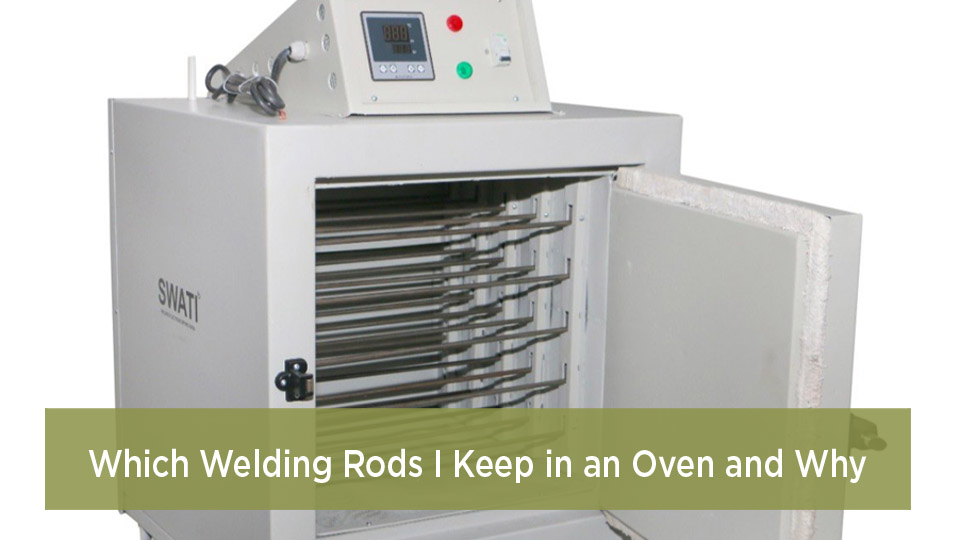
Photo by nova.study
Why Some Welding Rods Need an Oven
Certain welding rods, especially low-hydrogen types, absorb moisture from the air. That moisture in the flux coating introduces hydrogen into the weld pool. The result is cracks or porosity that weaken the joint.
Low-hydrogen rods like E7018, E8018, and E9018 are the main electrodes that require oven storage. They’re built for high-strength work: bridges, pressure vessels, heavy machinery. In those applications, even small flaws can lead to failures.
Keep them in a rod oven at 250–300°F for holding. If they’ve absorbed moisture, re-dry at 700–800°F for 1–2 hours following manufacturer guidelines. Always check your specific product datasheet for exact temperatures. Hobart example; National Board/ASME table.
Other rods, like cellulose-based E6010 or E6011, don’t need ovens. They perform best stored in sealed containers at room temperature. For code work, always follow your WPS (Welding Procedure Specification) and the manufacturer’s guidance.
Which Welding Rods Require Oven Storage
Low-Hydrogen Rods (E7018, E8018, E9018)
These rods need the most careful storage. The “18” in their AWS (American Welding Society) classification means they’re low-hydrogen, with a flux coating that’s highly sensitive to moisture. E7018 is widely used for structural steel, like I-beams or heavy plate.
If these rods sit out in a humid environment, they absorb water. That leads to hydrogen cracking in the weld.
When to Use Them: Pick low-hydrogen rods for high-strength steel, thick sections, or jobs under AWS D1.1 structural welding codes. They’re common in construction, shipbuilding, and pressure-rated work.
Storage Requirements: Hold at 250–300°F. AWS D1.1 allows a maximum of 4 hours’ exposure for standard electrodes and 9 hours for moisture-resistant (H4R) variants, provided conditions stay below 80°F and 60% relative humidity.
Practical Tip: Check the rod’s coating. If it feels tacky or smells damp, it’s compromised. Re-dry it following the datasheet instructions. Don’t risk a defective weld.
Stainless Steel Rods (E308L, E316L)
Stainless steel electrodes like E308L or E316L benefit from controlled storage, especially for critical applications. Think food-grade equipment, pharmaceutical tanks, or chemical processing vessels.
Moisture in the flux can cause porosity or weaken corrosion resistance. Typical guidance: hold at 225–260°F, re-dry at 500–600°F for 1 hour if exposed. Always verify on your specific product label or datasheet.
When to Use Them: Use these for stainless steel projects that need high corrosion resistance, like marine environments, pharmaceutical equipment, or food processing facilities.
Common Mistake: Don’t assume all stainless rods share the same storage profiles. Check manufacturer specifications for each alloy.
Specialty Rods (Nickel, Cast Iron)
Nickel-based and cast-iron stick electrodes often require dry storage too. Cast-iron rods typically hold around 215–230°F and re-dry in the 250–300°F range for about an hour. Some nickel-base electrodes call for 390–570°F re-dry temperatures. Always check your electrode manufacturer’s storage table.
Pro Tip: For small batches, a portable rod oven keeps costs down. It’s a practical choice for hobbyists or small shops that only work with specialty materials now and then.
Why Moisture in Welding Rods Causes Problems
Moisture doesn’t just reduce weld quality. It creates structural defects. When water gets into the flux, it breaks down in the arc and releases hydrogen into the weld pool. This causes:
- Hydrogen Cracking: Tiny cracks form as the weld cools, especially in high-strength steels. These defects can lead to structural failure under load.
- Porosity: Gas bubbles get trapped, leaving pinholes that weaken the weld and cause inspection failures.
- Arc Instability: Wet rods sputter and make it hard to hold a steady arc. You get inconsistent penetration and a poor bead appearance.
In humid coastal areas or tropical climates, rods can pick up moisture in just a few hours. Even in drier climates, long-term storage without proper temperature control risks quality issues. For professional welders, that means failing AWS or ASME code inspections. For DIY welders, it means rework or scrapped projects.
How to Store Welding Rods in an Oven
Choosing the Right Rod Oven
Rod ovens come in all sizes, from portable 10-pound units to industrial 400-pound cabinets. For a home shop, a small 115V oven holding 25–50 pounds works well. Brands like Phoenix, Lincoln, or Keen are reliable options.
Key Features to Look For:
- Temperature range of 250–300°F for holding, with 700–800°F capability for re-drying
- Good insulation to maintain consistent temperature
- Shelves or compartments to organize different rod types
- Accurate thermostat or digital temperature control
A used oven from a welding supply shop can save you hundreds. Just test it with a separate thermometer to make sure it holds accurate temperature before storing expensive electrodes.
Step-by-Step Storage Process
1. Inspect New Rods: Open the container and check for damage or moisture. If the flux looks chalky or has an unusual odor, follow the re-drying schedule on the datasheet before use.
2. Set Oven Temperature: For low-hydrogen rods, set to 250–300°F for holding. Stainless and some specialty electrodes may call for 225–260°F. Check manufacturer specifications.
3. Load the Oven: Place rods in their original sealed cans or clean, dry containers to avoid contamination. Never mix different rod types in the same container.
4. Monitor Exposure Time: Only remove what you need for immediate use. Standard low-hydrogen rods (AWS D1.1): 4 hours maximum exposure. Moisture-resistant H4R variants: up to 9 hours at temperatures below 80°F and 60% relative humidity. Check your product label for specific limits.
5. Re-dry When Necessary: If rods exceed exposure limits, follow datasheet instructions. Low-hydrogen rods: typically 700–800°F for 1–2 hours. Stainless steel: commonly 500–600°F for 1 hour. Let rods cool to holding temperature before use.
Portable vs. Stationary Ovens
Portable Ovens: Great for field work or small shops. They hold 10–50 pounds and plug into standard 115V outlets. Handy for remote job sites or mobile welding operations.
Stationary Ovens: Best for high-volume shops. They hold 100–400+ pounds and often have digital controls for precise temperature management. A must for fabrication shops running multiple welders.
DIY rod ovens can work in a pinch, but they lack precise temperature control. Purpose-built welding rod ovens maintain tight tolerances and prevent flux contamination, making them worth the investment for quality-critical work.
How Many Times Can You Re-dry Welding Rods?
Most manufacturers limit re-drying to one or two cycles. Each time you re-dry a low-hydrogen rod, the flux coating can degrade slightly. After two re-dry cycles, the coating may crack, flake, or lose its protective properties.
AWS D1.1 does not specify a universal re-dry limit, but many electrode makers (Lincoln Electric, ESAB, Hobart) recommend no more than one re-bake for standard low-hydrogen electrodes. Check your product’s datasheet for the exact limit. If you’re unsure whether a rod has already been re-dried, treat it as scrap for code work.
Storage Requirements Comparison Table
| Rod Type | Needs Oven? | Holding Temp | Re-Dry Temp | Max Exposure | Typical Use |
|---|---|---|---|---|---|
| E7018 | Yes | 250–300°F | 700–800°F (1–2 hrs) | 4 hours (9 hrs for H4R) | Structural steel, heavy fabrication |
| E6010 | No | Room temp | N/A | Store in sealed container | Pipeline root/hot pass, outdoor welding |
| E308L | Yes | 225–260°F | 500–600°F (1 hr) | Check datasheet | Stainless steel, food-grade equipment |
| E6013 | No | Room temp | N/A | Store in dry location | Light fabrication, DIY projects |
| ENi-CI | Often | 215–230°F | 250–300°F (1 hr) | Check datasheet | Cast iron repair, engine blocks |
Note: Always check rod packaging for specific storage instructions. Requirements vary by manufacturer and product line.
Common Storage Mistakes and Solutions
Leaving Rods Out Too Long
Leaving rod containers open all day in humid environments ruins electrodes within hours. Solution: Use a sealed portable container for daily use. Return unused rods to the oven within the exposure window listed on your product label.
Wrong Oven Temperature
Setting the oven too low won’t keep rods dry. Too high during holding can damage flux. Solution: Verify temperature with a separate thermometer. Follow datasheet guidelines for holding vs. re-drying temperatures. They’re different.
Mixing Rod Types
Storing low-hydrogen and cellulosic rods in the same oven can cause cross-contamination. Solution: Label containers clearly and use separate shelves. Color-code containers with tape for quick identification.
Ignoring Re-drying Requirements
Welding with moisture-exposed rods invites porosity and hydrogen cracking. Solution: Follow manufacturer re-drying schedules strictly. Low-hydrogen: 700–800°F for 1–2 hours. Stainless: 500–600°F for 1 hour. Never skip this step for code work.
Machine Settings and Rod Compatibility
When using low-hydrogen rods like E7018, machine settings directly affect weld quality.
Polarity: Most E7018 applications use DCEP (Direct Current Electrode Positive), also called reverse polarity. DCEP gives deeper penetration and better arc stability. AC works for some applications. DCEN (straight polarity) is rare. Always follow your WPS and electrode datasheet.
Amperage for Stick Welding (SMAW): For 1/8-inch E7018, use roughly 90–150 amps depending on position and base metal thickness. Too high causes undercut and burn-through. Too low creates rod sticking and poor penetration.
Material Preparation: Clean your base metal thoroughly. Rust, oil, or mill scale can produce defects similar to moisture contamination. Use a wire wheel and solvent for critical applications.
Joint Fit-Up: Tight joints reduce excessive weaving, which can make defects worse. Aim for a 1/16-inch gap unless your WPS says otherwise.
For stainless rods like E308L, use lower amperage, typically 70–100 amps for 1/8-inch diameter. Keep a shorter arc to control heat input and minimize chromium carbide precipitation (sensitization).
Safety Considerations
Rod ovens run at 250°F or higher, hot enough to cause serious burns. Use heat-resistant gloves and tongs when handling hot electrodes. Never reach into an operating oven with bare hands.
Place the oven on a stable, non-flammable surface away from welding operations and combustible materials. Check the power cord regularly for fraying or damage. A shorted oven can cause electrical fires.
When re-drying rods, make sure there’s adequate ventilation. Some flux coatings release fumes when heated, especially stainless steel or nickel-based electrodes. Use exhaust fans or work in well-ventilated areas.
Industry Applications
Rod ovens are standard equipment in industries that require code-compliant welds:
- Construction: AWS D1.1-compliant structural welds on bridges, high-rises, and steel buildings require controlled low-hydrogen electrode storage.
- Oil and Gas: Low-hydrogen rods for tie-ins and cap passes are kept in temperature-controlled storage. Note that cellulosic pipeline electrodes (E6010/E7010/E8010) go in sealed containers at room temperature, not ovens.
- Pressure Vessel Fabrication: ASME Section IX requires strict electrode storage for pressure-rated equipment.
- Shipbuilding: Marine-grade welds use stored low-hydrogen electrodes to prevent hydrogen-induced cracking in thick plate.
Even hobby welders benefit from proper storage when building trailers, farm equipment, or structural repairs. Good electrode storage helps welds last under repeated stress cycles and weather exposure.
Wrapping Up
Low-hydrogen rods (E7018, E8018, E9018), stainless steel electrodes (E308L, E316L), and specialty rods for nickel or cast iron all require oven storage to prevent moisture absorption. Store them at 250–300°F for holding, and re-dry at 700–800°F for 1–2 hours if they’ve been exposed beyond manufacturer limits.
Proper storage gives you strong, inspection-ready welds that meet code requirements and perform reliably under stress. Cellulosic rods like E6010 and E6011 store in sealed containers at room temperature, never in ovens.
Invest in a quality rod oven sized for your work volume. Track exposure times by logging when you open containers. That simple habit prevents costly weld failures and keeps quality consistent across all your projects.
FAQ
Why do low-hydrogen rods need to be stored in an oven?
Low-hydrogen rods like E7018 absorb atmospheric moisture, which causes hydrogen cracking and porosity. Ovens maintain 250–300°F to keep them dry. If exposed beyond limits, re-dry at 700–800°F for 1–2 hours per manufacturer specifications.
Can I use a regular kitchen oven to store welding rods?
No. Kitchen ovens lack precise continuous temperature control and can contaminate electrodes with food residues. Use a dedicated welding rod oven designed for consistent temperatures and clean storage.
How long can welding rods stay out of the oven?
Standard low-hydrogen rods: 4 hours maximum per AWS D1.1. Moisture-resistant (H4R) variants: up to 9 hours below 80°F and 60% relative humidity. Always check your electrode packaging for specific exposure limits.
Do all welding rods need an oven?
No. Cellulosic rods (E6010/E6011) store in sealed containers at room temperature. Rutile rods (E6013) are less moisture-sensitive. Only low-hydrogen, stainless, and certain specialty rods require controlled oven storage.
What happens if I weld with wet electrodes?
Moisture-contaminated electrodes cause hydrogen cracking, porosity, and arc instability. Welds will fail inspections and may crack under load. Always use properly stored or re-dried electrodes for structural or code work.
What’s the cost of a welding rod oven?
Portable ovens for home shops start around $150–$300 (10–50 lb capacity). Professional stationary units range from $400–$2,000+ depending on capacity. Used ovens from welding suppliers are a budget-friendly alternative.
Can I store E7018 and E308L in the same oven?
Yes, but keep them in separate sealed containers. E7018 holds at 250–300°F while E308L typically holds at 225–260°F. If the temperatures differ a lot, use separate ovens or set the temperature based on the stricter requirement.
What does H4R mean on electrode packaging?
H4R designates moisture-resistant low-hydrogen electrodes that can handle longer exposure times (up to 9 hours vs. 4 hours for standard). The “R” indicates the electrode can be re-dried if exposure limits are exceeded.