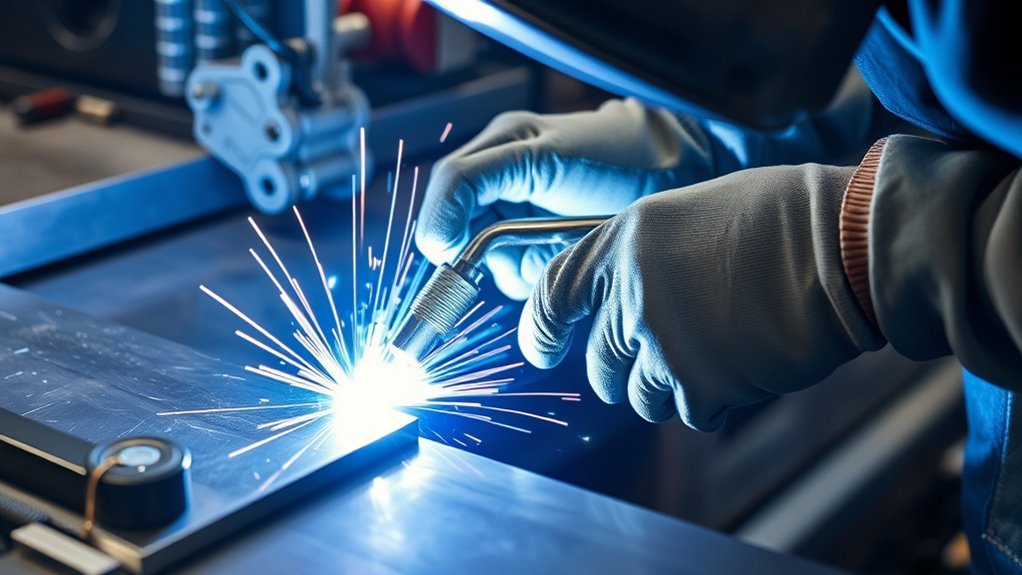
Aluminum changes how you weld because it melts at a lower temperature than steel, moves heat quickly, and forms a tough oxide layer that can block fusion. In auto repair, that means you need clean prep, the right wire-feeding setup, careful heat control, and a repair plan that follows the vehicle maker’s procedure.
Quick Answer
Aluminum welding is different because aluminum conducts heat fast, melts at about 660°C, and carries an oxide layer that melts far hotter than the base metal. For automotive work, use clean aluminum-only tools, correct shielding gas, proper filler wire, and controlled processes such as pulsed MIG when the repair procedure allows welding.
Key Takeaways
- Aluminum gives less warning before burn-through because it melts at a much lower temperature than steel.
- Cleanliness matters more with aluminum because oil, moisture, grinding dust, and oxide can cause porosity or weak fusion.
- Soft aluminum wire needs the right feed system, such as a spool gun, push-pull gun, U-groove drive rolls, and a clean liner.
- Pulsed MIG can help control heat on thin panels, but it still needs correct settings, fit-up, shielding gas, and technique.
- Structural vehicle repairs should follow the OEM repair procedure, not a generic welding habit from steel work.
At a Glance
| Time Required | 15–45 minutes for setup and test welds before a small repair weld; longer for structural procedures. |
| Difficulty | Intermediate to advanced, especially on thin body panels and structural aluminum. |
| Tools Needed | Pulsed MIG or approved welder, spool gun or push-pull gun, aluminum filler wire, pure argon or approved gas mix, aluminum-only stainless brush, solvent, PPE, clamps, and test coupons. |
| Cost | Higher than basic steel MIG because aluminum often needs dedicated feed equipment, cleaner prep tools, and repair-specific training. |
Why Aluminum Changes Auto Welding
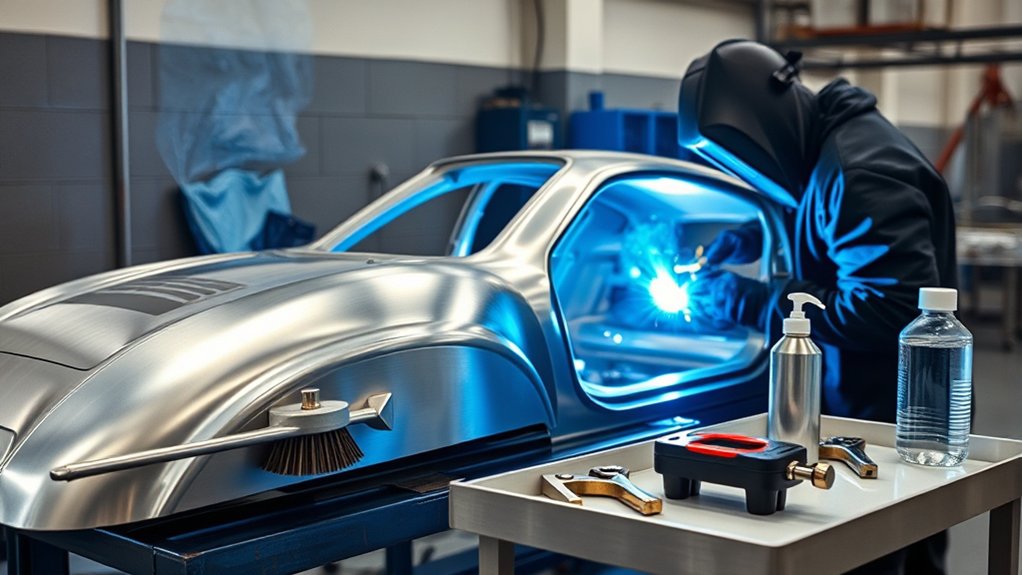
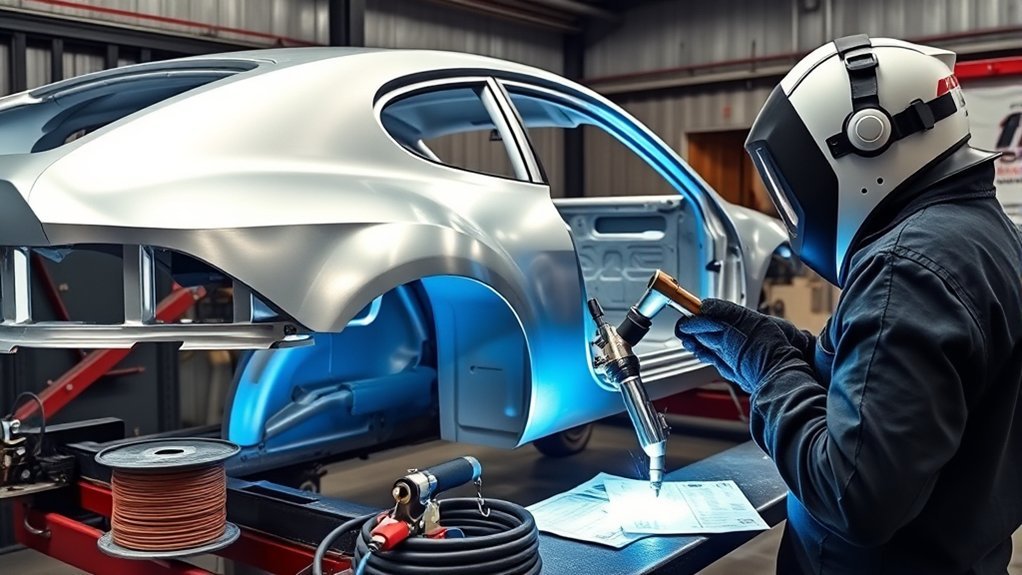
As aluminum becomes more common in hoods, liftgates, doors, closure panels, and some structural parts, your welding approach has to change. Aluminum is light and corrosion resistant, which helps automakers reduce vehicle mass, but it is less forgiving at the weld than mild steel.
The main challenge is heat. Aluminum melts at about 660°C, while many steels melt far higher. At the same time, aluminum pulls heat away quickly, so the weld area can seem cold one moment and then suddenly overheat. That is why you can burn through thin aluminum even when the part does not glow red like steel.
Modern vehicle lightweighting is one reason aluminum appears in more cars and trucks. The U.S. Department of Energy notes that reducing vehicle weight can improve efficiency, which is why manufacturers use aluminum, advanced steels, magnesium, plastics, and composites in different areas of the vehicle. DOE lightweight materials guidance supports the weight-saving goal, but it does not mean every aluminum part should be welded during repair.
Warning: Before welding any structural aluminum part, check the OEM repair procedure. Some parts must be replaced, bonded, riveted, or sectioned in a specific way instead of welded. Guessing can weaken crash performance.
Aluminum vs. Steel: What Changes at the Weld
Aluminum and steel do not respond to heat, contamination, or filler metal the same way. Steel usually gives you a wider working window. Aluminum asks for cleaner prep, faster decisions, and more control over the arc.
| Welding Factor | Aluminum | Steel |
|---|---|---|
| Melting behavior | Melts around 660°C, with alloys varying slightly. | Many steels melt roughly around 1,370°C or higher, depending on alloy. |
| Heat movement | Conducts heat quickly, which can cause sudden burn-through or a wide heat-affected area. | Moves heat more slowly and is usually more forgiving on common repair thicknesses. |
| Surface layer | Forms aluminum oxide that must be removed for sound fusion. | Rust, mill scale, paint, and coatings still matter, but they behave differently. |
| Wire feeding | Soft wire can birdnest if pushed through the wrong liner or drive rolls. | Steel wire is stiffer and easier to feed through a standard MIG gun. |
| Repair mindset | Needs dedicated tools, cleaner handling, and tighter process control. | Still needs good prep, but the setup is usually less sensitive. |
That difference matters most on thin auto panels. If you pause too long, leave a gap too wide, or weld over oxide, aluminum can distort, crack, or trap porosity before you have time to correct it.
Why Thin Aluminum Needs Pulsed MIG
Thin aluminum often benefits from pulsed MIG because the machine alternates between a high-current pulse and a lower background current. The pulse helps transfer metal into the joint, while the lower phase helps reduce average heat input compared with a constant high-current spray setup.
For auto repair, that control can help you:
- Reduce burn-through on thin panels.
- Limit panel warping and distortion.
- Improve droplet transfer and arc stability.
- Feed aluminum wire more consistently when paired with the right gun setup.
- Make repeatable test welds before touching the vehicle.
Pulsed MIG is not a shortcut, though. It will not fix dirty metal, poor fit-up, wrong filler wire, weak shielding gas coverage, or a repair procedure that does not allow welding. Use it as one part of a controlled system, not as permission to weld every aluminum part.
Pro Tip: Before welding the vehicle, make test welds on the same alloy and thickness whenever possible. Match the joint style, gap, backing, and gun angle so your settings prove themselves before the repair.
Products Worth Considering

7 in 1 Welding Machine: The multi-function welding machine included Gas/Solid Wire MIG,Pulse MIG, Gasless Flux Core MIG, Stick/MMA, Spot welding, Lift TIG, spool gun compatible (tig gun and spool gun not included,WP-17V-35,LBT150).

6-IN-1 Aluminium MIG Welder Kit: Experience true multi-process flexibility. The MIG/Pulsed MIG/Flux Core/Spool Gun MIG/Lift TIG/Stick welder delivers professional-grade performance across the board. Compatible with spool gun and Lift TIG torch (both sold separately) for specialized applications, this powerhouse handles everything from thin-gauge aluminum to thick structural steel with ease. Your 1LB flux core welding wire and welding gloves is included—just load and weld

【8 in 1 Multi-Functional Welder】Combines Pulsed MIG/Gas MIG/SYN/MAN MIG/HF TIG/CUT/Clean/Cold/Spot Welding/MMA Aluminum Welding . With 205A max welding current, 50A max cutting current, and 2T/4T modes, it adapts efficiently from thin‑sheet work to heavy‑duty repairs. 110V/220V Dual‑voltage auto‑detection ensures compatibility for home and workshop use.
The Equipment Aluminum Welding Requires
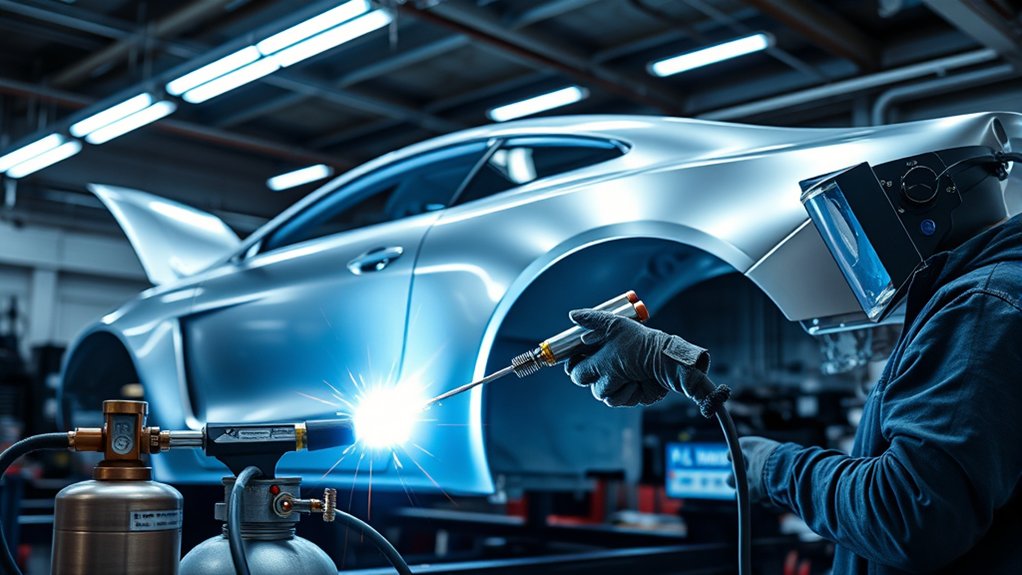
To weld aluminum well, you need equipment that is built for aluminum’s quirks, not just a standard steel MIG setup. The softer wire, faster heat movement, and contamination risk all change the tool list.
| Equipment | Why It Matters |
|---|---|
| Pulsed MIG welder | Helps control heat and droplet transfer on thin aluminum. |
| Spool gun | Keeps soft aluminum wire close to the gun so it feeds with less buckling. |
| Push-pull gun | Uses coordinated drive motors for longer, smoother aluminum wire delivery. |
| U-groove drive rolls | Support the wire without crushing or shaving it. |
| Nylon or plastic liner | Reduces friction and keeps aluminum wire moving cleanly. |
| Pure argon or approved gas mix | Protects the weld pool from oxygen and moisture contamination. |
| Correct filler wire | Common choices include 4043 and 5356, but the right wire depends on the base alloy and repair procedure. |
For automotive aluminum, do not guess at filler wire. Some alloys, heat-treated parts, and structural locations need a specific filler or a non-welded joining method. If the OEM procedure calls for rivets, bonding, squeeze-type resistance spot welding, or replacement, follow that procedure.
Products Worth Considering
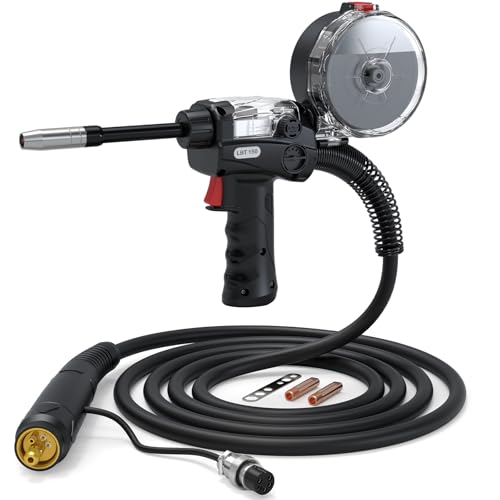
Smooth Wire Feeding: Experience seamless wire feeding with our spool gun. Featuring a 10-foot (3m) cable. Perfect fit for ARCCAPTAIN MIG205MP, MIG205PRO, MIG165PRO ensuring consistent and uninterrupted aluminum welding.

Replacement: This 150A spool gun is the replacement for the Spoolmate 150 gun (Please confirm the model of the welder and the compatibility of the welding gun before purchasing for best match)

Aluminum Welding Tips: Specially designed for aluminum alloy MIG welding, ideal for auto aluminum panel repair, aluminum door frames, thin aluminum sheet DIY and light industrial aluminum fabrication.
Cleaning and Prep That Prevent Failures
Even the best aluminum welding equipment will not save a dirty joint. Oil, wax, adhesive residue, paint, oxide, steel dust, and moisture can cause porosity, soot, lack of fusion, and weak welds.
Use this order: remove coatings, degrease, then remove oxide. If you wire-brush first, you can smear oil and dirt into the surface. After degreasing, use a clean stainless steel brush dedicated only to aluminum. Do not use a brush that has touched steel.
Clean aluminum looks simple, but the weld only sees what is actually on the surface: oxide, moisture, dust, and oil all count against you.
- Remove paint, sealer, adhesive, and corrosion from the weld zone.
- Wipe grease and residue with an approved solvent and a clean lint-free cloth.
- Brush the oxide layer with an aluminum-only stainless steel brush.
- File or deburr sharp edges that could trap contaminants.
- Clamp the joint tightly so gaps stay consistent.
- Weld soon after cleaning so the surface stays protected.
Note: Keep aluminum repair tools separate from steel repair tools. Steel grinding dust can embed in aluminum and later create corrosion or contamination problems.
Shielding Gas, Filler Wire, and Fit-Up
Shielding gas protects the molten aluminum from air. For most aluminum MIG welding, pure argon is common. Argon-helium blends may be used for thicker material when more heat and penetration are needed, but they are not a substitute for the vehicle maker’s repair procedure.
Filler wire also matters. 4043 aluminum filler is often used where fluid weld puddle behavior and crack resistance are helpful. 5356 is often used where higher as-welded strength or color match after anodizing is needed. Those are general patterns, not universal rules. Match the filler to the alloy, repair location, and written procedure.
Fit-up is just as important as machine settings. Aluminum does not tolerate wide, uneven gaps well. Tight clamps, clean backing where allowed, and steady travel speed help you avoid overwelding the panel while trying to fill a poor joint.
Common Aluminum Welding Defects and How to Fix Them
Aluminum welding problems usually come from one of four causes: contamination, heat input, wire feeding, or poor fit-up. Use the weld appearance as a clue, then fix the cause instead of simply turning the machine hotter.
| Problem | Likely Cause | Fix |
|---|---|---|
| Porosity | Moisture, oil, oxide, dirty filler wire, or poor gas coverage. | Clean again, check gas flow, protect the weld from drafts, and use dry, clean wire. |
| Burn-through | Too much heat, slow travel, large gap, or thin panel. | Reduce heat input, improve fit-up, use pulse settings where approved, and practice on test coupons. |
| Soot or black residue | Arc instability, wrong technique, contamination, or shielding issue. | Check torch angle, gas coverage, surface prep, and wire feed stability. |
| Lack of fusion | Oxide left on the surface, cold lap, poor angle, or weak joint prep. | Remove oxide, correct the torch position, and verify settings with a bend or break test if required. |
| Birdnesting | Soft wire buckling near the drive rolls. | Use a spool gun or push-pull gun, U-groove rolls, correct tension, and a clean liner. |
| Cracking | Wrong filler, poor joint design, too much restraint, or heat-sensitive alloy. | Confirm alloy and filler compatibility, follow the repair procedure, and avoid forcing a weld where replacement is required. |
Safety Rules for Automotive Aluminum Welding
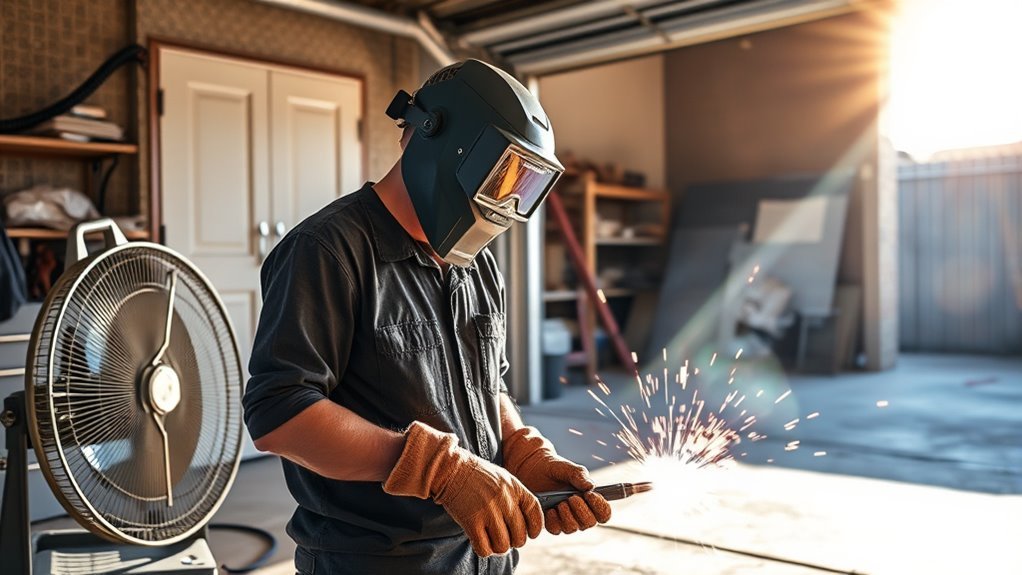
Aluminum welding is still hot work. You need a welding helmet with the right shade, gloves, flame-resistant clothing, eye protection for grinding and brushing, and ventilation that controls fumes. OSHA’s welding, cutting, and brazing guidance outlines workplace hazards, and OSHA’s general welding requirements cover fire prevention, ventilation, and protective practices.
In vehicle repair, also protect the car. Disconnect or isolate electrical systems as the repair information requires, keep heat away from batteries and modules, remove flammable trim and sealers near the weld zone, and keep a fire extinguisher nearby. Watch the area after welding because heat can travel behind panels and ignite hidden materials.
Training and Certification for Aluminum Repairs
Aluminum repair demands specialized training because the metal gives you less margin for error than mild steel. You need to understand heat input, oxide removal, wire feeding, shielding gas, filler selection, and inspection. Certification or formal training also proves you can follow a repeatable process instead of relying on guesswork.
| Skill | Purpose | Result |
|---|---|---|
| Cleaning | Remove oxide and contamination. | Better weld integrity and fewer pores. |
| Pulsed MIG control | Limit heat input while maintaining stable transfer. | Less distortion and fewer burn-through failures. |
| OEM procedure reading | Confirm whether welding is allowed and where. | Safer structural repairs. |
| Inspection | Catch defects before the vehicle leaves the shop. | More consistent repair quality. |
Research on welded 6061-T6 aluminum shows why this matters: heat can reduce strength in the weld and nearby heat-affected zone. A study on resistance spot welded 6061-T6 aluminum found major reductions in local tensile and yield strength near the weld region, showing why repair heat must be controlled and inspected. Research on 6061-T6 aluminum weld properties supports that caution.
Inspection and Corrosion Protection After Welding
After welding, inspect the repair before finishing it. Look for cracks, porosity, undercut, uneven bead shape, poor tie-in, burn-through, and panel distortion. If the procedure calls for destructive test coupons, bend tests, peel tests, or weld-size checks, do them before moving to paint prep.
Once the weld passes inspection, restore corrosion protection. Aluminum resists rust, but it can still corrode, especially when contaminated with steel particles or placed against dissimilar metals without proper isolation. Reapply approved primer, seam sealer, cavity wax, and coatings as the repair procedure requires.
Advanced manufacturing and research systems are also improving weld monitoring. Recent work on laser wire-feed welding uses sensor data and modeling to predict the molten pool and keyhole during welding, which points toward more automated quality control in industrial settings. Current weld-pool monitoring research is promising, but day-to-day collision repair still depends on correct procedure, clean prep, controlled settings, and careful inspection.
Frequently Asked Questions
Why is aluminum hard to weld?
Aluminum is hard to weld because it conducts heat quickly, melts at a relatively low temperature, and forms an oxide layer that can block fusion. It also gives little color warning before overheating, so you need clean prep and tight heat control.
Can you MIG weld aluminum auto panels?
Yes, you can MIG weld some aluminum auto panels when the repair procedure allows it. Thin panels usually need pulsed MIG, clean base metal, correct filler wire, pure argon or an approved gas mix, and a spool gun or push-pull gun for reliable wire feeding.
Why are cars no longer made only of steel?
Many cars still use a lot of steel, but manufacturers also use aluminum, advanced high-strength steel, magnesium, plastics, and composites to reduce weight, improve efficiency, manage crash performance, and resist corrosion in selected areas.
What shielding gas should you use for aluminum MIG welding?
Pure argon is common for aluminum MIG welding. Argon-helium blends may be used on thicker sections when more heat is needed, but you should follow the welder settings chart and the OEM repair procedure for the specific job.
Why do welders face health risks?
Welders face risks from fumes, ultraviolet light, heat, sparks, electric shock, noise, and awkward body positions. Good ventilation, correct PPE, fire prevention, training, and safe work habits reduce those risks.
What does God say about welding?
The Bible does not mention modern welding directly. If you view work through faith, the practical lesson is to work carefully, honestly, and with respect for other people’s safety. In welding, that means using proper protection, following procedures, and not cutting corners.
Conclusion
Aluminum welding is different because the material reacts quickly to heat, depends on a clean surface, and needs equipment that can feed soft wire without trouble. In automotive work, the best results come from clean prep, the correct filler and shielding gas, pulsed MIG when appropriate, and strict attention to OEM repair procedures.
Respect the material before you strike the arc. Test your setup, control heat, inspect the weld, and restore corrosion protection afterward. That approach gives you cleaner aluminum repairs, fewer defects, and a safer finished vehicle.
Sources
- U.S. Department of Energy — Lightweight Materials for Cars and Trucks — backs up why automakers use lighter materials such as aluminum.
- OSHA — Welding, Cutting, and Brazing — supports safety guidance for welding hazards and controls.
- OSHA 29 CFR 1910.252 — supports fire prevention, ventilation, and general welding safety requirements.
- Turnage et al. — 6061-T6 Aluminum Spot Weld Properties — supports the warning that heat can reduce strength near aluminum welds.
- Li et al. — Weld-Pool Monitoring in Laser Wire-Feed Welding — supports the current trend toward sensor-based weld monitoring and process control research.