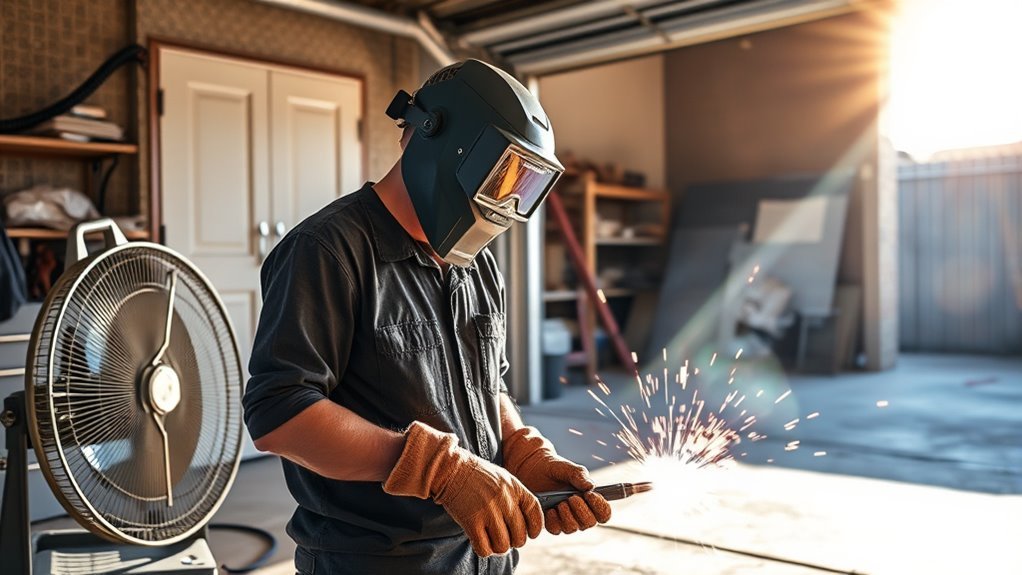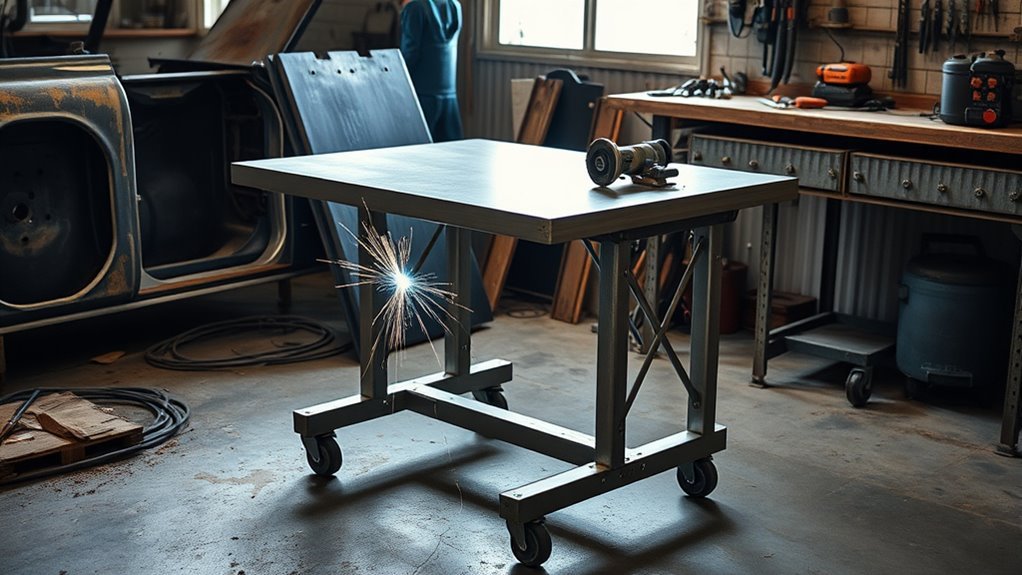
Yes, an insurance company can deny a weld repair claim, but the denial should be tied to your policy, the cause of damage, the repair scope, or the proof you submitted. A carrier may deny payment if the damage is excluded, the weld work was not needed to restore the property, the repair was unsafe or unqualified, or you missed a notice or proof-of-loss requirement.
Quick Answer
An insurer can deny weld repairs when the policy excludes the loss, the repair is not necessary, the damage is not proven, or the work does not meet required safety, licensing, permit, or quality standards. You can challenge the denial by matching your evidence to the policy language and submitting a clear appeal packet.
Key Takeaways
- A weld repair is more likely to be covered when it fixes damage from a covered event and restores the property to its pre-loss condition.
- A denial is stronger when the insurer points to an exact exclusion, deadline, deductible, limit, or documentation gap.
- Photos, inspection reports, licensed contractor bids, invoices, permits, and welding-quality records can support your claim.
- OSHA and welding standards can support safe-work and quality arguments, but they do not guarantee insurance coverage.
- If the denial is unsupported, appeal in writing, attach evidence, and consider a state insurance complaint or legal advice for larger disputes.
At a Glance
| Time Required | 1 to 3 hours to organize evidence; longer if you need an engineer, inspector, or supplemental estimate. |
| Difficulty | Moderate. The hard part is matching repair proof to the policy wording. |
| Tools Needed | Policy, denial letter, photos, repair estimate, invoice, inspection report, permits, contractor license details, and email records. |
| Cost | A written appeal is usually free. Engineer, inspector, public adjuster, or attorney costs vary by claim and state. |
Note: This article gives general insurance information, not legal advice. Policy wording, claim deadlines, appraisal rights, complaint options, licensing rules, and lawsuit deadlines vary by state and by policy.
Can an Insurance Company Deny Weld Repair Claims?
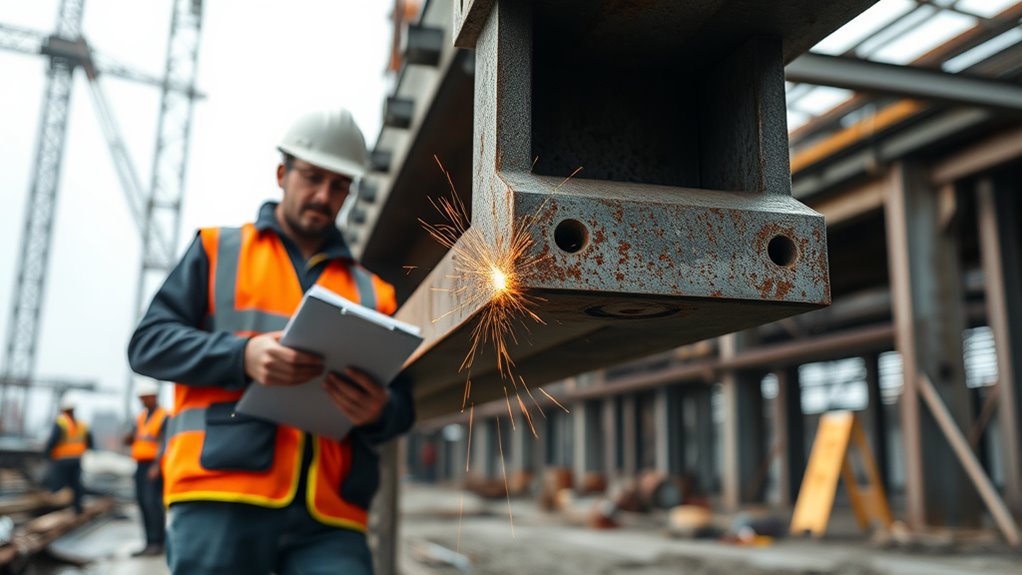
Yes, an insurance company can deny weld repair claims when the claim does not meet the policy’s requirements. That does not mean every denial is correct. It means the insurer should be able to explain the denial with specific policy wording, facts from the inspection, and the evidence in the claim file.
Weld repairs can come up in several types of claims. A homeowners policy may involve a damaged gate, railing, support bracket, shed, or metal structure. An auto policy may involve frame, exhaust, bracket, or body repairs. A commercial property or equipment policy may involve machinery, trailers, tanks, stairs, structural steel, or shop equipment.
The key question is not simply whether welding was done. The key question is whether the damage came from a covered cause of loss and whether the weld repair was a reasonable way to restore the item to its pre-loss condition.
When Weld Repairs Are Covered
You can usually make the strongest case for coverage when the weld repair meets four basic conditions:
- The damage came from a covered event, such as collision, fire, wind, vandalism, impact, or another covered cause listed in the policy.
- The damaged metal part was part of the covered property.
- The weld repair was needed to restore safety, strength, function, or pre-loss condition.
- The work was performed by a qualified person and documented with photos, estimates, invoices, and inspection notes.
If the policy pays replacement cost, actual cash value, or repair cost, the settlement may still be limited by deductibles, limits, depreciation, endorsements, and exclusions. That is why the denial letter and the policy must be read together.
Policy Coverage Limits
Policy coverage limits decide the maximum amount the insurer may pay. Even if weld repairs are covered, the insurer may still reduce payment because of a deductible, depreciation, actual cash value wording, sublimits, betterment rules, or the total limit for that item.
For property claims, insurers often focus on whether the repair returns the property to a similar kind and quality. They are usually not required to pay for upgrades that improve the property beyond its pre-loss condition unless the policy or building-code coverage requires it.
For auto claims, coverage often depends on whether the vehicle has collision or comprehensive coverage, whether the damage was related to the covered event, and whether the repair method is accepted by the vehicle maker, body shop standards, or the insurer’s repair review.
Warning: Do not approve permanent weld repairs before the adjuster has inspected the damage unless immediate repairs are needed to prevent more damage or protect safety. Take photos first, keep damaged parts when possible, and save every receipt.
Proof of Weld Damage
Proof of weld damage is often the difference between a weak claim and a strong appeal. The insurer needs enough information to connect the damage, the cause of loss, and the repair scope.
Good proof can include:
- Wide-angle photos showing the whole damaged item.
- Close-up photos showing cracks, torn metal, broken welds, distortion, corrosion, impact marks, or heat damage.
- Photos taken before temporary repairs, if safe to do so.
- A written estimate with line-item labor, materials, inspection, prep, welding, finishing, coating, and reassembly costs.
- A final invoice that matches the approved or disputed repair scope.
- A licensed contractor, qualified welder, engineer, vehicle repair technician, or inspector report when the repair is structural or safety-related.
- Permits, code notes, or inspection approvals when required by your area or the type of work.
- Emails, letters, texts, claim notes, and adjuster communications.
The Insurance Information Institute recommends documenting damage with receipts, photos or video, written bids from licensed contractors, and copies of documents submitted to the insurer. That same approach works well for weld repair claims because it turns a general repair request into a documented claim file.
Why Insurers Say Weld Repairs Aren’t Needed
Insurers often deny or reduce weld repair claims by arguing that the repair is not necessary, not related to the covered loss, or not supported by the inspection. Some disputes are about coverage. Others are about the repair method or cost.
Common insurer arguments include:
- The metal part still works and does not need welding.
- The crack, bend, or weld failure existed before the loss.
- The damage came from wear, rust, corrosion, poor maintenance, or fatigue.
- A cheaper repair method would restore the item.
- The requested weld repair upgrades the item beyond its pre-loss condition.
- The contractor estimate lacks enough detail.
- The welder or repairer was not properly licensed, qualified, or approved where required.
- The work was done before inspection and the insurer cannot verify the original damage.
You can push back by separating opinion from proof. Ask the insurer to identify the exact policy term, exclusion, inspection finding, or estimate line it is relying on. Then answer each point with documents.
Pro Tip: If the insurer says welding is excessive, ask your contractor or inspector to explain why welding is safer, stronger, or more appropriate than bolting, patching, replacing only one small part, or leaving the damage alone.
Proof That Supports a Weld Repair Claim
To support a weld repair claim, build a record that answers three questions: what happened, what was damaged, and why this repair was necessary.
Your evidence should show:
- Cause: The damage followed a covered event, not gradual wear or poor maintenance.
- Condition: The item had a different condition before and after the loss.
- Repair need: Welding was needed to restore strength, alignment, safety, or function.
- Repair quality: The work followed applicable safety, permit, code, or manufacturer requirements.
- Cost: The price is supported by labor hours, materials, shop supplies, inspection, finishing, and coating.
For structural or safety-related welds, a short written statement from a qualified repair professional can help. The statement should avoid vague language and explain the actual failure, such as a cracked bracket, broken tab, torn weld bead, distorted support, failed joint, or heat-affected damage.
For welding safety, OSHA’s welding, cutting, and brazing requirements address fire prevention, fire watch, eye protection, and other hot-work precautions. These safety rules can support the professionalism of the repair process, but coverage still depends on your policy.
For weld quality, the relevant standard depends on the job. A building repair, vehicle repair, pressure vessel, trailer, stair, pipe, or machine repair may each have different requirements. The American Welding Society publishes welding standards and resources that may help your contractor or inspector identify the proper repair approach.
Policy Exclusions That Can Deny Weld Repairs
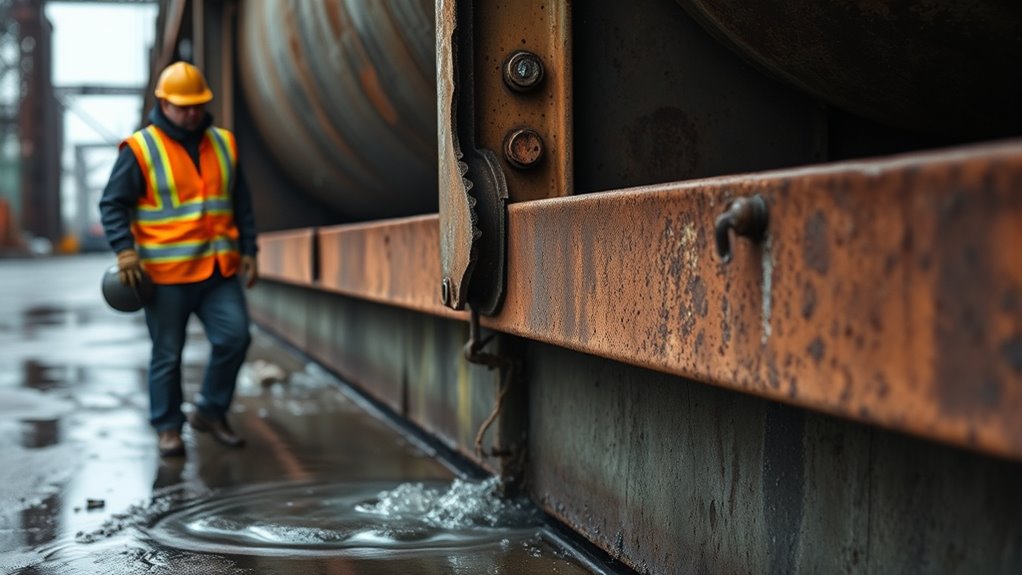
Even a well-documented weld repair claim can be denied if a policy exclusion applies. The insurer should identify the exact exclusion and explain how the facts fit that exclusion.
Common exclusions or denial reasons may include:
- Wear and tear: The insurer says the weld failed because of age, fatigue, rust, corrosion, or long-term vibration.
- Faulty workmanship: The insurer says the original weld or later repair was defective.
- Maintenance failure: The damaged item was not maintained, inspected, coated, tightened, or repaired in time.
- Intentional or unsafe acts: The damage came from intentional conduct or unsafe hot work.
- Unpermitted work: A required permit or inspection was ignored.
- Unqualified repair: The repairer lacked required licensing, certification, or qualifications for the work involved.
- Betterment or upgrade: The claim asks the insurer to pay for a stronger, newer, or upgraded item instead of restoring the old one.
- Late notice: The claim was reported too late for the insurer to inspect the damage fairly.
Some exclusions are broad, but they are not magic words. If the insurer relies on an exclusion, ask for the policy page, the exclusion text, and the facts supporting its use.
What to Do After a Weld Repair Denial
After a weld repair denial, do not treat the first letter as the final answer. Read it carefully, gather your evidence, and respond in writing.
A strong appeal does not argue in general terms. It answers the exact reason for denial with policy wording, photos, estimates, inspection notes, and repair records.
Products Worth Considering

Expanding file folder in Black with flap and cord closure for organizing and securing 8.5 x 11-inch letter-size documents
Secure Snap Closure:The practical snap-tab offers just the right hold—keeping contents secure while allowing quick access and airflow. Ideal for life on the go.
Size: 13 x 10 x 0.7 inches. Fits A4 and letter-size paper, standard documents and filing needs.
Step 1: Read the Denial Letter
Mark every reason the insurer gives. Look for phrases such as “not covered,” “wear and tear,” “pre-existing,” “faulty workmanship,” “not necessary,” “late notice,” “no visible damage,” or “exceeds reasonable repair cost.”
Then compare each reason with your policy. Check the coverage section, exclusions, conditions, duties after loss, appraisal clause, repair-or-replacement wording, and deadline sections.
Step 2: Request Clarification
If the denial is vague, ask the insurer to identify:
- The policy section it relied on.
- The inspection findings it used.
- The documents it says are missing.
- The repair lines it disputes.
- Whether it is denying coverage, denying price, or denying the repair method.
Step 3: Build an Appeal Packet
Your appeal packet should be organized and easy to review. Include:
- A short cover letter that lists the claim number, date of loss, and disputed repair.
- A copy of the denial letter.
- The policy language that supports coverage.
- Photos of the damage before and after repair, if available.
- Inspection reports or contractor statements.
- Line-item repair estimates and invoices.
- Permit or code documents, if required.
- Proof that the repair restored the item to pre-loss condition.
- A clear request for reconsideration, supplemental payment, or written explanation.
Step 4: Submit the Appeal in Writing
Send the appeal through the insurer’s required channel. Keep proof of delivery. Save a copy of everything you submit and write down the date, time, name, and summary of every phone call.
Step 5: Escalate if the Denial Still Does Not Fit
If the insurer still refuses to pay and the denial seems unsupported, you may have several options:
- Ask for supervisor review.
- Use the policy’s appraisal process if the dispute is only about the amount of loss.
- Hire an independent inspector, engineer, or qualified repair expert.
- Contact your state insurance department or use the NAIC consumer complaint resources to find the correct regulator.
- Talk with an insurance-coverage attorney if the claim is large, delayed, unclear, or tied to a possible unfair claim practice.
When a Weld Repair Lawyer Can Help
A lawyer is not needed for every weld repair dispute. Many claims can be fixed with a better estimate, clearer photos, or a short contractor letter. Legal help becomes more useful when the amount is large, the denial relies on confusing policy wording, or the insurer keeps changing its reason for denial.
Consider speaking with an insurance-coverage attorney when:
- The denial cites exclusions that do not seem to match the facts.
- The insurer refuses to explain the denial clearly.
- The weld repair involves a safety-critical structure, vehicle frame, business equipment, or expensive property.
- The insurer misses response deadlines or delays the claim without a clear reason.
- You need help preserving lawsuit deadlines or formal proof-of-loss requirements.
- The dispute involves possible bad faith, but you are not sure how your state defines it.
An attorney can review the policy, organize the evidence, identify deadlines, write a demand letter, and advise whether appraisal, mediation, complaint filing, or litigation makes sense.
Products Worth Considering


Frequently Asked Questions
What are the two main reasons an insurer denies a weld repair claim?
The two broad reasons are coverage problems and proof problems. A coverage problem means the policy does not cover the loss or an exclusion applies. A proof problem means the insurer says you have not shown the damage, cause, repair need, repair quality, or cost well enough.
What is the 80% rule in insurance?
In homeowners insurance, the 80% rule usually refers to insurance-to-value or coinsurance. Many policies expect the home to be insured for at least 80% of its replacement cost to receive full replacement-cost payment on a partial loss. It does not mean you must repair 80% of the damage. Check your declarations page and policy conditions because wording varies.
What should I not say to the insurance adjuster?
Do not guess, admit fault without facts, exaggerate damage, blame a contractor before you know the cause, or say the repair is optional if a professional says it is needed. Stick to what you know: when the loss happened, what you observed, who inspected it, and what documents support the weld repair.
Can an insurer deny a claim because I used an unlicensed welder?
It can be a problem if the policy, local law, permit rules, manufacturer repair procedures, or building code required a licensed or qualified repairer. If licensing was not required, the insurer still may question repair quality. Ask the repairer for credentials, inspection notes, photos, and a written explanation of the work performed.
Which insurance company denies the most weld repair claims?
There is no reliable single answer for weld repair claims across all policy types and states. Denial rates can vary by coverage type, state rules, claim documentation, repair cost, and insurer process. Instead of relying on a broad ranking, review your own denial letter, compare it with your policy, and check your state insurance department’s complaint resources.
Can I appeal if the insurer says welding is not necessary?
Yes. Ask your contractor, inspector, engineer, or repair technician to explain why welding is needed and why a cheaper repair would not restore strength, safety, alignment, or pre-loss condition. Submit that explanation with photos, estimates, and the policy language that supports your position.
Conclusion
If your insurer denies weld repairs, do not assume the denial is final. A valid denial should rest on policy wording, claim facts, and documented reasons. Start by reading the denial letter, checking the exact policy language, and building an evidence packet with photos, invoices, estimates, inspection notes, permits, and professional repair opinions.
If the insurer’s position still does not match the facts, respond in writing and ask for reconsideration. For larger or safety-critical disputes, consider an independent expert, a state insurance department complaint, or advice from an insurance-coverage attorney.
Sources
- Insurance Information Institute: Settling Insurance Claims After a Disaster — supports claim documentation, photos, receipts, written contractor bids, policy limits, and settlement guidance.
- National Association of Insurance Commissioners: Consumer Resources — supports state insurance department complaint and consumer insurance resources.
- OSHA 1910.252: Welding, Cutting, and Brazing General Requirements — supports hot-work safety, fire prevention, fire watch, and protection requirements.
- OSHA 1910.254: Arc Welding and Cutting — supports arc welding safety context.
- American Welding Society: Standards and Publications — supports welding standards and quality-reference context.