Choosing between 4130 chromoly and mild steel for automotive chassis welding comes down to more than strength. You also need to consider tubing specification, wall thickness, sanctioning-body rules, welding process, inspection, repairability, budget, and how the vehicle will be used. Chromoly can give you a lighter, stronger structure when it is designed and welded correctly. Mild steel is usually cheaper, easier to fabricate, and more forgiving for street cars, hobby builds, and many grassroots racing projects.
Quick Answer
Use 4130 chromoly when weight savings, high strength, and class rules justify the cost and welding precision. Use mild steel, usually DOM or approved structural tubing, when you want lower cost, easier welding, better repairability, and a more forgiving material for street or amateur builds.
Key Takeaways
- 4130 chromoly offers a better strength-to-weight ratio, but it demands cleaner fit-up, tighter heat control, and a qualified welding approach.
- Mild steel is heavier for the same design goal, but it is cheaper, easier to weld, and usually easier to repair in the field.
- Do not choose tubing by material name alone. Check the material certification, wall thickness, outside diameter, and rulebook requirements for your class.
- For roll cages and chassis work, the sanctioning-body rulebook and a qualified inspector matter more than generic online advice.
Warning: Chassis and roll cage welds are safety-critical. If the vehicle will be raced, inspected, or driven at high speed, follow the current rulebook for your class and use a qualified welder or approved welding procedure.
4130 Chromoly vs Mild Steel: Strength and Weight
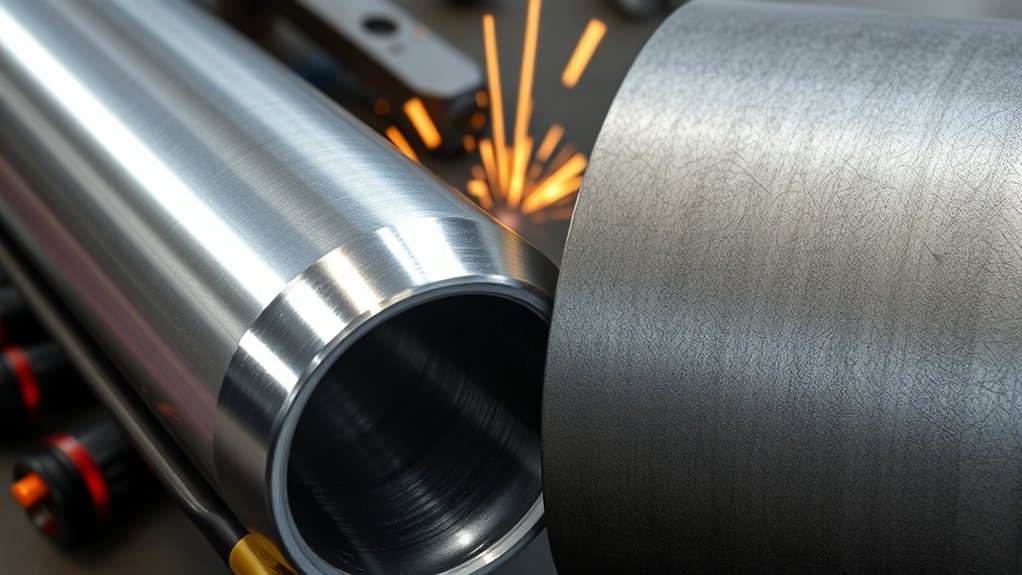
4130 chromoly is a chromium-molybdenum alloy steel. It is often used in aircraft tubing, racing chassis, suspension parts, and roll cage work because it can deliver high strength from relatively thin-wall tubing. Mild steel is a broad term for low-carbon steel. In chassis work, people often mean DOM mild steel tubing, ERW tubing approved by a rulebook, ASTM A500 structural tubing, or common carbon steel plate such as A36.
The important point is this: material condition and tubing specification matter. A cold-drawn normalized 4130 tube can have much higher yield strength than many mild steel products, but not every piece of 4130 has the same properties. Mild steel also varies by grade. ASTM A500 tubing, A36 plate, and 1020 DOM tubing should not be treated as one identical material.
| Category | 4130 Chromoly | Mild Steel |
| Best fit | Competition chassis, professional race builds, lightweight roll cages, high-stress tubing | Street cars, budget builds, hobby fabrication, many grassroots race cages |
| Strength-to-weight | Higher, when correct tubing and wall thickness are used | Lower, so thicker or heavier tubing may be needed |
| Weldability | More sensitive to heat input, filler choice, fit-up, and cooling | More forgiving and easier for common MIG or TIG work |
| Cost | Higher material, labor, and inspection cost | Lower material cost and easier repair |
| Rulebook note | Often used in faster or professional classes, but requirements vary | Often allowed in amateur classes when tubing size and wall thickness meet rules |
For a chassis or cage, do not assume “stronger steel” automatically means a safer build. A poor joint, bad notch, overheated tube, wrong filler, or unapproved wall thickness can defeat the advantage of a stronger material. Compare the actual tubing data and the rulebook minimums before you order material.
Durability and Fatigue Resistance: Which Material Lasts Longer?
4130 chromoly can perform very well under repeated stress, which is why it appears in race chassis, suspension links, aircraft-style tubing structures, and other high-load parts. Its advantage is strongest when the design keeps stress concentrations low and the welds are clean, smooth, and inspected.
Mild steel can also last a long time in a properly designed chassis. It has good ductility, which means it can bend or deform before failure in many overload situations. That can be useful in street cars, off-road vehicles, repairable structures, and beginner fabrication projects.
Fatigue life is not controlled by material alone. It depends on:
- tube diameter and wall thickness,
- weld quality and penetration,
- joint design and fish-mouth fit-up,
- stress risers from notches, holes, or undercut,
- heat-affected-zone hardness,
- vehicle weight, suspension load, vibration, and crash loads.
Note: A well-designed mild steel cage is safer than a poorly welded chromoly cage. The material choice only works when the design, welding, and inspection are right.
Fabrication and Welding: What You Need to Know
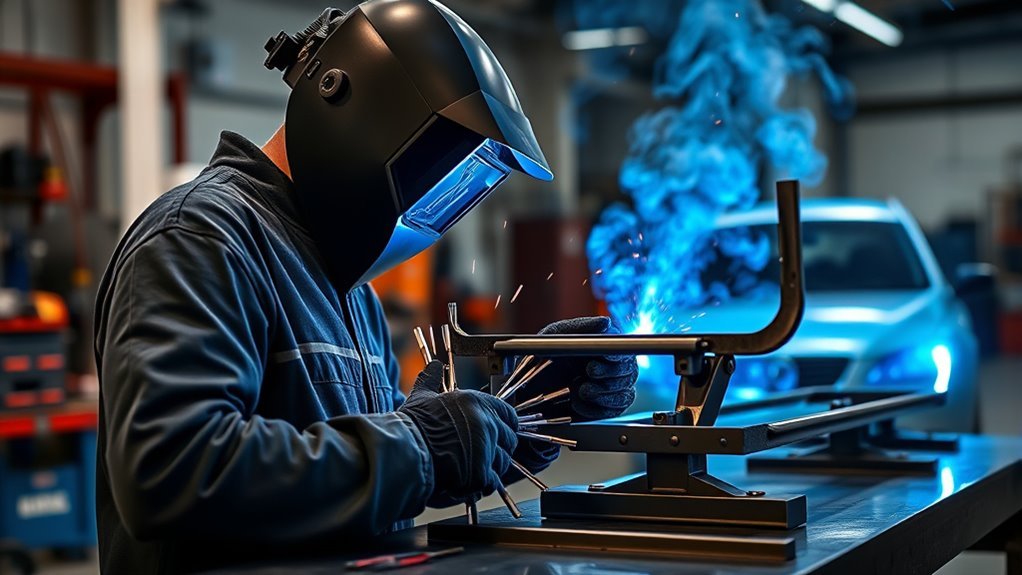
Fabricating 4130 chromoly requires tighter control than mild steel. The tubes should fit closely before welding, with no large gaps that force you to fill the joint with excess weld metal. Clean the tubing to bare metal, remove oil and mill scale, and use a tack sequence that controls distortion.
TIG welding is commonly preferred for 4130 chassis work because it gives precise heat control and a clean bead. Some approved procedures may use MIG, but you should not assume a general-purpose MIG setup is acceptable for a critical chromoly chassis. Flux-core welding is usually better suited to many mild steel fabrication jobs than to precision 4130 roll cage work unless a qualified procedure specifically allows it.
| Welding Factor | 4130 Chromoly | Mild Steel |
| Preferred process | TIG for most precision chassis work | MIG or TIG, depending on the project and rulebook |
| Fit-up | Very important; poor fit-up raises crack and distortion risk | Still important, but more forgiving for beginners |
| Heat control | Critical; avoid overheating and rapid quenching | More tolerant of normal heat input |
| Preheat | May be needed on thicker sections or under a specific procedure | Often not required for thin mild steel tubing, unless the procedure says otherwise |
| Inspection | Visual inspection plus class-required inspection or certification | Visual inspection plus rulebook or shop requirements |
Pro Tip: Keep the mill test report or material certificate for chassis tubing. Inspectors may want proof of tubing grade, wall thickness, and material type.
Products Worth Considering

Ultra-Low Carbon Design:Carbon content ≤0.03%, effectively minimizing carbide precipitation and preventing intergranular corrosion, making it particularly suitable for welding 304L and other low-carbon stainless steels

ER308L STAINLESS STEEL: ER308L is a low-carbon stainless steel TIG welding rod for general-purpose welding where moderate corrosion resistance and cryogenic performance are required.
ER308L STAINLESS STEEL: ER308L is a low-carbon stainless steel TIG welding rod for general-purpose welding where moderate corrosion resistance and cryogenic performance are required.
Is Chromoly Worth It? A Cost Analysis
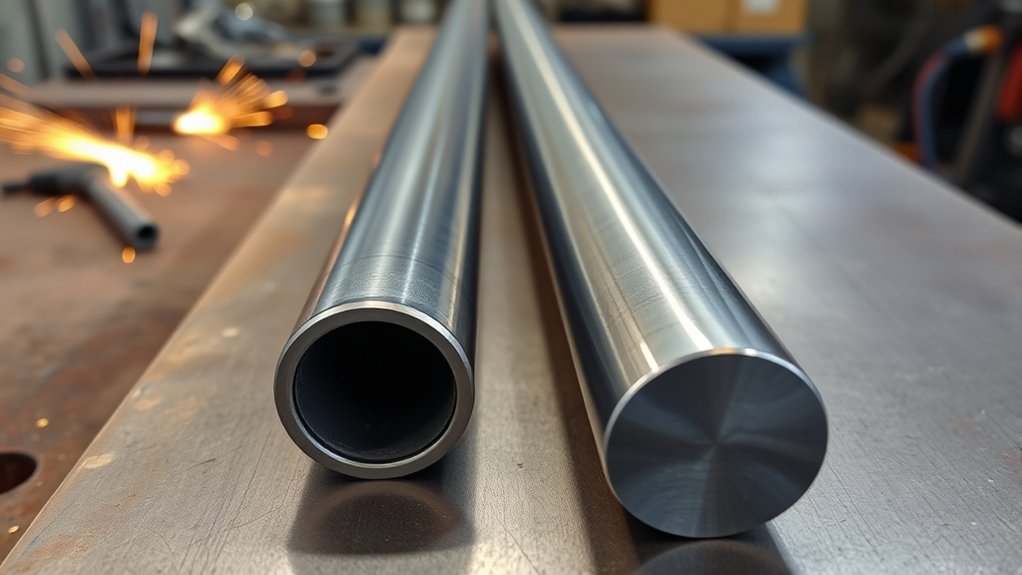
Chromoly can be worth it when the build truly benefits from weight reduction and high strength. That usually means a competition vehicle, a professional chassis, a fast drag car, or a rulebook-controlled roll cage where 4130 is allowed or required. The extra cost is not just the tubing. You may also pay more for careful notching, TIG welding labor, inspection, rework, and documentation.
Mild steel is usually the smarter choice when budget, repairability, and ease of fabrication matter more than saving every pound. For a street car, trail rig, drift practice car, shop-built project, or first cage, mild steel DOM is often practical because it is easier to weld and easier to repair after damage.
When comparing cost, include:
- Material price: 4130 tubing usually costs more than mild steel tubing.
- Labor time: chromoly fit-up and welding often take longer.
- Equipment: a quality TIG setup and proper fixturing may be needed.
- Inspection: race chassis certification can add cost.
- Repairability: mild steel is often easier to repair after a crash or field failure.
If the build is not weight-sensitive or rulebook-driven, mild steel often delivers better value. If the build is competitive and the rules allow thinner-wall 4130, chromoly may pay for itself through reduced weight and better packaging.
Products Worth Considering

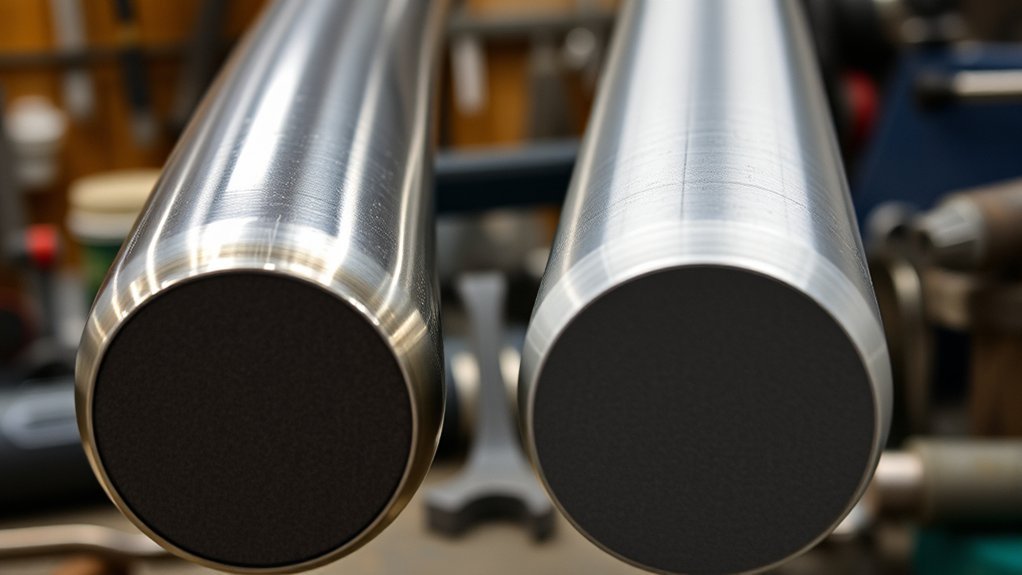
Suitable for Various Occasions: there are 2 pieces of metal round tubes in the package; Our seamless cold rolled steel tube is ideal for both indoor and outdoor use; Whether you're working on a DIY project at home or handling professional tasks on a construction site, and the metal round tubing delivers exceptional performance and versatility in any setting

High-Strength Chromoly Steel: Constructed from premium 4130 chromoly steel tubing for superior durability, strength, and performance in demanding racing and fabrication applications

Premium 4130 Chromoly Steel – Manufactured from high-strength round 4130 chromoly tubing for excellent durability and structural integrity
Best Use Cases for Chromoly vs Mild Steel in Automotive Chassis
The right material depends on how the vehicle will be used. A weekend street car and a professional drag chassis do not need the same tubing choice.
- Street car chassis reinforcement: mild steel is usually the practical choice because it is affordable, weldable, and easy to repair.
- Grassroots drift, autocross, or track-day car: mild steel DOM is often enough, but always check the event rules.
- Professional race chassis: 4130 chromoly is often favored because weight savings and stiffness matter more.
- Drag racing roll cage or chassis: follow the current NHRA rulebook, SFI specification, or the rulebook for your sanctioning body.
- Off-road or trail repair work: mild steel is often preferred because it can be repaired more easily with common shop equipment.
- Suspension links and high-stress tubular parts: 4130 may be a good fit when the design, welding, and heat control are correct.
For any cage or chassis, the rulebook should be checked before the design is finalized. Some classes specify tube outside diameter, wall thickness, material, weld process, gusseting, mounting plates, and inspection requirements. A beautiful weld does not help if the tubing is the wrong size or the cage layout does not pass inspection.
How Weight Affects Your Build: Chromoly vs Mild Steel
Chromoly does not weigh less than mild steel by density in any dramatic way. The weight savings come from the fact that its higher strength can allow thinner-wall tubing in designs where the rules permit it. That can reduce total chassis or cage weight, especially in a build with many feet of tubing.
Avoid quoting a single weight savings number for every roll cage. The actual difference depends on:
- outside diameter,
- wall thickness,
- total tube length,
- number of bars,
- gussets and mounting plates,
- sanctioning-body minimums,
- design safety factor.
Weight Savings With Chromoly
Chromoly is most valuable when you are allowed to use a smaller wall thickness while still meeting the rulebook and engineering requirements. In a competitive car, reducing weight high in the chassis can improve handling, braking, acceleration, and weight distribution.
That benefit only counts if the cage or chassis still passes inspection and has strong welds. Do not reduce wall thickness based only on a strength chart. Use the required tubing spec for your class and keep proof of material.
Mild Steel Advantages
Mild steel gives you practical advantages that matter in real garages. It is easier to cut, notch, tack, MIG weld, and repair. It is also less sensitive to heat-affected-zone cracking than 4130, which makes it more forgiving for welders who are still building skill.
For many builders, the extra weight is an acceptable tradeoff because mild steel keeps the project affordable and serviceable. In a street car, a slightly heavier but properly built mild steel structure is often a better choice than an expensive chromoly structure welded without the right experience.
Safety Standards, Rulebooks, and Material Compliance
Material selection for chassis welding is not only a performance decision. It is also a compliance decision. Before buying tubing, check the current rulebook for your class, series, track, or sanctioning body. Rules may specify material type, tube size, wall thickness, bend radius, mounting plate size, gusset placement, helmet clearance, door bar layout, and inspection intervals.
Welding also creates fire, fume, heat, ultraviolet light, electrical, and respiratory hazards. Follow safe hot-work practices, use proper ventilation, keep combustible materials away from the work area, and wear suitable PPE. OSHA’s welding, cutting, and brazing guidance is a useful baseline for shop safety.
For structural steel welding, AWS codes and qualified welding procedures may apply depending on the shop, vehicle, and inspection requirement. For motorsport work, the racing rulebook usually controls what is accepted. If the build will be certified, talk to the inspector before welding the final cage.
What Welders Learn From Working With Chromoly and Mild Steel
Experienced chassis fabricators usually do not describe chromoly as “better” in every situation. They describe it as more demanding. It rewards clean preparation, tight fit-up, steady TIG control, proper filler choice, and careful inspection. It punishes rushed prep and excessive heat.
Mild steel is more forgiving. It lets newer fabricators practice tube notching, tack placement, heat control, and bead consistency without the same level of cracking concern. That is why many first-time cage builders start with mild steel rather than 4130.
Real-World Applications
Choose 4130 chromoly when the vehicle is built around performance and the cost of skilled fabrication is already part of the project. Drag cars, professional race chassis, and lightweight tube structures are common examples.
Choose mild steel when the project needs strength, affordability, and repairability more than minimum weight. Street cars, many amateur track cars, off-road builds, and shop-made brackets often fall into this category.
Welding Challenges Faced
The biggest challenge with 4130 is not striking an arc. It is controlling the full process. The tube ends need to fit cleanly, the joint needs to be clean, heat input needs to stay controlled, and the part should not be quenched. Depending on thickness and procedure, preheat or post-weld steps may be required.
Mild steel still needs good technique. Undercut, cold lap, porosity, poor penetration, or bad tube fit-up can weaken any chassis weld. The difference is that mild steel usually gives you a wider margin for normal shop fabrication.
Performance Comparisons Shared
In performance terms, chromoly wins when you need strength with less tubing weight. Mild steel wins when you need lower cost, easier welding, and easier repair. Neither material can compensate for a bad chassis design or unqualified welding.
The best chassis material is the one that meets the rulebook, fits the budget, can be welded correctly, and suits the vehicle’s real use.
Frequently Asked Questions
What are the disadvantages of chromoly?
Chromoly costs more, requires better fit-up, and is less forgiving of poor heat control than mild steel. If it is welded with the wrong process, filler, or cooling practice, the joint or heat-affected zone can become more crack-prone. It may also be harder to repair in the field.
Is chrome moly steel hard to weld?
Chrome moly steel is not impossible to weld, but it is less forgiving than mild steel. Thin 4130 tubing is commonly TIG welded, but the welder must control fit-up, cleanliness, heat input, filler selection, and cooling. Critical chassis welds should follow an approved procedure.
Is chromoly better than mild steel?
Chromoly is better when you need high strength with less tubing weight and you have the skill, procedure, and budget to weld it correctly. Mild steel is better when affordability, repairability, and easier fabrication matter more. For many street and hobby builds, mild steel is the smarter choice.
Can you weld mild steel to chrome moly?
Yes, mild steel can be welded to chrome moly in some applications, but the joint needs proper preparation, filler selection, heat control, and inspection. For chassis or suspension parts, do not mix materials unless the design, welding procedure, and rulebook allow it.
Can you MIG weld 4130 chromoly tubing?
Some 4130 can be MIG welded under the right procedure, but TIG is often preferred for thin-wall chassis tubing because it offers better heat control and visibility. If the part is safety-critical or rulebook-controlled, use the process accepted by the inspector or written procedure.
Is DOM mild steel good for roll cages?
DOM mild steel is commonly used for many roll cages because it is strong, consistent, and easier to weld than 4130. It must still meet the required tube diameter, wall thickness, layout, and inspection rules for the vehicle’s class.
Conclusion
4130 chromoly and mild steel can both be good chassis materials, but they serve different builders. Choose chromoly when the vehicle needs weight savings, high strength, and rulebook-approved performance, and when you can weld and inspect it correctly. Choose mild steel when you want lower cost, easier fabrication, better repairability, and a more forgiving material. For any roll cage or chassis, start with the rulebook, confirm the tubing specification, and treat the welding procedure as part of the safety system.
Sources
- SAE J404 Chemical Compositions of SAE Alloy Steels – supports SAE/AISI alloy steel designation context for 4130.
- ASTM A500/A500M – supports cold-formed carbon steel structural tubing specification context.
- ASTM A36/A36M – supports carbon structural steel context for mild steel comparisons.
- OSHA Welding, Cutting, and Brazing – supports welding fire, fume, ventilation, and PPE safety guidance.
- NHRA Rulebook – supports checking current motorsport chassis and roll cage requirements before fabrication.
- FAA AC 43.13-1B – supports general accepted repair and welding considerations for aircraft-style tubular steel structures.