Disclosure: As an Amazon Associate, we earn from qualifying purchases. If you click a link on this page and make a purchase, we may receive a small commission at no extra cost to you.
Hardfacing a worn part is different from making a standard repair weld. You need a rod that can build up a wear surface without cracking under normal low-impact use. The Forney 42401 Supercote Welding Rod is made for moderate abrasion work on parts such as cast steel and manganese steel machine components. This review helps you decide if its 5/32-inch size, RC 52-58 hardness range, and 115-160 amp operating range fit your welder, repair job, and skill level.
Quick Verdict
Rating: 8/10
Best For: Welders who need a hardfacing rod for moderate abrasion, low-impact buildup, and repair work on worn machine parts.
Bottom Line: The Forney 42401 Supercote Welding Rod is a practical pick for surface buildup when you need a crack-resistant hardfacing deposit. It is not the right choice for every welding repair, especially if you need high-impact performance or a low-amperage rod for a small machine.
| Specification | Detail |
|---|---|
| Brand | Forney |
| Model | 42401 |
| Product type | Supercote hardfacing welding rod |
| Rod diameter | 5/32 inch |
| Package size | 1 lb box |
| Hardness | RC 52-58 |
| Recommended polarity | DC reverse or AC |
| Amperage range | 115-160 amps |
| Welding positions | Suitable for all-position hardfacing use |
| Best use | Surface buildup on new or worn cast steel and manganese steel machine parts |
| Safety note | Use proper welding PPE, ventilation, and the settings recommended for your welder and base metal. |
What Is the Forney 42401 Supercote Welding Rod?
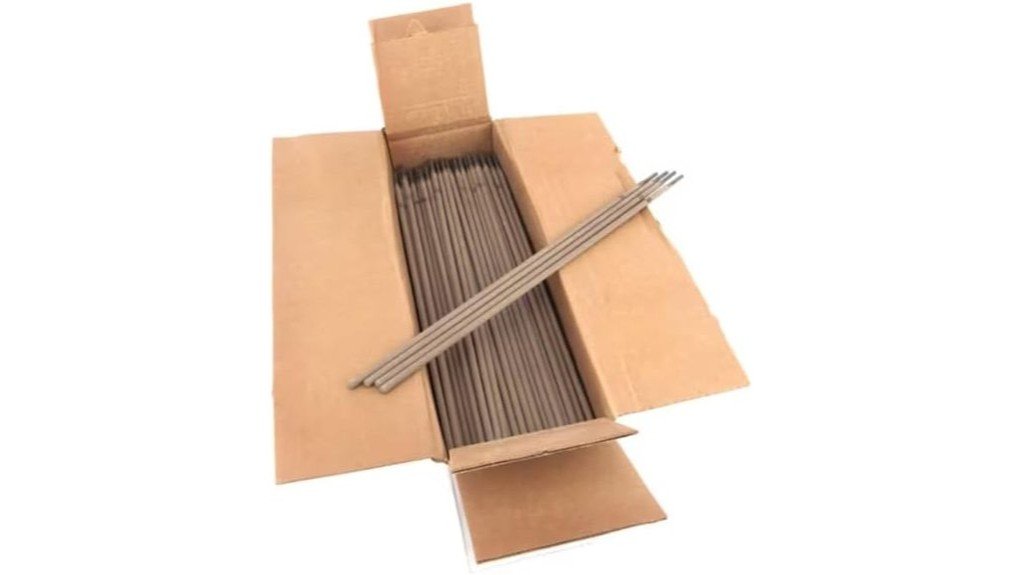
The Forney 42401 Supercote Welding Rod is a hardfacing electrode designed to add a wear-resistant surface to metal parts. Instead of joining two pieces of metal as its main job, it helps build up worn areas on parts that see rubbing, scraping, or moderate abrasion.
Forney lists this rod as a 5/32-inch hardfacing option in a 1 lb package. It is made for low-impact applications and produces a deposit with a hardness range of RC 52-58. That makes it useful for maintenance work on machine parts, farm equipment, shop repairs, and similar buildup jobs.
The rod is best viewed as a repair and wear-surface tool, not a general-purpose welding rod for every project. You get the most value from it when the base part is compatible, your welder can run the required amperage, and the repair calls for moderate abrasion resistance.
Before You Buy: This is a 5/32-inch hardfacing rod with a 115-160 amp range. Check that your stick welder can run that output and that your repair needs hardfacing, not a standard joining electrode.
Who Should Buy It?
Best For
- Welders repairing worn machine parts that need surface buildup.
- Shop, farm, and maintenance users working with cast steel or manganese steel parts.
- Buyers who want a hardfacing rod for moderate abrasion and low-impact use.
Skip If
- Your welder cannot run 5/32-inch rods in the 115-160 amp range.
- You need a rod for high-impact service rather than moderate abrasion.
- You want a general-purpose rod for joining mild steel instead of hardfacing.
Key Features of Forney 42401 Supercote Welding Rod
The Forney 42401 Supercote Welding Rod focuses on hardfacing performance. Its main job is to create a tougher surface on parts that have worn down from contact, scraping, or repeated abrasion.
The 5/32-inch diameter gives it a heavier profile than smaller stick electrodes. That can help when you need to lay down buildup material, but it also means your machine must support the recommended 115-160 amp range.
The RC 52-58 hardness rating is one of the most useful buying details. It tells you this rod is aimed at wear resistance rather than soft, easy-machining repairs. For best results, you should match that hardness level to the type of wear your part sees.
Hardfacing Performance and Abrasion Resistance
This rod is designed for moderate abrasion and low-impact applications. That makes it useful on parts that rub against soil, metal, gravel, or other rough surfaces but do not face heavy shock loads.
The crack-resistant weld deposit is a key reason buyers choose this type of rod. When hardfacing, a brittle deposit can fail early if the rod does not match the job. The Forney 42401 is meant to reduce that risk in its intended use range.
You should still prepare the base metal well. Remove grease, loose rust, paint, and contamination before welding. A clean surface helps the rod run more predictably and improves the chance of a durable buildup layer.
Arc Action and Slag Removal
The Forney 42401 is known for smooth arc action, which can make hardfacing easier to control. A stable arc helps you keep your bead placement more consistent, especially when you are building up an edge or worn surface.
Easy slag removal also matters because hardfacing often requires more than one pass. If slag traps between passes, the finished buildup can lose strength and consistency. Clean each pass fully before adding another layer.
Beginners can use this rod, but it is not the same as learning with a small general-purpose electrode. The 5/32-inch size and higher amperage range make practice and machine setup more important.
Compatibility and Best Applications
The Forney 42401 is best suited for surface buildup on cast steel and manganese steel parts. It can help restore wear surfaces on machine components when the part is still structurally sound enough to repair.
Common use cases include agricultural implements, construction equipment, shop tools, and other high-wear surfaces. It is a better match for maintenance and repair work than for decorative welds or thin sheet metal.
Use caution with unknown alloys, heavily cracked parts, or safety-critical components. In those cases, identify the base metal first and follow professional welding guidance before making the repair.
Polarity, Amperage, and Setup
The recommended polarity is DC reverse or AC, which gives you some flexibility depending on your stick welder. The listed amperage range is 115-160 amps, so this rod is best paired with a welder that can run that output with stable control.
Because it is a 5/32-inch rod, it may not be ideal for compact entry-level welders with limited amperage. Check your machine’s duty cycle as well, especially if you plan to run multiple hardfacing passes.
Start with the product label and your welder manual, then make small setting adjustments based on arc stability, bead shape, and slag behavior. Hardfacing works best when you keep heat input controlled and avoid rushing the pass.
Pro Tip: Practice on scrap metal with similar thickness before repairing the actual part. This helps you dial in amperage, travel speed, and bead overlap without wasting the workpiece.
How It Performs in Real Use
For Farm Equipment Repairs
For worn edges and surfaces on farm implements, this rod can add a harder wear layer where the part contacts soil or abrasive material. It works best when the repair area is clean and the base part still has enough strength left.
For Shop Maintenance
In a repair shop, the 1 lb package is useful when you only need a smaller amount of hardfacing rod. You can keep it on hand for occasional buildup work without buying a larger box.
For Construction Equipment Wear Surfaces
The RC 52-58 hardness range suits moderate abrasion on equipment parts that scrape or rub during use. It is not the best answer for every heavy-impact part, so match the rod to the wear pattern before welding.
For Learning Hardfacing Technique
The smooth arc and easy slag removal make this rod more manageable than some harder-running specialty electrodes. Still, new welders should expect a learning curve because bead placement, cleaning between passes, and heat control all affect the final result.
Usage Tips for Better Results
Clean the repair surface before striking an arc. Hardfacing over oil, paint, dirt, or loose scale can reduce bead quality and make slag harder to remove.
Use steady travel speed and avoid piling on too much weld metal in one pass. Multiple controlled passes usually give you a better buildup than one heavy, overheated pass.
Let the part cool as recommended for the base metal and application. Some parts may need special preheat or cooling steps, especially if they are cast steel, thicker sections, or unknown alloys.
Welding Safety and Material Notes
Hardfacing creates heat, fumes, arc radiation, and hot slag, so you should use proper PPE every time. Wear a welding helmet with the correct shade, gloves, protective clothing, and eye protection during cleanup.
Work in a well-ventilated area and follow the safety guidance on the product packaging and your welder manual. If you are welding manganese steel, cast steel, or unknown material, identify the metal and review safe welding practices first.
Do not use this rod for critical structural repairs unless the repair plan is approved by a qualified professional. Hardfacing improves a wear surface, but it does not fix every crack, fatigue issue, or damaged base part.
Pros and Cons
Pros
- RC 52-58 hardness suits moderate abrasion buildup.
- Works with DC reverse or AC stick welding setups.
- Designed for surface buildup on cast steel and manganese steel parts.
- Smooth arc action helps with bead control during repair work.
- Easy slag removal helps when you need multiple passes.
Cons
- Requires a welder that can handle 5/32-inch rods and 115-160 amps.
- Not ideal for high-impact applications or thin metal repairs.
- Requires correct surface prep and technique for the best results.
Is It Worth the Price?
The Forney 42401 Supercote Welding Rod offers strong value for the price if you need a small hardfacing pack for repair work. The 1 lb size makes sense for occasional users who do not want to buy a larger supply of specialty electrodes.
You get the most value if you already own a stick welder that can run 5/32-inch rods in the listed amperage range. If your machine is underpowered, the rod may be frustrating even if the product itself fits the repair.
It is worth considering if your main goal is moderate abrasion resistance on worn equipment parts. It is not the best fit if you need a rod for thin metal, high-impact buildup, or general fabrication joints.
How It Compares to Alternatives
Compared with standard mild steel electrodes such as E6011 or E7018, the Forney 42401 is more specialized. Those rods are better for many joining tasks, while this one is better when you need a harder wear surface.
Compared with heavier hardfacing options such as Forney 42405, the 42401 makes more sense when you want the same type of 5/32-inch Supercote hardfacing rod in a smaller 1 lb package. If you do frequent hardfacing work, a larger package may be more practical.
Frequently Asked Questions
What is the Forney 42401 Supercote Welding Rod used for?
It is used for hardfacing and surface buildup on worn metal parts. It works best for moderate abrasion and low-impact applications, especially on cast steel and manganese steel machine parts.
Can beginners use this welding rod?
Yes, but it is better for beginners who already understand basic stick welding. The 5/32-inch size and 115-160 amp range require more machine output and control than smaller practice rods.
What amperage should you use with the Forney 42401?
The listed amperage range is 115-160 amps. Start with the product label and your welder manual, then adjust within that range based on arc stability and bead shape.
Can it run on AC welders?
Yes, the recommended polarity is DC reverse or AC. This gives you more setup flexibility, but your machine still needs enough amperage for a 5/32-inch rod.
Is this rod good for high-impact parts?
It is intended for moderate abrasion and low-impact use. If the part takes repeated shock or heavy impact, compare a hardfacing rod designed for that type of service.
How should you store the welding rods?
Store them in a dry location and keep the package closed when not in use. Moisture and contamination can affect arc quality, slag behavior, and the final weld deposit.
Can you use it outdoors?
You can use it outdoors when conditions are safe for welding. Avoid wind, moisture, unstable work surfaces, and poor ventilation, and always follow normal welding safety practices.
Who should skip the Forney 42401?
Skip it if you need a low-amperage rod for a small welder, a general-purpose joining electrode, or a rod for high-impact hardfacing. It is most useful for controlled surface buildup on compatible worn parts.
The Bottom Line
The Forney 42401 Supercote Welding Rod is a smart buy if you need a 5/32-inch hardfacing rod for moderate abrasion and low-impact surface buildup. Its main strengths are RC 52-58 hardness, crack-resistant weld deposits, smooth arc action, and easy slag removal.
Skip it if your welder cannot run the required amperage or if your repair calls for high-impact performance. For the right hardfacing job, it earns its 8/10 rating as a practical, focused repair rod.