Automotive welding training can cost anywhere from a modest community-college course fee to a larger private trade-school package. In this example, the estimated program cost is about $21,250 before optional testing, personal safety gear, travel, and retesting. Your real cost depends on the school, program length, included equipment, certification path, and whether you qualify for grants or employer support.
Quick Answer
Automotive welding training may cost about $21,250 in a 24-week private program example, including registration, textbooks, tuition, and consumables. Budget more for PPE, tools, certification testing, retesting, transportation, and deposits. Always verify the school’s current tuition, aid eligibility, refund policy, and included certifications before paying.
Key Takeaways
- A sample 24-week, 384-hour automotive welding program can total about $21,250 before optional gear, testing, travel, and retesting.
- The biggest cost is usually tuition, but books, consumables, deposits, PPE, and certification fees can change your final budget.
- AWS, I-CAR, school certificates, and employer weld tests are different credentials, so confirm exactly what the program prepares you to take.
- Do not assume Pell, Workforce Pell, WIOA, or state grants apply. Ask the school for written aid eligibility details.
- The best value comes from a program with enough lab time, safe equipment, clear outcomes, and strong local employer connections.
At a Glance
| Time Required | Program examples range from short certificate courses to multi-semester programs. This article’s sample program is 24 weeks, 48 classes, and 384 training hours. |
| Difficulty | Moderate to advanced. Automotive welding often requires thin-sheet-metal control, clean fit-up, heat management, and safe shop habits. |
| Tools Needed | Welding helmet, gloves, jacket, safety glasses, respirator or ventilation where required, MIG/TIG practice equipment, wire, shielding gas, clamps, grinders, and measuring tools. |
| Cost | About $21,250 in this sample program estimate, plus possible PPE, tool, certification, retesting, transportation, and document fees. |
How Much Does Automotive Welding Training Cost?
In this sample pricing model, automotive welding training costs about $21,250. That estimate includes a $250 registration fee, a $450 textbook fee, a $19,800 course bundle, and about $750 for consumables such as wire, gas, abrasives, and practice materials.
You should treat that figure as a program example, not a national average. A community college certificate, private trade-school program, manufacturer course, or employer-sponsored training path can price very differently. Some schools charge by credit hour, some charge one bundled tuition price, and some bill tools, books, testing, and supplies separately.
| Cost Item | Sample Cost | What To Verify |
|---|---|---|
| Registration fee | $250 | Whether it is refundable if you cancel before class starts. |
| Textbooks and course materials | $450 | Whether digital access, manuals, diagrams, and code references are included. |
| Core course bundle | $19,800 | Total clock hours, lab hours, instructor access, and equipment access. |
| Consumables | About $750 | Whether wire, shielding gas, coupons, grinding media, and filler rod are billed as used. |
| Security deposit | About $275 | When it is due and what conditions make it refundable. |
| PPE, tools, and testing | Varies | Whether the school includes safety gear, machine time, test coupons, and certification fees. |
The smartest way to compare schools is to ask for the total cost of attendance, not just tuition. That number should include school fees, required supplies, PPE, exam charges, retesting fees, travel, parking, missed work time, and any deposit.
Note: If a school gives you only a tuition number, ask for a written line-item estimate before you apply. Welding programs often look cheaper until books, supplies, protective gear, and testing are added.
What Does Automotive Welding Tuition Cover?
Automotive welding tuition usually covers classroom instruction, supervised lab time, equipment access, and structured practice in processes used in repair and fabrication. In this sample program, the $19,800 bundle covers a 24-week curriculum with 48 classes and 384 hours of hands-on training.
The strongest programs teach more than how to run a bead. They should cover fit-up, joint preparation, heat control, weld inspection, distortion control, thin-sheet-metal repair, safe grinding, and process selection for automotive materials.
Course Materials And Fees
The sample tuition package includes a $250 registration fee, a $450 textbook fee, and a $19,800 course bundle. Those charges bring the core school cost to $20,500 before the estimated $750 in consumables.
- $250 registration fee: usually paid when you apply or reserve your seat.
- $450 textbook fee: covers required manuals, reference material, or course packets.
- $19,800 course bundle: covers the main instructional program.
- About $750 in consumables: covers materials used during practice and lab work.
Before you enroll, ask whether the school provides a syllabus, refund schedule, weekly class calendar, attendance policy, and written list of required gear.
Skills, Labs, And Certification Preparation
A strong automotive welding program should give you repeated practice with thin sheet metal, plug welds, lap joints, butt joints, patch panels, frame-related work where appropriate, and weld evaluation. Programs may also introduce GMAW and GTAW welding processes, depending on the curriculum.
Some programs prepare students for AWS sheet metal testing, I-CAR-related collision repair training, or school-issued performance tests. These are not all the same credential. The AWS Certified Welder program is performance-based and does not require a specific education path, although training can help you prepare.
Pro Tip: Ask the school, “Which exact certification or qualification test will I be ready to take, and is the exam fee included in tuition?” That one question prevents many cost surprises.
What Tools, Books, And Safety Gear Do You Need?
For automotive welding training, you will usually need textbooks, PPE, practice materials, and sometimes a school-approved MIG/TIG kit. In the sample pricing, the textbook fee is about $450, consumables are about $750, and a specialized MIG/TIG practice kit may cost around $299 if the school requires or recommends it.
Safety gear is not optional. You should expect to need a welding helmet, safety glasses, welding gloves, flame-resistant jacket or sleeves, leather boots, hearing protection, and respiratory protection or ventilation when required by the shop environment. OSHA covers welding, cutting, and brazing safety requirements under 29 CFR 1910 Subpart Q, and your school may have stricter shop rules.
Warning: Automotive welding can expose you to burns, eye injury, fire risk, fumes, grinding dust, and coated-metal hazards. Never weld painted, galvanized, plated, or contaminated metal unless the coating has been handled correctly and the shop has proper ventilation and safety procedures.
- Welding helmet with the proper lens shade or auto-darkening rating
- Safety glasses and face protection for grinding
- Welding gloves and flame-resistant clothing
- Boots, hearing protection, and respiratory protection where required
- MIG/TIG practice equipment if required by the school
- Wire, filler rod, shielding gas, coupons, clamps, and abrasives
If you are new to welding, do not buy every tool before orientation. Ask for the school’s approved tool list first, because some programs require specific PPE, specific textbook editions, or school-supplied equipment.
Products Worth Considering

True Color Clear View: A 3.64" x 1.67" viewing area with 1/1/1/1 optical clarity delivers a true color view for improved visibility and reduced eye strain.

✅Arc & Flame Resistant for Life - This 7 oz material is a soft, breathable cotton. They will remain arc and flame retardant regardless of the washes and wear cycles. These cotton fr balaclavas are NFPA 70E Compliant, HRC / CAT 2, EBT = 12 cal/cm² and meet ASTM F1506.
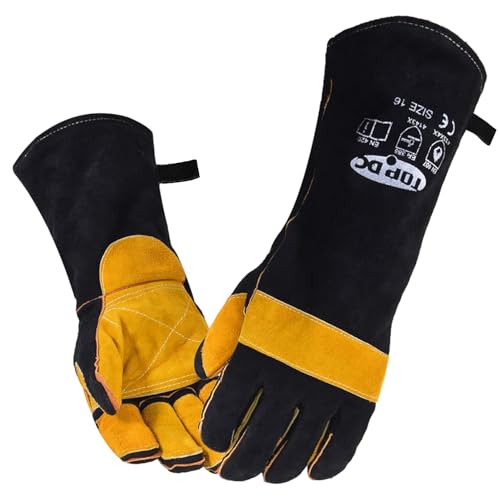
EXTREME HEAT RESISTANT PROTECTION: Reinforced Kevlar & Double leather stitching and high strength sewing on both fingers, palms, elbow and back. A fully lined interior to withstand daily exposure to heat, flames, spatter or sparks. These gloves are guaranteed to withstand extreme temperatures up to 932°F(500℃)
How Does Bundle 9 Pricing Break Down?
In the sample program, Bundle 9 is the core tuition package. It costs $19,800 and covers 384 hours of automotive welding training across 48 classes over 24 weeks. That works out to about 16 training hours per week.
| Item | Quantity | Value |
|---|---|---|
| Classes | 48 | 24 weeks |
| Training time | 384 | hands-on and classroom hours |
| Core tuition | 1 bundle | $19,800 |
This bundle gives you a clear tuition benchmark, but it does not automatically include every possible school-related cost. You still need to confirm consumables, safety gear, testing fees, deposits, and payment deadlines.
Products Worth Considering

Sateen Fabric: The IRONCAT 7050 FR Sateen cotton jacket features 9 oz. sateen fabric with black anodized snaps on the front for secure fastening
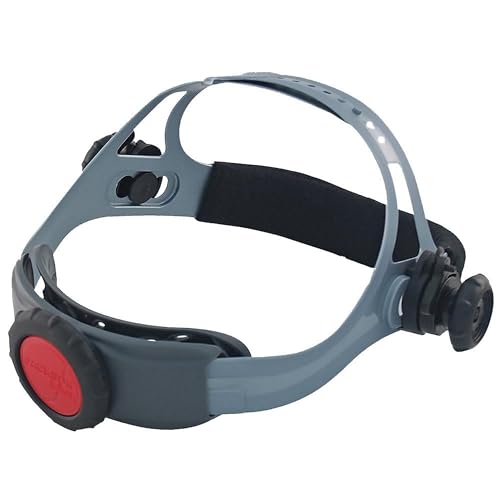
REPLACEMENT WELDING HELMET HEADGEAR - Jackson Safety's Premium 370 Speed Dial Replacement Headgear offers a perfect fit and secure hold for your welding hood

Registration And Textbook Fees
To enroll in the sample automotive welding course, you would pay a $250 registration fee plus a $450 textbook fee. Together, those upfront charges add $700 before consumables and deposits.
- Registration fee: $250
- Textbook fee: $450
- Combined upfront cost: $700
- Core bundle plus these fees: $20,500
Ask whether registration and textbook fees are refundable, transferable, or locked to a specific start date. This matters if you need to delay enrollment.
Core Program Tuition
The core program tuition is the largest line item. At $19,800, it should pay for structured instruction, supervised lab practice, machine access, and feedback on weld quality. A good program should also explain how students are evaluated and whether they receive written progress reports.
When comparing schools, look beyond the price. A cheaper program may be a better value if it offers strong instructor support and enough lab time. A more expensive program may be worthwhile if it includes specialized automotive sheet metal practice, modern equipment, small class sizes, and strong employer connections.
Consumables And Total Cost
Consumables are materials you use during practice. They may include wire, filler metal, shielding gas, test coupons, sheet metal, grinding discs, flap wheels, cutting wheels, and cleaning supplies. In the sample program, consumables are estimated at about $750 and billed as needed.
- Consumables can rise if you need extra practice.
- Retesting can add cost if a certification or performance test is not included.
- Personal PPE can add cost if the school does not supply it.
- Commuting, parking, and missed work time can affect your real budget.
For the sample program, the $19,800 bundle, $250 registration fee, $450 textbook fee, and $750 consumables estimate bring the projected total to about $21,250.
What Extra Fees And Consumables Should You Expect?

Beyond tuition, automotive welding students should budget for fees that may not appear in the headline price. These can include a security deposit, PPE, tool kits, shop supplies, certification applications, test coupons, retesting, and transportation.
| Extra Cost | Estimated Cost | Notes |
|---|---|---|
| Security deposit | About $275 | Ask when it is due and when it is refunded. |
| PPE | Varies | Helmet, gloves, jacket, eye protection, boots, and respiratory protection where required. |
| Practice kit | Around $299 if required | Confirm whether this is required, optional, or supplied by the school. |
| Workshop gear rental | Around $49.95 if offered | May help if you are not ready to buy all gear immediately. |
| Certification application or exam fees | Varies | AWS, I-CAR, school, and employer tests may have different costs. |
| Retesting | Varies | Ask whether one retest is included or charged separately. |
Consumables are especially important in welding because they are tied to practice time. More practice can improve skill, but it can also increase material use. Ask whether the school caps consumable charges or bills them as used.
How Do I-CAR And AWS Certifications Affect The Total Cost?
Certification can improve the value of your training, but it can also add fees. The key is knowing which credential you are paying for. A school completion certificate, an AWS Certified Welder test, I-CAR collision-repair training, and an employer weld test are different things.
The AWS Certified Welder program is performance-based and does not require a specific education path. AWS lists separate program fees on its certification price list, and actual weld-test charges can vary by Accredited Test Facility.
Certification Test Fees
Certification test fees may include an application fee, testing facility charge, coupon or material charge, inspection fee, and retest fee. If the school says certification is included, ask whether that means preparation, one exam attempt, the application fee, or the complete testing package.
- AWS testing: may involve application fees and Accredited Test Facility costs.
- I-CAR-related training: may be useful for collision repair, but prices and requirements vary by course and provider.
- School certificates: show course completion but may not equal an outside industry credential.
- Employer weld tests: are often job-specific and may be required even after school.
Certification Value Add
Certification can help prove skill, but it does not replace practice, safety habits, and clean workmanship. In automotive settings, employers may care about your ability to weld thin material, control heat, follow repair procedures, and pass shop-specific tests.
If you are comparing programs, ask for the exact certification name, the issuing organization, the current exam cost, pass-rate information, and whether retesting is included. This helps you avoid paying for vague “certification preparation” when you expected a completed credential.
How Do Community College And Private School Costs Compare?
Community colleges often have lower tuition than private trade schools, especially for in-district students. They may also offer financial aid, state grants, or workforce funding if the program and student qualify. The tradeoff is that the schedule may be tied to semesters, prerequisites, or limited lab seats.
Private welding schools may charge more, but they can offer shorter timelines, focused lab schedules, and bundled pricing. Some private programs may be designed for students who want faster entry into a specific trade path, such as automotive fabrication, collision repair, motorsports, or performance work.
Compare total program cost, lab hours, certification access, safety equipment, instructor experience, and job outcomes before choosing the cheapest or fastest option.
| School Type | Typical Advantage | Cost Question To Ask |
|---|---|---|
| Community college | Lower tuition and possible aid eligibility | What is the total cost after fees, supplies, PPE, and out-of-district tuition? |
| Private trade school | Focused schedule and bundled training path | Are books, tools, consumables, and testing included? |
| Employer-sponsored training | May reduce your out-of-pocket cost | Do you owe repayment if you leave the company early? |
| Manufacturer or specialty course | Targeted skills for a specific repair or fabrication path | Does it lead to a recognized credential or only a completion certificate? |
Which Enrollment Requirements Can Add Costs?
Enrollment requirements can add small but real costs before class begins. In the sample program, you should plan for a $250 registration fee, a $450 textbook fee, and a $275 security deposit collected around orientation. You may also need valid identification, proof of high school completion or equivalent, and signed safety forms.
If you need replacement documents, transcripts, work boots, prescription safety glasses, or transportation changes, your startup cost can rise. Some schools also require attendance at orientation before you can use shop equipment.
Before paying, ask admissions these questions:
- What is the full written cost of attendance?
- Which costs are due before the first class?
- What costs are refundable if I withdraw?
- Are textbooks, PPE, consumables, and testing included?
- How many lab hours are guaranteed?
- What happens if I fail a weld test or need extra practice?
- Does the program qualify for Pell, Workforce Pell, WIOA, state grants, or veteran benefits?
- Can I see recent completion, placement, and wage-outcome information?
How Can You Pay For Automotive Welding School?

Once you know the full cost, choose a payment plan that does not leave you short on safety gear, transportation, or retesting money. Some programs require full payment with the application, while others allow installments, grants, loans, scholarships, or employer sponsorship.
Start by asking the school whether the program is eligible for federal student aid, Pell Grants, Workforce Pell, WIOA funding, state workforce grants, veteran education benefits, or local scholarships. Eligibility depends on the student, school, program length, approval status, and current funding rules.
- Savings: best if you can pay without high-interest debt.
- Installment plan: useful if the school offers clear payment dates with no hidden fees.
- Employer support: ask local body shops, fabrication shops, and dealerships about tuition help.
- Workforce funding: check state workforce boards, WIOA programs, and approved short-term training lists.
- Private loans: compare interest, fees, repayment terms, and whether the school is approved by the lender.
- Scholarships: look for trade associations, local foundations, unions, and community programs.
Do not sign a payment agreement until you understand the refund policy, withdrawal deadlines, credential outcome, and what happens if the class is canceled or postponed.
Is Automotive Welding Training Worth The Price?
Automotive welding training can be worth the price if it gives you enough supervised practice, safe equipment access, strong feedback, and a credential or skill set that local employers value. It is less valuable if the program is expensive, vague about outcomes, light on lab time, or unclear about certification costs.
To judge value, compare the program cost against local wages and job demand. The U.S. Bureau of Labor Statistics Occupational Employment and Wage Statistics tables can help you compare wages for welders, cutters, solderers, brazers, and related repair occupations by location.
Also ask the school for its own outcome data. A serious program should be able to discuss completion rates, job placement support, employer partners, graduate wage ranges, and what type of welding work graduates typically enter.
The price is easier to justify when the program helps you build real shop skill: clean fit-up, accurate heat control, safe grinding, correct PPE use, process knowledge, and the ability to pass a practical weld test. Those skills can support work in collision repair, restoration, fabrication, motorsports, and general welding jobs.
Frequently Asked Questions
Can automotive welders make $100,000 a year?
Some welders can reach $100,000 with overtime, travel work, advanced certifications, specialty fabrication, union work, business ownership, or high-demand industrial jobs. It is not a typical entry-level automotive welding wage, so compare local wage data before using that number in your budget.
How hard is it to pass an automotive welding test?
It can be challenging because automotive welding often involves thin material, tight fit-up, heat control, and clean technique. You improve your chances by practicing on the same material thickness, joint type, and process used in the test.
Does automotive welding pay well?
It can pay well as your skill improves, but wages vary by location, employer, overtime, certification, and specialty. Use BLS wage data, local job postings, and the school’s graduate outcome reports to estimate realistic pay in your area.
Do you need AWS certification for automotive welding?
Not always. Some employers use their own weld tests, and collision-repair shops may value different training than structural welding employers. AWS certification can still help prove skill, especially when the test matches the process and material you plan to use.
Can Pell Grants cover automotive welding training?
Possibly, but only if the school, program, and student qualify under current rules. Ask the school for written confirmation of Title IV, Pell, Workforce Pell, WIOA, state grant, and veteran-benefit eligibility before you count aid in your budget.
What safety gear should you buy first?
Start with the school’s approved PPE list. Most students need a welding helmet, safety glasses, welding gloves, flame-resistant clothing, boots, and hearing protection. Do not buy expensive specialty gear until the instructor confirms what the program requires.
Conclusion
Automotive welding training is a serious investment, so compare programs by total cost, not tuition alone. The sample program in this guide reaches about $21,250 with registration, textbooks, tuition, and consumables, but your final price may change once PPE, deposits, testing, retesting, commuting, and financing are included.
The best program is the one that gives you safe instruction, enough lab time, clear certification preparation, transparent pricing, and realistic job support. Before you enroll, ask for a full written cost sheet, verify aid eligibility, compare local wages, and confirm which credentials are included. A careful budget now can help you enter the trade with better skill, fewer surprises, and a stronger path toward paid welding work.
Sources
- American Welding Society Certified Welder Program — explains AWS Certified Welder testing and credential basics.
- American Welding Society Certification and Education Price List — supports current AWS certification fee guidance and the need to confirm testing costs.
- OSHA 29 CFR 1910 Regulations — supports welding, cutting, brazing, PPE, and shop-safety context.
- U.S. Bureau of Labor Statistics OEWS Tables — supports checking current wage data by occupation and location.
- Federal Student Aid: Pell Grants — supports verifying grant eligibility instead of assuming a welding program is covered.