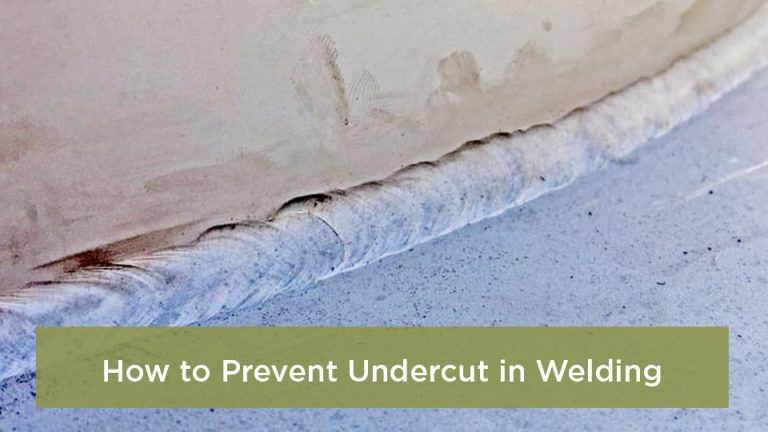
I can’t count how many times I’ve set up for a quick job, only to find my MIG welder not working the way it should. Sometimes the arc sputters like it’s starving for wire, other times the bead looks more like bird droppings than a clean weld. If you’ve been there, you know the frustration—especially when you’ve prepped your joint, clamped your workpiece, and picked the right wire diameter for the metal thickness.
Whether you’re running mild steel, dabbling in stainless welding, or switching between MIG vs TIG for cleaner control, a machine that refuses to cooperate can kill productivity fast. And here’s the thing: most MIG issues aren’t catastrophic failures—they usually come down to overlooked details like liner clogs, poor gas flow, or even simple contact tip wear.
Getting these problems sorted isn’t just about saving time; it’s about weld quality, safety, and making sure your hard work has the structural strength it needs. Stick around—I’ll break down the most common causes, troubleshooting steps, and shop-tested fixes to get your welder running smooth again.
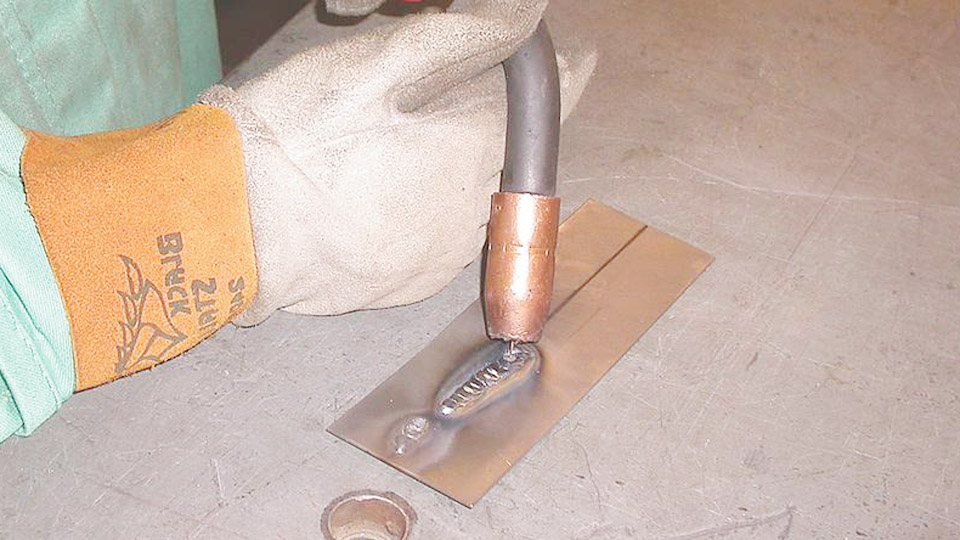
Image by grassrootsmotorsports
Why MIG Welder Issues Matter
A misbehaving MIG welder isn’t just an annoyance—it can compromise weld quality, safety, and efficiency. Poor welds lead to weak joints, which could fail under stress, whether you’re building a structural beam or a custom motorcycle frame. Safety is another big concern; an erratic arc or faulty ground can cause burns, shocks, or even fires. For professionals, downtime means lost productivity, and for hobbyists, it’s a buzzkill that stalls your project.
Understanding how to troubleshoot and fix your MIG welder ensures your work holds up to industry standards, like those set by the American Welding Society (AWS Z49.1), and keeps your shop running smoothly.
Common MIG Welder Problems and Their Fixes
Let’s break down the most frequent issues you’ll encounter with a MIG welder. I’ll cover what’s happening, why it’s happening, and how to fix it, with some practical tips I’ve learned from years of trial and error in the shop.
Erratic Arc or No Arc at All
An erratic arc—crackling, flaring, or not starting at all—is one of the most common complaints. I remember a time when I was welding a steel bracket, and the arc kept stuttering like a bad radio signal. It drove me nuts until I figured out the culprits.
The issue often stems from a poor electrical connection or improper settings. First, check your ground clamp. If it’s not securely attached to clean, bare metal, your arc will be unstable. Scrape off rust, paint, or grease from the workpiece with a wire brush or grinder. Next, inspect the ground cable for frays or loose connections at the machine. A weak ground is like trying to charge your phone with a frayed cable—it just won’t work right.
Another common cause is incorrect voltage or wire feed speed. If your settings are too low, the arc won’t strike properly; too high, and you’ll burn through the material. Most MIG welders have a chart inside the machine cover recommending settings based on material thickness and wire diameter. For example, welding 1/8-inch mild steel with 0.035-inch wire typically requires around 18–20 volts and a wire feed speed of 200–250 inches per minute (IPM). Start there and tweak as needed (use your machine’s chart or a reputable calculator from your manufacturer).
If your arc is still erratic, check the contact tip. A worn or dirty tip can disrupt current flow. Replace it if it’s burned or clogged with spatter, and make sure it matches your wire size (e.g., 0.035-inch tip for 0.035-inch wire; see Hobart Brothers).
Wire Feed Issues
If the wire isn’t feeding smoothly or is coming out in jerks, your weld quality will suffer, and you’ll likely end up with a bird’s nest of tangled wire inside the machine. I’ve had this happen mid-project, and it’s a mess to untangle.
Start by checking the drive rolls. These pull the wire from the spool to the gun. If they’re worn, misaligned, or caked with debris, the wire won’t feed consistently. Remove the drive rolls and clean them with a wire brush. Ensure the groove size matches your wire diameter—0.030-inch wire needs a 0.030-inch groove, for instance. Also, check the tension on the drive rolls. Too loose, and the wire slips; too tight, and it can deform, causing more issues. Adjust the tension knob until the wire feeds smoothly without slipping.
Next, inspect the liner inside the MIG gun. This tube guides the wire from the feeder to the contact tip. Dust, metal shavings, or spatter can clog it, especially if you haven’t cleaned it in a while. Disconnect the gun, blow it out with compressed air, and replace the liner if it’s damaged. I make it a habit to clean the liner every time I change a wire spool to avoid surprises.
Using the wrong wire type can also cause feed issues. For mild steel, ER70S-6 wire is a go-to for its versatility and good penetration. For aluminum, use ER4043 or ER5356, but ensure your machine has a spool gun or Teflon liner to handle the softer wire (MillerWelds, 2025).
Shielding Gas Problems
Shielding gas protects the weld pool from atmospheric contamination, but if it’s not flowing properly, you’ll get porous, weak welds that look like Swiss cheese. I learned this the hard way when I rushed a job and didn’t notice my gas cylinder was nearly empty.
First, check your gas supply. Ensure the cylinder is open and has enough pressure—on short-circuit MIG with a 75/25 (C25) mix, set about 20–25 CFH for consistent coverage (MillerWelds, accessed 2025-10-14).
Wind or drafts can also disrupt shielding gas, especially if you’re welding outdoors. If you’re in a breezy shop, set up a welding screen or move to a sheltered area. For gas selection, a 75/25 argon/CO2 mix is standard for mild steel, offering a good balance of penetration and arc stability (MillerWelds). For stainless steel, a tri-mix such as 90% helium / 7.5% argon / 2.5% CO2 performs well in short-circuit transfer (Airgas, accessed 2025-10-14; see also Lincoln Electric Blue Max 308L, accessed 2025-10-14).
If porosity persists, check your nozzle. A clogged or damaged nozzle can disrupt gas flow. Clean it with a wire brush or replace it if it’s too far gone.
Burnback and Spatter
Burnback—when the wire burns back into the contact tip—is a pain. It stops the wire feed and can ruin your tip. Excessive spatter, those annoying metal droplets around your weld, also makes cleanup a chore. Both issues often come from improper settings or technique.
For burnback, check your stick-out, the distance between the contact tip and the workpiece. Aim for 3/8 to 1/2 inch (contact-tip-to-work distance/CTWD) for short-circuit MIG (Bernard & Tregaskiss, 2022). Too much stick-out reduces current, causing the wire to burn back. Also, ensure your contact tip isn’t worn out or oversized for the wire. A 0.035-inch wire needs a 0.035-inch tip, which maintains good current transfer (Hobart Brothers).
Spatter often results from high voltage or wire feed speed. Dial back both slightly and test on scrap metal. A steady hand and consistent travel speed also help. I’ve found that a 10–15° push angle (pointing the gun in the direction of travel) typically reduces spatter compared to dragging the weld (Bernard & Tregaskiss, 2022).
Don’t skip anti-spatter spray. Apply it to the nozzle and workpiece to make cleanup easier. It’s a small step that saves time.
Step-by-Step Troubleshooting Guide
When your MIG welder isn’t working, follow this systematic approach to pinpoint the issue. I’ve used this checklist in my shop countless times, and it’s saved me from hours of frustration.
Check the Power Supply: Ensure the welder is plugged in and the outlet provides the correct voltage (120V or 230V, depending on your machine). Test the breaker and inspect the power cord for damage.
Inspect the Ground: Verify the ground clamp is attached to clean metal and the cable is intact. A loose or dirty ground is a common culprit.
Review Settings: Match voltage and wire feed speed to the material thickness and wire type, using the machine’s chart as a guide (manufacturer calculators are helpful).
Examine the Wire Feed System: Check drive rolls, tension, and the liner for blockages or wear. Clean or replace as needed.
Verify Shielding Gas: Confirm the cylinder has pressure, the regulator is set to about 20–25 CFH on C25 (MillerWelds), and there are no leaks. Ensure the nozzle is clean.
Inspect Consumables: Replace worn contact tips, nozzles, or diffusers. Ensure they match your wire size and material (tip-to-wire match improves current transfer; Hobart Brothers).
Test on Scrap: Run a test weld on scrap metal to fine-tune settings and technique before tackling your project.
Comparison Table: Common MIG Welder Issues and Solutions
| Issue | Symptoms | Possible Causes | Fixes |
|---|---|---|---|
| Erratic/No Arc | Crackling, flaring, or no arc | Poor ground, wrong settings, worn tip | Secure ground, adjust voltage/wire speed, replace contact tip |
| Wire Feed Issues | Jerky feed, bird’s nesting | Dirty drive rolls, wrong tension, clogged liner | Clean rolls, adjust tension, blow out or replace liner |
| Shielding Gas Problems | Porous welds, Swiss cheese appearance | Low gas, leaks, drafts | Check cylinder pressure, fix leaks, use welding screen; set ~20–25 CFH on C25 (MillerWelds) |
| Burnback/Spatter | Wire burns into tip, excessive droplets | Long stick-out, high settings, wrong tip | Maintain 3/8–1/2 in CTWD; lower settings; use correct tip; apply anti-spatter (Bernard & Tregaskiss) |
Choosing the Right Equipment and Consumables
Your MIG welder’s performance depends on the right setup. Here’s a quick guide to equipment and consumables for common materials, based on my experience in the shop.
Wire Selection
Mild Steel: ER70S-6 is versatile, offering good penetration and minimal spatter. Use 0.030-inch for thin materials (up to 1/8 inch) and 0.035-inch for thicker stock.
Aluminum: ER4043 works for general-purpose aluminum welding, while ER5356 is better for structural work due to its higher strength. A spool gun or push-pull system is recommended for feeding softer wire (MillerWelds, 2025).
Stainless Steel: ER308L is ideal for 304 stainless (Lincoln Electric, accessed 2025-10-14), providing clean welds with minimal corrosion. Use a tri-mix gas for best results in short-circuit (e.g., 90/7.5/2.5; Airgas).
Gas Selection
- Mild Steel: 75/25 argon/CO2 for smooth arcs and good penetration (MillerWelds).
- Aluminum: Pure argon for clean welds and stable arcs (MillerWelds).
- Stainless Steel: Tri-mix (90% helium, 7.5% argon, 2.5% CO2) for better flow and reduced oxidation (Airgas).
Machine Recommendations
For hobbyists, the Hobart Handler 140 is a solid 120V choice for light fabrication and repairs. Professionals might prefer the Miller Millermatic 211 for its dual-voltage versatility and smooth performance on thicker materials. Both are reliable and user-friendly, with clear setting charts for beginners.
Safety Considerations
Welding is inherently risky, and a malfunctioning MIG welder amplifies those dangers. Always wear a properly shaded welding helmet (shade 10–12 for typical MIG currents) with eye protection selected per OSHA shade tables (OSHA Fact Sheet). Wear leather gloves, a flame-resistant jacket, and steel-toed boots. Ensure your workspace is ventilated to reduce exposure to welding fumes—stainless welding can generate hexavalent chromium fumes and galvanized steel can produce zinc oxide; follow NIOSH/OSHA controls and respirator guidance (NIOSH Cr(VI); NIOSH Zinc Oxide; AWS Z49.1). I once got a mild zap from a frayed cable—lesson learned to inspect equipment before every session.
Practical Tips for Better MIG Welding
Here are some hard-earned tips to keep your MIG welder running smoothly and your welds looking pro:
Prep Work is King: Clean your workpiece thoroughly. Rust, paint, or oil will cause porosity and weak welds. A grinder or wire brush is your best friend.
Test Settings First: Always run a test weld on scrap metal to dial in voltage, wire speed, and travel angle before starting your project.
Maintain Your Machine: Clean drive rolls, liners, and nozzles regularly. I schedule a quick maintenance check every month to catch issues early.
Control Your Stick-Out: Keep it at 3/8 to 1/2 inch for consistent arcs and minimal spatter (Bernard & Tregaskiss).
Practice Patience: Rushing leads to mistakes. Take your time to set up properly, and your welds will thank you.
Real-World Applications
Whether you’re a DIYer fixing a lawnmower frame, a hobbyist building a custom BBQ grill, or a pro fabricating structural components, a reliable MIG welder is critical. For example, when welding thin sheet metal for auto body work, use low voltage (16–18V) and a fast travel speed to avoid burn-through.
For thicker steel plates in structural jobs, crank up the voltage (20–22V) and slow your travel for deeper penetration. Always match your wire and gas to the material and joint type to meet AWS standards and ensure durability.
Conclusion
Troubleshooting a MIG welder that’s not working can feel overwhelming, but with the right approach, you’re now equipped to tackle the most common issues like a pro. From checking your ground and settings to maintaining your wire feed and shielding gas, you’ve got a clear roadmap to get back to welding strong, clean beads. Whether you’re a DIYer, hobbyist, or professional, understanding your machine and its quirks will save you time, money, and frustration.
FAQ
Why is my MIG welder not feeding wire properly?
Jerky or inconsistent wire feed usually comes from dirty drive rolls, incorrect tension, or a clogged liner. Clean the rolls with a wire brush, adjust tension so the wire doesn’t slip or deform, and blow out the liner with compressed air. Also, ensure you’re using the right wire size and type for your machine.
How do I fix porosity in my MIG welds?
Porosity, those tiny holes in your weld, often results from inadequate shielding gas or a dirty workpiece. Set gas flow around 20–25 CFH on C25 (MillerWelds), fix any leaks, and shield the weld area from drafts. Clean the metal thoroughly with a grinder or wire brush to remove rust, paint, or oil.
What settings should I use for MIG welding mild steel?
For 1/8-inch mild steel with 0.035-inch ER70S-6 wire, start with 18–20 volts and 200–250 IPM wire feed speed, using a 75/25 argon/CO2 gas mix. Adjust based on your machine’s chart and test on scrap metal to fine-tune.
Why does my MIG welder keep burning back?
Burnback happens when the wire burns into the contact tip, often due to excessive stick-out or high settings. Maintain a 3/8 to 1/2-inch stick-out, lower voltage or wire speed slightly, and ensure the contact tip matches your wire size (Hobart Brothers).
How often should I maintain my MIG welder?
Clean drive rolls, liners, and nozzles every time you change a wire spool, and inspect cables and connections monthly. Regular maintenance prevents most issues and keeps your welds consistent.