I can’t tell you how many times I’ve run into that frustrating moment when the MIG welder wire feeds but no arc fires up. The first time it happened to me, I was in the middle of tacking some mild steel tubing for a garage project, filler wire smoothly rolling out, but nothing sparking. At first, I thought it was bad prep or maybe the metal thickness throwing things off—kind of like when you switch between MIG vs TIG and forget that arc control is a whole different game.
But as I dug deeper, I realized this issue pops up more often than most welders admit, whether you’re working stainless, patching thin sheet, or trying to get full penetration on a thicker joint. It’s not just annoying—it can kill productivity, waste gas, and leave you questioning your setup.
Since arc ignition is critical for weld quality, safety, and structural strength, it’s worth knowing the real causes and fixes. Stick around, because I’m going to break down why this happens and how you can get your machine striking an arc reliably every time.
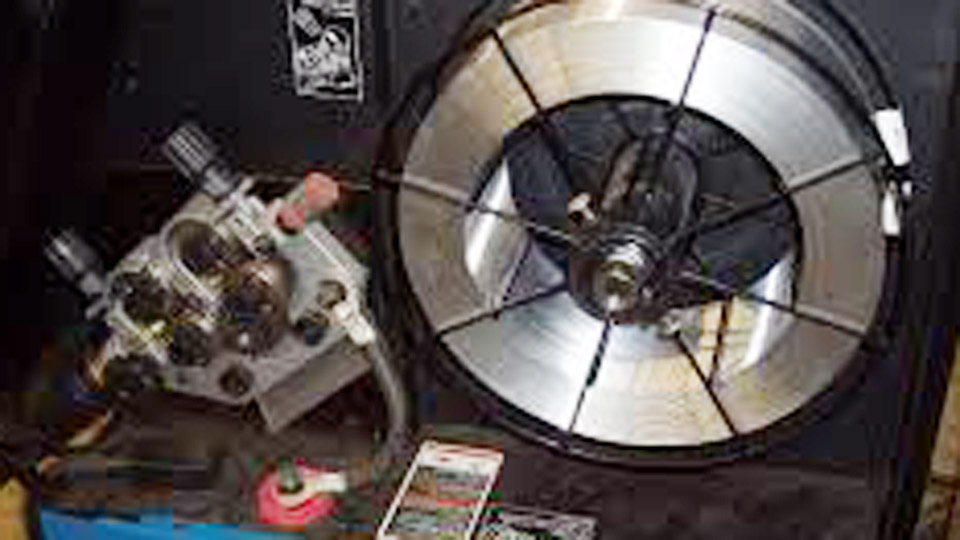
Image by gowelding
Why Does My MIG Welder Feed Wire But Not Arc?
When your MIG welder feeds wire but fails to strike an arc, it’s usually a problem with the electrical circuit, consumables, or settings. The arc is the heart of MIG welding—it’s the electric current jumping between the wire electrode and the workpiece, melting both to create a weld pool. If that circuit is broken or disrupted, you get wire feeding into thin air, which can lead to burnback, birdnesting, or poor welds.
This matters because a stable arc ensures strong, clean welds, which are critical for structural integrity, whether you’re welding a bridge beam or a backyard BBQ grill. Let’s break down the most common culprits and how to troubleshoot them.
Checking the Ground Clamp Connection
The ground clamp is your welder’s lifeline to completing the electrical circuit. A loose, corroded, or poorly placed clamp is the number one reason I’ve seen welders struggle with no arc. I remember a job where I spent 20 minutes troubleshooting, only to realize the clamp was barely touching the rusty workpiece.
To fix this, ensure the clamp is securely attached to clean, bare metal. Scrape off rust, paint, or grease with a wire brush or grinder. Place the clamp as close to the weld area as possible—current takes the path of least resistance, and a far-off clamp can weaken the arc. Copper clamps with strong springs work best. If your clamp is worn or the cable is frayed, replace it. A good ground means a stable arc, which translates to better penetration and fewer defects.
Inspecting the Contact Tip and Consumables
The contact tip is where the wire meets the electrical current, so any issue here can kill the arc. A worn, oversized, or clogged tip is a common problem. I’ve seen new welders overlook this, thinking it’s a machine issue when the tip is just toast. Check the tip for burnback (where the wire fuses to the tip), spatter buildup, or an oversized hole from wear.
Replace the tip if it’s damaged, and make sure it matches your wire diameter—0.030” wire needs a 0.030” tip, for example. Also, inspect the nozzle for spatter, which can disrupt gas flow and arc stability. Clean it with a wire brush or use anti-spatter spray to keep it clean longer. High-quality consumables from reputable brands last longer and reduce issues like erratic feeding or arc failure.
Verifying Voltage and Wire Feed Speed Settings
Incorrect machine settings can prevent an arc from forming. Too low voltage or wire feed speed (WFS) can result in a weak or non-existent arc, while too high settings cause spatter and burnback. Every welder and material combo is different, but here’s a quick guide for common setups using ER70S-6 wire on mild steel:
| Material Thickness (in) | Wire Diameter (in) | Voltage (V) | WFS (IPM) |
|---|---|---|---|
| 1/16 (16 gauge) | 0.030 | 16–18 | 200–250 |
| 1/8 | 0.035 | 18–20 | 250–300 |
| 1/4 | 0.035 | 20–22 | 300–350 |
Start with the manufacturer’s chart (often on the welder’s inside panel) and fine-tune from there. Test on scrap metal first. A smooth arc should sound like steady bacon sizzling, not popping or hissing. I once helped a student who cranked the voltage too high, causing the wire to burn back into the tip. Dialing it down and adjusting WFS fixed it instantly.
Ensuring Proper Shielding Gas Flow
Shielding gas protects the weld pool from atmospheric contamination, but it also stabilizes the arc. If your gas flow is too low, too high, or blocked, you might not get an arc. For most mild steel welding, use a 75% argon/25% CO2 mix at 20–25 cubic feet per hour (CFH). Check your regulator to ensure it’s delivering gas—listen for a hiss or use a flow meter.
Inspect the gas hose for leaks or kinks, and make sure the nozzle isn’t clogged with spatter. If you’re welding outdoors, wind can blow gas away, so use a windscreen or switch to flux-cored wire, which doesn’t require external gas. I learned this the hard way on a windy farm repair job—switching to flux-cored saved the day.
Examining the MIG Gun Liner
The MIG gun liner guides the wire from the feeder to the contact tip. A dirty, kinked, or wrong-sized liner can cause erratic feeding, which disrupts the arc. I’ve seen liners clogged with wire shavings from low-quality wire, leading to no arc or stuttering.
To check, remove the liner and blow compressed air through it. If it’s damaged or too short/long, replace it with one that matches your wire type and gun length. For example, steel liners work for steel wire, but aluminum wire needs a Teflon or nylon liner to prevent snagging. Regular cleaning and using high-quality wire reduce liner issues.
Common Mistakes and How to Avoid Them
Even seasoned welders make mistakes that lead to no arc. Here are some I’ve made or seen in the shop, along with fixes:
Forgetting to Turn On the Gas: It sounds basic, but I’ve done it—starting a weld without opening the gas cylinder valve. Double-check the valve and regulator before welding.
Using the Wrong Polarity: MIG welding typically uses DC electrode positive (DCEP). If your machine is set to DCEN or AC, you won’t get a stable arc. Check your welder’s polarity settings.
Dirty Workpiece: Rust, oil, or paint can prevent a good electrical connection. Always clean the metal to a shiny finish with a grinder or wire brush.
Worn Drive Rolls: The drive rolls pull the wire from the spool. If they’re worn or the tension is off, the wire feeds inconsistently, killing the arc. Adjust tension so the wire feeds smoothly without slipping or crushing.
Step-by-Step Guide to Fixing No Arc Issues
Here’s a practical checklist to get your MIG welder arcing again. I use this process in my shop, and it’s saved me countless headaches:
Check the Ground Clamp: Ensure it’s tight on clean metal, close to the weld area. Replace if damaged.
Inspect Consumables: Look at the contact tip, nozzle, and diffuser for wear or spatter. Replace or clean as needed.
Verify Settings: Match voltage and WFS to your material and wire using a chart or test welds.
Test Gas Flow: Confirm the cylinder is open, the regulator is set to 20–25 CFH, and there are no leaks.
Examine the Liner and Wire: Ensure the liner is clean and correctly sized. Check for kinks or blockages.
Test the Welder: Run a test weld on scrap. Listen for a steady arc and adjust settings if needed.
Check the Power Source: Ensure the welder is plugged into a stable power supply with the correct voltage (110V or 220V).
If the issue persists, your welder’s internal wiring or circuit board may be faulty. Consult a technician, but most issues are resolved with the above steps.
Choosing the Right Wire for Your MIG Welder
The wire you use affects arc stability and weld quality. Here’s a quick rundown of common MIG wires for US welders:
ER70S-6: The go-to for mild steel. It’s versatile, feeds smoothly, and produces clean welds with minimal spatter. Great for automotive, structural, or DIY projects.
ER308L: Used for stainless steel (e.g., 304 or 316 grades). It’s pricier but resists corrosion, perfect for food-grade or marine applications.
ER4043 or ER5356: For aluminum welding. ER4043 is softer and prone to feeding issues, while ER5356 is stronger and better for thicker aluminum. Use a spool gun for best results.
Flux-Cored (E71T-GS): No gas needed, ideal for outdoor welding or dirty steel. It’s spattery but penetrates well for farm repairs or thick materials.
Match the wire to your base metal and application. For example, I use ER70S-6 for most steel projects because it’s reliable and widely available. Always buy from reputable brands to avoid shavings or inconsistent feeding, which can cause arc issues.
Pros and Cons of Common MIG Wires
| Wire Type | Pros | Cons |
|---|---|---|
| ER70S-6 | Smooth feeding, versatile, clean welds | Requires shielding gas |
| ER308L | Corrosion-resistant, strong for stainless | Expensive, needs specific gas mix |
| ER4043 | Good for thin aluminum, low cost | Soft, prone to birdnesting |
| E71T-GS | No gas needed, deep penetration | Spattery, more cleanup required |
Safety Considerations When Troubleshooting
Welding is inherently risky, and troubleshooting a no-arc issue can expose you to hazards if you’re not careful. Always wear a proper welding helmet with a shade 10–12 lens to protect your eyes from arc flash, even if the arc isn’t striking. Use flame-resistant gloves and a jacket to guard against sparks or hot wire.
Ensure your workspace is free of flammable materials, and keep a fire extinguisher nearby. When checking electrical components, unplug the welder to avoid shocks. I once saw a rookie get a nasty zap because he forgot to disconnect the power—don’t be that guy.
Practical Tips for Preventing No-Arc Issues
Prevention is better than troubleshooting mid-project. Here are tips I’ve learned from years in the shop:
Regular Maintenance: Clean your liner and nozzle weekly if you weld often. Replace consumables before they wear out.
Store Wire Properly: Keep wire spools in a dry, sealed container to prevent rust, especially for copper-free wires.
Pre-Weld Checklist: Before starting, confirm gas flow, polarity, and ground placement. It takes 30 seconds and saves hours of frustration.
Invest in Quality: Cheap consumables or wire lead to more issues. Spend a bit more for reliable brands—it’s worth it.
Real-World Applications and Examples
Whether you’re a DIYer fixing a lawnmower, a student practicing fillet welds, or a pro fabricating I-beams, no-arc issues can derail your work. For example, on a recent automotive repair, I used a Lincoln Electric MIG welder with ER70S-6 wire to patch a rusted truck frame. The wire fed but no arc formed because the ground clamp was on painted metal. A quick grind to bare steel fixed it, and the weld held strong.
For students, I recommend practicing on scrap to dial in settings—real-world experience beats theory every time. Pros on structural jobs should double-check consumables, as a bad tip can ruin a critical weld and violate AWS D1.1 standards.
Conclusion
Dealing with a MIG welder that feeds wire but won’t arc is a pain, but it’s fixable with the right approach. By checking your ground clamp, consumables, settings, gas flow, and liner, you can pinpoint the issue and get back to welding. This matters because a stable arc means stronger welds, safer projects, and less wasted time. Whether you’re a hobbyist, student, or pro, you’re now equipped to troubleshoot like a seasoned welder.
FAQ
Why does my MIG welder sputter instead of arcing?
Sputtering usually means low voltage, incorrect WFS, or poor ground connection. Check your settings against a welding chart, clean the workpiece, and ensure the ground clamp is secure on bare metal.
Can I use flux-cored wire to avoid arc issues?
Yes, flux-cored wire (like E71T-GS) doesn’t need shielding gas, making it ideal for outdoor welding where gas flow issues can disrupt the arc. It’s spattery, so expect more cleanup.
How do I know if my contact tip is bad?
A bad contact tip may have burnback, spatter buildup, or an oversized hole. If the wire feeds erratically or you see no arc, inspect and replace the tip with one matching your wire size.
What’s the best shielding gas for MIG welding?
For mild steel, a 75% argon/25% CO2 mix at 20–25 CFH works best. For aluminum, use 100% argon. Always check for leaks and ensure proper flow to stabilize the arc.
Why does my welder work on one project but not another?
Different materials or thicknesses require different settings. A dirty or rusty workpiece can also prevent an arc. Clean the metal thoroughly and adjust voltage/WFS for each project.