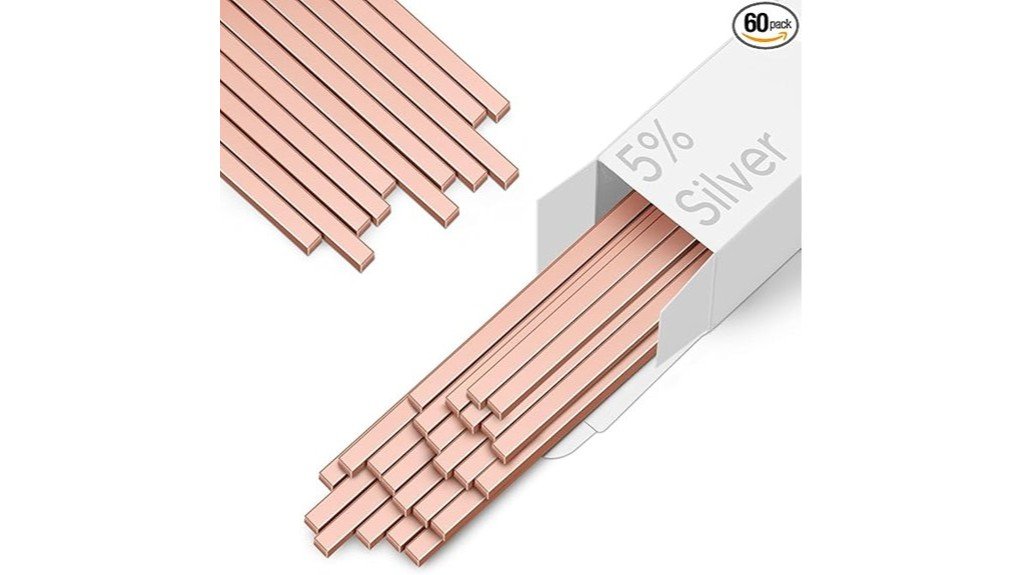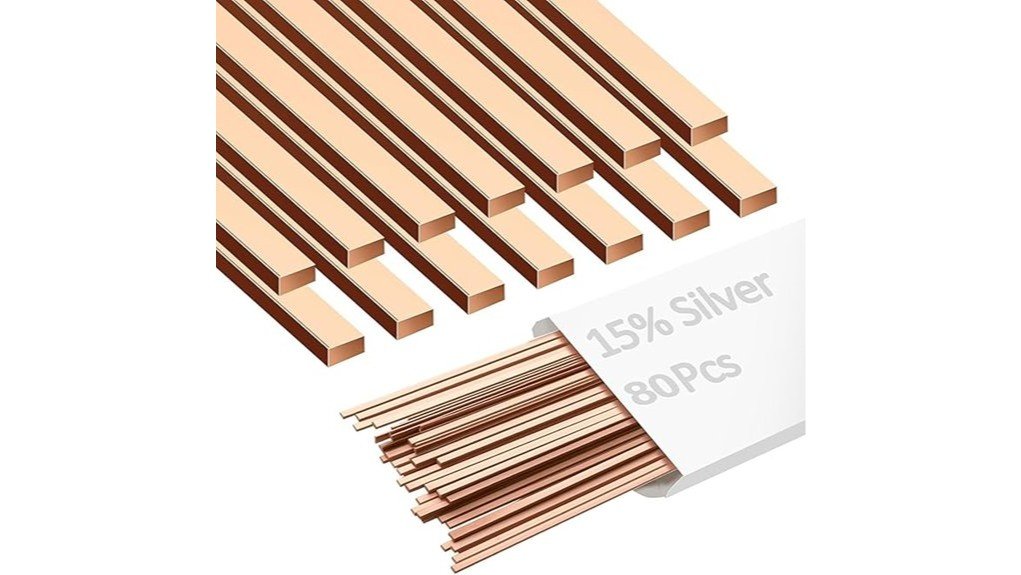
This 45 pack silver brazing rods set is 45 rods, 12 inches long, described as a 15% silver solder composition for HVAC, copper and brass work. It is worth considering for copper-line repairs where you want a bulk supply. Skip it if you need aluminum filler or a confirmed brand and AWS classification, because the listing does not clearly state either. This review is based on the Amazon listing, not hands-on testing. These 45 sticks brazing rods include 15% silver rods for copper and HVAC joints.
45 Pack Silver Brazing Rods at a Glance
| Item | Per the listing |
|---|---|
| Count | 45 rods |
| Length | 12 in. |
| Rod diameter | 0.05 in., per the listing |
| Silver content | 15%, per the listing |
| Metals named | Copper, brass and steel |
| Suggested uses | HVAC lines, air conditioners, refrigerators, compressors, general joining |
| Packaging | Vacuum-sealed foil, per the listing |
| AWS class, brand, warranty | Not clearly stated; check the listing |
What You Are Buying
Brazing joins metals with a filler that melts above 840 F but below the base metals’ melting point. A 15% silver rod flows well into close-fitting copper joints, which is why this style is common for HVAC and refrigeration lines.
The listing says copper, brass and steel. Treat the steel claim with care. Copper-phosphorus-silver rods in the BCuP family are generally not recommended on steel or other ferrous metals, because they can form brittle joints. If you plan to braze steel or brass, confirm the rod type with the seller and use the right flux.
How to Braze a Copper Joint With These Rods
- Clean the joint. Remove oxide and oil from both surfaces with abrasive cloth or a brush.
- Fit the parts closely. Brazing relies on capillary action into a tight gap.
- Add flux if needed. Copper-to-copper joints with phosphorus rods often do not need it. Brass and other metals usually do.
- Heat the base metal, not the rod. Bring the joint to temperature, then touch the rod to the seam so it flows in.
- Let it cool, then clean. Wipe off flux residue and inspect the joint for full filler flow.
Pros and Limitations
Pros
- Large 45-rod pack for repeated repairs.
- 12-inch rods keep your hand away from the heat.
- Silver-bearing filler flows well in tight copper joints.
- Sealed packaging helps keep rods clean until opened.
Limitations
- Not an aluminum filler.
- Steel use is questionable for phosphorus-bearing rods.
- Brand and AWS classification are not clearly stated.
- Refrigerant or pressure systems may need rods and procedures that meet local code.
Safety Notes
- Ventilate well. Brazing fumes, especially from flux and silver-bearing filler, are harmful to breathe.
- Wear heat-resistant gloves and eye protection.
- Keep flammable material away and have a fire extinguisher nearby.
- Purge and depressurize refrigerant lines properly before heating them.
Related guides: 15% silver brazing rods (BCuP-5), silver brazing rods 15% BCuP-5 and BCuP-2 brazing rods.
Frequently Asked Questions
Can I use these brazing rods on aluminum?
No. The listing names copper, brass and steel, not aluminum. Aluminum needs a dedicated aluminum brazing or welding rod.
Can I braze steel with them?
The listing mentions steel, but phosphorus-bearing copper-silver rods are generally not advised on ferrous metals. Confirm the rod type with the seller or use a rod made for steel.
Do I need flux?
On copper-to-copper joints, phosphorus-bearing rods often flow without flux. For brass and other metals you usually need flux. Follow the rod maker’s instructions.
Are these rods safe for HVAC refrigerant lines?
They are marketed for HVAC work, but check local code and the equipment maker’s requirements. Use proper purging, ventilation and pressure testing on any refrigerant system.
Conclusion
This 45-rod pack is a bulk supply for copper and HVAC brazing. Confirm the rod class before using it on brass or steel, and use a dedicated filler for aluminum.