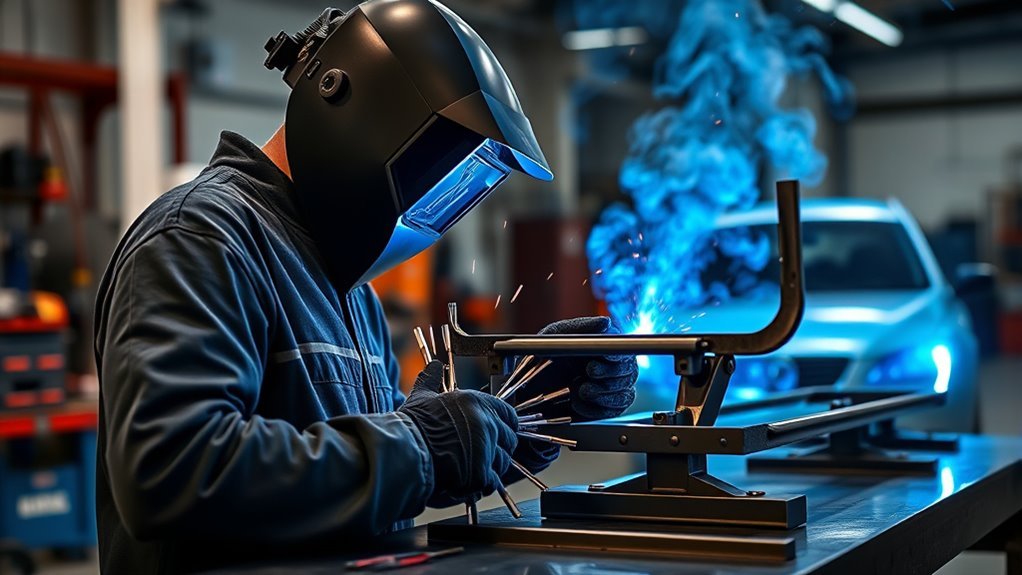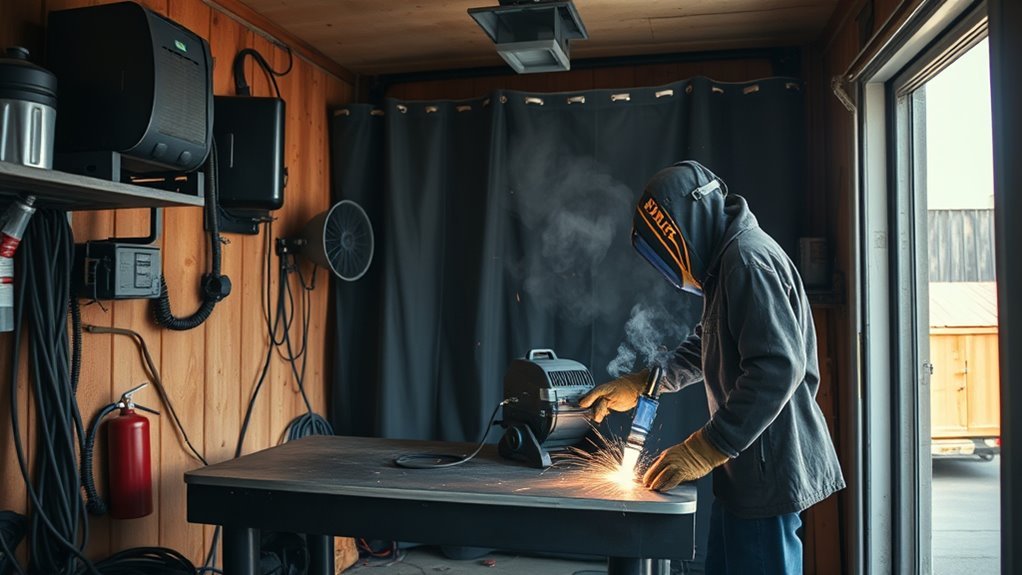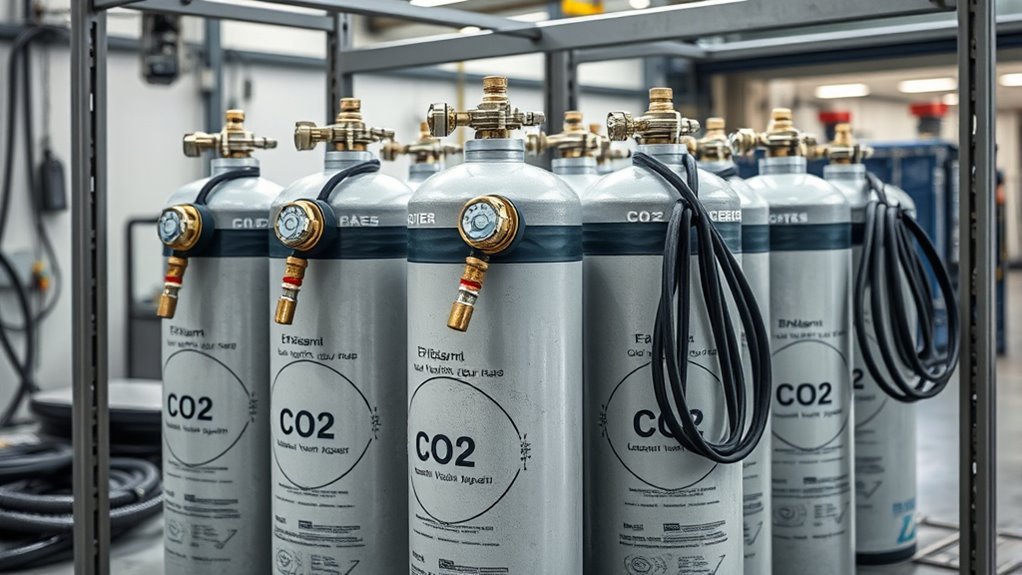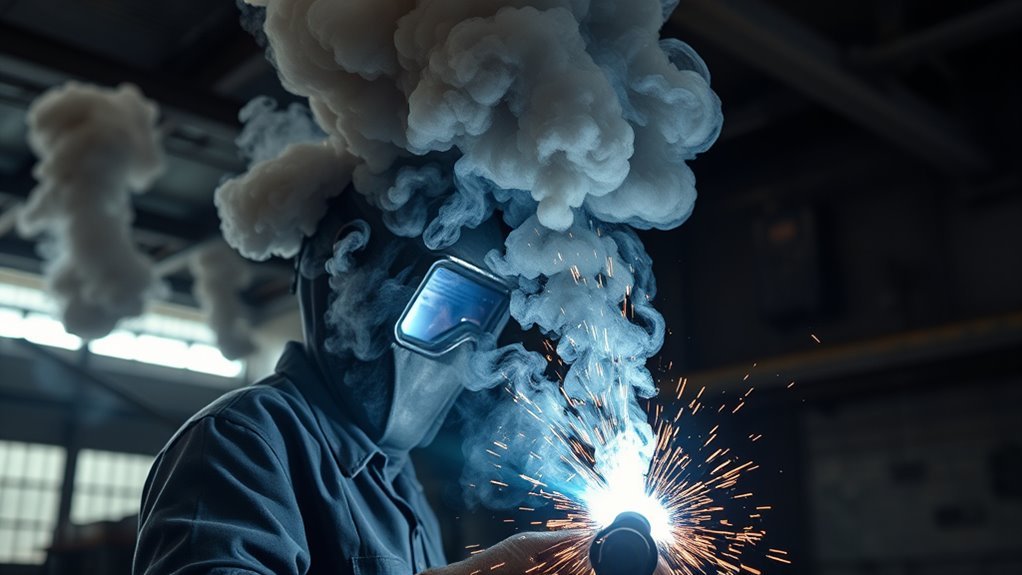
You’re exposed to welding fumes when metal, filler, coatings, or flux get hot enough to release vapor that cools into fine airborne particles. The exact mix changes with the base metal, consumable, coating, process, and ventilation. Mild steel fumes are often rich in iron and manganese, stainless steel can add chromium and nickel, and galvanized or painted metal can release extra toxic compounds. These fumes can irritate your throat, trigger metal fume fever, damage your lungs, and raise long-term cancer and neurological risks when exposure is not controlled.
Quick Answer
Welding fumes are a mix of fine metal particles, metal oxides, gases, and coating breakdown products. They may contain iron, manganese, chromium, nickel, zinc, lead, ozone, carbon monoxide, and nitrogen oxides. The safest approach is to reduce fume at the source with cleaning, lower-fume processes, local exhaust ventilation, air monitoring, and proper respiratory protection.
Key Takeaways
- Welding fumes are not ordinary smoke. They are fine airborne particles and gases created by heat, metal, filler, flux, and surface coatings.
- Stainless steel, galvanized steel, painted metal, and chromate-coated parts can create more toxic fumes than clean mild steel.
- Local exhaust ventilation should capture the plume near the arc before it reaches your breathing zone.
- Respirators can help, but they should support engineering controls, not replace them.
- Confined spaces need special controls because shielding gases can displace oxygen and carbon monoxide can build up quickly.
What Are Welding Fumes?
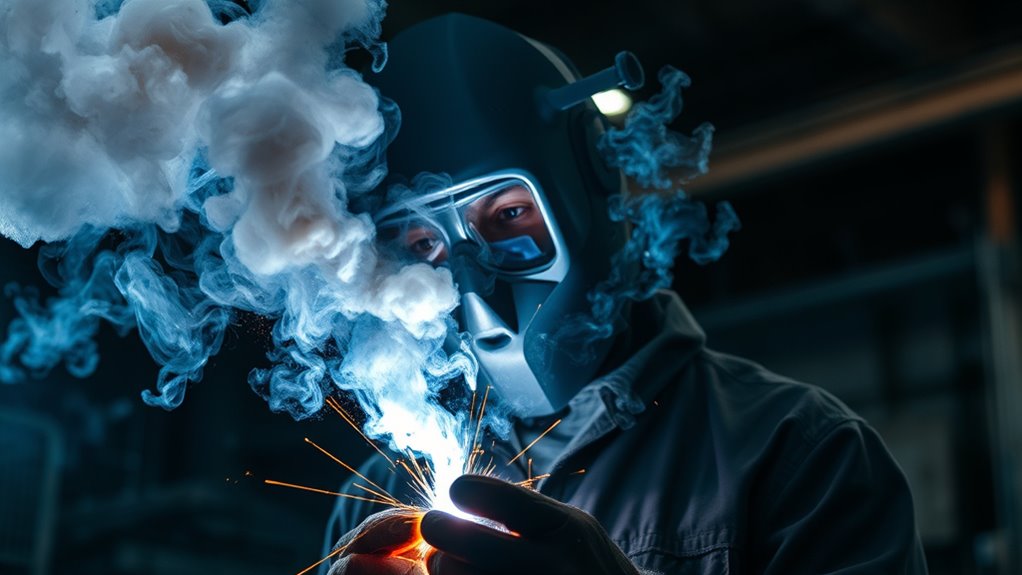
Welding fumes are a cloud of tiny airborne particles formed when hot metal vapor cools and condenses. The plume can also carry gases and by-products from shielding gas, flux, paint, oil, plating, or other surface contamination.
When you weld, your exposure is not the same on every job. The base metal, filler wire or electrode, coating, welding process, amperage, work position, and airflow all affect what you breathe. Clean mild steel usually produces fumes dominated by iron and manganese. Stainless steel can produce chromium and nickel compounds. Galvanized steel can release zinc oxide, which is strongly linked with metal fume fever.
Major safety agencies treat welding fume as a serious occupational hazard. The International Agency for Research on Cancer evaluates welding and welding fumes in its Monographs, and the UK Health and Safety Executive warns that all welding fume, including mild-steel fume, needs effective exposure control. IARC Monographs Volume 118 covers welding-related carcinogenic hazards, while HSE’s mild-steel welding fume safety bulletin explains why engineering controls matter.
Warning: If welding fumes cause dizziness, nausea, throat irritation, chest tightness, or trouble breathing, stop work, move to fresh air, and seek medical advice. Do not keep welding in a poorly ventilated area to “finish the bead.”
What Welding Fumes Are Made Of
Welding fumes can contain metals, metallic oxides, silicates, fluorides, and process gases. The most important point is that you cannot judge the hazard by eye. A small plume from stainless steel, galvanized steel, or coated material can be more dangerous than a larger plume from clean mild steel.
| Source | Common fume or gas components | Main concern |
|---|---|---|
| Mild steel | Iron oxides, manganese, trace alloy metals | Lung irritation, long-term lung risk, manganese-related nervous system effects |
| Stainless steel | Chromium, nickel, manganese, possible hexavalent chromium | Cancer risk, asthma risk, eye, nose, throat, and lung damage |
| Galvanized steel | Zinc oxide | Metal fume fever, throat irritation, coughing, fever-like symptoms |
| Painted, oily, plated, or coated metal | Lead oxide, cadmium, chromates, solvent by-products, coating breakdown products | Severe toxicity, chronic organ damage, added cancer risk depending on coating chemistry |
| Fluxes and some electrodes | Silicates, fluorides, metal oxides | Higher fume load and respiratory irritation |
| Shielding and process gases | Argon, helium, carbon dioxide, carbon monoxide, ozone, nitrogen oxides, hydrogen fluoride | Oxygen displacement, irritation, lung effects, asphyxiation risk |
Fume Composition Basics
At its core, welding fume is a changing aerosol of very fine particles. Those particles can travel into your breathing zone and, depending on size, may reach deep into the lungs. That is why plume position matters. The most dangerous place to put your head is directly above the weld, where fumes rise toward your face.
- Mild steel fumes are often mostly iron oxides, but manganese still matters.
- Stainless steel fumes can add chromium and nickel, including hexavalent chromium under some conditions.
- Flux-cored and stick welding can add more silicates, fluorides, and metal oxides than cleaner low-fume setups.
This chemistry matters because the health effects depend on what is in the plume, how concentrated it is, how long you breathe it, and whether controls are working.
Metals And Coatings
What comes off the arc depends on the base metal, electrode, filler, and any surface coating. Mild steel welding usually yields iron-rich fume with manganese. Stainless work raises concern because chromium in stainless steel can convert to hexavalent chromium during welding. OSHA states that Cr(VI) can damage the eyes, skin, nose, throat, and lungs and can cause cancer. OSHA’s hexavalent chromium page identifies welding on stainless steel and other chromium-containing metals as a major exposure source.
Coatings matter just as much. On galvanized steel, zinc vaporizes and oxidizes into zinc oxide. On old painted or plated parts, the hazard can include lead, cadmium, chromates, or solvent residues. Before welding, clean the joint area and review the safety data sheet for the metal, coating, filler, or consumable.
Welding Fumes vs. Welding Gases
Fumes and gases are related, but they are not the same. Fumes are fine solid particles created when hot metal vapor condenses. Gases can come from shielding gas, arc reactions, coatings, or nearby chemicals. You may be exposed to both at once.
- Fume examples: iron oxide, manganese oxide, zinc oxide, chromium compounds, nickel compounds, lead oxide, cadmium compounds.
- Gas examples: argon, helium, carbon dioxide, carbon monoxide, ozone, nitrogen oxides, phosgene, and hydrogen fluoride.
Argon and helium are not toxic in the same way as heavy metals, but they can displace oxygen in a confined or enclosed space. Carbon monoxide is especially dangerous because it interferes with oxygen delivery in the body.
What Changes Welding Fume Composition
Welding fume composition changes based on the base metal, consumable, process, coating, amperage, heat input, and airflow. When you weld mild steel, you mainly generate iron-rich fume, but manganese can still be present. Stainless steel adds chromium and nickel. Your electrode and filler choice also shifts fume composition because each consumable releases different oxides and particulates during welding.
The same weld bead can have a very different exposure profile if the metal is stainless, galvanized, painted, oily, or welded in a tight space with poor airflow.
- Base metals set the dominant metals in the plume.
- Electrode and filler metals determine which oxides form.
- Flux can increase particulate and add fluorides or silicates.
- Coatings and contamination can create toxic breakdown products.
- Ventilation and body position decide how much of the plume reaches your breathing zone.
If your process uses flux, expect extra compounds in the fume stream. Some processes, like flux core welding, can also produce heavy visible smoke, so local capture and respiratory planning matter.
Which Welding Processes Create the Most Fume?
As a general rule, flux-cored arc welding and stick welding tend to create more fume than MIG, and TIG usually creates less visible fume. That order can change with metal type, coating, amperage, wire, rod, shielding gas, and work technique, but it is still a useful starting point for risk planning.
| Process | Typical fume level | Practical note |
|---|---|---|
| FCAW | Often high | Flux and higher deposition can raise fume load. |
| SMAW / stick | Often moderate to high | Electrode coating contributes to fume chemistry. |
| GMAW / MIG | Often lower than FCAW or stick | Still hazardous on stainless, galvanized, or coated metal. |
| GTAW / TIG | Often low | Low visible smoke does not remove the need for ventilation. |
Note: A “low-fume” process can still be dangerous if you weld stainless steel, galvanized steel, painted metal, or any material in a tight area with poor ventilation.
How Coatings Make Welding Fumes Worse
Coatings can sharply raise the toxicity of welding fumes because heat breaks them down into additional hazardous compounds beyond the base metal and filler. When you weld coated steel, especially galvanized steel, you increase exposure to toxic fumes such as zinc oxide, cadmium compounds, chromates, and lead oxide. Surface contamination can also affect weld quality, including problems such as porosity in arc welding.
| Coating type | Main emissions | Main concern |
|---|---|---|
| Galvanized coating | Zinc oxide | Metal fume fever and acute irritation |
| Cadmium plating | Cadmium fume | Severe toxicity and organ damage risk |
| Chromate primer or chromium-containing coating | Chromium compounds, possible Cr(VI) | Cancer and respiratory risk |
| Old paint or lead-based coating | Lead oxide and paint breakdown products | Nervous system, kidney, and blood toxicity concerns |
| Oil, solvent, or degreaser residue | Irritating or toxic breakdown gases | Eye, throat, and lung irritation; added chemical exposure |
You should remove coatings before welding whenever possible. Grind, strip, or clean far enough beyond the weld zone to reduce fume generation, then control the remaining plume with local exhaust ventilation and proper work position. Do not assume a shiny cleaned joint is safe if coating remains on the back side or nearby heat-affected area.
Welding Gases and Their Hazards
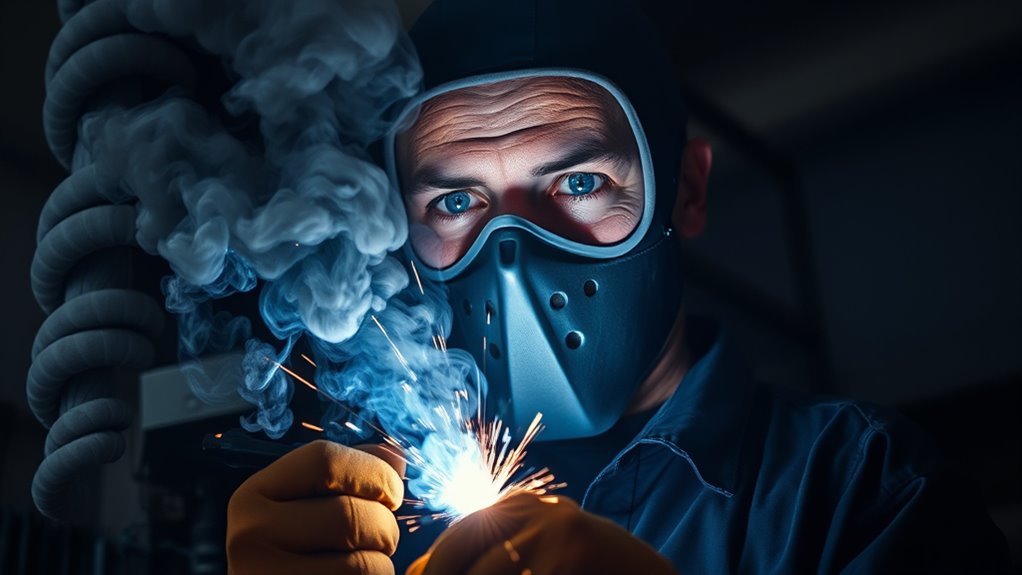
Even when the metal is the main concern, gases around the arc can create serious hazards. Carbon monoxide can reduce your body’s ability to use oxygen and can cause dizziness, headache, confusion, collapse, or death at high levels. Shielding gases such as argon and helium can displace oxygen, especially in tanks, pits, vessels, trailers, or other confined spaces.
Treat welding gases as measurable hazards. If you cannot verify the air is safe, do not trust smell, visibility, or comfort as proof.
- Use adequate ventilation to dilute carbon monoxide and other welding gases before they accumulate.
- Monitor confined spaces closely because shielding gases can lower oxygen without warning.
- Control nitrogen oxides and ozone because they can trigger eye irritation, headaches, coughing, and lung symptoms.
- Follow written confined-space procedures when the job location meets permit-required confined-space conditions.
Warning: Never weld in a confined or enclosed space without ventilation, atmospheric testing, rescue planning, and the required permits or procedures. A respirator does not fix low oxygen unless it is the correct supplied-air equipment for that hazard.
When you work with disciplined extraction and air monitoring, you protect your breathing zone and keep your workspace safer. If your job also includes plasma cutting, follow the same mindset: control fumes, protect your eyes and skin, and use the right ventilation protocols for the process.
Health Effects of Welding Fumes
Welding fumes can affect your eyes, throat, lungs, nervous system, and long-term cancer risk. The effect depends on the dose, duration, material, and whether controls are working. OSHA notes that acute exposure can cause eye, nose, and throat irritation, dizziness, and nausea. Prolonged exposure can damage the lungs and is linked with several cancers. OSHA’s welding fume fact sheet also notes that manganese exposure can cause Parkinson’s-like symptoms.
| Exposure type | Possible effect | What to do |
|---|---|---|
| Short-term inhalation | Dry throat, coughing, chest tightness, eye irritation, dizziness, nausea | Stop work, move to fresh air, check ventilation, and get medical help if symptoms continue. |
| Galvanized or zinc exposure | Metal fume fever with fever-like symptoms, chills, fatigue, cough, and body aches | Stop exposure and seek medical advice, especially if symptoms are severe or breathing is affected. |
| Chronic fume exposure | Lung damage, occupational asthma, COPD-like symptoms, reduced lung function | Use engineering controls, air monitoring, and medical surveillance where required. |
| Chromium, nickel, and all welding fume over time | Cancer risk, especially with uncontrolled repeated exposure | Reduce exposure as low as practical and follow applicable occupational exposure limits. |
| Manganese fume | Nervous system effects and Parkinson’s-like symptoms after prolonged exposure | Control fume at the source and report tremor, balance, mood, or movement symptoms to a medical professional. |
Hexavalent chromium deserves special attention when welding stainless steel or chromium-containing alloys. OSHA’s permissible exposure limit for Cr(VI) is 5 micrograms per cubic meter as an 8-hour time-weighted average. That is why stainless welding often needs stronger planning, better capture, and exposure monitoring than clean low-load work.
How to Reduce Welding Fume Exposure
To reduce welding fume exposure, start with the controls that remove or capture the hazard before it reaches your face. The CDC/NIOSH hierarchy of controls places elimination, substitution, and engineering controls above administrative controls and PPE. That means a respirator can be important, but it should not be your only plan.
- Identify the material. Confirm whether the part is mild steel, stainless, galvanized, painted, plated, oily, or coated. Check the safety data sheet for filler metals and coatings.
- Clean the weld zone. Remove paint, oil, solvent residue, galvanizing, plating, and other coatings where possible before welding.
- Use a lower-fume option when practical. Consider a lower-fume process, consumable, or procedure if it still meets the weld requirement.
- Capture the plume close to the arc. Use local exhaust ventilation, fume extraction guns, hoods, or movable extraction arms placed close enough to pull fumes away from your breathing zone.
- Position your body correctly. Keep your head out of the plume. Outdoors, work upwind when possible, but do not assume outdoor work automatically provides enough ventilation.
- Use general ventilation as support. Fans and shop airflow can help dilute fumes, but they should not blow the plume through your breathing zone or toward other workers.
- Monitor exposure when risk is high. Air sampling is important for stainless steel, manganese, lead, cadmium, confined spaces, production welding, and any job where controls are uncertain.
- Use proper respiratory protection. If ventilation and work practices do not reduce exposure enough, use a suitable respirator under a proper respiratory protection program.
- Maintain the controls. Check hoods, filters, ducts, airflow, and extraction arms. A fume extractor that is clogged, too far away, or aimed poorly will not protect you.
Pro Tip: Put the extraction hood close enough to capture the plume without disturbing shielding gas. If the hood is too far away, it may look like it is working while most of the fume still passes your face.
Good ventilation systems are part of the solution, but they must be designed, placed, and maintained for the work being done. Correct gas flow settings can help weld quality and shielding, but gas flow is not a substitute for fume extraction. If you weld galvanized material, careful preparation before MIG welding galvanized steel is especially important.
Products Worth Considering
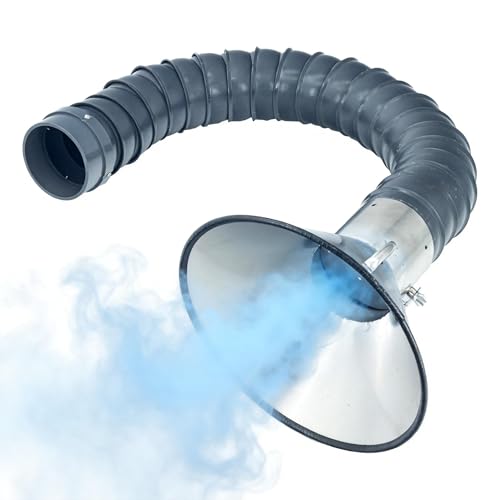
3.3ft long adjustable flexible hose duct, 4 inch diameter.(Connector: 110mm OD,100 ID)

3.3ft long adjustable flexible hose duct, 75mm OD, 68mm ID
3.3ft long adjustable flexible hose duct, 50mm OD, 45mm ID
When Respirators Are Needed
Respirators may be needed when local exhaust ventilation, substitution, cleaning, and work positioning do not reduce exposure enough. They may also be needed during short high-risk tasks, outdoor welding where fume still reaches the breathing zone, confined-space work with the correct supplied-air setup, stainless welding, galvanized work, or jobs involving lead, cadmium, or other highly toxic coatings.
Do not rely on a paper dust mask for welding fume. Use respiratory protection selected for the hazard, fit-tested when required, and maintained under a written program. For heavy fume loads or production work, a powered air-purifying respirator may be appropriate, but the correct choice depends on measured exposure, oxygen level, process, and contaminants.
Products Worth Considering

NIOSH APPROVED: For environments containing certain oil and non-oil based particles

Fits easily under most welding helmets

Small, lightweight P100 HESPA replaceable filter
Frequently Asked Questions
Which welding process creates the most hazardous fumes?
Flux-cored arc welding often creates more fume than stick, MIG, or TIG welding, but the most hazardous setup depends on the metal and coating. Stainless steel, galvanized steel, cadmium plating, lead paint, and poor ventilation can make any process high risk.
Are stainless steel fumes more dangerous than mild steel fumes?
Stainless steel fumes can be more hazardous because they may contain chromium, nickel, and hexavalent chromium. That said, mild-steel fume is not harmless. Mild-steel welding still needs effective controls because repeated exposure is linked with serious lung risks.
Can welding fumes cause metal fume fever?
Yes. Metal fume fever is most often associated with zinc oxide from welding or cutting galvanized steel. Symptoms can feel like the flu and may include fever, chills, cough, fatigue, and body aches. Stop exposure and seek medical advice if symptoms occur.
Do welding fumes affect the nervous system?
Yes. Some welding fumes can affect the nervous system. Manganese is a key concern because prolonged exposure can cause Parkinson’s-like symptoms. Lead and other metals can also harm the nervous system, depending on the material and exposure level.
How long do welding fumes stay airborne?
Welding fumes can remain airborne from seconds to hours depending on particle size, air movement, enclosure, ventilation, and thermal currents. The safest approach is to capture the plume at the arc instead of waiting for fumes to disperse.
Is a fan enough to control welding fumes?
A fan alone is usually not enough. It may dilute fumes, but it can also push the plume across your face or toward another worker. Local exhaust ventilation that captures fumes near the arc is usually a stronger control.
Can you weld galvanized steel safely?
You can reduce the risk, but galvanized steel needs extra care because zinc oxide fume can cause metal fume fever. Remove the zinc coating from the weld area where possible, use local exhaust ventilation, keep your head out of the plume, and use appropriate respiratory protection if exposure is not adequately controlled.
Conclusion
Welding fumes are not just smoke. They are a changing mix of fine metal particles, gases, and coating breakdown products that can harm your lungs, nervous system, and long-term health. The safest approach is simple but disciplined: know the material, remove coatings when possible, choose lower-fume methods where practical, capture the plume near the arc, monitor high-risk exposures, and use the right respirator when controls alone are not enough. In welding, clean air is not a bonus. It is part of the job.
Sources
- OSHA Fact Sheet: Controlling Hazardous Fume and Gases during Welding — supports welding fume contents, gases, health effects, Cr(VI), ventilation, and respirator guidance.
- OSHA: Hexavalent Chromium — supports Cr(VI) hazards and welding on stainless or chromium-containing metals as a major exposure source.
- HSE Safety Bulletin: Mild Steel Welding Fume — supports current control expectations for all welding fume, including mild steel.
- IARC Monographs Volume 118: Welding, Molybdenum Trioxide, and Indium Tin Oxide — supports carcinogenic hazard evaluation context for welding and welding fumes.
- CDC/NIOSH: Hierarchy of Controls — supports prioritizing elimination, substitution, and engineering controls before PPE.
- HSE HSG258: Controlling Airborne Contaminants at Work — supports local exhaust ventilation principles and capture-at-source control.