What Is Stud Welding on a Car?
Small dents and loose brackets can turn into bigger bodywork problems when you use the wrong repair method. Stud welding gives you a fast way to attach a metal stud to a car panel, then pull, fasten, or repair the area with controlled heat. This guide explains how stud welding works on cars, when it helps, which metals work best, and what safety steps protect the panel and the weld.
Quick Answer
Stud welding uses a short electric arc to fuse a metal stud to a car’s body panel. In auto body repair, you often use the stud as a pull point for dent repair or as a fastener for brackets and trim. The best results come from clean metal, correct settings, and a stud that matches the repair job.
Key Takeaways
- Stud welding joins a metal stud to a car panel with a fast, localized electric arc.
- Auto body techs often use stud welding for dent pulling, bracket attachment, and panel repair.
- Clean, dry metal gives you a stronger and more consistent weld than dirty or rusty surfaces.
- Thin sheet metal needs careful heat control to avoid warping, burn-through, or weak joints.
- Protect your eyes, skin, lungs, and vehicle electronics before you start welding.
What Is Stud Welding?
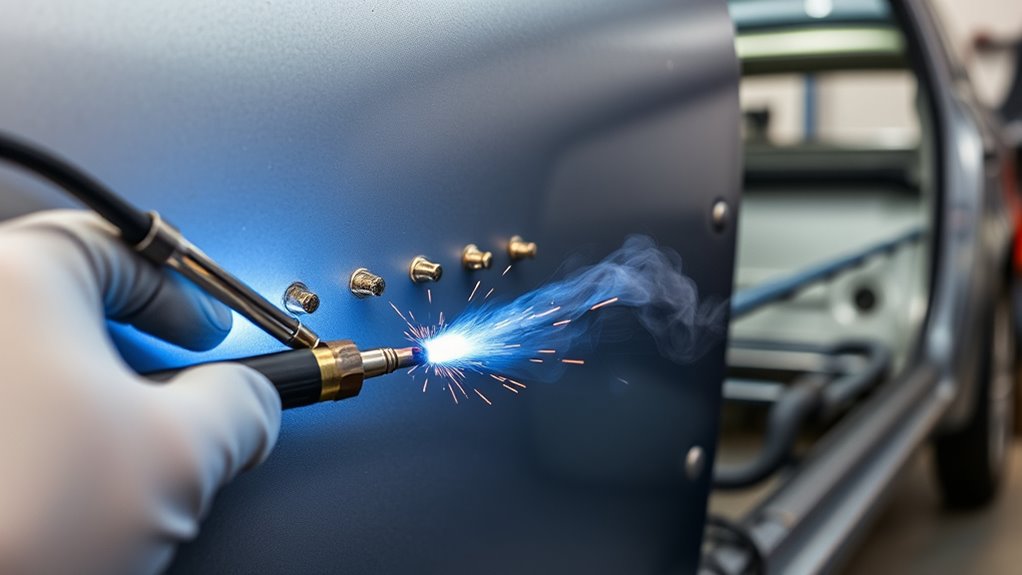
Stud welding is a fastening process that uses an electric arc to heat a metal stud and the base metal. The heat melts both surfaces for a brief moment, then the stud and panel fuse into a strong, durable bond.
You can use this process to attach studs or fasteners to steel, stainless steel, or aluminum. In automotive work, the weld usually forms quickly, which helps limit heat spread across the panel.
Because the weld stays small and localized, you can create low-profile joints that help preserve a vehicle’s clean appearance. You still need proper prep and settings, but the process can reduce drilling, tapping, and visible distortion.
These stud welding benefits make the process useful in repair and manufacturing. When you learn the core stud welding techniques, you gain a precise fastening method for efficient, high-quality work. You can also build and restore parts with less material removal and fewer visible marks.
Proper metal selection helps you create strong welds and reduce safety risks in automotive applications.
How Does Stud Welding Work on Cars?
When you weld a stud onto a car body, an electric arc heats the stud and the parent metal for a short time. You position the stud, trigger the arc, and let the melt form a focused bond with limited heat spread.
Many auto body repairs use this process on mild steel panels. Some systems also support aluminum, but aluminum needs the right stud material, cleaner prep, and settings made for that metal.
Stud sizes vary by tool, job, and panel thickness. Small dent-pulling studs work well for sheet metal, while larger studs suit brackets and heavier fasteners.
Understanding maximum fillet weld size can help you think through joint size, load, and structural integrity when the repair involves heavier parts.
| Step | Action |
|---|---|
| 1 | Clean the target area lightly |
| 2 | Place the stud in the tool |
| 3 | Fire the arc briefly |
| 4 | Hold until the joint solidifies |
| 5 | Inspect the finished weld |
These welding techniques let you attach brackets or pull dents without drilling through the panel. A sound weld should hold firmly during the repair, while controlled heat helps reduce splatter and panel damage.
Warning: Disconnect or protect sensitive vehicle electronics before welding, and follow the vehicle maker’s repair guidance.
Why Use Stud Welding for Auto Body Repair?
For auto body repair, this process gives you speed, strength, and access in one method. You can attach studs quickly, which can cut repair time and lower labor on the right job.
You only need access from one side of the panel. That helps when you work inside cramped panels or closed body sections where the back side stays hard to reach.
The welds can look small and clean when you use the correct tool settings. You also remove less metal than you would with some drilling or mechanical fastening methods.
You can use the same method for panel fixes, bracket attachment, and dent pulling. That range lets one process handle several bodywork tasks with precision and less disassembly.
For broader welding practice, the forgiveness of flux core welding can help beginners understand heat control, fit-up, and basic weld habits.
Which Studs and Metals Work Best?
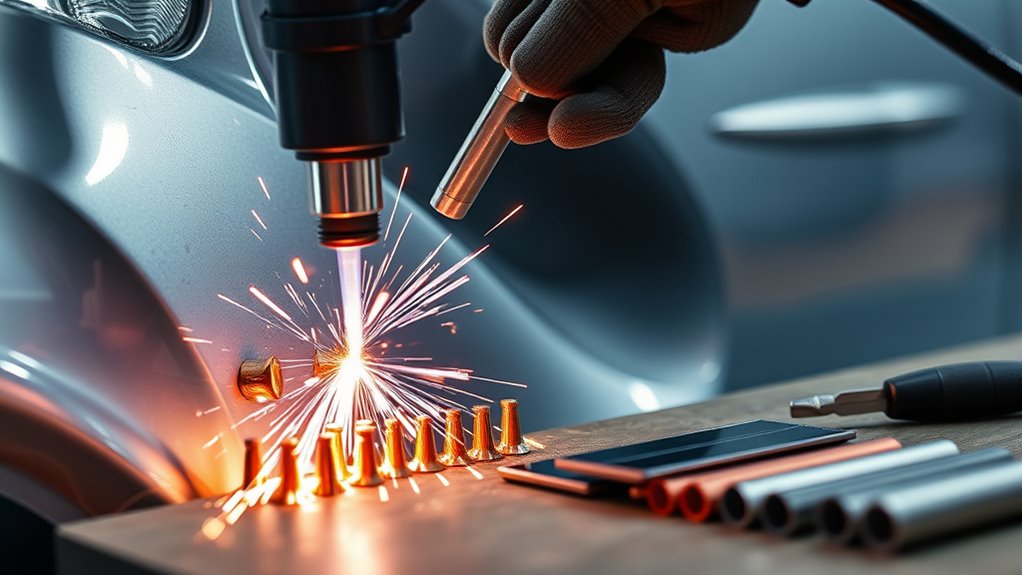
The right stud and base-metal combination depends on the repair. Stud welding works well with common automotive metals, including mild steel, stainless steel, and aluminum, when the tool and stud match the material.
You can choose stud materials for strength, corrosion resistance, or conductivity. That choice matters when you join trim, brackets, panels, or electrical points on a vehicle.
Metal compatibility depends on the welding process, the stud type, and the base metal. The stud does not always need to match the panel alloy exactly, but the combination must suit the tool and repair goal.
Stud size also matters. Use small studs for light sheet-metal pulling, and use larger fasteners only when the panel and repair design can handle the load.
Stud welding can work on thin sheet metal, but thin panels need careful heat control. Too much heat can warp the panel, weaken the repair, or burn through the metal.
Pro tip: Test your settings on scrap metal with the same thickness before you weld on the vehicle.
Products Worth Considering

Highly Durable Design: The shell of stud welder kit is made of high-quality ABS body, has good stability under high temperature conditions, withstand temperature of 93-118℃, and the movement is pure copper electrode. This welder stud kit is wear-resistant, strong and sturdy.
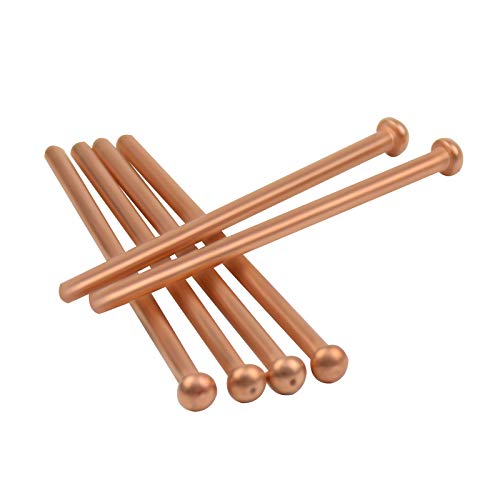
You will get 600pcs welding pins with a diameter of 2.5mm.
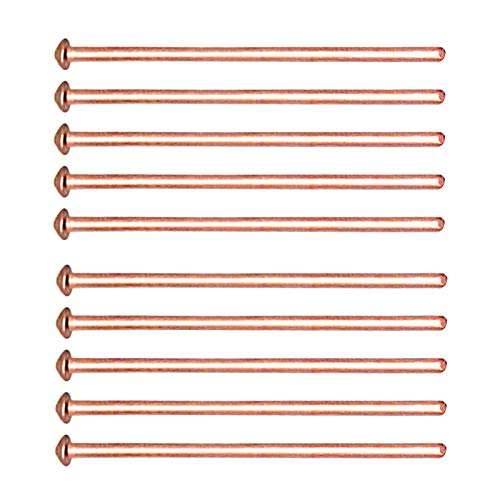
WHAT YOU GET - Includes 600pcs 2.0mm welding studs(diameter). Lots of studs pins supply.
What Surface Prep Gives the Strongest Welds?
Strong stud welds start with clean, dry base metal. Paint, dirt, rust, oil, and moisture can weaken the bond and reduce joint strength.
You’ll get the best result when you remove contaminants from the weld spot and check the surface before welding. Use this quick guide:
| Prep step | Why it matters |
|---|---|
| Strip coatings | Exposes sound metal for better fusion |
| Clean and dry | Helps prevent porosity and weak bonding |
| Check thickness | Confirms the panel can handle the weld load |
Avoid welding on galvanized metal unless your tool, ventilation, and repair procedure allow it. Zinc coating can affect weld quality and create hazardous fumes.
You should also assess metal thickness before you fire the stud gun. Thin panels can distort or fail under stress when the settings run too hot.
Thorough cleaning protects strength, reliability, and control. When you prep the surface correctly, you reduce hidden defects and create a joint that holds with precision.
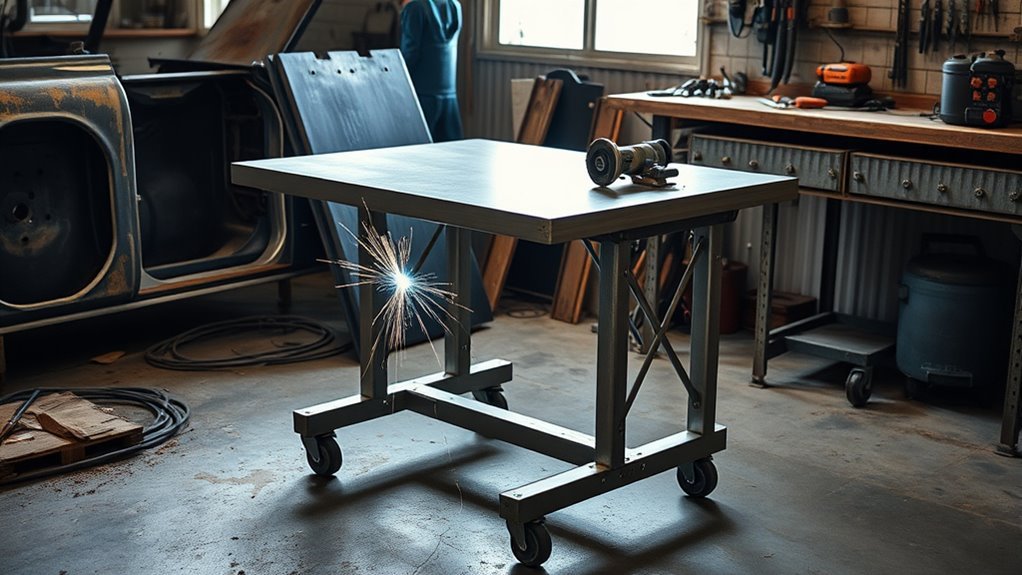
Using a grinder-rated wheel during surface prep can help you create a clean and even weld area.
What Safety Steps Should You Take Before Stud Welding a Car?
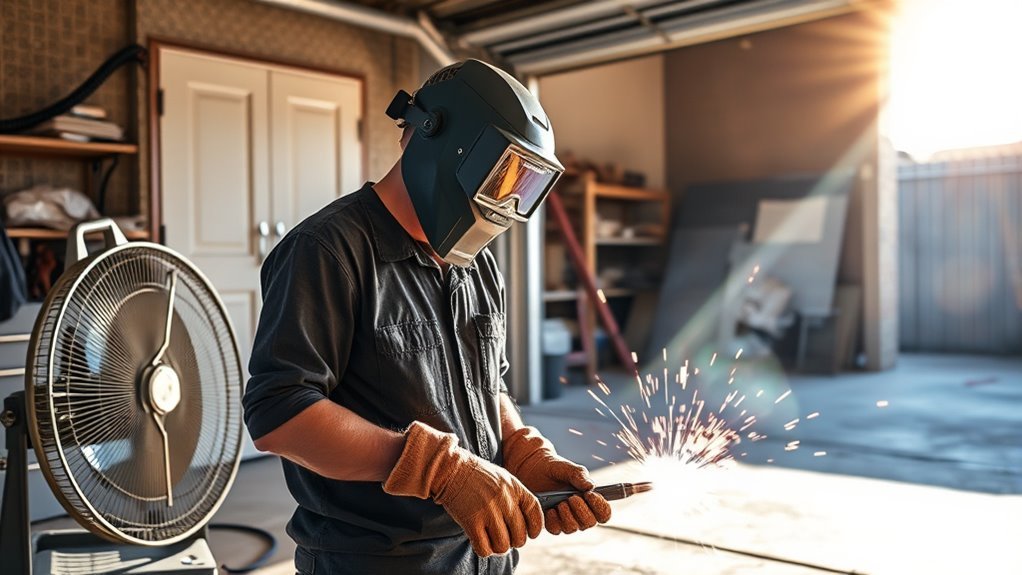
Stud welding uses high heat, bright arc light, and electrical current, so you need proper protection. Wear welding eye protection, gloves, long sleeves, and nonflammable work clothing.
Work in a well-ventilated area, especially when coatings, sealers, or galvanized metal may heat up. Remove flammable materials near the repair area before you start.
Protect the vehicle too. Follow the repair manual, keep the ground clamp close to the weld area, and shield glass, trim, wiring, and interior materials from sparks.
Note: Structural repairs may require a certified technician and vehicle-specific repair data.
Frequently Asked Questions
What Are the Disadvantages of Stud Welding?
Stud welding requires the right equipment, proper technique, and clean surface prep. Poor settings or dirty metal can create weak welds that fail under pulling force or vibration.
Can You Stud Weld Through Paint?
Some stud welding systems can work through light coatings, but clean bare metal usually gives you a more consistent weld. For critical repairs, follow the tool maker’s instructions and the vehicle repair procedure.
How Expensive Is Welding on a Car?
Car welding cost depends on the shop rate, damage level, material, and whether the repair affects structure. Minor body repairs may cost much less than structural welding, which can require more labor, inspection, and refinishing.
Can Stud Welding Damage a Car Panel?
Yes, poor settings or repeated welds in one spot can warp thin sheet metal or burn through it. Test first, keep heat controlled, and avoid overworking the same area.
Is Stud Welding the Same as Spot Welding?
No. Stud welding attaches a stud or fastener to a surface, while spot welding joins overlapping sheets of metal. Both use heat and pressure in different ways for different repair goals.
Conclusion
Stud welding gives you a fast, controlled way to attach a stud to damaged sheet metal for pulling, fastening, or repair. Start with clean metal, match the stud to the job, and set the tool for the panel thickness. If the repair affects structure or safety systems, let a qualified auto body technician handle it. With the right prep and care, the humble stud lets precision do the work.
References
- Welding, Cutting, and Brazing — Occupational Safety and Health Administration
- Welding and Manganese — National Institute for Occupational Safety and Health
- AWS Standards — American Welding Society