When determining the correct breaker size for your plasma cutter, start with the voltage: either 120V or 240V. For 120V units, a 20 or 30 amp breaker works well, with 10-gauge wire for safe operation. 240V cutters need a 50 amp breaker paired with 6/2 wire. Always follow the manufacturer’s guidelines to prevent tripping or equipment damage.
Quick Answer
- 120V plasma cutters: use a 20 amp breaker (30 amp for higher-draw models), with 10 or 12-gauge wire.
- 240V plasma cutters: use a 50 amp breaker with 6/2 wire.
- Use a slow-blow breaker to handle startup current surges without tripping.
- Always run plasma cutters on a dedicated circuit, not shared with other devices.
- Check your specific model’s manual — requirements vary by unit.
Understanding Plasma Cutter Voltage and Amperage Requirements
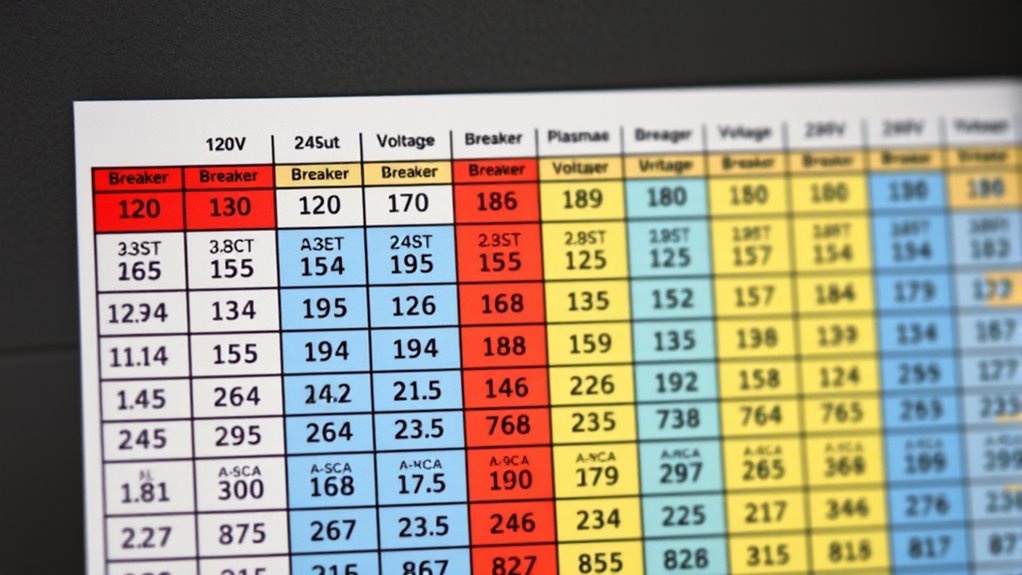
When selecting a plasma cutter, knowing its voltage and amperage requirements is the first step to safe, efficient operation. Most plasma cutters run on either 120V or 240V systems, and that choice directly affects both cutting performance and your electrical setup.
Understanding voltage and amperage needs is crucial for safe, efficient plasma cutter operation and optimal cutting performance.
A 50 amp plasma cutter, for example, needs a 240V circuit with a dedicated 50 amp breaker. It also requires the correct wire gauge — typically 6/2 wire — to safely carry that load. You can find general wire sizing guidance in the NEC wiring guidelines.
Pay attention to peak current draw, not just average draw. Running a plasma cutter at peak capacity on a too-small breaker causes frequent tripping and hurts efficiency. Check the manufacturer’s specs for exact breaker recommendations.
Importance of Selecting the Right Breaker Size
The right breaker size protects your plasma cutter from electrical overloads and keeps performance steady. A correctly sized breaker maintains stable power and cuts down on nuisance tripping. Consult the manufacturer’s guidelines to match the breaker to your cutter’s actual needs.
Preventing Power Overload
Overcurrent protection is what keeps your circuit from overheating and your breaker from tripping mid-cut. A 50 amp plasma cutter needs a dedicated 50 amp breaker to handle peak loads safely.
An undersized breaker causes repeated interruptions and risks damaging your equipment or wiring. Slow-blow breakers are a smart choice here — they tolerate brief current spikes without shutting off, keeping your workflow steady.
Always follow the manufacturer’s guidelines for breaker size. Going outside those specs can void your warranty and create safety hazards.
Ensuring Consistent Performance
The right breaker size keeps your plasma cutter running without interruptions. A 50 amp cutter needs a matching 50 amp breaker. A slow-blow breaker handles peak currents without tripping on startup surges.
Following manufacturer guidelines improves efficiency and keeps you within safety standards. Here’s what you get from choosing correctly:
- Better cutting precision and efficiency.
- Lower risk of damaging your equipment.
- Compliance with safety regulations.
- Fewer unexpected workflow interruptions.
- Protection from electrical issues over time.
Avoiding Frequent Tripping
Frequent tripping hurts productivity and cutting quality. Make sure your breaker matches the plasma cutter’s amperage rating. A 50 amp unit needs a 50 amp breaker — a smaller one will trip during peak draw.
Use a slow-blow breaker if possible. It handles temporary amperage surges during startup without cutting power. Also, inspect your breaker periodically for wear or signs of heat damage — a failing breaker can trip even when the load is within spec.
Recommended Breaker Sizes for 120V Plasma Cutters
For a 120V plasma cutter, a 20 or 30 amp breaker is usually the right choice. Make sure your circuit wiring is rated to match — typically 10-gauge wire for a 30 amp circuit or 12-gauge wire for a 20 amp circuit. Check your plasma cutter’s manual, since some models have specific requirements that affect which breaker works best.
Breaker Capacity Considerations
Getting breaker capacity right means doing accurate load calculations so your circuit can handle the demand. A 20 amp breaker is typically enough for most 120V plasma cutters, including units like the Hypertherm Powermax 30 XP. Use 12-gauge wire on a 20 amp circuit to stay within safe limits.
Skipping these checks leads to frequent tripping that disrupts your work.
- Run load calculations before wiring your circuit.
- Use the right wire gauge to avoid overheating.
- A 20 amp breaker suits most 120V cutters.
- Avoid a 15 amp breaker — it’s not enough for most plasma cutters.
- Confirm with your manufacturer’s specs.
Voltage Compatibility Insights
Matching your breaker to your voltage system prevents compatibility problems. A 20 amp breaker handles a typical 120V plasma cutter without tripping. Go with a slow-blow breaker to manage startup surges.
Some cutters work on a 15 amp circuit, but a 20 amp breaker gives you more headroom, especially when cutting thicker material. If other devices share the circuit, verify the combined amperage stays under the breaker’s limit. When in doubt, check the manufacturer’s specs for your exact model.
Amperage Requirements Overview
Most 120V plasma cutters draw around 15 amps during normal use, so a 20 amp breaker gives a safe buffer for peak loads. Sizing too small creates real problems:
- Frequent tripping: Ruins cut quality and wastes time.
- Insufficient power: Limits what the cutter can do.
- Equipment damage: Electrical stress adds up over time.
- Fire risk: Overloaded circuits are a serious hazard.
- More downtime: Delays your projects.
If your cutter needs 30 amps or more, you’ll need a dedicated 240V circuit instead.
Recommended Breaker Sizes for 240V Plasma Cutters
For a 240V plasma cutter, a 50 amp breaker is the standard recommendation. A 30 amp breaker is not enough — it will trip regularly during normal cutting. Use a slow-blow breaker to ride out brief current surges at startup without interrupting your work.
Wire gauge matters too. A 50 amp breaker requires 6/2 wire to safely carry the load. Always verify the manufacturer’s guidelines for your specific cutter.
| Breaker Size | Recommended Wire Gauge |
|---|---|
| 30 amp | Not recommended |
| 50 amp | 6/2 |
| Slow blow | 6/2 |
Follow these guidelines and your 240V cutter will run smoothly and safely.
Factors Affecting Breaker Selection
Choosing the right breaker involves more than just matching amperage. You need to account for breaker type and circuit compatibility to keep things safe and efficient. The plasma cutter’s amperage rating sets the baseline — a 50 amp cutter generally needs a 50 amp breaker. Dedicated circuits are a must; sharing with other equipment and using an undersized breaker is asking for trouble.
Consider the plasma cutter’s amperage to select the correct breaker and ensure seamless operation.
Keep these factors in mind when making your decision:
- Amperage Rating: Match the breaker’s capacity to your cutter’s requirements.
- Circuit Type: Confirm compatibility with 120V or 240V as needed.
- Breaker Type: Slow-blow breakers handle peak startup currents best.
- Manufacturer’s Guidelines: Always the final word on safe sizing.
- Future Upgrades: Think ahead so you don’t have to rewire later.
Common Mistakes and How to Avoid Them
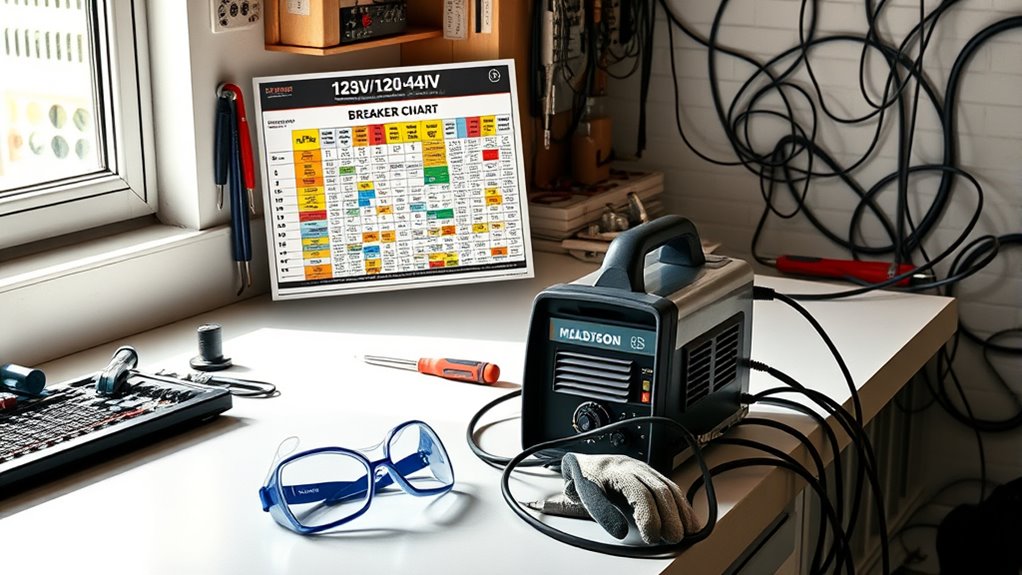
The most common mistake is picking a breaker that’s too small. It causes constant tripping and slows down your work. Always factor in peak amperage draw, not just the rated operating current, or you’ll end up with a breaker that can’t keep up.
Ignoring manufacturer guidelines is another frequent error. Improper sizing hurts both performance and safety, and it can affect your warranty.
Overloading a circuit by plugging multiple devices into the same breaker is a bad habit in any shop. Plasma cutters need their own dedicated circuit — period.
Finally, don’t overlook slow-blow breakers. They’re specifically designed to absorb brief amperage spikes without tripping, which is exactly what plasma cutters throw at a circuit during startup.
Tips for Safe and Efficient Plasma Cutter Operation
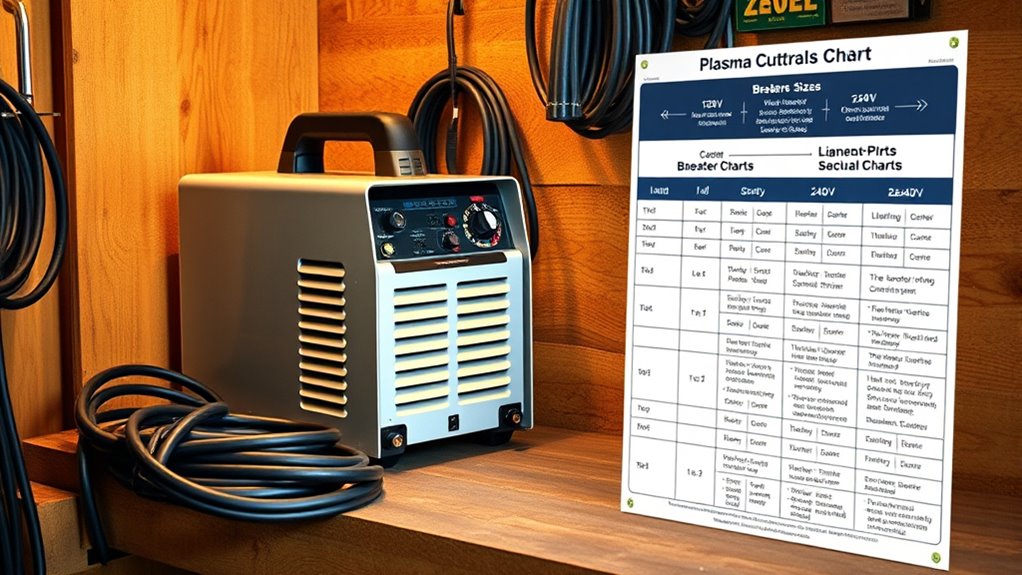
Getting the breaker right is just the start. Here are a few more habits that keep your plasma cutter running well:
Keep amperage settings within the recommended range to avoid unnecessary breaker trips. Use a slow-blow breaker for high-amperage cuts. Set air pressure correctly — too low produces incomplete cuts, and too high creates dross buildup.
Always wear the right safety gear: gloves, welding goggles, and flame-resistant clothing protect you from sparks and UV exposure. Inspect your torch components regularly, and keep the ground clamp firmly attached for a stable arc.
- Monitor amperage settings closely.
- Use slow-blow breakers for peak currents.
- Maintain correct air pressure for clean cuts.
- Wear proper safety gear every time.
- Inspect torch components on a regular schedule.
Frequently Asked Questions
How Do I Convert a 120V Plasma Cutter to 240V?
Converting a 120V plasma cutter to 240V requires a clear understanding of the voltage conversion process and proper wiring. Check the manufacturer’s manual for step-by-step instructions, and use appropriate tools and protective equipment throughout.
Can I Use a Breaker Size Larger Than Recommended?
It’s not a good idea. Using a larger breaker than recommended means the circuit won’t trip when it should, which can cause overheating and create a fire risk. Always follow the manufacturer’s guidelines and your local electrical code.
What Are the Signs of an Overloaded Breaker?
Watch for frequent tripping, a burning smell near the panel, or a breaker that feels warm to the touch. If you notice these signs, check your load distribution and call a licensed electrician if the problem continues.
How Often Should I Test My Plasma Cutter’s Breaker?
Test it every six months. Regular testing catches problems early, prevents unexpected failures, and keeps your setup safe.
Are There Specific Brands of Breakers Recommended for Plasma Cutters?
Many plasma cutter users recommend Square D for consistent breaker performance. Whatever brand you choose, make sure it meets recognized safety standards and is rated for the amperage your cutter requires.
Conclusion
Getting the breaker size right is one of the simplest ways to protect your plasma cutter and avoid frustrating interruptions. Match the breaker to your cutter’s voltage and amperage: 20 or 30 amps for 120V systems, 50 amps for 240V. Use the correct wire gauge, opt for a slow-blow breaker, and keep the cutter on a dedicated circuit. A little attention upfront saves a lot of headaches later.