Why Can a Weld Look Good but Still Be Weak?
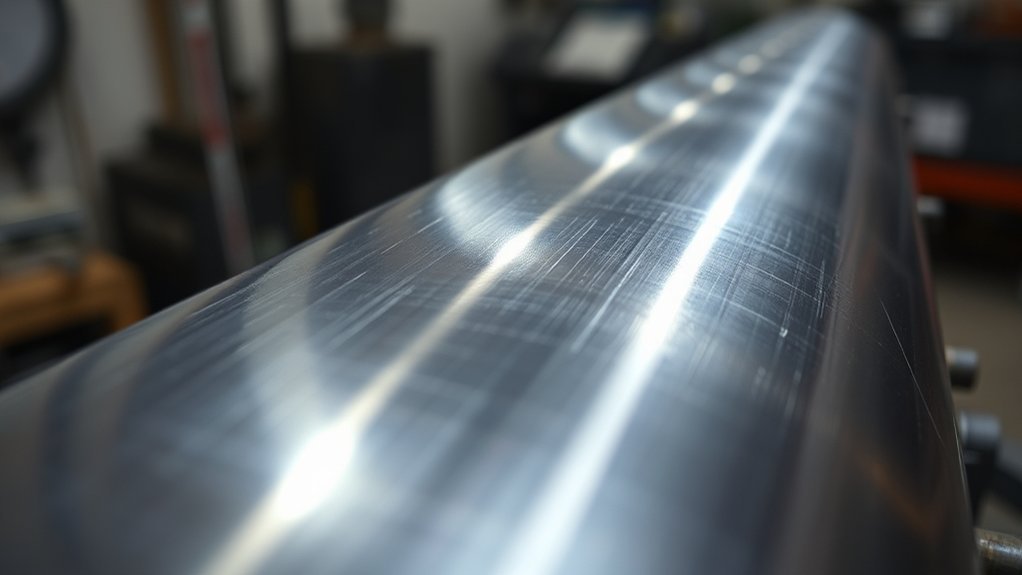
A weld can look clean on the surface and still hide serious internal weakness. Poor penetration, contamination, trapped gas, slag, and cracks can reduce strength even when the bead looks smooth. You need more than a quick visual check to judge weld quality. This guide explains why a good-looking weld can fail and how you can spot the warning signs before the joint carries load.
Quick Answer
A weld can look good but still be weak when the surface bead hides poor fusion, shallow penetration, porosity, slag, or cracks. Visual inspection helps, but it can’t show every internal flaw. Clean metal, correct settings, steady technique, and proper weld testing give you a much better chance of making a strong joint.
Key Takeaways
- A smooth weld bead does not always mean the joint has enough strength.
- Porosity, slag, cracks, and lack of fusion can hide below the surface.
- Dirty metal, poor shielding, and wrong heat settings often cause weak welds.
- Non-destructive testing can reveal flaws that your eyes may miss.
- Good preparation and steady technique help you avoid most hidden weld defects.
Understanding the Importance of Weld Quality
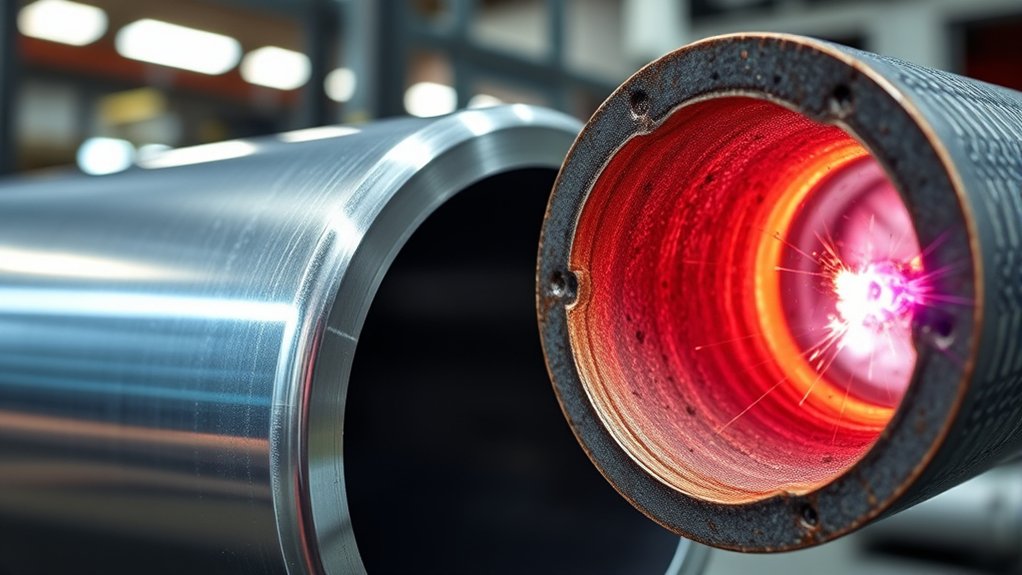
Weld quality matters because a joint must hold under stress, heat, vibration, and daily use. A smooth bead may look strong, but the weld can still hide serious structural weaknesses. Insufficient penetration, where the weld bead does not fuse deeply enough into the base metal, can leave the joint vulnerable.
Contamination can also weaken the bond. Rust, oil, paint, moisture, and dirt can block proper fusion between the filler metal and base metal. The outside may look clean while the inside lacks strength.
Internal defects like porosity and slag inclusion can stay hidden during a basic surface check. These defects raise the chance of cracking, bending, or failure under load. You can reduce that risk by using correct settings, clean materials, steady travel speed, and the right inspection method.
Non-destructive testing (NDT), such as ultrasonic testing or radiographic inspection, can help you check weld quality beyond the surface. These methods can reveal internal flaws without cutting the weld apart. Good testing protects the performance and life of welded parts.
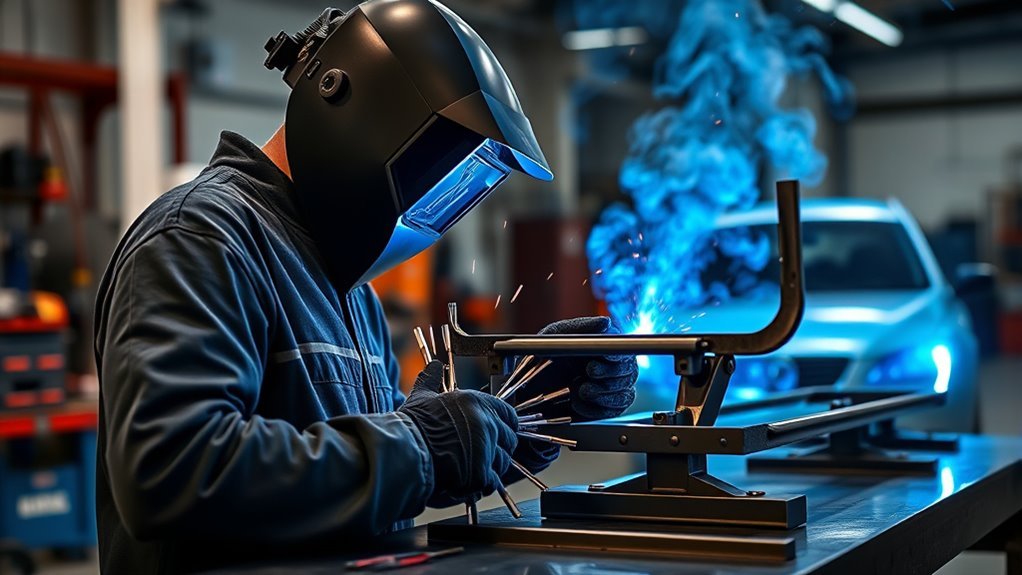
You should also use proper protective gear during welding. Safety gear helps protect you from sparks, heat, light, fumes, and other shop hazards.
Identifying Common Hidden Weld Defects
A weld may look flawless on the surface while defects weaken it inside. Porosity forms when gas gets trapped in the weld metal and leaves small holes or voids. These voids reduce the solid area that carries load.
Lack of fusion happens when the weld metal does not bond well with the base metal or a previous weld pass. You may not see this defect from the surface. Under stress, the joint can crack or separate.
Slag inclusion can occur when slag gets trapped inside the weld bead. This problem often comes from poor cleaning between passes, wrong angle, or poor technique. Internal cracks can also form from rapid cooling, high stress, or unsuitable settings.
Non-destructive testing methods, such as ultrasonic or radiographic inspection, help you find these hidden defects. You can then repair or reject the weld before the part faces service loads. Understanding porosity causes also helps you prevent repeat defects.
How Contamination Leads to Structural Weakness
Contamination can weaken weld integrity because even small debris can block fusion between the weld and base metal. You should clean the joint area before welding and keep moisture away when possible.
- Oil, rust, paint, and mill scale can reduce penetration and create weak joints.
- Moisture can add hydrogen to the weld area and increase the risk of porosity or cracking.
- Slag inclusions can trap impurities and create weak points inside the bead.
- Poor shielding gas coverage can expose the weld pool to air and cause defects.
- Visual inspection may miss hidden porosity, cracks, or lack of fusion.
Poor cleaning and weak joint preparation can make the weld sit on the surface instead of bonding securely. A clean work area, clean base metal, and correct shielding help you make stronger welds. Using proper cleaning techniques can also improve weld quality and surface condition.
Warning: Never weld over oil, paint, solvents, or unknown coatings because fumes and weak fusion can create serious hazards.
Products Worth Considering

Economical Handy Tool for applying a variety of materials Interior, Exterior, such as Glue, Acid, Flux, Oil, Paste, Pipe Dope, Soldering, greasing, Touch-up, applying Zinc primer, Spreading, Dusting, Cleaning, Cooking, Baking, Art, Woodworking, Workbooking, Arts & Crafts, or other general-purpose applications and more, hobbyists and professionals.

Material: Crafted with carbon steel and stainless steel wire bristles, ensuring long-lasting performance and effective cleaning.

Lincoln Electric K3185-1 Carbon Steel Wire Brush, 4 x 16 Bristle Rows, 9.4" Length, Shoe Handle
How to Spot Porosity and Slag in Welds
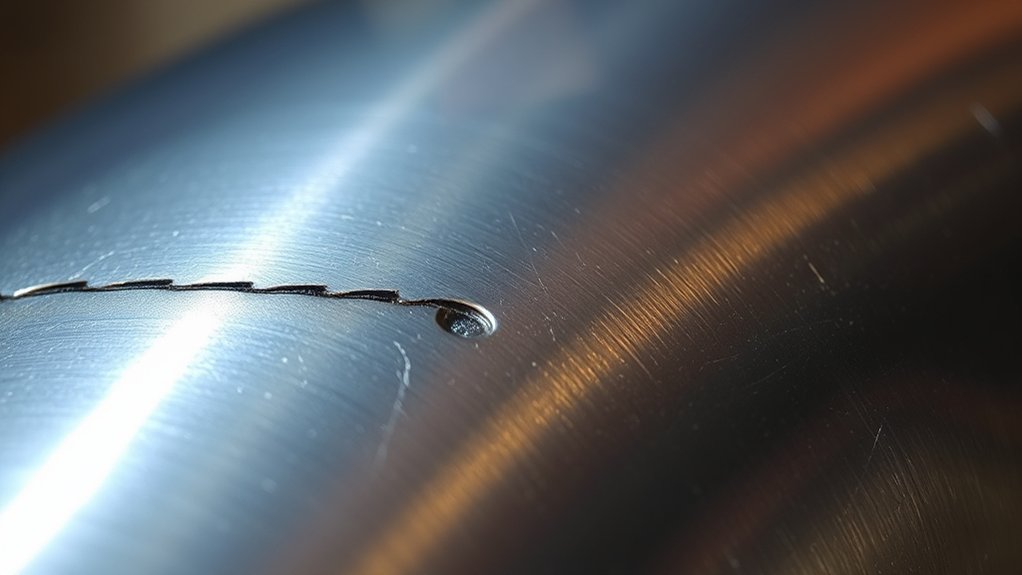
You can spot some porosity and slag problems with careful visual inspection. Look for small holes, pits, rough texture, trapped material, or uneven bead shape. These surface clues can point to deeper weld quality problems.
Some defects stay hidden below the bead, so visual checks alone may not be enough. Pair your inspection with proper testing when the weld supports weight, pressure, vibration, or safety-critical parts. Learning the common mistakes in flux core welding can also help you prevent defects before they form.
Products Worth Considering

COMPATIBILITY: Designed for 14AK welding torches, this kit is a direct fit for YESWELDER FLUX-135PRO/FLUX-135MINI models. It’s also compatible with any other welder that uses a 14AK gun. Ideal for gasless flux core welding and general metal fabrication in workshops, construction sites, and automotive repair applications.
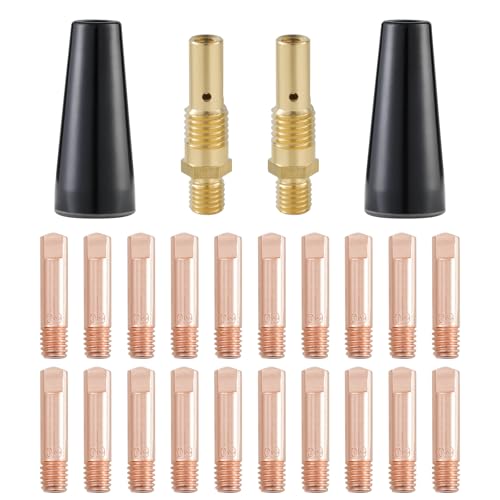
Package Including 20 x .035" (0.9mm) contact tips, 2 x flux core gasless nozzles, 2 x gas diffusers

Package Including 20 x .035" (0.9mm) contact tips, 2 x flux core gasless nozzle, 2 x gas diffusers
Visual Inspection Techniques
Visual inspection helps you find surface defects, but it cannot confirm every internal flaw. Use good lighting, a clean surface, and a consistent inspection process. Focus on these signs:
- Porosity: Look for small holes, bubbles, or pits in the bead.
- Slag inclusions: Watch for rough texture, trapped material, or dark lines.
- Surface irregularities: Check for undercut, overlap, uneven shape, or poor tie-in.
- Weld bead profile: Compare the bead shape with the joint type and weld size needed.
- Inspection habits: Clean the weld area before checking so defects show more clearly.
Ultrasonic testing, radiographic testing, or another suitable NDT method can reveal internal flaws that visual inspection may miss. Use those methods when a weld must meet a code, carry high load, or protect safety.
Testing Methods Overview
Visual inspection gives you a useful first check, but it mainly shows surface condition. Non-destructive testing methods can check deeper areas without cutting the weld apart. Ultrasonic testing uses sound waves, while radiographic testing uses imaging to show internal defects.
Bend tests can also reveal hidden weakness by placing stress on a sample weld. Porosity often appears as holes or voids, while slag inclusions show trapped impurities in the weld metal. Combining visual checks, NDT, and test pieces gives you a stronger view of weld quality.
Common Defect Indicators
You can prevent many weld failures when you know what defect signs mean. Use these indicators during inspection and setup:
- Trapped gas can create porosity, which may appear as small holes or pits.
- Poor cleaning or poor technique can leave slag trapped inside the bead.
- Irregular texture, pitting, or rough bead shape can signal deeper problems.
- NDT can detect internal defects that you cannot see from the surface.
- Stable amperage, voltage, travel speed, and shielding help reduce defect risk.
The Role of Insufficient Penetration in Weld Failures
Insufficient penetration happens when the weld bead does not fuse deeply enough into the base metal. This creates a shallow bond that can fail under load. The weld may look neat, but the joint may lack the strength the job requires.
You can prevent this problem by matching your heat, speed, joint prep, and electrode or wire choice to the material. You should also confirm critical welds with proper testing. Correct amperage settings help you reach the needed penetration depth.
Causes of Insufficient Penetration
Insufficient penetration often starts with poor setup or poor technique. Check these common causes before you weld:
- Low heat settings for the material thickness
- Travel speed that moves too fast for proper fusion
- Poor joint preparation or tight root opening
- Wrong electrode, wire, or filler material for the joint
- Dirty base metal that blocks fusion
Good penetration helps the weld bond across the joint. A good-looking bead can still fail if the weld does not reach deep enough. Bend tests, macro-etch samples, ultrasonic testing, or radiographic inspection can help uncover depth problems.
Impact on Weld Strength
Weld strength depends heavily on penetration and fusion. When the weld metal does not bond well with the base metal, the joint loses load-carrying strength. Shallow fusion can also hide voids or weak areas below the bead.
These flaws can raise the risk of cracking, especially under vibration, bending, or repeated stress. Proper penetration gives the joint a stronger path to carry force. You should treat penetration as a key part of weld quality, not just a visual detail.
Best Practices for Ensuring Strong, Reliable Welds
Strong welds start before you strike the arc. Clean the metal, prepare the joint, and set the machine for the material type and thickness. Then keep your travel speed, angle, and arc length steady while you weld.
Use these best practices to reduce hidden weld defects:
- Clean surfaces thoroughly before welding.
- Set amperage and voltage for the metal thickness and joint type.
- Use the right filler material or electrode for the base metal.
- Keep travel speed and torch angle consistent.
- Clean slag between passes when the process creates slag.
- Check gas flow and shielding coverage for gas-shielded processes.
- Use NDT methods for critical welds when visual inspection is not enough.
- Calibrate and maintain your welding equipment on a regular schedule.
- Use proper cleaning techniques to improve weld stability.
Pro tip: Make a test weld on scrap metal before the final joint when strength matters.
When to Use Non-Destructive Testing
You do not need advanced testing for every small practice weld. You should consider NDT when the weld supports weight, holds pressure, faces vibration, or affects personal safety. You should also use it when a code, client, or inspection standard requires proof of weld quality.
Ultrasonic testing can help find internal cracks, lack of fusion, and some inclusions. Radiographic testing can show internal voids and trapped material. A qualified inspector can help choose the right method for the weld type and service risk.
Frequently Asked Questions
Why Are My Welds Weak Even When They Look Good?
Your welds may look good but still have poor penetration, lack of fusion, porosity, slag, or cracks. Surface appearance only shows part of the weld. You need correct setup, clean metal, and proper inspection to confirm strength.
Can Visual Inspection Confirm a Strong Weld?
Visual inspection can find surface problems like cracks, undercut, overlap, porosity, and poor bead shape. It cannot confirm every internal defect. For critical welds, use a suitable NDT method or approved test procedure.
What Are Signs of a Good Weld?
A good weld usually has a consistent bead, smooth tie-in, correct size, and no visible cracks or holes. It should also show proper fusion at the edges. For strength, the weld must meet the joint design and inspection requirements.
What Is the Golden Rule in Welding?
The golden rule in welding is to create proper fusion between clean base metal and weld metal. Good preparation, correct heat, steady technique, and careful inspection all support that goal. A weld should meet both visual and structural needs.
How Do I Reduce Porosity in a Weld?
Clean the base metal, remove moisture, and use proper shielding gas coverage when your process needs gas. Keep your arc length and travel speed steady. Also check for gas leaks, drafts, dirty wire, or damp electrodes.
Conclusion
A good-looking weld can still fail if the joint hides weak fusion, porosity, slag, cracks, or shallow penetration. Your best next step is to clean the metal, set the machine correctly, and inspect the weld based on its risk level. Use NDT or a qualified inspector when the weld affects safety or carries serious load. A strong weld should look right on the outside and hold soundly on the inside.