

One of the first lessons I learned with stick welding was that arc welding machines don’t always play nice—sometimes the electrode sticks, the arc cuts out, or the bead looks messy instead of smooth and strong. These arc welding machine problems can happen whether you’re running beads on mild steel, stainless welding projects, or thinner metal where heat control and arc stability are critical.
I’ve dealt with filler rods burning unevenly, poor joint prep leading to porosity, and even a simple loose ground clamp that caused endless frustration. Issues like these aren’t just annoying—they waste consumables, compromise weld quality, and can weaken the structural strength of your work.
That’s why I’ve put together this guide on arc welding machine problems and solutions, packed with real fixes that save time, money, and headaches. Stick around, because these troubleshooting tips will help you weld smarter and cleaner every time.
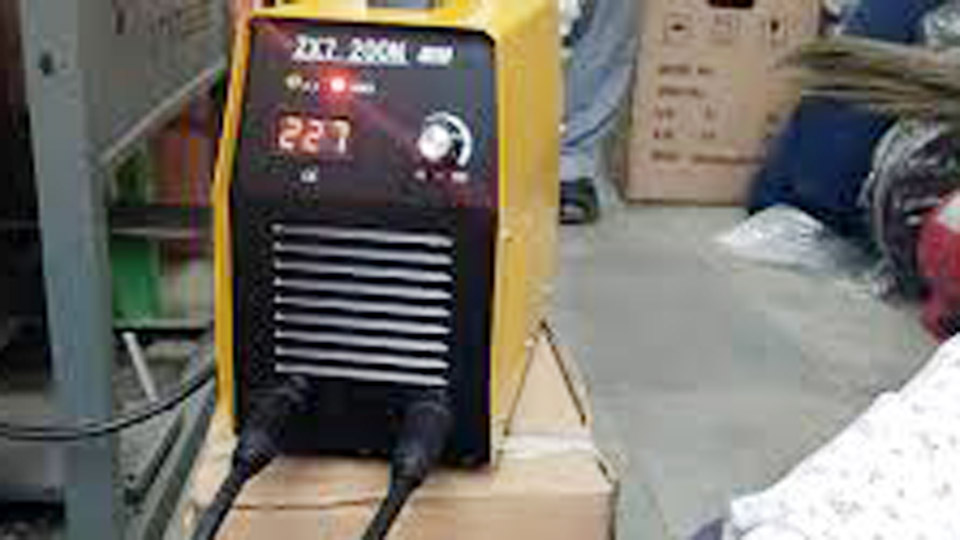
Image by dial4trade
Common Arc Welding Machine Power Issues
Power problems are often the first thing that trips up new trainees in my workshop. Your machine hums to life, or maybe it doesn’t, and suddenly you’re dead in the water. These stem from electrical supply glitches, faulty components, or simple oversights that even seasoned welders make.
Take the time I was on a job site repairing farm equipment. The stick welder wouldn’t fire up, and after checking the obvious, it turned out to be a tripped breaker from an overloaded circuit. Lesson learned: always verify your power source before blaming the machine.
Welder Won’t Start or No Power
This one’s a classic. You flip the switch, and nothing happens—no fan, no lights, zilch. It could be as basic as a dead outlet or something deeper like a blown fuse.
First, check your input voltage. In the US, most home shops run on 110V or 220V single-phase, but industrial setups might need three-phase. Use a multimeter to confirm you’re getting the right juice at the plug. If it’s low, you might have voltage drop from long extension cords—keep them under 50 feet and at least 10-gauge for heavier machines.
If voltage is good, inspect fuses or circuit breakers inside the machine. Over time, they wear out from surges. Replace with the exact rating specified in your manual to avoid fire risks. Also, peek at the power switch or contactor; dust and grime can cause failures. Clean with compressed air or replace if corroded.
For inverter-based machines, which are popular for their portability, a faulty capacitor might be the culprit. If you’re comfortable, open the case (unplugged, of course) and look for swollen or leaking parts. But if electronics aren’t your thing, take it to a certified repair shop—better safe than zapped.
Blown Fuses or Tripped Breakers
Your welder starts fine but pops a fuse after a few minutes? That’s often overload protection kicking in. Machines have duty cycles, like 20% at max amps, meaning you can weld for 2 minutes out of 10 without overheating.
I once pushed a small 140-amp MIG too hard on thick plate, and fuses blew left and right. Solution: Match your machine to the job. For hobby work on 1/8-inch steel, a 200-amp unit gives more headroom.
Size fuses 2-3 times the motor’s rated current. If they still blow, check for short circuits in the leads or motor windings. Use your multimeter in continuity mode to test. And always ground the frame properly—ungrounded machines can cause erratic behavior and shocks.
Overheating and Thermal Shutdown Problems
Overheating is a silent killer for arc welders. It reduces component life, warps internals, and triggers auto-shutdowns mid-weld, which is maddening on deadlines.
Why does it happen? Blocked vents, high ambient temps, or exceeding duty cycle. In hot US summers, shops can hit 100°F, pushing machines harder.
Preventing Welder Overheating
Start with maintenance. Clean fans and vents monthly—dust buildup is enemy number one. I use a shop vac and brush in my routine.
Position your machine with at least 12 inches of clearance around it for airflow. If it’s inverter-style, they’re more efficient but still need cooling.
Monitor duty cycle religiously. For example, on a 250-amp stick welder, run at 200 amps for longer sessions. If it shuts down, let it cool 10-15 minutes. Pro tip: Add an external fan for extended runs on thick materials.
If overheating persists, check the thermostat or thermal relay. These can fail over time. Test with a multimeter for continuity when cool.
Arc Instability and Wandering Arc Issues
An unstable arc is like trying to write with a shaky hand—your welds end up porous, undercut, or just plain ugly. This affects weld integrity, leading to cracks under stress.
Common in all arc processes: stick, MIG, TIG. Causes include wrong settings, poor grounding, or contaminated materials.
Fixing Unstable Arc in Stick Welding
In stick (SMAW), arc blow from magnetic fields is a biggie, especially on DC setups. The arc wanders, making control tough.
I recall welding pipe joints where the arc kept deflecting. Fix: Relocate your ground clamp closer to the weld or use multiple grounds. Weld away from the ground direction if possible.
Adjust polarity—DCEP for most electrodes like 7018. Set amps right: 90-120 for 1/8-inch rods on mild steel. Too low, and the arc stutters; too high, and it spatters.
Clean your work surface. Rust or paint disrupts the arc. Grind to bare metal and clamp directly.
Troubleshooting Wandering Arc in TIG Welding
TIG (GTAW) is finicky with gas flow. Too low (under 15 cfh), and the arc wanders from poor shielding; too high (over 20 cfh), turbulence ensues.
Use pure argon for aluminum or steel. Check hoses for leaks—soap water test works great.
Tungsten prep matters. Grind to a point for DC, ball the end for AC. Wrong size? A 1/16-inch for thin sheet, 3/32 for heavier.
Balance control on AC machines: More electrode positive cleans oxides but can ball tungsten excessively.
Electrode Sticking and Starting Arc Difficulties
Nothing frustrates like a stuck electrode—it kills momentum and can damage your stinger.
Happens when amps are too low or arc length too short, common for beginners.
How to Prevent Electrode Sticking
Strike like a match: Scratch the rod across the surface at a 15-degree angle, then lift to 1/8-inch arc length.
For 6010 rods, use 70-90 amps on 3/32 size—aggressive for root passes. 7018 needs 100-140, drier storage to avoid moisture pickup.
If sticking persists, check polarity and clean the holder. Dirty clamps increase resistance.
Personal story: Training a kid, he kept sticking because he dragged the rod. I showed him the whip-and-pause technique—problem solved, beads improved overnight.
Excessive Spatter and Weld Defects
Spatter is those molten droplets flying everywhere, messing up your finish and wasting filler.
In MIG (GMAW), wrong gas mix or voltage causes it. Use 75/25 argon/CO2 for steel.
Reducing Spatter in MIG Welding
Set voltage 18-22V for 0.030 wire at 100-150 amps. Too high, spatter explodes; too low, wire stubs.
Clean nozzle regularly—spatter buildup shorts the circuit.
Pros: Anti-spatter spray helps. Cons: Overuse gums up the liner.
Table for MIG Settings:
| Wire Size | Material Thickness | Amps | Voltage | Gas Flow (cfh) |
|---|---|---|---|---|
| 0.030″ | 1/8″ | 100-150 | 18-22 | 20-25 |
| 0.035″ | 1/4″ | 150-200 | 22-26 | 25-30 |
Porosity and Cracks in Welds
Porosity—those pesky holes—weakens welds, often from gas entrapment or contamination.
Cracks come from stress, wrong filler, or rapid cooling.
Eliminating Porosity in Arc Welds
Clean everything: Base metal, filler, even gas lines. Moisture is a killer—dry rods in an oven at 250°F.
In TIG, ensure post-flow gas covers the hot weld. 10-15 seconds minimum.
For cracks, preheat high-carbon steels to 300°F. Use low-hydrogen rods like 7018.
Step-by-step for porosity fix:
- Grind contaminated areas.
- Check gas flow and purity.
- Weld slower for better fusion.
- Test on scrap first.
Incomplete Penetration and Undercut Problems
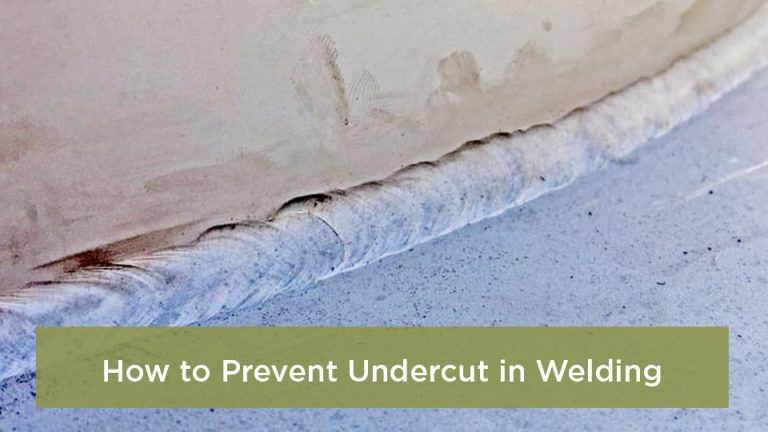
Incomplete penetration leaves weak roots; undercut notches the base, creating stress risers.
Achieving Full Penetration in Joints
Prep joints properly: 60-degree bevel for butt welds, 1/32-inch root gap.
In stick, use weaving for wider coverage. Amps high enough to melt through but not burn.
For TIG on aluminum, pulse settings help control heat.
Pros of proper prep: Stronger joints. Cons: Takes time, but worth it for load-bearing work.
Wire Feed and MIG-Specific Issues
MIG machines add wire feed woes to the mix.
Fixing No Wire Feed or Erratic Feeding
Birdnesting? Too much tension on drive rolls. Adjust to just grip without slipping.
Liner issues: Clean or replace if kinked. Use correct size for wire diameter.
If no arc but wire feeds, check contact tip—worn ones lose connection.
Anecdote: On a trailer repair, erratic feed ruined my day. Swapped the liner, smooth sailing.
Safety Considerations in Troubleshooting
Safety first—always. Unplug before opening machines. Wear PPE: Gloves, helmet with proper shade (10-13 for arc).
Ground everything to avoid shocks. Ventilate for fumes, especially with coated rods.
In US shops, follow OSHA guidelines: No wet floors, secure cylinders.
Machine Maintenance Tips for Longevity
Prevent problems with routine care. Oil fans if needed, store in dry areas.
Inspect cables for frays—replace at first sign.
For inverters, avoid dusty environments; they hate it.
Comparing Arc Processes: Problems and Fixes
Here’s a quick table to see how issues stack up:
| Problem | Stick (SMAW) Fix | MIG (GMAW) Fix | TIG (GTAW) Fix |
|---|---|---|---|
| Unstable Arc | Adjust polarity, ground placement | Check gas mix, voltage | Gas flow, tungsten prep |
| Overheating | Respect duty cycle | Clean nozzle, lower amps | Reduce pulse frequency |
| Porosity | Dry rods, clean metal | Proper shielding gas | Extend post-flow |
| Spatter | Correct amps | Anti-spatter, wire speed | N/A (minimal in TIG) |
Each process has strengths: Stick for outdoors, MIG for speed, TIG for precision.
Wrapping Up
Regular maintenance prevents most headaches, always match settings to materials, and don’t skip prep work—it’s the foundation of solid welds. You’re now better equipped to diagnose and fix arc welding machine problems, whether it’s a stuck rod or wandering arc. That means safer, stronger projects, whether you’re building a gate in your backyard or fabricating on the job.
Always keep a scrap piece handy to test settings before the real weld. It saves material and frustration every time. Now get out there and lay some beads—you’ve got this!
What causes arc blow in stick welding?
Arc blow happens from magnetic fields deflecting the arc, common on DC with uneven grounding. Fix it by moving the clamp, using AC if possible, or welding in short segments to redistribute fields.
How do I fix an overheating arc welder?
Check for blocked vents and clean them. Stick to the duty cycle, and improve shop ventilation. If it persists, inspect the thermal switch or add auxiliary cooling.
Why is my MIG welder not feeding wire properly?
Erratic feed often means dirty liners, wrong tension, or mismatched drive rolls. Clean or replace the liner, adjust tension so the wire slips slightly under hand pressure, and ensure the polarity matches your wire type.
What are common causes of porosity in arc welds?
Porosity comes from moisture, dirt, or poor gas coverage. Clean your materials thoroughly, store fillers dry, and verify gas flow rates—15-20 cfh for most setups.
How can I prevent electrode sticking when starting an arc?
Use the scratch start method, keep amps appropriate for the rod size, and maintain a short arc length. Practice on scrap to build confidence without frustration.



[…] MIG or TIG welding, which can be a bit more forgiving on thin gauge steel, arc welding runs hotter and demands steady hands, good joint prep, and the right filler rods. Getting it wrong […]