Welding Polarity Explained: DC Electrode Positive vs Negative
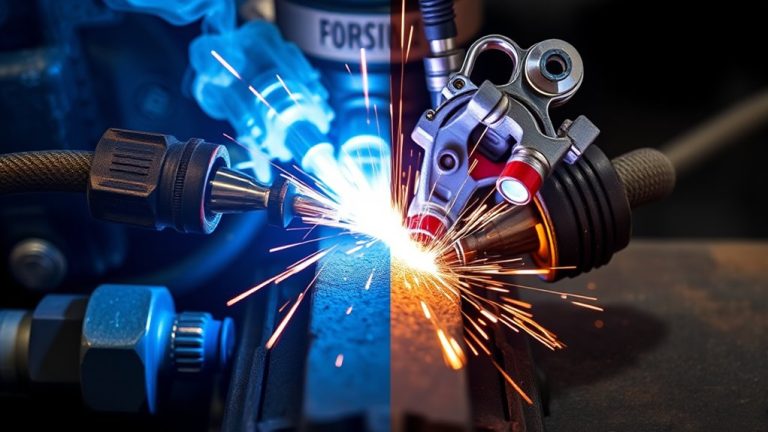
A clear guide to welding polarity reveals why DC electrode positive or negative changes heat, penetration, and bead quality.

Your complete guide to automotive welding with Ryan Mitchell — a 38-year-old professional welder with 17+ years of real-world experience in collision repair, custom fabrication, and classic car restoration.
In this category, Ryan breaks down everything you need to know: MIG, TIG, spot, stick, and resistance welding techniques, weld joints and types, common defects (porosity, undercut, burn-through, etc.), troubleshooting tips, welding parameters, materials, and all the essential terms every auto tech and DIYer should master.
Whether you’re repairing a daily driver, building a custom chassis, or restoring a vintage muscle car, you’ll find clear, practical, shop-floor advice designed to help you weld stronger, smarter, and safer.
New articles added regularly. Start learning today and take your automotive welding skills to the next level.
A clear guide to welding polarity reveals why DC electrode positive or negative changes heat, penetration, and bead quality.
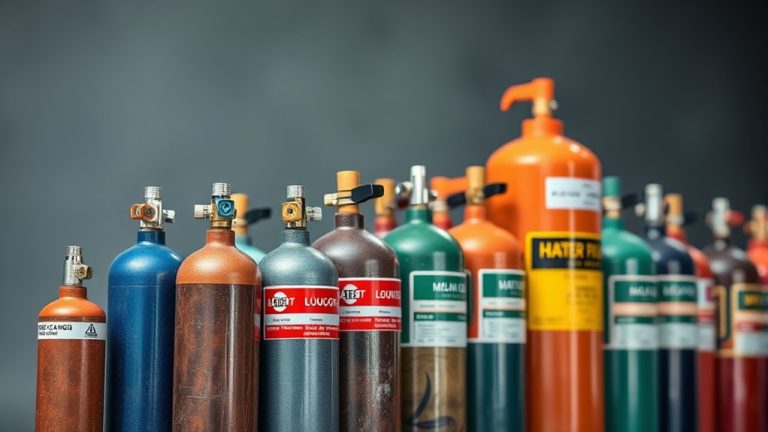
Get to know the different welding gas cylinder sizes and discover which one suits your needs best—your efficiency could depend on it!
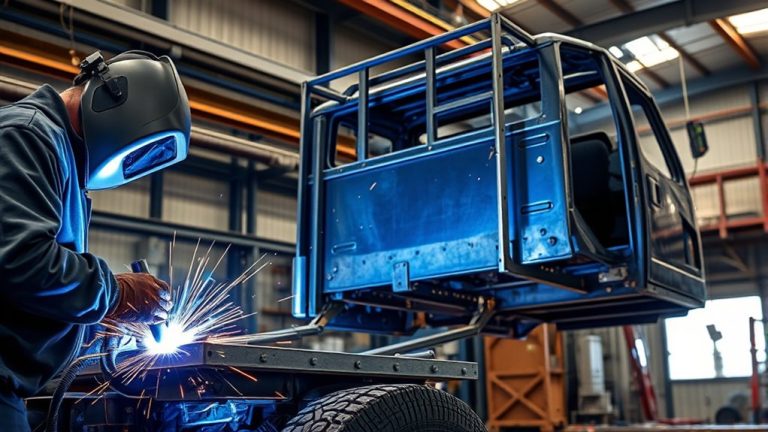
Hone your welds on body-on-frame vehicles with these crucial differences—you’ll want to see what changes make or break the repair.
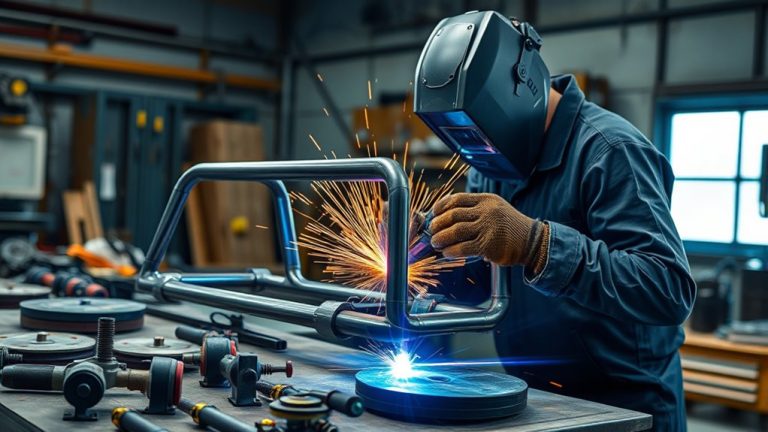
Join the essentials of off-road welding basics and discover the simple setup, prep, and technique tips that can make or break your build.
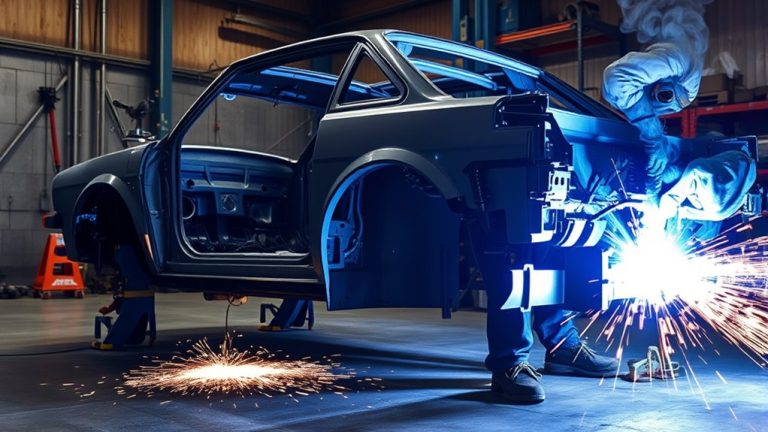
Just how much can a unibody weld affect safety, handling, and repairs? Find out what matters before you strike the first arc.
Getting confused between welder and welding machine? Discover the proper term—and why using it wrong could change everything.
Join us as we explore the crucial steps for using weld-through primer effectively, ensuring a stronger and cleaner weld every time. Discover more!
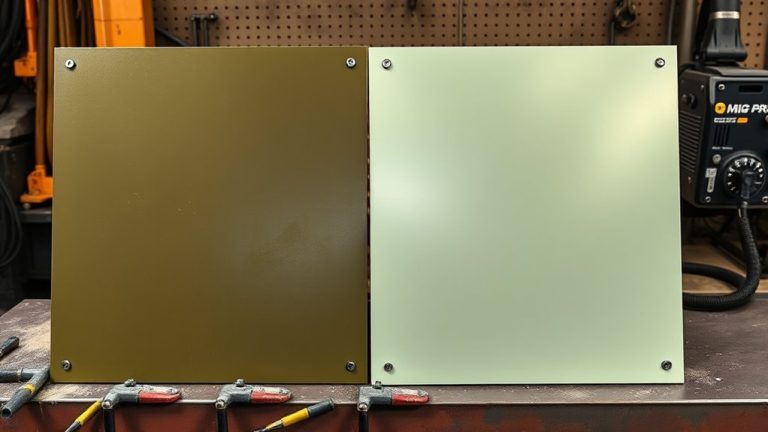
Learn the real difference between weld-through primer and etch primer before your next repair, because choosing wrong can ruin both welds and paint.
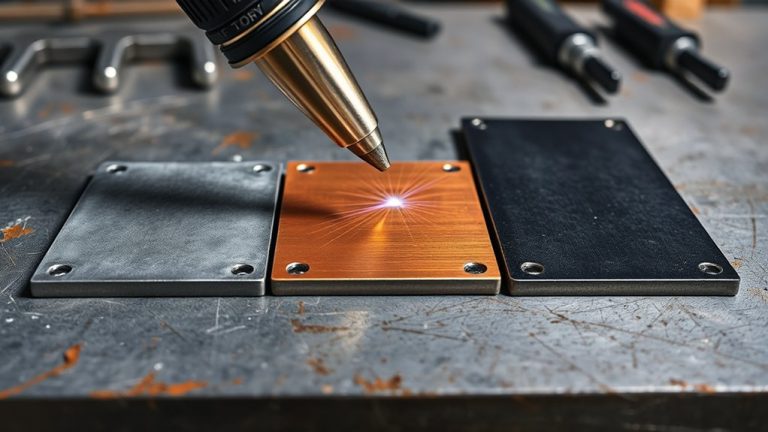
Keen to choose the right weld-through primer type for your job? Learn what copper and zinc formulas do—and why the details matter.
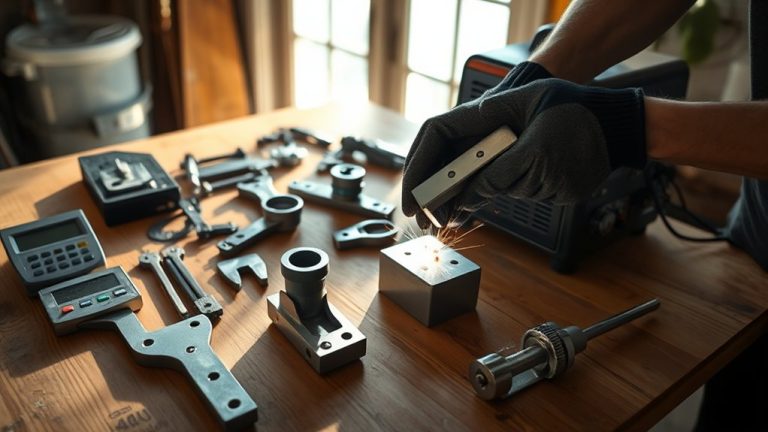
Succeed in testing weld strength at home with simple methods, but discover the crucial steps that can make or break your evaluation.