What Is a Carburizing Flame in Gas Welding?

The carburizing flame in gas welding enhances hardness, but too much carbon can lead to brittleness—discover how to master its use effectively.
Your complete guide to automotive welding with Ryan Mitchell — a 38-year-old professional welder with 17+ years of real-world experience in collision repair, custom fabrication, and classic car restoration.
In this category, Ryan breaks down everything you need to know: MIG, TIG, spot, stick, and resistance welding techniques, weld joints and types, common defects (porosity, undercut, burn-through, etc.), troubleshooting tips, welding parameters, materials, and all the essential terms every auto tech and DIYer should master.
Whether you’re repairing a daily driver, building a custom chassis, or restoring a vintage muscle car, you’ll find clear, practical, shop-floor advice designed to help you weld stronger, smarter, and safer.
New articles added regularly. Start learning today and take your automotive welding skills to the next level.
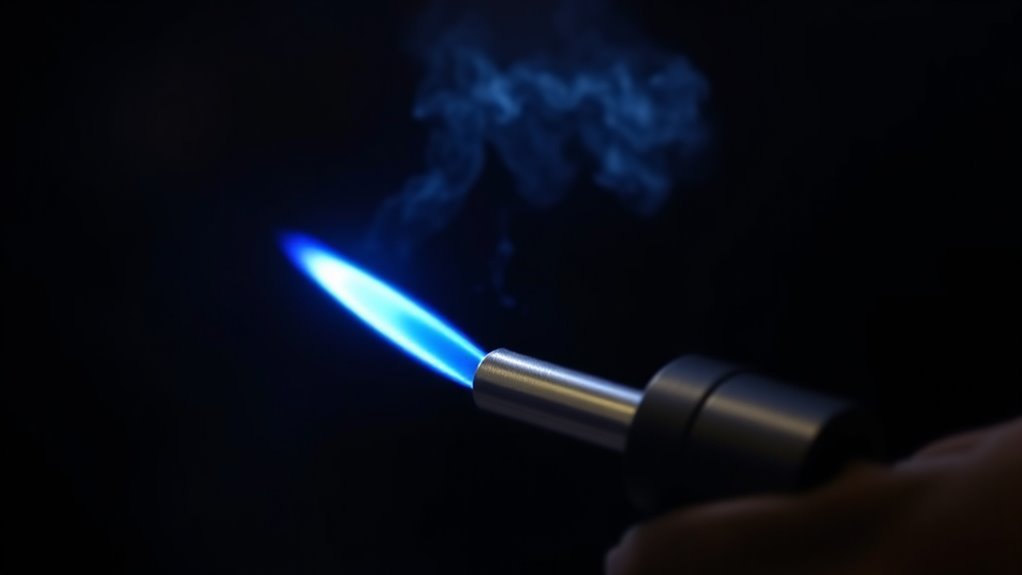
The carburizing flame in gas welding enhances hardness, but too much carbon can lead to brittleness—discover how to master its use effectively.

Just after grinding welds on auto body panels, the right sandpaper grit sequence can make or break your finish—discover which grits to use next.

I’ll explain what 3G and 4G welding certifications mean, why they matter, and how they can boost your welding career.

Discover the key differences between welding and adhesive bonding in auto body repairs and find out which method suits your needs best.

Hone your classic car welding skills with pro tips on MIG, TIG, and spot welding that help prevent warping and factory mistakes.

Uncover what welding spatter is, why it forms, and the simple factors that can make it worse or nearly disappear.

The perfect rod size for every automotive weld depends on thickness, amperage, and control—discover which choice prevents burn-through.

Uncover the essential techniques and challenges of welding positions—Flat, Horizontal, Vertical, and Overhead—before diving into expert tips that ensure your success.

Keenly compare pipe and plate welding positions to uncover why gravity, joint movement, and torch control change everything—and what welders must master next.

No-nonsense guide to 1F, 2F, 3F, and 4F welding designations reveals each position’s hidden challenge, and one may surprise you.