Unibody vs Body-on-Frame: How Welding Repair Differs
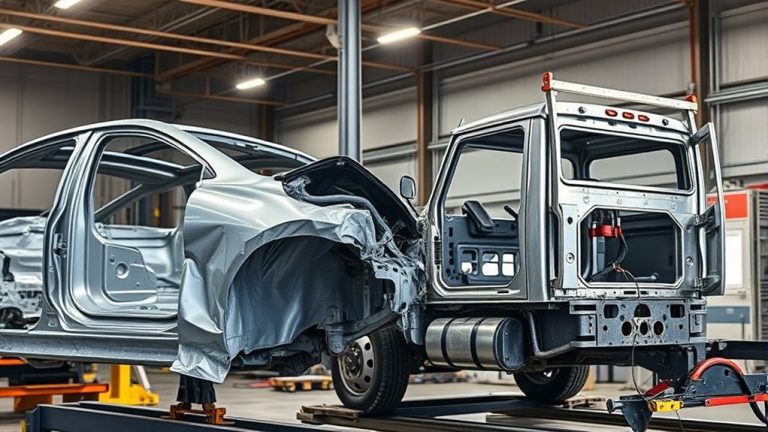
I uncover how welding repairs differ between unibody and body-on-frame vehicles, but the crucial choice could change everything.

Your complete guide to automotive welding with Ryan Mitchell — a 38-year-old professional welder with 17+ years of real-world experience in collision repair, custom fabrication, and classic car restoration.
In this category, Ryan breaks down everything you need to know: MIG, TIG, spot, stick, and resistance welding techniques, weld joints and types, common defects (porosity, undercut, burn-through, etc.), troubleshooting tips, welding parameters, materials, and all the essential terms every auto tech and DIYer should master.
Whether you’re repairing a daily driver, building a custom chassis, or restoring a vintage muscle car, you’ll find clear, practical, shop-floor advice designed to help you weld stronger, smarter, and safer.
New articles added regularly. Start learning today and take your automotive welding skills to the next level.
I uncover how welding repairs differ between unibody and body-on-frame vehicles, but the crucial choice could change everything.
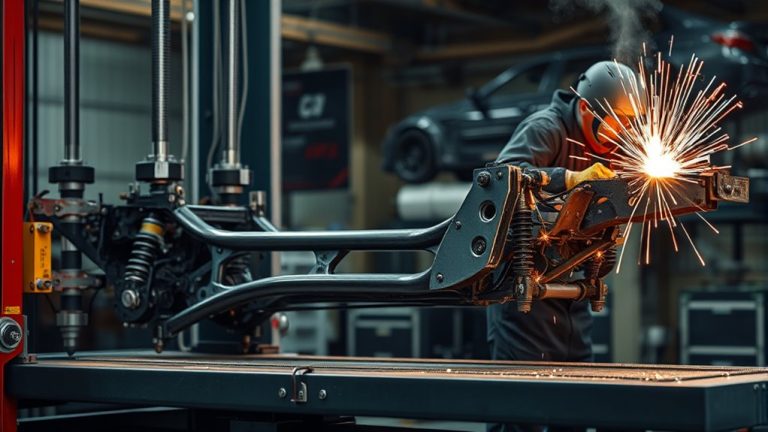
Straightening or welding: which repair fits your damaged frame? See the key differences before you choose.
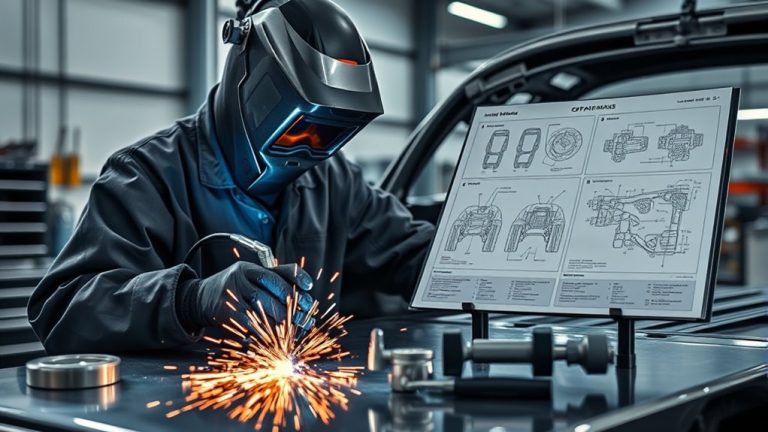
Discover what OEM welding procedures really are and why they can make or break quality, compliance, and your next weld.
The answer reveals why I-CAR welding certification matters—and who needs it most.
Understood: AWS D1.1 suits thicker automotive structural welds, while D1.3 covers thinner sheet metal—but which standard fits your project?
Unlock the essentials of automotive welding certifications and discover why they can boost safety, trust, and career opportunities.
U ncover the hidden risks of welding near a car battery and why one wrong move could damage your vehicle’s electronics.
Fuel-line welding demands strict safety steps—drain, disconnect, shield, and inspect—before you strike an arc, or hidden vapors could turn dangerous.
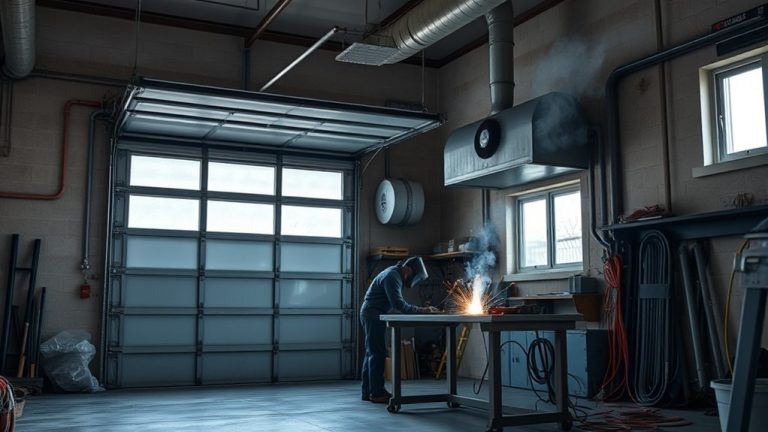
Proper garage welding ventilation prevents dangerous fumes, but the best airflow setup depends on your space and welding habits.
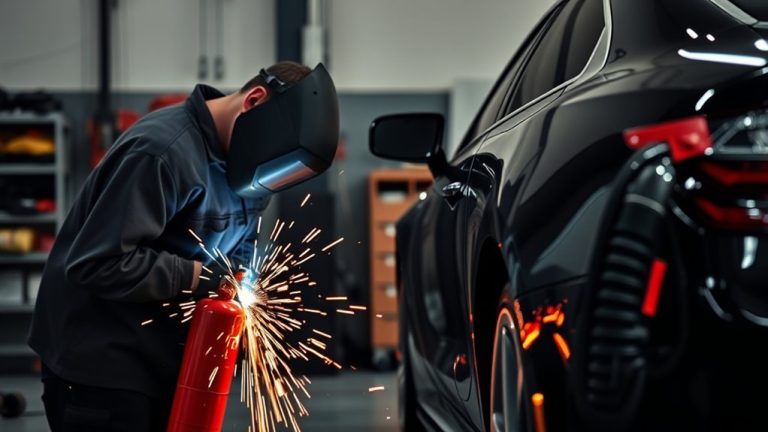
Disconnect hazards before striking an arc—these car-welding fire safety tips reveal the hidden risks that could still ignite after you stop.