Disclosure: As an Amazon Associate, we earn from qualifying purchases. If you click a link on this page and make a purchase, we may receive a small commission at no extra cost to you.
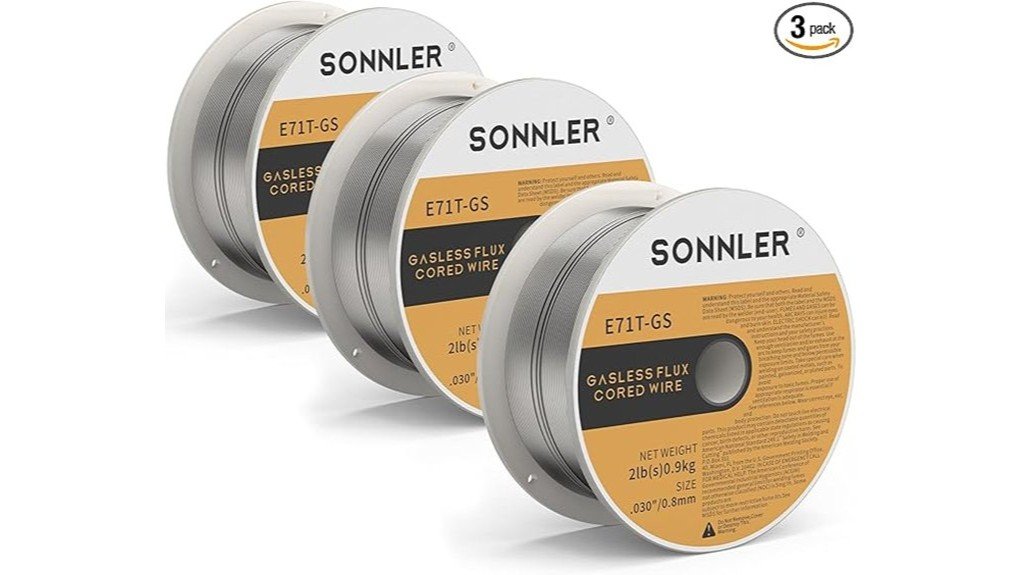
Choosing flux-core wire is not just about picking the right diameter. You also need wire that matches your welder, stores well, and gives you steady results without creating extra cleanup. The 0.030 Flux Core Welding Wire is presented as an E71T-GS mild steel wire in a 2 lbs spool with three individually vacuum-packed portions for moisture protection. This review explains where it makes sense, what the packaging helps with, and what you should verify before buying. The main limitation is that the product page details should be checked on Amazon before purchase, especially if your welder has strict wire-brand or spool-size requirements.
Quick Verdict
Rating: 7.4/10
Best For: DIY welders who need 0.030-inch flux-core wire for small mild-steel repairs, practice welds, T-joints, butt welds, and lap welds.
Bottom Line: This wire is worth considering if you want E71T-GS mild steel wire in a smaller 2 lbs spool with moisture-protected packaging. The tradeoff is that brand, model, and full listing details should be confirmed before you rely on it for critical or high-volume work.
| Specification | Detail |
|---|---|
| Product type | Flux-core welding wire |
| Wire classification | E71T-GS mild steel |
| Wire diameter | 0.030 inch |
| Spool size | 2 lbs spool |
| Package note | Three individually vacuum-packed packs |
| Storage protection | Article-supported moisture-proof and waterproof packaging claim |
| Compatibility note | Listed for compatible HF, Forney, and Lincoln welders that accept 0.030-inch flux-core wire |
| Common weld types | T-joints, butt welds, and lap welds |
| Performance notes | Good slag coverage and minimal spatter when used on clean metal surfaces |
| Safety note | Use a welding helmet, gloves, flame-resistant clothing, and proper ventilation |
Key Takeaways
- The 0.030 Flux Core Welding Wire is described as E71T-GS mild steel, a common choice for small mild-steel welding jobs.
- The article-supported package format is a 2 lbs spool divided into three vacuum-packed packs to help reduce moisture exposure during storage.
- It is best matched with welders that accept 0.030-inch flux-core wire and the correct spool size.
- The strongest use cases are T-joints, butt welds, lap welds, practice beads, and general garage repairs on mild steel.
- The main buying caution is verification: confirm the current Amazon listing, welder compatibility, and wire requirements before ordering.
What Is the 0.030 Flux Core Welding Wire?
The 0.030 Flux Core Welding Wire is a mild-steel welding wire intended for compatible MIG or flux-core welders that can run 0.030-inch wire. The article identifies the wire as E71T-GS, which is commonly associated with light fabrication, repair work, and beginner-friendly flux-core welding setups.
Its most useful feature is the packaging. Instead of one loose roll exposed to shop humidity, the article describes a 2 lbs spool separated into three individually vacuum-packed packs. That can help if you weld occasionally and want to open only what you need while storing the rest in a dry place.
This wire is not a universal fit for every machine. Your welder must accept the wire diameter, spool size, polarity setup, and drive-roll style required for flux-core wire. Always compare the product listing and your welder manual before buying.
Before You Buy: Confirm that your welder accepts 0.030-inch flux-core wire and the listed spool format. Do not assume compatibility from brand names alone, because drive rolls, polarity, and spool support can vary by machine.
Who Should Buy It?
Best For
- DIY welders using a compatible machine that accepts 0.030-inch flux-core wire.
- Small mild-steel projects such as lap welds, butt welds, brackets, and practice joints.
- Occasional welders who like smaller vacuum-packed portions for easier dry storage.
Skip If
- You need verified brand, model, certification, or warranty information before purchase.
- Your welder requires a different wire diameter, spool size, or wire classification.
- You are buying for high-volume production work where a larger spool may be more practical.
Product Features and Specifications
0.030-Inch Wire Size
The 0.030-inch diameter makes this wire a practical size for many compact flux-core machines. It can be easier to control on smaller mild-steel projects than heavier wire, as long as your welder is set up for the correct diameter.
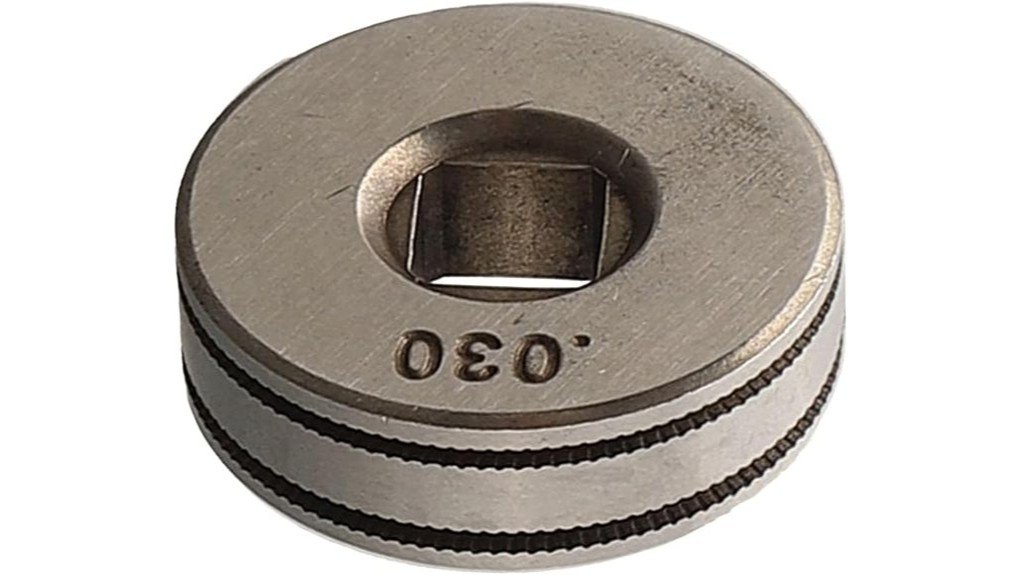
Wire size affects feed speed, heat input, and puddle control. If your welder is designed around 0.030-inch flux-core wire, this product can fit common repair and practice needs. If your welder is set up for 0.035-inch wire or another size, you may need different drive-roll settings, contact tips, or a different wire.
E71T-GS Mild Steel Composition
The article identifies this product as E71T-GS mild steel. That makes it a better match for mild-steel repair work than for stainless steel, aluminum, or specialty alloys. Do not use it as a substitute for a wire type your project or code requires.
For buyer use, this matters because matching the filler wire to the base metal is one of the first steps toward a cleaner weld. If you are repairing mild steel, the listed material fits the article’s intended use. If you are working on load-bearing, structural, or safety-critical parts, get professional guidance and follow the required welding procedure.
Vacuum-Packed Storage Design
The packaging is one of the stronger article-supported details. The wire is described as a 2 lbs spool divided into three individually vacuum-packed packs. That setup is helpful if you only weld occasionally and do not want the full supply exposed to shop air at once.
Flux-core wire can suffer when stored in damp conditions. The packaging may help reduce moisture exposure before opening, but it does not replace good storage habits. Keep opened wire in a cool, dry place and avoid leaving it near water, wet floors, or heavy humidity.
Pro Tip: Before loading a new pack, check your contact tip size, drive-roll groove, wire tension, and polarity. Many feeding and spatter problems come from setup issues rather than the wire itself.
Performance and User Experience
The original article notes strong slag coverage and minimal spatter on clean metal surfaces. Those are useful traits because spatter and heavy slag cleanup can slow down small projects, especially when you are making several short welds or practicing joint fit-up.
Cleaner results still depend on setup. Your voltage, wire feed speed, stickout, work angle, and travel speed can all change how the bead looks. If the weld pops, piles up, or leaves too much spatter, adjust your settings in small steps and test on scrap metal before welding the final part.
The wire is also described as beginner-friendly. That does not mean it removes the learning curve, but it can be a practical option for someone practicing basic weld positions, lap joints, and mild-steel repairs with a compatible machine.
Applications and Suitability
This wire is best suited to common mild-steel welding tasks where 0.030-inch flux-core wire is appropriate. The article specifically mentions T-joints, butt welds, and lap welds. Those are useful joint types for repair brackets, small frames, patches, practice coupons, and general shop work.
It is not the best match for every job. Avoid using it for metals or applications that require a different filler wire, a certified welding procedure, or a verified manufacturer specification. For automotive structure, trailer repairs, lifting equipment, or safety-critical parts, consult a qualified welder or follow the required repair standard.
How It Performs in Real Use
For Small Garage Repairs
For small mild-steel fixes, this wire makes the most sense when you need a compact spool and do not want to open more material than necessary. The 2 lbs format is better suited to occasional repair work than to continuous production welding.
For Practice Welds
The article-supported combination of 0.030-inch diameter, mild-steel use, and reduced spatter makes it suitable for practice beads on clean scrap. Beginners can use it to learn travel speed, bead shape, and joint setup without starting with a large roll of wire.
For Outdoor or Less Controlled Work Areas
The original article says this wire can be used for outdoor welding. You should still avoid welding in rain, standing water, or unsafe conditions. Keep the work area dry, shield the weld area when needed, and follow your welder manual for safe outdoor use.
For Storage Between Projects
The three-pack vacuum design is useful if your projects are spread out over time. Open one pack, use what you need, and store the rest in a dry container or sealed bag. This helps reduce the chance of moisture exposure between jobs.
How to Use It Correctly
Start by checking your welder manual for accepted wire diameter, spool size, polarity, and drive-roll type. Use a 0.030-inch contact tip when required, and make sure the wire feeds smoothly before striking an arc.
Clean the workpiece before welding. Flux-core wire can be forgiving in some repair settings, but clean metal still helps improve arc stability, bead appearance, and slag removal. Remove heavy rust, paint, oil, and moisture before you weld.
Run a test bead on scrap material before starting the actual repair. This gives you a chance to adjust voltage, wire feed speed, and travel speed without damaging the final piece. If the wire bird-nests, slips, or feeds unevenly, check tension and contact-tip condition first.
Compatibility and Safety
The article lists compatibility with HF, Forney, and Lincoln welders, but you should treat that as a starting point, not a guarantee. Brand compatibility can depend on the specific welder model, spool hub, contact tip, and drive-roll setup.
Use proper welding safety gear every time. At minimum, wear a welding helmet with the correct shade, welding gloves, flame-resistant clothing, closed-toe leather footwear, and eye protection when chipping slag. Work in a ventilated space and keep flammable materials away from sparks.
Do not weld on closed containers, unknown metals, coated parts, or safety-critical components unless you are trained to do so. Flux-core welding produces fumes and heat, so follow the product label, your welder manual, and any local safety rules.
Pros and Cons
Pros
- 0.030-inch diameter fits many compact flux-core welding setups.
- E71T-GS mild steel classification supports common mild-steel repair and practice work.
- Three individually vacuum-packed portions help with moisture-conscious storage.
- Article-supported performance notes include good slag coverage and minimal spatter on clean metal.
- Useful for T-joints, butt welds, lap welds, and small garage projects.
Cons
- Brand, model, warranty, and certification details were not verified from the article.
- Not suitable for welders that require a different wire diameter, spool style, or wire type.
- The 2 lbs quantity may be too small for frequent or high-volume welding.
Is It Worth the Price?
This wire offers strong value for the price if you want a small-project flux-core wire with storage-friendly packaging. The 2 lbs spool is a smart buy for occasional repairs, practice welds, and home shop use where you do not need a large roll sitting open for long periods.
The best value comes from the three-pack vacuum format. It can help you keep unopened wire protected until your next project, which is useful if your garage or shed gets humid. That said, the value is weaker if you weld often enough to need larger spools or if you require verified brand documentation before buying.
How It Compares to Alternatives
Compared with solid MIG wire, this flux-core option is better suited to buyers who want a simpler setup for compatible flux-core machines and mild-steel repair work. Solid wire with shielding gas may be a better choice when you want cleaner beads in a controlled indoor shop and already have the gas setup.
Compared with larger 10 lbs spools, this 2 lbs format is easier to store and test before committing to more wire. Compared with well-documented brand-specific wires, this option needs more careful listing verification because the article does not confirm a brand, model number, warranty, or certification details.
Frequently Asked Questions
Will this wire fit my welder?
It may fit if your welder accepts 0.030-inch flux-core wire and the listed spool format. Check your welder manual for wire diameter, contact tip size, drive-roll groove, polarity, and spool compatibility before buying.
What metal is this flux-core wire made for?
The article identifies it as E71T-GS mild steel wire. It is intended for mild-steel welding tasks, not aluminum, stainless steel, cast iron, or specialty alloys unless the manufacturer specifically says otherwise.
Does this wire need shielding gas?
The article describes it as flux-core wire, and E71T-GS wires are commonly used in self-shielded flux-core setups. Still, confirm the product label and your welder manual before setup, because polarity and machine settings matter.
Can you use it outdoors?
The original article says the wire can be used for outdoor welding. Do not weld in wet, unsafe, or poorly controlled conditions, and keep the wire and workpiece dry before use.
Why does the vacuum-packed packaging matter?
Moisture can hurt wire condition and welding consistency. The three individually vacuum-packed portions help limit exposure before opening, especially if you weld only once in a while.
Is a 2 lbs spool enough for most projects?
A 2 lbs spool is usually better for practice, small repairs, and occasional garage use than for heavy production welding. If you weld often or run long beads, a larger spool may be more convenient.
How should you store opened flux-core wire?
Store opened wire in a cool, dry place away from damp floors, water, and heavy humidity. A sealed bag or dry storage container can help protect the wire between projects.
Who should skip this wire?
Skip it if your welder does not support 0.030-inch flux-core wire or if you need a verified brand, model, certification, or warranty before buying. Also skip it for metals or safety-critical work that requires a different filler wire or formal welding procedure.
The Bottom Line
The 0.030 Flux Core Welding Wire is a practical option for DIY welders who need E71T-GS mild steel wire in a smaller, moisture-conscious package. It makes the most sense for compatible flux-core welders, small repairs, practice beads, T-joints, butt welds, and lap welds. Skip it if you need verified brand documentation, a larger spool, or wire for a different metal or machine setup.