

If you’ve ever run a bead and noticed those pesky grooves along the edges of your weld, you’re dealing with undercut. Figuring out how to prevent undercut in welding is a game-changer, whether you’re a DIYer fixing up a trailer in your garage or a pro welder on a construction site. I’ve spent years in shops across the US, from fabricating farm equipment in Iowa to repairing heavy machinery in Texas, and I’ve seen undercut ruin otherwise solid welds.
It’s not just a cosmetic flaw—it weakens the joint, invites cracks, and can fail inspections under codes like AWS D1.1. Worse, it can lead to costly rework or even catastrophic failures in critical applications like pipelines or structural steel. Let’s walk through the shop together, and I’ll share practical tips to keep your welds smooth, strong, and undercut-free.
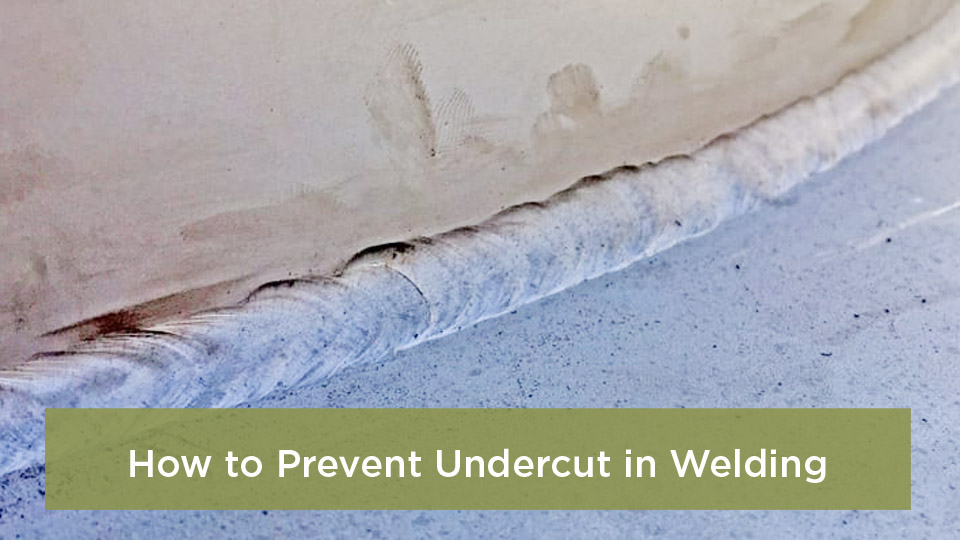
Photo by arcmachines
What Is Undercut in Welding
Undercut is a weld imperfection where the base metal melts away at the weld toe or root, leaving a groove that isn’t filled by the filler metal. Think of it like a trench along the edge of your weld bead. It’s most common in fillet welds, groove welds, or vertical-up positions where the molten pool gets tricky to control.
Why does it matter? Undercut reduces the cross-sectional area of the joint, creating stress points that can crack under load. In my early days welding T-joints on 1/4-inch plate, I’d see undercut when I pushed the heat too high, weakening the weld enough that a quick hammer tap would crack it. Plus, those grooves can trap moisture, accelerating corrosion in outdoor projects like gates or fences.
Common Causes of Undercut
Undercut sneaks in when your welding parameters or technique are off. Here’s what I’ve seen cause it most often in the shop:
Excessive heat input is a big one. Crank your amps or voltage too high, and the arc melts the base metal faster than you can deposit filler. I once welded a vertical seam with a 7018 rod at 140 amps instead of 110—way too hot. The puddle ran like water, leaving undercut on both sides.
Travel speed is another culprit. Moving too fast means the filler doesn’t have time to wet out and fill the edges. Beginners often rush to avoid burn-through, but that leaves grooves. Slow down, and the pool has a chance to build up properly.
Electrode or gun angle matters too. Holding the rod or torch at the wrong angle—say, too steep or not directed at the joint center—focuses heat on one side, melting the edge away. I’ve caught myself tilting the MIG gun too far forward on a fillet weld, and the undercut showed up every time.
Other factors? Using the wrong filler material, dirty base metal, or poor joint prep can all contribute. If you’re welding rusty steel without grinding it clean, the arc struggles, and undercut creeps in.
Welding Processes and Undercut Risks
Different welding processes have unique quirks when it comes to undercut. Let’s break down the big three you’re likely using in the US.
Stick Welding (SMAW)
Stick welding, or shielded metal arc welding, is common for structural work and repairs. It’s prone to undercut on thin materials or when using rods like 6010 or 7018 with too much heat. I’ve found 7018 rods at 90–120 amps work great for 1/4-inch steel, but go over 130, and you’re asking for trouble.
Tip: Keep a tight arc length—about the diameter of the rod. Too long, and the arc wanders, eating into the base metal. Also, pause slightly at the weld toes to let the filler flow in.
MIG Welding (GMAW)
MIG welding is a favorite for fabrication shops and DIYers because it’s fast and versatile. But it’s easy to get undercut with high voltage or wire feed speed. I remember welding a trailer frame with 0.035-inch ER70S-6 wire at 22 volts—too hot for 3/16-inch plate. The edges looked like they’d been scooped out.
Fix: Dial in your voltage to match the material thickness. For 1/8-inch steel, try 17–19 volts with a wire speed of 200–250 inches per minute. Use a push technique, and angle the gun about 10–15 degrees toward the weld direction.
TIG Welding (GTAW)
TIG welding is precise but unforgiving. Undercut shows up if your amperage is too high or you don’t add enough filler rod. I’ve TIG-welded aluminum handrails and gotten undercut when I rushed the filler dips, leaving the edges starved.
Pro move: Use a foot pedal to control heat dynamically. Lower the amps as you approach the weld toe, and keep feeding filler steadily to fill the pool.
| Process | Common Undercut Cause | Quick Fix |
|---|---|---|
| Stick (SMAW) | High amps, long arc | Lower amps, tight arc |
| MIG (GMAW) | High voltage, fast travel | Adjust voltage, slow down |
| TIG (GTAW) | Low filler, high heat | Add filler, control amps |
Step-by-Step Guide to Prevent Undercut
Let’s get hands-on. Here’s how I approach a weld to keep undercut at bay, whether I’m in a shop or on a job site.
Step 1: Prep the Joint Properly
Cleanliness is non-negotiable. Rust, oil, or mill scale messes with arc stability, leading to undercut. Use a wire brush or grinder to get shiny metal. For critical jobs, I’ll hit the joint with a flap disc to remove any surface junk.
Bevel edges on thicker materials (over 1/4-inch) to give the filler a better landing zone. A 30-degree bevel on a groove weld helps the filler flow into the root without washing out the sides.
Step 2: Choose the Right Filler Material
Match your filler to the base metal. For mild steel, I stick with ER70S-6 for MIG or 7018 for stick—both deposit smoothly and reduce undercut. For stainless, 308L filler is my go-to. Mismatched fillers, like using 6011 on high-carbon steel, can cause uneven melting and grooves.
Check your rod or wire diameter too. A 1/8-inch 7018 rod is great for 1/4-inch plate, but go 3/32-inch for thinner stock to cut heat input.
Step 3: Dial in Machine Settings
Settings depend on material thickness and process. Here’s a cheat sheet for 1/4-inch mild steel:
- Stick: 7018 rod, 90–120 amps, DCEP polarity.
- MIG: 0.035-inch ER70S-6 wire, 18–20 volts, 200–250 IPM wire speed.
- TIG: 1/16-inch tungsten, 100–150 amps, 2% thoriated for steel.
Test on scrap first. I always run a bead on a spare piece to check if the puddle flows smoothly without digging into the edges.
Step 4: Master Your Technique
Keep your travel speed consistent—about 6–10 inches per minute for most welds. Too fast, and you starve the toes; too slow, and you pile up too much filler.
Angle the electrode or gun correctly. For a fillet weld, aim the arc at the joint’s center with a 45-degree work angle. Drag (pull) for stick, push for MIG, and keep TIG straight.
Pause at the weld toes. I’ll linger for a half-second on each side to let the filler wet out, especially on vertical welds where gravity pulls the puddle down.
Step 5: Control Heat Input
Lower heat means less base metal melt. If you’re getting undercut, drop your amps or voltage by 5–10%. For MIG, reduce wire speed slightly. On TIG, ease off the pedal as you near the edges.
Weave patterns can help on wider joints. A tight zigzag or crescent motion spreads heat evenly, reducing undercut compared to a straight stringer bead.
Step 6: Inspect and Adjust
After each pass, check your weld. Undercut looks like a shadow or groove along the edge. If you see it, grind it out lightly and rerun the bead with lower heat or slower travel. I’ve saved many a weld this way on structural jobs where inspectors are picky.
Machine Settings for Common Materials
Different metals need different approaches to avoid undercut. Here’s what I use for common US shop scenarios.
| Material | Process | Settings | Tips |
|---|---|---|---|
| Mild Steel (1/4-inch) | MIG | 18–20V, 200–250 IPM | Push technique, clean metal |
| Stainless (1/8-inch) | TIG | 80–120A, 1/16-inch filler | Steady filler dips, low heat |
| Aluminum (3/16-inch) | TIG | 150–180A, AC, 3/32-inch filler | Clean with acetone, fast travel |
Common Mistakes and How to Fix Them
I’ve made plenty of mistakes, and here’s what I’ve learned:
- Mistake: Cranking amps too high. Fix: Drop amps by 10% and test. For a 7018 rod on 1/4-inch steel, stay under 120 amps.
- Mistake: Rushing the weld. Fix: Slow your travel speed. Count “one-Mississippi” per inch to pace yourself.
- Mistake: Wrong electrode angle. Fix: Practice on scrap with a 45-degree angle for fillets or 10-degree drag for butts.
- Mistake: Dirty metal. Fix: Grind or wire-brush until it shines. No shortcuts.
One time, I was welding a gate with MIG and got lazy on cleaning. The rust caused spatter and undercut everywhere. A quick grind fixed it, but I learned to prep properly every time.
Safety Considerations to Avoid Undercut
Undercut isn’t just a weld quality issue—it can be a safety hazard. Weakened joints can fail under load, endangering workers or equipment. Plus, the process of fixing undercut (grinding, rewelding) exposes you to fumes and sparks.
Always wear a proper welding helmet (shade 10–12 for most processes), gloves, and a flame-resistant jacket. Use a respirator if grinding or welding in tight spaces—fumes from galvanized steel are no joke. I’ve seen guys skip ventilation and end up dizzy from zinc fumes.
Keep your workspace clear. Tripping over cords while holding a hot electrode is a recipe for burns or bad welds. And always ground your machine properly to avoid arc instability, which can worsen undercut.
When to Use Specific Techniques
Not every job needs the same approach. Here’s when to tweak your strategy:
Thin Materials: Lower heat, smaller electrodes (3/32-inch rods or 0.030-inch wire). Use TIG or pulse MIG for precision.
Thick Plates: Bevel joints, use multi-pass welds, and weave to spread heat. Stick or MIG with 7018 or ER70S-6 works well.
Vertical Welds: Go uphill with stick or TIG to control the puddle. Pause at the toes to fill edges.
Aluminum: Clean thoroughly, use AC TIG, and add plenty of filler to avoid undercut on soft, heat-sensitive metal.
Pros and Cons of Undercut Prevention Techniques
| Technique | Pros | Cons |
|---|---|---|
| Lower Heat | Reduces undercut, saves material | Slower welding, may need multi-pass |
| Slower Travel | Better filler flow, stronger welds | Time-consuming, risk of overheating |
| Weave Pattern | Evens heat, fills wide joints | Harder to control, not ideal for thin metal |
| Proper Prep | Cleaner welds, less rework | Takes extra time upfront |
Real-World Applications
Preventing undercut is critical in jobs like:
Structural Welding: Bridges, buildings, or cranes under AWS D1.1 codes can’t have undercut. Inspectors will fail you fast.
Pipeline Welding: Undercut in pipelines risks leaks or bursts. Use 6010 for roots and 7018 for fills with tight control.
DIY Projects: Gates, trailers, or furniture need strong, clean welds for durability and looks. Avoid undercut to skip rework.
Repair Work: Fixing heavy equipment like bulldozers means no weak spots. Undercut can lead to cracks under vibration.
I once welded a dump truck bed with MIG and got undercut on the first pass. The foreman caught it, and I had to grind and redo it. Lesson learned: check settings and prep before starting.
Conclusion
You’re now armed with the know-how to prevent undercut in welding, from dialing in your machine to mastering your technique. Whether you’re a hobbyist welding a BBQ pit or a pro tackling a skyscraper frame, these tips—clean prep, right filler, controlled heat, and steady hands—will keep your welds strong and clean. You’ll avoid costly rework, pass inspections, and build projects that last. Always run a test bead on scrap with the same material and settings. It’s like a warm-up lap that saves you from headaches.
FAQ
What is undercut in welding?
Undercut is a groove or depression along the edge of a weld where the base metal melts away but isn’t filled by filler. It weakens the joint and can fail inspections.
How do I fix undercut in a weld?
Grind out the groove lightly with a flap disc, clean the area, and rerun the bead with lower heat and slower travel. Ensure proper filler and angle.
Which welding process is most prone to undercut?
MIG welding often sees undercut due to high voltage or fast travel, but stick and TIG can get it too with poor technique or settings.
Can undercut be avoided on thin materials?
Yes, use lower heat, smaller electrodes or wire, and a steady travel speed. TIG or pulse MIG works best for thin stock.
Why does my weld look uneven with grooves?
You’re likely using too much heat, moving too fast, or holding the wrong angle. Check your settings, slow down, and aim the arc at the joint center.


