

Whether you’re a DIYer in your garage, a hobbyist building custom projects, a pro on a job site, or a student learning the craft, knowing how to set up a Lincoln stick welder is a game-changer. I’ve spent years striking arcs with Lincoln machines, from the classic Weld-Pak to the beefy Power MIG, and I’m here to walk you through the setup process like we’re in the shop together.
Getting your stick welder dialed in right ensures strong welds, saves you from costly mistakes, and keeps you safe. Let’s dive in and set up your Lincoln for success, whether you’re welding a fence post or a structural beam.
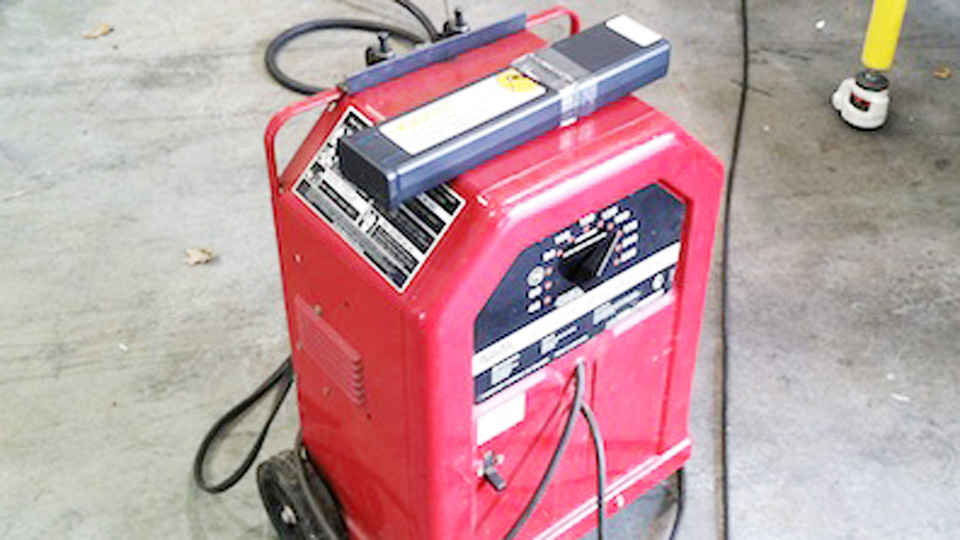
Image by weldingtipsandtricks
Why Proper Setup Matters for Stick Welding
Stick welding (or SMAW—Shielded Metal Arc Welding) is the bread and butter of welding. It’s versatile, works on rusty or dirty metal, and doesn’t need fancy shielding gas. But a sloppy setup can lead to bad welds, safety hazards, or even damage to your Lincoln welder. I’ve seen newbies burn through electrodes or get arc blow because they skipped a step.
A proper setup ensures weld integrity, matches your material and rod, and keeps your machine humming. Plus, it saves you time and frustration—nobody wants to grind out a porous bead because the amperage was off.
Understanding Your Lincoln Stick Welder
Lincoln Electric makes some of the best stick welders in the game, from portable inverter units like the Invertec V155-S to heavy-duty models like the Idealarc 250. Before we get to the setup, let’s talk about what’s in front of you. Your Lincoln stick welder has a power source, electrode holder (stinger), ground clamp, and cables.
Most models, like the Lincoln AC/DC 225/125, let you adjust amperage and sometimes polarity (DC+ or DC-). Knowing your machine’s features—like whether it’s AC, DC, or dual-voltage—helps you match settings to your project.
Common Lincoln Models for Stick Welding
- Lincoln Invertec V155-S (or similar portable inverter stick): Great for DIYers and hobbyists. Lightweight, 120V/230V input, perfect for thin steel or small repairs.
- Lincoln AC/DC 225/125: A shop favorite. Runs on 230V, handles thicker materials, and switches between AC and DC for different rods.
- Lincoln Idealarc 250: Heavy-duty, ideal for pros welding structural steel or heavy plate.
Why Lincoln?
Lincoln welders are built like tanks, with reliable arc control and durability for tough jobs. I’ve used my AC/DC 225/125 on everything from farm equipment to pipeline repairs, and it’s never let me down. Knowing your model’s specs (check the manual or nameplate) is key to picking the right rod and settings.
Step-by-Step Guide to Setting Up Your Lincoln Stick Welder
Let’s get your Lincoln stick welder ready to roll. This guide assumes you’re working with a common model like the AC/DC 225/125, but the steps apply to most Lincoln stick welders. Follow these steps, and you’ll be laying smooth beads in no time.
Step 1: Gather Your Tools and Materials
Before you plug in, make sure you’ve got everything. I’ve been caught without a spare electrode mid-job, and it’s a pain. Here’s what you need:
- Lincoln stick welder (plugged into the right voltage—120V or 230V).
- Electrode holder and ground clamp (usually included).
- Welding electrodes (e.g., 6011, 7018, or 6013—more on this later).
- Safety gear: welding helmet (auto-darkening preferred), gloves, jacket, and safety glasses.
- Wire brush, chipping hammer, and pliers for cleaning and rod handling.
- Workpiece (steel, stainless, or cast iron) and a sturdy welding table.
Pro Tip: Keep a Class ABC fire extinguisher nearby and maintain a clean, fire-safe area. Avoid open water containers around energized equipment—steam and splatter are hazards.
Step 2: Set Up Your Workspace
Safety and organization are non-negotiable. A cluttered shop is a recipe for accidents. Here’s how to prep:
Ventilation: Stick welding produces fumes, especially with rods like 7018. Work in a well-ventilated area or use a fume extractor. I’ve coughed through enough smoky shops to know this matters.
Clear the Area: Remove flammable materials—rags, paint cans, or gas bottles. A stray spark can start a fire.
Work Clamp & Grounding: Attach the work (return) clamp to clean metal on the workpiece to complete the welding circuit, and make sure your welder’s power cord is properly grounded per the manual. Clamp your workpiece securely.
Common Mistake: Forgetting to check for nearby flammables. I once sparked a small fire with a stray slag chip near some cardboard. Double-check your surroundings.
Step 3: Choose the Right Electrode
Electrodes (or “rods”) are the heart of stick welding. Lincoln welders handle a range of rods, each suited to specific materials and conditions. Here’s a quick rundown of common rods:
| Electrode | Best For | Polarity | Notes |
|---|---|---|---|
| E6010 | Dirty or rusty steel, deep penetration | DC+ | Tricky to run, needs steady hands |
| E6011 | General-purpose, AC or DC | AC/DC+ | Great for beginners, forgiving arc |
| E6013 | Thin materials, easy arc | AC/DC+/- | Smooth beads, light penetration |
| E7018 | Structural steel, clean metal | AC/DC+ | Low-hydrogen, needs dry storage |
My Experience: I love 6011 for farm repairs because it cuts through rust like butter. For structural jobs, 7018 is my go-to for clean, strong welds, but you’ve got to keep those rods in a dry oven or they’ll suck up moisture and ruin your bead.
How to Choose: Match the rod to your material and thickness. For 1/8-inch steel, a 3/32-inch 6011 or 7018 works well. Check the rod’s packaging for recommended amperage and polarity. Lincoln’s manuals often list rod charts—use them.
Step 4: Connect Cables and Set Polarity
Your Lincoln welder has two cables: one for the electrode holder (stinger) and one for the ground clamp. Here’s how to hook them up:
Ground Clamp: Attach to your workpiece or welding table. Ensure a clean, metal-to-metal connection—scrape off rust or paint.
Electrode Holder: Plug in the stinger cable. Insert your chosen rod into the holder and tighten it securely.
Polarity: Most Lincoln stick welders let you switch between DC+ (electrode positive), DC- (electrode negative), or AC. Check your rod’s requirements:
- 6010 typically runs on DC+.
- 7018 runs best on DC+ but can also run on AC on machines with adequate open-circuit voltage (use “7018AC” on low-OCV AC welders).
- 6011 and 6013 work on AC or DC.
- AC is great for general-purpose welding or when you’re on a budget machine.
Common Mistake: Wrong polarity. I once set my welder to DC- with a 7018 rod and got a sputtering arc. Check the rod box and set your Lincoln accordingly.
Step 5: Dial In Amperage Settings
Amperage controls your arc’s heat and penetration. Too high, and you’ll burn through; too low, and the rod sticks. Lincoln welders usually have a dial or digital display for amperage. Here’s a starting point for common rods and material thicknesses:
| Rod Size | Material Thickness | Amperage Range |
|---|---|---|
| 3/32” 6011 | 1/16”–1/8” steel | 40–90A |
| 1/8” 6013 | 1/8”–1/4” steel | 70–120A |
| 1/8” 7018 | 1/4”+ steel (bevel & multi-pass for 3/8”–1/2”+) | 90–160A |
How to Adjust:
- Start in the middle of the rod’s recommended range (check the rod box or Lincoln’s manual).
- For thin metal, go lower to avoid burn-through. For thicker plates, crank it up for penetration.
- Test on scrap metal. If the arc sputters or the rod sticks, increase amperage. If you’re blowing holes, dial it back.
My Anecdote: I was welding a trailer hitch with 1/8” 7018 and started at 120A. The bead was lumpy, so I bumped it to 135A, and it laid down smooth as silk. Test and tweak—that’s the welder’s mantra.
Step 6: Prep Your Workpiece
Good welds start with good prep. Here’s what to do:
- Clean the Metal: Use a wire brush or grinder to remove rust, paint, or oil. For 7018 rods, cleanliness is critical to avoid porosity.
- Joint Fit-Up: Ensure tight joints. For butt welds, a small gap (1/16” or less) helps penetration. For fillet welds, align pieces precisely.
- Tack Welds: Make small tack welds to hold the pieces together. I usually do two or three tacks to keep everything steady.
Pro Tip: Bevel edges on thick plates (over 1/4”) for better penetration. I use a 30-degree bevel and a 1/16” gap for 7018 welds on heavy steel.
Step 7: Strike the Arc and Weld
Now the fun part. With your Lincoln set up, it’s time to weld:
Strike the Arc: Tap or scratch the rod against the workpiece to start the arc, like striking a match. Hold the rod at a 15–20-degree angle (drag or push, depending on the rod).
Maintain Arc Length: Keep the arc short—about the rod’s diameter. Too long, and you’ll get spatter; too short, and the rod sticks.
Move Steadily: Use a slight weave or drag motion, depending on the rod. For 6011, a whip-and-pause works well; for 7018, a steady drag is better.
Clean Between Passes: For multi-pass welds, chip off slag and brush the weld clean before the next pass.
Common Mistake: Rushing the arc strike. I’ve stuck rods by being too aggressive. Take your time, tap lightly, and let the arc stabilize.
Step 8: Inspect and Clean Up
After welding, check your work:
Visual Inspection: Look for smooth, consistent beads with no cracks or porosity. Slag should peel off easily with 7018 or 6013.
Clean Up: Chip off slag with a chipping hammer and wire brush the weld. For critical jobs, consider non-destructive testing (like UT or RT from my other article).
Store Rods Properly: Especially for 7018, keep rods in a dry oven (250–300°F) to prevent moisture pickup.
Safety Considerations for Stick Welding
Welding is safe if you’re smart. Here’s what I’ve learned from years in the shop:
Eye Protection: Use a welding helmet with a shade 10–12 lens for stick welding (e.g., roughly 60–160A → shade 10; 160–250A → shade 12). I’ve tried cheap helmets, and they’re not worth the flash burn.
Skin Protection: Wear a flame-resistant jacket, gloves, and closed-toe boots. I’ve got a scar from a hot slag chip that slipped into my boot—don’t skip this.
Fumes: Stick welding fumes are no joke, especially with rods like 7018. Use a respirator or work in a ventilated area.
Electrical Safety: Ensure your Lincoln is grounded and cables are in good shape. A frayed cable once gave me a mild shock—check your gear.
Common Stick Welding Mistakes and Fixes
Even pros mess up sometimes. Here are mistakes I’ve made (or seen) and how to fix them:
- Sticking Rods: Usually low amperage or poor arc strike. Increase amps by 5–10 and practice a quick tap to start the arc.
- Porosity: Caused by dirty metal or wet rods (especially 7018). Clean thoroughly and store rods in a dry oven.
- Arc Blow: Magnetic fields messing with your arc, common on DC. Switch to AC if your Lincoln allows, or adjust your ground clamp position.
- Undercut: Too high amperage or fast travel speed. Lower amps and slow your hand.
Choosing the Right Lincoln Stick Welder for Your Needs
Not sure which Lincoln model to pick? Here’s a quick guide:
DIY/Hobbyist: Lincoln Invertec V155-S (or similar portable inverter stick). Affordable, portable, great for small projects like gates or trailers.
Small Shop: Lincoln AC/DC 225/125. Versatile, handles thicker materials, and switches between AC and DC for different rods.
Industrial/Pro: Lincoln Idealarc 250 or Power MIG multi-process models (with stick capability). Built for heavy-duty jobs like structural steel or pipelines.
My Pick: The AC/DC 225/125 is my workhorse. It’s been with me through countless jobs, from farm repairs to ASME-code work. If you’re serious about stick welding, it’s worth the investment.
Comparison of Stick Welding vs. Other Processes
Stick welding isn’t your only option. Here’s how it stacks up against MIG and TIG on a Lincoln welder:
| Process | Pros | Cons |
|---|---|---|
| Stick (SMAW) | Works on dirty metal, no gas needed, versatile | Slag cleanup, slower than MIG |
| MIG (GMAW) | Fast, clean, great for production | Needs shielding gas, less effective on rust |
| TIG (GTAW) | Precise, clean welds, ideal for thin metal | Slow, requires skill, clean metal only |
Why Stick?: For field work or dirty materials, stick is king. I’ve welded rusty farm equipment with 6011 rods when MIG would’ve failed.
Conclusion
You’re now ready to set up your Lincoln stick welder like a seasoned pro. From choosing the right electrode to dialing in amperage and prepping your workpiece, these steps ensure strong, safe welds that hold up under scrutiny. Whether you’re a DIYer fixing a trailer, a hobbyist crafting art, or a pro meeting code, a proper setup makes all the difference.
Always test your settings on scrap metal before the real weld—it saves time and headaches. Now, fire up that Lincoln, grab a rod, and lay down some beads you can be proud of.
FAQ
What’s the best electrode for a Lincoln stick welder?
It depends on your project. For general-purpose welding on mild steel, E6011 or E6013 are forgiving and work on AC or DC. For structural or clean welds, E7018 gives strong, low-hydrogen results but needs dry storage. Match the rod to your material and check the rod box for settings.
How do I know what amperage to set on my Lincoln welder?
Start with the rod’s recommended range (on the box or Lincoln’s manual). For 1/8” 7018 on 1/4” steel, try 100–150A. Test on scrap: if the rod sticks, increase amps; if you’re burning through, lower them. Adjust in small increments (5–10A).
Can I use a Lincoln stick welder on thin metal?
Yes, but go easy. Use a smaller rod (3/32” 6013) and lower amperage (50–80A). Keep a short arc and move quickly to avoid burn-through. I’ve welded 16-gauge steel with 6013 on a Lincoln inverter stick welder—practice makes perfect.
Why does my electrode keep sticking?
Sticking usually means low amperage or a poor arc strike. Increase amps by 5–10 and use a quick tap to start the arc. Ensure your workpiece is clean and the rod isn’t wet (especially 7018). Practice on scrap to get the feel.
Is stick welding with a Lincoln welder safe for beginners?
Absolutely, but safety is key. Wear a helmet (shade 10–12), gloves, and a jacket. Work in a ventilated area to avoid fumes. Start with a forgiving rod like 6011 or 6013 on a Lincoln stick welder, and practice on scrap to build confidence.



[…] A butt weld needs less amperage than a fillet weld, which requires about 10% more power for good fusion. For thick metals, I bevel the edges to create a V-groove, allowing better penetration with smaller rods and lower amps. This saved me when welding a 1/2” plate for a custom trailer hitch—multiple passes with a 1/8” E7018 at ~120 amps did the trick. For a model-specific walkthrough, see my step-by-step Lincoln stick setup. […]