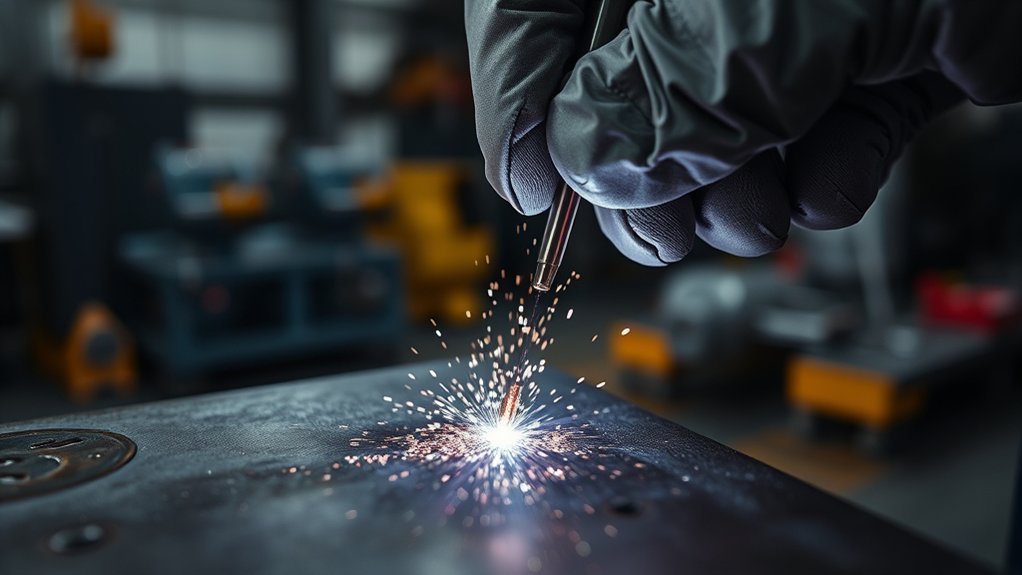
Magnetic Particle Testing (MT), also called Magnetic Particle Inspection (MPI), is a practical non-destructive evaluation technique used to detect surface and near-surface defects in welded ferromagnetic materials. By magnetizing the weld area and applying fine magnetic particles, you can quickly reveal cracks, seams, laps, surface-breaking porosity, and other discontinuities that may threaten weld performance. MT is valuable because it gives fast visual results, supports weld quality control, and helps prevent costly failures before a part goes into service. It is not suitable for every material or every flaw type, so understanding its process, limits, applications, and certification requirements is essential before using it in weld inspection work.
Quick Answer
Magnetic Particle Testing works by magnetizing a ferromagnetic weld and applying dry or wet magnetic particles. Surface and near-surface flaws disturb the magnetic field, causing particles to gather at the defect and form a visible indication that inspectors can evaluate.
Key Takeaways
- Magnetic Particle Testing is mainly used on ferromagnetic metals such as carbon steel, low-alloy steel, and iron.
- It is strongest at finding surface-breaking and near-surface discontinuities in welds.
- Proper cleaning, magnetization direction, lighting, and particle selection are critical for accurate results.
- MT cannot reliably detect deep internal flaws and does not work on non-ferromagnetic metals such as aluminum, copper, or austenitic stainless steel.
- Qualified inspectors and written procedures help keep MT results consistent, traceable, and compliant with project requirements.
At a Glance
| Best For | Finding surface and near-surface defects in ferromagnetic welds |
| Common Methods | Dry visible particles, wet visible particles, and fluorescent wet particles |
| Typical Tools Needed | Yoke, prods, coil, magnetic particles, cleaner, light meter or UV light when required, and demagnetization equipment if needed |
| Main Limitation | It does not work on non-ferromagnetic materials and is not a substitute for internal volumetric inspection methods |
How Magnetic Particle Testing Works
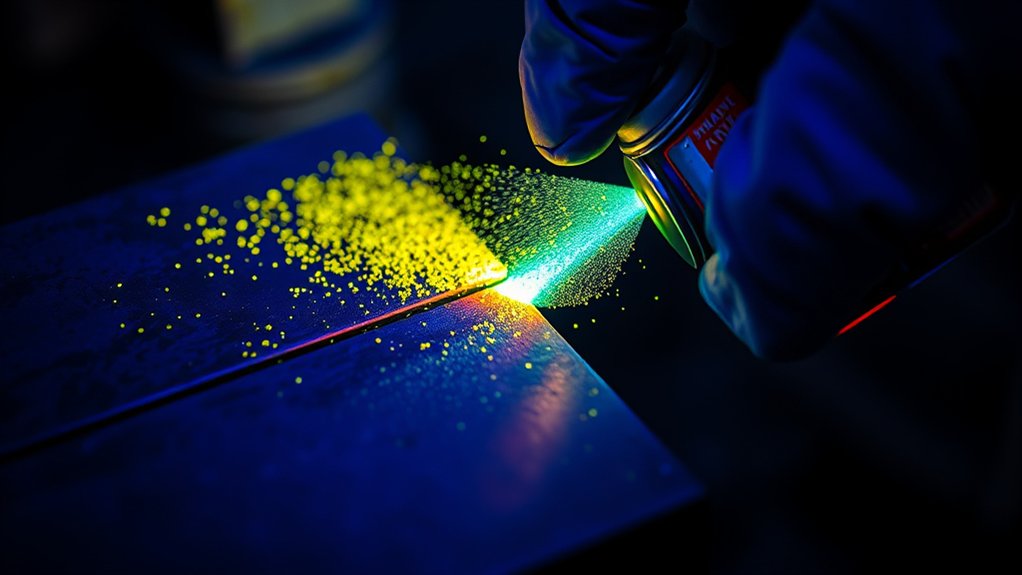
Magnetic Particle Testing works by magnetizing the welded area, creating a magnetic field through the part. When a crack, seam, lap, lack of fusion near the surface, or another discontinuity interrupts that field, magnetic flux leaks out around the flaw. Fine ferromagnetic particles are then applied to the surface. These particles collect at the leakage field and create a visible indication that shows the inspector where the defect may be located.
You can use different magnetization techniques depending on the part shape, weld location, and expected discontinuity. Alternating current (AC) is commonly used when surface-breaking flaws are the main concern, while direct current (DC) or half-wave direct current may provide better sensitivity to some near-surface discontinuities. Particles may be applied as dry powder or as a wet suspension. Wet fluorescent particles are often used when higher sensitivity is needed and the inspection area can be controlled with proper lighting.
It is essential to prepare the surface effectively before testing. Heavy scale, grease, oil, dirt, weld spatter, loose paint, or thick coatings can block particle movement and weaken indications. While MT can be more tolerant of surface condition than some other non-destructive testing methods, clean and accessible surfaces still produce more reliable results. Proper metal preparation is important for both welding quality and inspection accuracy.
Note: A visible particle pattern is called an indication. It is not automatically a rejectable defect. A qualified inspector must evaluate the indication against the acceptance criteria for the job, code, or specification.
What Is Magnetic Particle Testing and Why Is It Important for Welds?
Magnetic Particle Testing is a weld inspection method used to find discontinuities that open to the surface or sit close enough beneath the surface to disturb a magnetic field. It is especially useful on steel weldments, pressure-containing parts, structural connections, machined components, lifting equipment, pipelines, and fabricated assemblies where a small crack can grow under load, vibration, pressure, or repeated service cycles.
MT is important because weld defects can reduce strength, create leak paths, trigger fatigue cracking, or cause sudden failure. By identifying cracks and other discontinuities early, MT helps you make informed decisions about repair, acceptance, rejection, or further inspection. This method’s quick results are valuable in industries where weld quality directly affects operational reliability, worker safety, and compliance with safety standards. Additionally, implementing effective ventilation during related shop work is important when welding, cutting, cleaning, or using chemical products near the inspection area.
Importance of Weld Integrity
When ensuring the integrity of welded joints, using the right testing method is essential. Magnetic Particle Testing plays a fundamental role in detecting surface and near-surface defects in ferromagnetic materials. By identifying issues such as cracks, laps, seams, inclusions that break the surface, and certain near-surface discontinuities, you can support structural safety and operational reliability.
MT provides immediate visual indications of possible defects, which helps inspectors make faster decisions on repairs, rework, and quality assurance. Regular use of this method can also support compliance with project specifications and inspection plans, reducing the risk of failures caused by undetected surface flaws.
| Testing Method | Defect Types | Benefits |
|---|---|---|
| Magnetic Particle Testing | Surface and near-surface defects in ferromagnetic materials | Immediate visual indications |
| Ultrasonic Testing | Internal flaws and thickness-related issues | Depth information and volumetric inspection |
| Visual Inspection | Surface irregularities, undercut, overlap, profile issues, and visible cracks | Fast first-line assessment |
Detection of Surface Defects
Ensuring the integrity of welded structures requires effective detection methods for surface defects. Magnetic Particle Testing excels in this role by identifying both surface and near-surface flaws that can jeopardize strength. By applying a magnetic field to the weld, you create conditions where discontinuities disrupt the field, causing ferromagnetic particles to cluster around defect areas.
This method is particularly useful for finding surface-breaking cracks, crater cracks, toe cracks, root cracks, seams, laps, and certain weld-related discontinuities. It is also helpful for quality control because inspectors can see indications quickly and decide whether a weld needs repair, additional testing, or acceptance. The speed and cost-effectiveness of MT make it a preferred choice in industries such as aerospace, automotive, oil and gas, manufacturing, and construction. Regular MT inspections can improve weld integrity and help prevent catastrophic failures by identifying issues before they grow under service loads.
Top Benefits of Magnetic Particle Testing for Weld Inspections
Effective weld inspections are essential for maintaining structural integrity, especially in high-stakes industries like aerospace, automotive, construction, energy, and heavy equipment manufacturing. Magnetic Particle Testing stands out for its ability to detect surface and near-surface defects, helping teams improve safety and reliability before parts enter service.
One of the key advantages of MT is that it provides immediate visual indications of discontinuities. This allows quick decision-making and can reduce downtime during production inspections, repair verification, and maintenance checks. MT is also cost-effective compared with many advanced NDT methods, making it practical for routine inspections throughout fabrication and service life.
By using dry particles, wet visible particles, or wet fluorescent particles, MT can adapt to different inspection conditions. Dry powder may be practical for rougher field conditions, while wet fluorescent testing can provide higher sensitivity in controlled environments. This technique effectively identifies many common welding defects, including cracks, incomplete fusion near the surface, seams, laps, and surface-breaking porosity. Proper preparation for welding is also important because clean, well-prepared metal supports both better weld quality and more dependable inspection results.
Pro Tip: For reliable coverage, magnetize the weld in more than one direction when the procedure requires it. Defects are easiest to detect when they interrupt the magnetic field at a favorable angle.
What Are the Limitations of Magnetic Particle Testing?
Although Magnetic Particle Testing offers valuable insight into weld integrity, it has important limitations that inspectors, welders, and project managers must consider. First, MT works only on ferromagnetic materials. It is not suitable for non-magnetic metals such as aluminum, copper, magnesium, titanium, and many stainless steels. If the material cannot be magnetized strongly enough, MT will not provide dependable results.
The method primarily detects surface and near-surface discontinuities. It should not be used as the only method when deeper subsurface defects are the main concern. For internal flaws, methods such as ultrasonic testing or radiographic testing may be more appropriate, depending on the code, material, weld geometry, and inspection objective.
Surface cleanliness is another major factor. Oil, dirt, rust, heavy paint, thick coatings, scale, or weld spatter can prevent particles from moving freely and may cause missed indications. After testing, demagnetization may be necessary when residual magnetism could affect machining, welding, electronic components, bearing surfaces, or future service. Environmental factors such as poor lighting, extreme temperatures, wind, rain, and high humidity can also reduce inspection reliability. Recognizing these limitations helps ensure MT is used appropriately and effectively in weld inspections. The need for proper ventilation in nearby welding or cutting environments remains important to minimize exposure to fumes and maintain safe working conditions.
Warning: Do not use Magnetic Particle Testing as a replacement for volumetric inspection when the job requires detection of deep internal flaws. MT is a surface and near-surface method, not a complete internal weld examination.
How to Conduct Magnetic Particle Testing for Welds
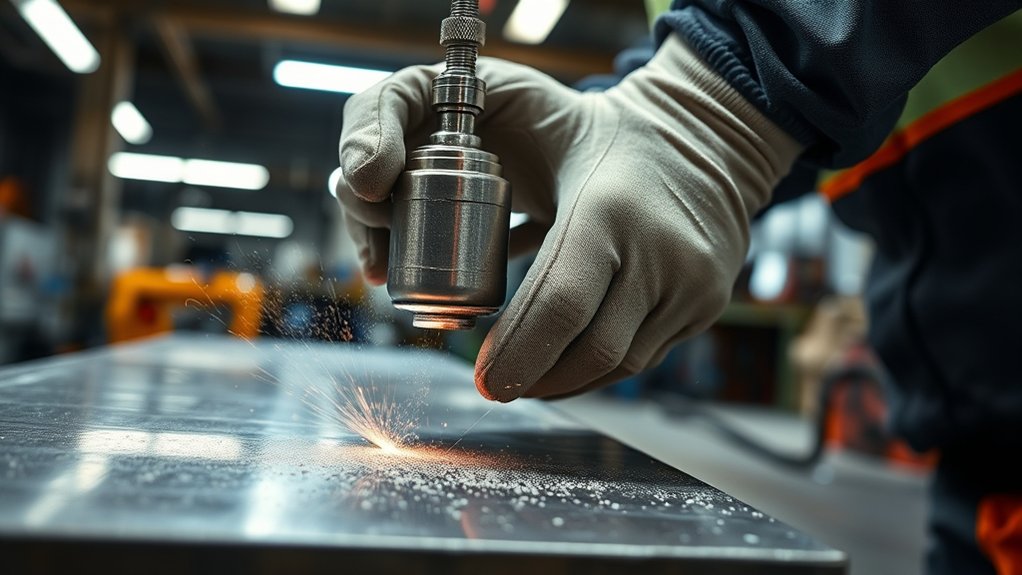
To conduct Magnetic Particle Testing for welds, begin with a written procedure, the correct equipment, and a clear understanding of the acceptance criteria. The process normally includes surface preparation, equipment checks, magnetization, particle application, indication evaluation, documentation, cleaning, and demagnetization when required. Each step matters because a weak magnetic field, poor particle flow, bad lighting, or dirty surface can produce unreliable results.
You should also choose the right inspection technique for the defects you expect to find. Dry particles can be useful for certain field inspections, while wet particles often provide smoother coverage and better sensitivity to fine surface-breaking indications. Fluorescent particles may be used under proper UV lighting when a higher level of sensitivity is required. Using cleaner cuts and better weld preparation can also help reduce false or confusing indications during inspection.
Products Worth Considering

10 LB LIFTING FORCE – Delivers over 4.5 kg / 10 lb AC lifting force for reliable magnetic particle inspection of ferromagnetic parts.

✅ Premium quality brass test magnet for jewelry dealers, metal recyclers, brokers, antique buyers and collectors! WELLZEER Keychain magnet is also very convenient and easy-to-carry to test for iron, nickel, or cobalt content.

EASY TO USE: Easily determine whether something is magnetic.
Preparation Steps for Testing
Magnetic Particle Testing for welds requires careful preparation to produce accurate results. First, verify that the weld area is clean and free from contaminants like oil, grease, loose rust, heavy scale, and dirt. Clean surfaces allow proper magnetization, particle movement, and indication visibility. If coatings are present, confirm whether the applicable procedure allows testing through the coating and whether the coating thickness is acceptable.
Next, select the appropriate magnetization method, such as a yoke, coil, central conductor, prods, or direct contact technique. The choice depends on the weld’s shape, access, thickness, and the likely direction of defects. Choose dry or wet magnetic particles based on the inspection environment and sensitivity needed. Wet particles often provide better sensitivity for fine cracks, especially when fluorescent particles and controlled lighting are used.
Apply the magnetic field using suitable equipment and confirm that the field is strong enough for the inspection task. During testing, apply particles while the part is magnetized when the continuous method is required, or after magnetization when using the residual method on suitable materials. Finally, clean the weld area and demagnetize the component if residual magnetism could interfere with future welding, machining, service, or inspection.
Inspection Techniques Overview
When conducting Magnetic Particle Testing for welds, it is crucial to apply a magnetic field effectively across the inspection area. A handheld yoke is common for weld inspection because it is portable and easy to use on structural welds, pipe welds, and fabricated parts. Coils, prods, and benches may be used when the part shape or inspection requirement calls for a different setup.
Before inspection, thoroughly clean the weld surface to remove contaminants that could hide or distort indications. Apply the particles evenly and inspect the weld under the required lighting. Visible particles need adequate white light, while fluorescent particles require proper UV light and a darker inspection area. After the inspection process, perform demagnetization when required to remove residual magnetism and protect the component’s operational integrity. This careful approach improves the reliability of weld assessments and supports structural safety.
Step-by-Step Magnetic Particle Testing Process
- Review the procedure: Confirm the material, weld type, acceptance criteria, magnetization method, particle type, lighting requirements, and documentation needs.
- Clean the surface: Remove loose rust, oil, dirt, grease, heavy scale, weld spatter, and other contaminants that can block particle movement.
- Check the equipment: Verify that the yoke, coil, prods, lights, UV lamp, and other tools are working as required.
- Magnetize the weld: Apply the magnetic field in the correct direction and strength for the expected defect orientation.
- Apply magnetic particles: Use dry or wet particles according to the written procedure and inspection conditions.
- Inspect the indications: Look for particle buildup, linear indications, rounded indications, or patterns that may show a discontinuity.
- Evaluate and document: Compare indications with the applicable acceptance criteria and record the results.
- Clean and demagnetize: Remove particles and demagnetize the part if the procedure or service condition requires it.
Types of Defects Detected by Magnetic Particle Testing?

Identifying defects in welds is critical for maintaining structural integrity, and Magnetic Particle Testing performs well when the flaw is at or near the surface of a ferromagnetic material. The method is especially useful for finding linear indications because cracks and lack-of-fusion patterns can become serious failure points under stress, pressure, vibration, or fatigue loading.
| Defect Type | Description |
|---|---|
| Surface Cracks | Surface-breaking cracks that can grow under stress and may lead to failure. |
| Lack of Fusion | Occurs when weld metal and base metal fail to bond properly near the inspected surface, reducing weld strength. |
| Porosity | Gas pockets or voids may be detected by MT only when they are surface-breaking or close enough to disturb the magnetic field. |
| Near-Surface Defects | Discontinuities just below the surface that create magnetic flux leakage when magnetized correctly. |
The sensitivity of MT allows inspectors to identify many surface and near-surface defects effectively when the part is clean, the magnetic field is strong enough, and the defect orientation is favorable. By addressing these issues promptly, you can support the reliability and safety of welded structures. Understanding lack of fusion can also help reduce the risk of compromised weld strength during both welding and inspection.
Linear vs. Rounded Indications
MT indications are often evaluated by shape. Linear indications are longer than they are wide and may suggest cracks, seams, laps, or lack of fusion. These often receive close attention because linear flaws can grow under service stress. Rounded indications may suggest porosity, inclusions, arc strikes, or surface condition issues. The final decision depends on the applicable code, acceptance standard, and inspector evaluation.
The most important MT result is not just seeing particles gather. It is correctly interpreting whether that indication is relevant, non-relevant, acceptable, or rejectable under the inspection criteria.
Where Is Magnetic Particle Testing Used?
Magnetic Particle Testing is widely used wherever ferromagnetic welds or components must be checked for surface and near-surface discontinuities. In the aerospace industry, MT may be used on critical ferromagnetic parts where cracks could threaten safe operation. In the automotive sector, it can help evaluate welds and parts in chassis, suspension, drivetrain, and structural applications. The oil and gas industry uses MT to inspect welds in pipelines, pressure vessels, fittings, and related equipment where leaks or cracking can have serious consequences.
In manufacturing, MT supports quality control for heavy equipment, castings, forgings, machined parts, lifting devices, shafts, gears, and welded assemblies. The construction industry also uses MT to assess weld quality in structural steel connections and other load-bearing details. By using nondestructive testing methods like MT, industries can improve safety, reduce the risk of structural failures, and verify workmanship without destroying the part. Understanding the importance of heat control during welding can further improve inspection outcomes and overall weld quality.
Certification for Magnetic Particle Testing in Weld Inspections
Magnetic Particle Testing plays an essential role in ensuring the integrity of welds, but achieving certification in this technique is equally important for NDT professionals. Certification programs, guided by written practice and standards such as ASNT SNT-TC-1A, outline training, experience, examination, and qualification requirements. By obtaining Level II or Level III qualifications or certifications, an inspector demonstrates the knowledge needed to perform, supervise, or interpret magnetic particle inspections on welded joints.
Compliance with industry standards, such as AWS D1.1, ISO 9712, ASME requirements, or project-specific specifications, may be required depending on the job. These programs typically combine theoretical knowledge with practical, hands-on training, including equipment setup, magnetization techniques, particle selection, lighting checks, indication evaluation, and report writing. Continuing education and recertification help inspectors stay current with updated practices, new equipment, and changing industry requirements. Prioritizing certification strengthens inspection quality and contributes to the overall safety of welded structures. Understanding shielding gas problems can also help prevent weld defects before inspection begins.
Common Mistakes to Avoid During Magnetic Particle Testing
Even a proven method like MT can produce poor results when basic inspection controls are ignored. One common mistake is testing a dirty weld. Grease, paint, loose rust, heavy scale, or slag can prevent particles from forming clear indications. Another mistake is magnetizing in only one direction when the likely defect direction requires more than one field orientation. A crack that runs parallel to the magnetic field may not create a strong indication.
Poor lighting is another frequent problem. Visible particle testing needs enough white light, while fluorescent testing needs proper UV intensity and a darker viewing area. Inspectors should also avoid over-applying particles, since too much powder or suspension can hide fine indications. Finally, skipping demagnetization when it is required can create problems during later machining, welding, assembly, or service.
Magnetic Particle Testing vs. Other NDT Methods
Magnetic Particle Testing is not the only weld inspection method, and it should be selected based on the material, weld type, defect concern, access, code requirement, and service risk. Visual Testing is usually the first step and can catch obvious weld profile problems, undercut, overlap, surface cracks, and workmanship issues. Liquid Penetrant Testing can find surface-breaking flaws on many non-porous materials, including non-ferromagnetic metals, but it is limited to defects open to the surface. Ultrasonic Testing can detect internal flaws and provide depth information. Radiographic Testing can reveal certain internal volumetric defects, though it requires strict safety controls and more setup.
MT is often chosen when the material is ferromagnetic and the main concern is surface or near-surface cracking. It is fast, relatively economical, and effective when performed by trained personnel. However, it should be paired with other inspection methods when the job requires broader coverage of internal weld quality.
Products Worth Considering
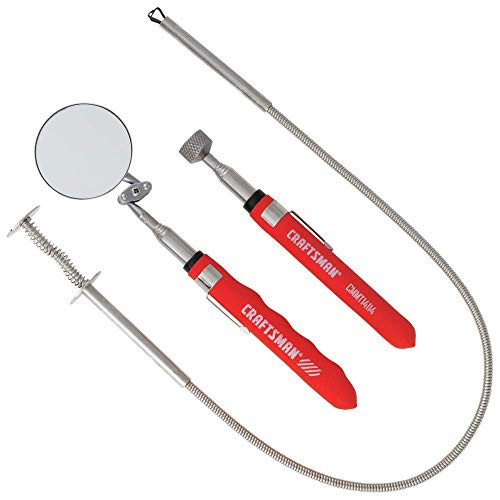
Versatility: 3 pc kit provides the tools needed to find and retrieve small objects from hard to reach areas
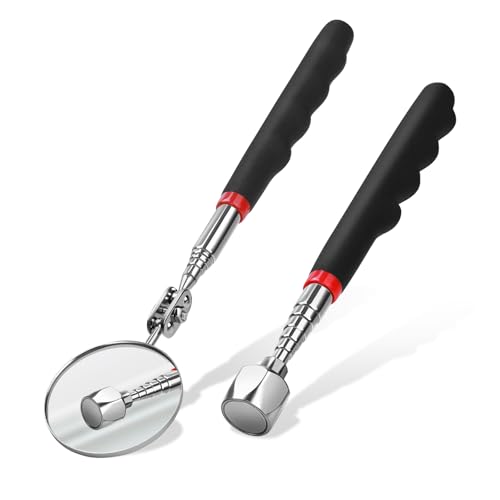
【ADJUSTABLE】Our magnetic pickup tool and inspection mirror can be extended to the length you need, and the 360° adjustable inspection mirror can be adjusted to the viewing angle you need.

⚙️[Advanced Defect Detection]: The GOYOJO Magnetic Yoke Flaw Detector is a precision tool designed to identify surface and near-surface defects in materials. It excels at detecting issues like cracks, voids, inclusions, and irregularities, making it an essential asset for quality control and safety assurance.
Frequently Asked Questions
How Does a Magnetic Weld Test Work?
A magnetic weld test works by applying a magnetic field to a ferromagnetic weld and then adding magnetic particles to the surface. If a surface or near-surface discontinuity interrupts the field, particles gather at that area and form a visible indication for the inspector to evaluate.
What Are the Disadvantages of Using MPI?
MPI has several limitations. It works only on ferromagnetic materials, requires surface access, needs proper cleaning, and cannot reliably detect deep internal defects. Poor lighting, wrong magnetization direction, excessive particles, and limited operator training can also lead to missed or false indications.
What Is the Basic Principle of Magnetic Particle Testing?
The basic principle of Magnetic Particle Testing is magnetic flux leakage. When a ferromagnetic part is magnetized, a surface or near-surface discontinuity disrupts the magnetic field. Magnetic particles are attracted to that leakage field, creating an indication that shows the possible defect location.
How Does MPI Work in NDT?
MPI works in NDT by magnetizing a ferromagnetic component, applying magnetic particles, and observing where particles collect. Proper surface preparation, equipment checks, lighting, magnetization direction, inspector training, and safety controls all help improve defect detection and result reliability.
Can Magnetic Particle Testing Find Internal Weld Defects?
Magnetic Particle Testing is mainly for surface and near-surface defects. It is not the best method for deep internal weld flaws. If internal defects are a concern, ultrasonic testing, radiographic testing, or another approved volumetric method may be needed.
What Materials Can Be Tested With Magnetic Particle Inspection?
Magnetic Particle Inspection is used on ferromagnetic materials such as carbon steel, low-alloy steel, cast iron, and some magnetic stainless steels. It does not work properly on non-ferromagnetic materials such as aluminum, copper, brass, titanium, magnesium, and many austenitic stainless steels.
Conclusion
In conclusion, magnetic particle testing is an essential tool for checking weld integrity in ferromagnetic materials. A properly applied magnetic field can reveal hidden surface and near-surface flaws much like a lighthouse reveals danger near a dark shoreline. By using the right magnetization method, clean surfaces, suitable particles, qualified inspectors, and clear acceptance criteria, you can detect defects before they lead to expensive repairs, downtime, or unsafe failures.
MT should not be treated as a one-size-fits-all inspection method. It cannot replace internal weld examination when deeper flaws are the concern, and it does not work on non-ferromagnetic materials. Still, when used correctly, it is fast, practical, and highly valuable for weld quality control, maintenance inspections, repair verification, and safety-focused fabrication work.