I can’t count how many times I’ve been in the middle of a MIG weld, thinking everything was set up right, only to run into spatter everywhere, poor penetration, or that dreaded bird-nesting at the wire feed. One of my earliest challenges was welding thin sheet metal on a car panel — I cranked up the settings thinking more heat meant a stronger weld, but all I got was burn-through and frustration.
That’s when I realized MIG welding problems aren’t just about machine settings; they tie into metal thickness, joint prep, filler wire size, and even shielding gas coverage. Whether you’re comparing MIG vs TIG for a cleaner bead, troubleshooting arc control, or trying to get stainless to weld smoothly without distortion, these issues matter.
They affect not just the look of the bead, but also the strength, safety, and cost-efficiency of your project. In this guide, I’ll break down the most common MIG welding problems and their solutions so you can save time, cut down on mistakes, and lay down welds you can be proud of.
Image by
Common Porosity Problems in MIG Welding
Porosity is one of those sneaky issues that shows up as tiny holes or bubbles in your weld, like Swiss cheese on a bead. It’s basically gas pockets trapped in the metal as it cools, weakening the whole thing and inviting corrosion down the line. I’ve had it happen on a custom exhaust job where the base metal had a bit of oil residue—ruined the seal and cost me an afternoon grinding it out.
This happens when your shielding gas doesn’t do its job properly, or contaminants sneak in. Think inadequate gas coverage from drafts in the shop, or dirty materials like rust or grease that vaporize and create voids. Even extending your wire too far from the nozzle can let air in.
To fix it, start with prep work. Clean your base metal thoroughly—wire brush or degrease it. Check your gas flow; industry standards recommend 20-30 cubic feet per hour (CFH) for most steel applications, though you can start at 15 CFH indoors without drafts and increase to 25-30 CFH if porosity appears. Use a nozzle that’s the right size, and keep your stickout to about 3/8 inch. If you’re welding aluminum, pure argon is your friend, but for steel, a 75/25 argon/CO2 mix handles it better.
Here’s a quick step-by-step to troubleshoot porosity:
- Inspect your setup: Ensure hoses are leak-free and the regulator is set right.
- Test the gas: Trigger the gun without wire to feel the flow—should be steady, not turbulent.
- Weld a test bead: If holes appear, adjust flow or clean again.
- Recheck technique: Hold the gun at a 10-15 degree push angle for better coverage.
One time, I was helping a buddy on his farm repair, and porosity kept popping up. Turned out his cylinder was low—swapped it, and bam, clean welds. Pro tip: Always store your wire spool in a dry spot to avoid moisture pickup.
Fixing Spatter in Your MIG Welds
Spatter—those little metal blobs flying everywhere—makes cleanup a pain and can weaken multi-pass welds if it builds up. It’s like popcorn kernels all over your shop floor, but worse because it sticks. In my early days as a fab hobbyist, I cranked the voltage too high on a gate project, and spatter turned it into a mess that needed hours with a chisel.
Common culprits? Voltage or wire feed speed too high, causing the arc to explode droplets. Dirty wire or base metal adds to it, and wrong gas mix can make it worse—too much CO2 in the blend amps up the spatter.
Dial it back by lowering voltage a notch and matching wire speed to your material thickness. For 1/8-inch steel, I start at 18-20 volts and 300-350 inches per minute on wire. Clean everything spotless, and use anti-spatter spray sparingly on the nozzle.
Pros and cons of anti-spatter gels:
| Pros | Cons |
|---|---|
| Reduces cleanup time | Can contaminate if overused |
| Protects nozzle longevity | Adds extra cost per job |
| Improves arc stability | Might require ventilation |
Personal story: On a job site building railings, spatter was everywhere until I switched to a finer wire (.030 instead of .035). Cut it by half. Remember, a steady hiss from the arc means you’re in the sweet spot—no crackling.
Tackling Lack of Fusion in MIG Welding
Lack of fusion is when your weld doesn’t bond fully to the base metal or previous passes, creating weak spots that can crack under load. It’s a silent killer—looks okay on top but fails inspection. I once had this on a pressure tank repair; X-ray caught it, saving a potential disaster.
Why? Often the gun angle is off, or heat input is too low, so the puddle doesn’t melt deep enough. Fast travel speed skips fusion, too.
Slow your roll—increase voltage or amps to heat things up, and aim for a 5-10 degree push. For thicker stuff, prep joints with a bevel for better access.
Step-by-step fix:
- Check settings: Use a chart for your machine—Lincoln or Miller ones are gold.
- Practice angle: Push the puddle, don’t drag unless flux-cored.
- Test: Break a sample weld; if it peels, fusion’s lacking.
Anecdote: Training a new guy, he dragged the gun like stick welding. Switched to push, and his beads fused perfectly. Tip: For stainless, pulse mode on modern machines helps control heat.
How to Prevent Burn-Through on Thin Materials
Burn-through melts holes right through your workpiece, especially on sheet metal under 1/8 inch. Ruins parts and wastes time patching. I’ve blown through auto body panels more times than I’d admit early on.
Too much heat is the issue—high amps, slow travel, or wrong wire size concentrates energy.
Counter it by dropping amps (try 15-17 volts for 18-gauge), speed up your travel, and use smaller wire like 0.023 for finesse.
Table of suggested settings for thin steel:
| Thickness | Voltage | Wire Speed (IPM) | Gas Flow (CFH) |
|---|---|---|---|
| 22 gauge | 15-16 | 150-200 | 15-20 |
| 18 gauge | 16-18 | 200-250 | 20-25 |
| 14 gauge | 18-20 | 250-300 | 25-30 |
Story: Fixing a buddy’s mower deck, I pulsed the trigger to control heat—worked like a charm. Tip: Back the joint with copper for heat sink on ultra-thin stuff.
Undercutting: Causes and Easy Fixes
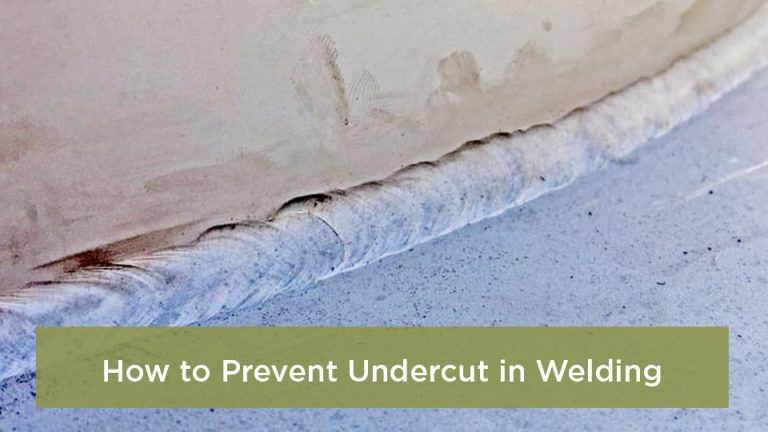
Undercutting grooves the base metal at the weld toe, stressing it and risking cracks. Common on horizontal welds if you’re not careful. Happened to me on a trailer frame; had to grind and refill.
Causes: Arc too long, high voltage, or weaving too wide without pausing.
Fix by shortening arc length, lower voltage, and pause at edges during weaves.
Pros/cons of weaving technique:
| Pros | Cons |
|---|---|
| Wider coverage | Risk of undercut if fast |
| Better fill | Harder on thin metal |
| Heat distribution | Needs practice for evenness |
Anecdote: On a shop build, undercutting plagued verticals until I tightened my weave. Tip: For AWS D1.1:2025 code work (the latest structural welding standard for steel), inspect toes visually—smooth transition is key.
Dealing with Wire Feed Problems
Wire feed glitches like birdnesting (tangles) or erratic feeding stop you cold. It’s frustrating when the wire jams mid-bead. I’ve lost count of times this hit on long runs.
Worn drive rolls, wrong tension, or dirty liner cause it.
Clean the liner with compressed air, replace rolls if grooved, and set tension so wire doesn’t slip but bends slightly when pinched.
Step-by-step:
- Release tension, pull wire out.
- Inspect rolls and liner.
- Rethread, tension till it feeds smooth.
Story: In a fab shop rush, birdnesting from over-tight tension—loosened it, back in business. Tip: Use the right drive roll groove for your wire type—V for solid, knurled for flux-cored.
Cracking Issues in MIG Welds
Cracks—hot, cold, or crater—split your weld, often from stress or cooling too fast. Dangerous for load-bearing stuff. Saw it on a high-carbon steel job; preheat fixed it.
Hydrogen from moisture or wrong filler causes it, or rapid cooling.
Preheat thicker metals to 200-300°F, use low-hydrogen wire, and backfill craters.
Table: Filler wire pros/cons for crack prevention
| Wire Type | Pros | Cons |
|---|---|---|
| ER70S-6 | Versatile, clean | Higher hydrogen risk |
| ER70S-3 | Low hydrogen | Less forgiving on dirt |
| Flux-cored | Self-shielding | More spatter |
Anecdote: Welding rebar cages, craters cracked until I lingered at ends. Tip: Post-heat for alloys to slow cooling.
Improper Bead Profiles and Solutions
Beads too convex (ropy) or concave (sucked in) affect strength and looks. Convex from cold settings, concave from hot ones. Messed up a furniture frame once—looked lumpy.
Adjust heat: Higher voltage flattens convex, lower fixes concave.
Tip: Listen to the arc—buzz for good, rasp for off.
Lack of Penetration Fixes
Shallow penetration leaves weak roots. Wrong joint prep or low heat.
Bevel edges, increase amps, slow travel.
Story: Pipeline mockup failed bend test—added bevel, passed.
Overlap and Distortion Control
Overlap rolls over toes without fusing; distortion warps from heat.
Use right filler amount, stagger welds.
Tip: Clamp firmly for flatness.
Slag Inclusions in Flux-Cored MIG
Slag traps if not chipped between passes.
Clean thoroughly.
Anecdote: Multi-pass beam, slag caused porosity—chipped better next time.
Wrapping It Up
There you have it—we’ve covered the major MIG welding problems from porosity to wire woes, with real fixes that work in the shop or garage. You’re now armed with the know-how to spot issues early, tweak your settings, and turn out welds that hold strong. Whether it’s cleaning up for better fusion or dialing in gas flow for clean beads, these tips build confidence and cut waste. Remember, practice on scrap first—it’s how I got consistent.
Why are you more prepared? Because understanding the why behind problems lets you adapt to any job, from hobby fixes to pro fabrications. Go tackle that next project with a steady hand. Always keep a settings notebook—log what works for each material to speed up future setups. For code-critical work, consult current OSHA welding safety standards (1910.252) and ensure compliance with the latest AWS D1.1:2025 structural welding requirements where applicable.
Why Is My MIG Welder Sputtering?
Sputtering often comes from inconsistent wire feed or wrong voltage. Check tension on drive rolls, clean the liner, and lower voltage if it’s too high—aim for a smooth buzz sound.
How Do I Reduce Spatter in MIG Welding?
Lower your voltage and wire speed, ensure clean materials, and use the right gas mix. A shorter stickout helps too—keep it under 1/2 inch for control.
What Causes Holes in My MIG Welds?
Holes are porosity from poor gas shielding or dirt. Boost gas flow to 20-30 CFH depending on conditions, clean everything thoroughly, and shield from drafts—simple prep prevents most of it.
Why Won’t My Wire Feed Properly?
Jams or skips mean worn rolls, dirty liner, or wrong tension. Inspect and clean regularly, replace parts as needed—keeps things flowing smooth.
Is My MIG Weld Too Weak?
Weakness from lack of fusion or penetration—check joint prep and heat input. Test beads on scrap; if they break easy, up the amps or slow down.