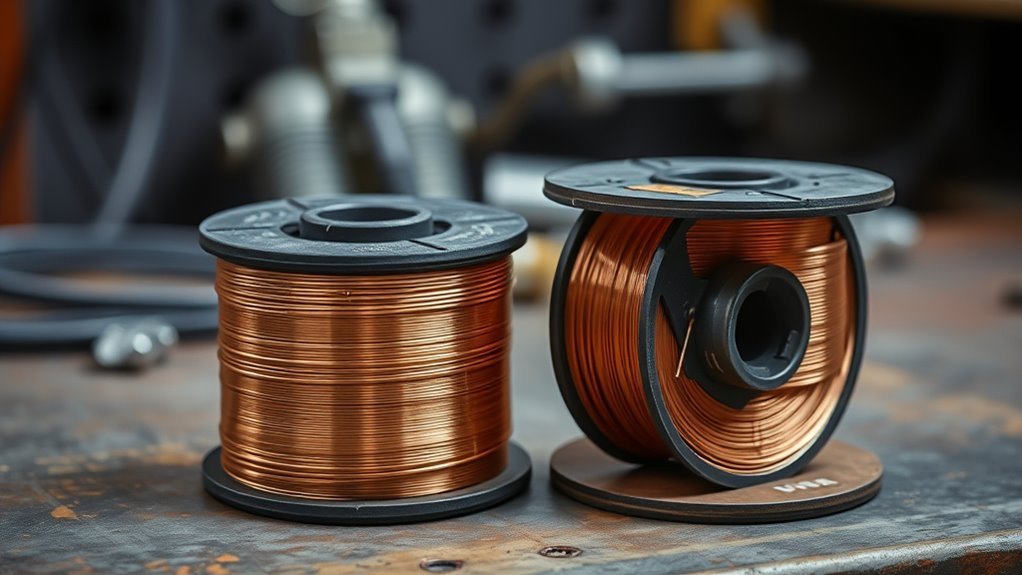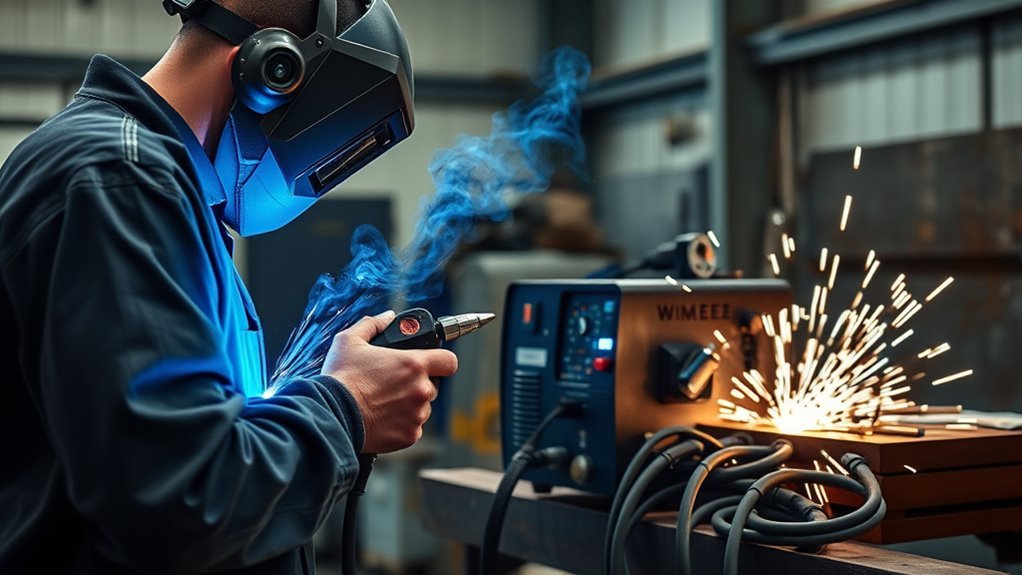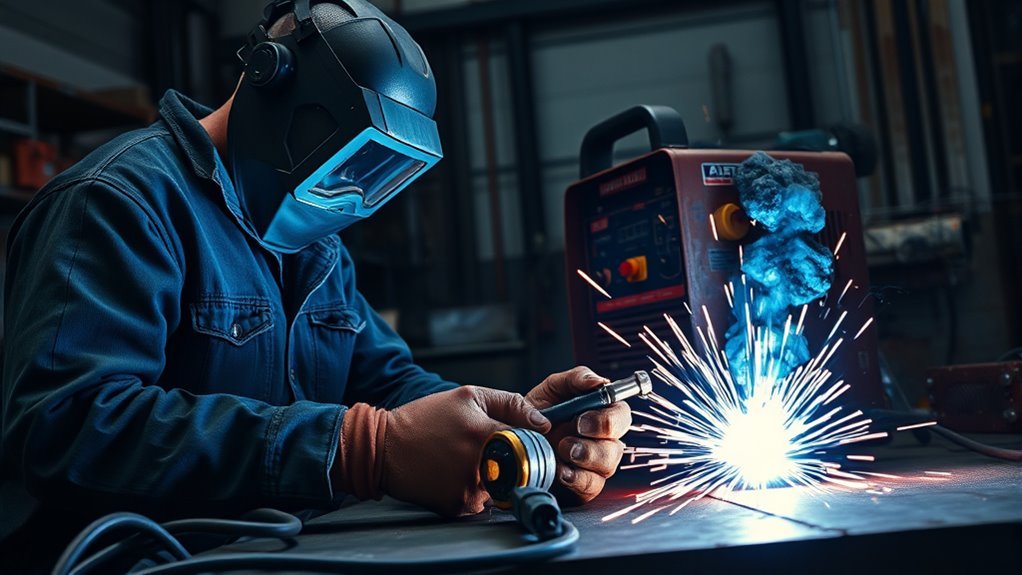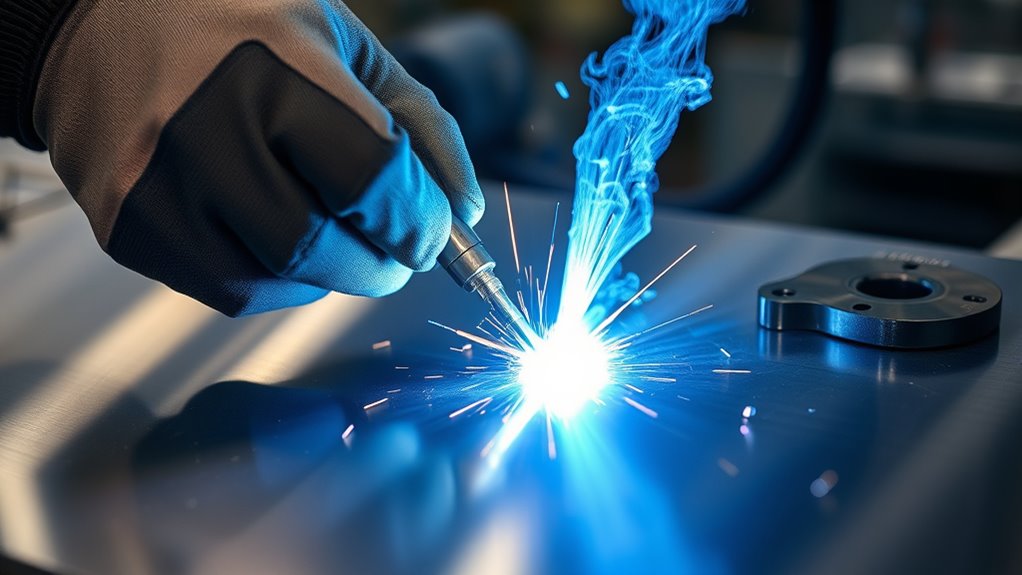
Tungsten Inert Gas (TIG) welding gives you tight control when a weld can’t afford excess heat, spatter, or contamination. It uses a non-consumable tungsten electrode and inert shielding gas, usually argon, to create a stable arc and clean weld pool. You control heat, travel speed, and filler metal separately, which makes TIG a strong fit for thin metals, critical parts, and visible welds.
Quick Answer
TIG welding is a precise arc-welding process that uses a tungsten electrode, shielding gas, and optional filler metal. You choose it when you need clean, strong, low-spatter welds on thin or high-value parts. It takes more skill and time than faster welding methods, but it gives you better control over heat and weld appearance.
Key Takeaways
- TIG welding uses a non-consumable tungsten electrode to create a precise arc.
- Argon shielding gas protects the weld pool from oxygen, nitrogen, and moisture.
- You can add filler metal by hand or weld without filler when the joint allows it.
- TIG works best when cleanliness, strength, appearance, and heat control matter more than speed.
- The process takes practice because you control the torch, current, and filler rod at the same time.
What’s in This Article
What Is TIG Welding?
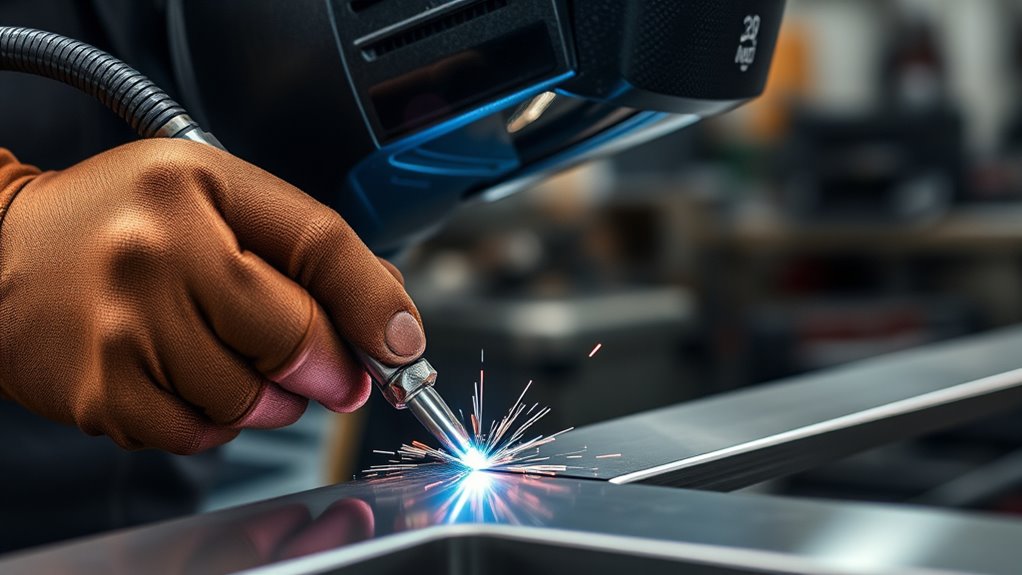
TIG welding, also called Gas Tungsten Arc Welding (GTAW), uses a tungsten electrode to form an arc between the torch and the workpiece. The electrode does not melt into the joint, so you can focus the arc and control the weld pool with high accuracy.
You use inert shielding gas, most often argon, to protect the hot metal from air. This gas helps prevent oxidation, porosity, and contamination while the weld cools.
You can add filler metal when the joint needs more strength or volume. You can also weld without filler when the joint design and base metal allow it.
That manual control gives TIG welding its main advantage. You can manage heat, travel speed, and filler input separately, which helps on thin sheet, tubing, stainless steel, aluminum, and detailed fabrication work.
You’ll notice minimal spatter, strong corrosion resistance when the right materials are used, and a finish that rewards careful technique. Because the process takes skill and patience, it works best when accuracy matters more than speed.
Contamination control also matters in stainless steel work, where clean prep and proper gas coverage help protect weld quality. You can learn more about contamination control for stainless steel TIG welding.
Products Worth Considering

Complete TIG Torch Kit - 71pcs Tig Welding Torch accessories (consumables) kit. This set includes all the essential TIG torch accessories and consumables, so you can get started on your welding projects right away.

Complete 123-Piece Set:All necessary TIG torch accessories and consumables for WP-17, WP-18, and WP-26 torches.

SPECIFICATION: 49PCS TIG Torch Accessories kit (consumables).
How TIG Welding Works Step by Step
You start TIG welding by creating a stable arc between the tungsten electrode and the workpiece. Many TIG machines use a high-frequency start, which lets you start the arc without touching the metal.
Once the arc forms, you control the arc length and travel speed while adjusting current, often with a foot pedal or fingertip control. This helps you keep the weld pool the right size.
If the joint needs filler, you feed the filler rod into the front edge of the molten pool. Clean metal preparation matters, especially on aluminum, where you must remove the oxide layer before welding.
For more aluminum-specific advice, review these TIG welding aluminum tips and tricks.
Arc Formation
As you position the torch over the joint, the machine starts an arc between the tungsten electrode and the workpiece. High-frequency start creates that arc without direct contact, which helps keep the tungsten clean.
The arc creates focused heat that melts the base metal into a small weld pool. The tungsten stays solid during normal use, so you can steer the arc with steady torch control.
Argon shielding gas flows around the arc and blocks oxygen, nitrogen, and moisture from the weld zone. Good shielding helps prevent porosity, discoloration, and weak welds.
- Start the arc without contaminating the tungsten when possible.
- Keep the arc short enough to focus heat.
- Shield the molten pool until it cools.
- Maintain tungsten shape for stable arc control.
Filler Metal Control
Once the arc stabilizes and a weld pool forms, you can add filler metal by hand. Choose a filler rod that matches the base metal and the job requirements.
Feed the rod slowly into the leading edge of the pool. Keep your arc length steady so the heat stays focused and the tungsten stays clean.
If you feed too fast, you can chill the pool, disturb shielding gas, or create an uneven bead. If you pause too long, you can overheat the joint and lose control.
Good filler control strengthens the weld without hurting its finish. It also helps you make repeatable welds on small, thin, or highly visible parts.
TIG Welding Equipment and Setup
You need a TIG torch, tungsten electrode, power source, shielding gas, work clamp, and the right filler metal for the job. You’ll also need safety gear that protects your eyes, skin, lungs, and hearing.
Set up the torch with a clean collet, cup, and properly prepared tungsten. Match your current, polarity, and shielding gas to the metal you plan to weld.
Electrode quality can affect arc stability. For example, high-quality electrodes such as 2% lanthanated tungsten can support steady performance across many TIG jobs.
Products Worth Considering
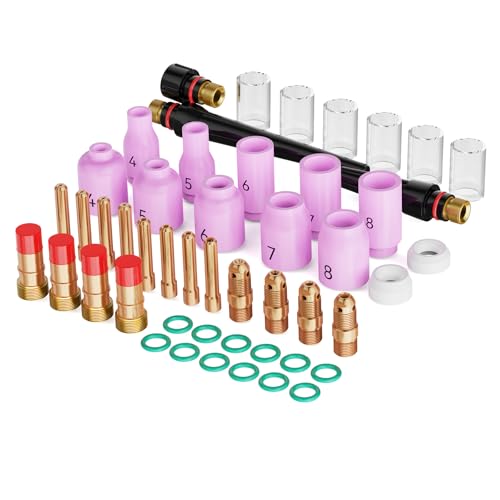
Complete TIG Torch Kit - 49pcs Tig Welding Torch accessories (consumables) kit. This set includes all the essential TIG torch accessories and consumables, so you can get started on your welding projects right away.

79pieces TIG Torch Accessories (consumables).

37pcs tig welding torch stubby gas lens kit accessories for:PTA DB SR WP 9 20 25 Tig Welding Torch
Torch and Electrode Setup
The TIG torch and electrode form the core of arc control. Choose tungsten diameter based on material thickness, amperage, and the type of current you use.
Many common TIG jobs use tungsten from 1/16 inch to 1/8 inch. Grind the tip cleanly, because tip shape affects arc focus and stability.
A pointed tip helps focus the arc on many direct current jobs. A small flat at the end can help protect the tip at higher amperage.
Use a constant-current power source. Direct current electrode negative works for many steels and stainless steels, while alternating current often works best for aluminum and magnesium.
- Match tungsten diameter to amperage.
- Shape the tip for arc focus.
- Keep torch parts clean and tight.
- Adjust current with a foot pedal or fingertip control when possible.
Shielding Gas and Flow
Argon serves as the primary shielding gas for most TIG welding because it creates a stable arc and protects the weld pool. You should set the flow rate high enough for coverage but low enough to avoid turbulence.
Many TIG jobs use about 15 to 30 cubic feet per hour (CFH), but cup size, joint shape, drafts, and gas lens use can change the best setting. Use a flowmeter regulator, and make sure the gas supply stays clean and dry.
If you need more heat on thick sections, an argon-helium mix can increase heat input and penetration. Too little shielding gas can cause porosity, oxidation, and weak welds.
| Gas | Typical Use | Effect |
|---|---|---|
| Argon | General TIG | Stable arc and shielding |
| Argon-helium | Thick sections | Higher heat input and penetration |
| 15-30 CFH | Common flow range | Balanced coverage for many setups |
Pro tip: If the bead looks gray, sooty, or porous, check gas coverage before changing amperage.
Arc Start Methods
The arc start method affects how cleanly and consistently the TIG arc begins. You can use scratch start, lift start, or high-frequency start.
Scratch start touches the tungsten to the workpiece and then pulls away to start the arc. It works with simple machines, but it can contaminate the tungsten and workpiece.
Lift start also uses contact, but the machine controls current as you lift the torch. This gives you better control and lowers contamination risk.
High-frequency start creates the arc without contact. It gives the cleanest start and works well for sensitive metals and precise welds.
- Use scratch start for simple setups when contamination risk matters less.
- Use lift start when you need better control without high-frequency start.
- Use high-frequency start when you want the cleanest arc initiation.
- Match the start method to metal type, joint access, and finish needs.
Where TIG Welding Is Used
TIG welding appears in industries that need clean welds, precise control, and strong joint quality. You often see it on parts where distortion, contamination, or a rough bead could cause problems.
In aerospace work, TIG can support critical components that require careful heat control and consistent weld quality. In motorsports fabrication, it helps create lightweight parts with good strength and clean appearance.
In bicycle manufacturing, TIG works well for thin-walled tubing because it limits excess heat and supports neat joint profiles. In pharmaceutical and food-grade systems, TIG helps create smooth, clean welds that are easier to keep sanitary.
You’ll also find TIG in nuclear work, art fabrication, automotive repair, custom exhaust work, and precision sheet-metal projects. Across these uses, careful filler selection helps match strength, corrosion resistance, and service conditions.
Use a reliable TIG filler rod selection chart when you need help matching filler metal to the base metal.
TIG Welding Pros and Cons
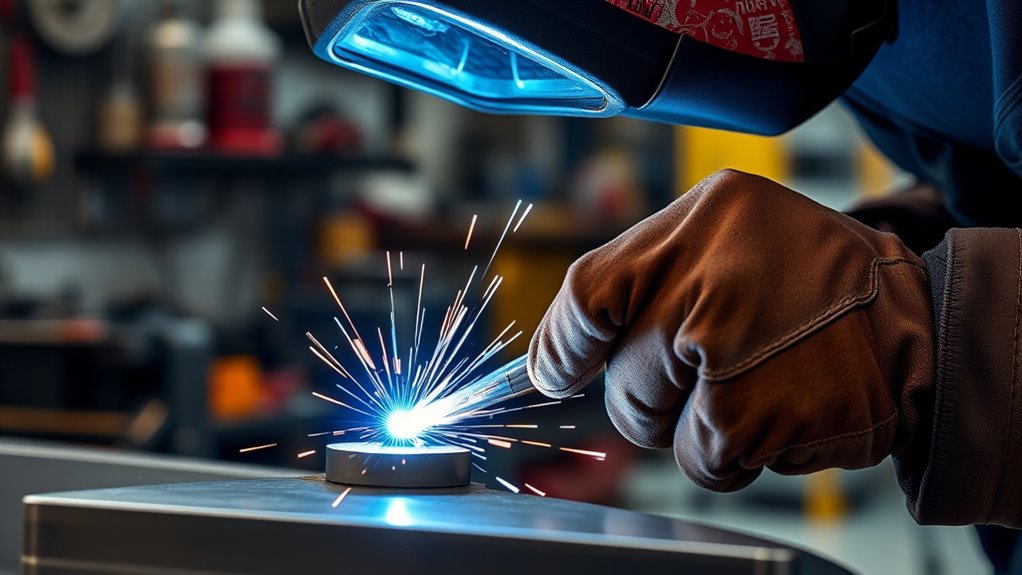
When you need clean, precise welds, TIG welding offers high-quality results, low spatter, and strong heat control. This makes it useful for thin materials, visible joints, and work that needs a refined finish.
TIG welding delivers clean, precise welds with low spatter and strong heat control for thin or delicate materials.
You gain the most from TIG when the weld must look good and perform well. You can also weld with filler metal or without filler when the joint design supports it.
- Produces clean, low-spatter welds.
- Controls heat well on thin stock.
- Works with many metals and filler choices.
- Creates strong, attractive weld beads with practice.
- Requires more skill, time, and equipment cost than some other processes.
The main drawbacks include a steep learning curve and slower deposition rate. You’ll need steady hands, good timing, and disciplined prep to get consistent results.
Shielding gas also affects results. Using 100% argon often supports clean TIG welds on steel and helps reduce defects when the rest of the setup is correct.
When TIG Welding Makes Sense
Choose TIG when accuracy, cleanliness, and heat control affect the final result. It works best when the part’s value depends on weld quality, appearance, and fit.
You should choose TIG for thin sheet, tubing, stainless steel, aluminum, and detailed fabrication. It also helps when you need a smooth bead with little cleanup.
TIG makes less sense when speed matters more than finish. For long production welds, thick structural joints, or quick repairs, another process may save time.
If you’re joining thin sheet or tubing, TIG’s adjustable heat input helps reduce warping. If you’re creating visible parts, its clean bead profile can support both strength and appearance.
You can also rely on TIG for artistic designs because it gives you precise control over the weld pool. When you understand material behavior and heat input, you can avoid distortion and improve weld quality.
For related steel welding guidance, see this guide on thermal properties and stainless steel welding concerns.
TIG Welding Safety Basics
TIG welding can expose you to bright arc radiation, heat, fumes, electric shock, and sharp metal edges. You need the right safety gear before you strike an arc.
Wear a properly rated welding helmet, flame-resistant clothing, welding gloves, and closed leather boots. Use eye protection when grinding tungsten or cleaning metal.
Ventilation matters, especially when you weld stainless steel, galvanized material, coated metals, or confined spaces. Keep flammable items away from the work area, and inspect cables, gas hoses, and torch parts before use.
Warning: Never weld coated or unknown metals without checking fume risks and using proper ventilation.
Frequently Asked Questions
What Metals Are Hardest to TIG Weld?
Aluminum alloys can challenge you because aluminum forms an oxide layer and conducts heat quickly. Magnesium and titanium also demand careful shielding and clean prep. Stainless steel feels more forgiving, but distortion and contamination still require steady control.
How Does TIG Welding Differ From MIG Welding?
TIG uses a non-consumable tungsten electrode and separate filler metal when needed. Metal Inert Gas (MIG) welding feeds wire continuously through the gun. TIG gives you finer control, while MIG often gives you more speed on production work.
What Safety Gear Is Essential for TIG Welding?
You need a welding helmet, flame-resistant jacket, welding gloves, safety glasses, and sturdy boots. Use hearing protection when grinding or working in loud shops. Add a respirator or local exhaust ventilation when fumes create a risk.
Can TIG Welding Be Used Outdoors?
You can use TIG welding outdoors, but wind can blow shielding gas away from the weld pool. Use windbreaks, keep the arc short, and check gas coverage often. If you can’t protect the shielding gas, the weld can become porous or contaminated.
How Much Skill Does TIG Welding Require?
TIG requires high skill because you control the torch, current, and filler rod at the same time. Practice torch angle, arc length, filler timing, and heat balance. Consistent results come from repetition and careful setup.
Is TIG Welding Good for Beginners?
TIG can teach strong welding habits, but it has a steeper learning curve than many other processes. Beginners often start with simple steel coupons before moving to stainless steel or aluminum. Clean prep and steady torch control make practice more productive.
Does TIG Welding Need Filler Metal?
TIG does not always need filler metal. You can make an autogenous weld when the joint design, fit-up, and base metal support it. Use filler when the joint needs more strength, gap filling, or bead reinforcement.
Conclusion
TIG welding makes sense when precision, cleanliness, and heat control matter more than speed. Use it for thin metals, critical components, and visible welds where a clean bead matters.
Before you weld, match the tungsten, shielding gas, current, and filler metal to the base metal. Practice on scrap first, then move to the final part when your bead shape and heat control look consistent.
With the right setup and steady technique, TIG gives you the control to make strong, accurate welds with a refined finish.