Weld undercut can weaken a joint even when the bead looks mostly clean. It forms when the weld leaves a groove at the weld toe or root instead of filling that edge with sound metal. You can reduce undercut by controlling heat, travel speed, arc length, electrode angle, and joint preparation before the defect becomes a repair problem.
What’s in This Article
- What Is Weld Undercut and Why It Matters
- Common Causes of Weld Undercut
- Welding Parameters That Cause Undercutting
- How Electrode Type and Shielding Gas Affect Undercutting
- What’s the Difference Between Internal and External Undercuts?
- Effective Techniques to Prevent Weld Undercut
- How to Detect Weld Undercut Early?
- Repairing Weld Undercut: Options and Best Practices
- Frequently Asked Questions
- Conclusion
Quick Answer
Weld undercut happens when the weld melts the base metal edge but does not fill that groove with enough weld metal. Excess heat, fast travel speed, long arc length, poor electrode angle, and dirty joint surfaces often cause it. You can prevent it by using the right settings, keeping a steady technique, cleaning the joint, and checking the bead as you weld.
Key Takeaways
- Control heat input so the weld melts the joint without washing away the edge.
- Keep travel speed steady so filler metal has enough time to fill the weld toe.
- Clean and fit the joint before welding to improve fusion and bead shape.
- Inspect the weld early because small grooves can grow into larger repair issues.
- Repair undercut only after you confirm how deep and wide the defect is.
What Is Weld Undercut and Why It Matters
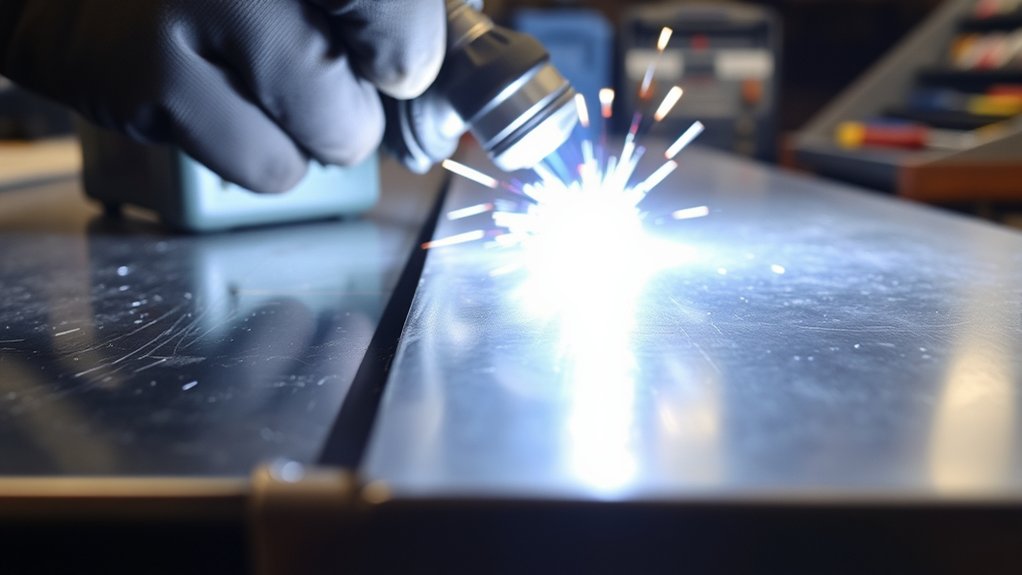
Weld undercut occurs when a groove or depression appears along the weld toe or root. This defect can reduce the strength of your welded joint because the edge lacks enough filler metal. It also creates a sharp transition where stress can collect.
You should treat undercut as more than a cosmetic flaw. It can lower load-bearing strength, increase crack risk, and make corrosion more likely in exposed areas. The risk grows when the joint carries vibration, impact, or repeated stress.
Wrong welding parameters, such as excessive heat, fast travel speed, and poor electrode angles, can disrupt proper fusion. Many welding standards limit acceptable undercut depth, and some work may reject deeper grooves. You should check the project code, drawing, or welding procedure before you decide whether a weld can pass. Understanding the common causes of undercut can further help you prevent this issue.
Common Causes of Weld Undercut
Weld undercut often comes from a mix of technique, machine settings, and joint condition. You can prevent many cases by slowing down, keeping a stable arc, and preparing the metal well. These causes usually show up together, so you should inspect the full welding setup before making a repair.
Proper bead shape also helps reduce undercut because it creates a smoother transition at the weld toe. You can learn more about proper bead profiles when you need to troubleshoot common MIG welding defects.
Incorrect Welding Technique
Poor welding technique can create undercut at the weld toe. Excessive weaving, fast travel speed, and a long arc can pull heat away from the filler deposit. The weld then melts the edge but does not refill it.
A poor electrode angle can also push molten metal away from the joint edge. That makes the bead narrow, uneven, or washed out. To improve results, keep your arc length short and hold a steady angle that matches your welding process.
Inadequate Heat Input
Heat input must match the metal thickness, joint type, and welding process. Too little heat can stop proper fusion, while too much heat can melt the edge and leave a groove. You need enough heat to fuse the joint without burning away the weld toe.
- Fast travel speed can stop filler metal from melting and filling the weld toe.
- Long arc length can spread heat unevenly and create poor bead control.
- Low amperage can limit fusion and leave the joint edge poorly filled.
Improper Joint Preparation
Joint preparation affects how well the weld metal fuses with the base metal. Sharp bevels, dirty surfaces, poor fit-up, and uneven gaps can all increase undercut risk. Oil, rust, paint, and mill scale can also block stable fusion.
Use consistent preparation before you start welding. Clean the joint, align the parts, and check the bevel shape. Small setup errors often become visible defects after welding.
| Factor | Impact on Weld Undercut | Prevention Methods |
|---|---|---|
| Edge preparation | Can hinder fusion | Maintain uniform bevel angles |
| Surface contaminants | Can block heat transfer | Clean the joint thoroughly |
| Joint alignment | Can cause uneven heat distribution | Use proper fit-up |
| Surface imperfections | Can reduce weld quality | Remove mill scale and rough edges |
Welding Parameters That Cause Undercutting
You need to understand the welding parameters that contribute to undercutting. A small setting change can change bead shape, penetration, and weld toe fill. Watch these three settings closely:
- Travel Speed: Fast travel speed gives the filler metal less time to fill the weld joint, which can leave grooves along the edge.
- Arc Voltage: Excessive arc voltage can widen the arc and melt too much base metal at the weld edge.
- Electrode Angle: A poor electrode angle can push molten metal away from the weld toe and reduce fusion at the edge. Proper stick-out length also helps maintain arc stability and reduce undercutting.
Pro tip: Change only one setting at a time when you test welds, so you can see what fixed the undercut.
Products Worth Considering
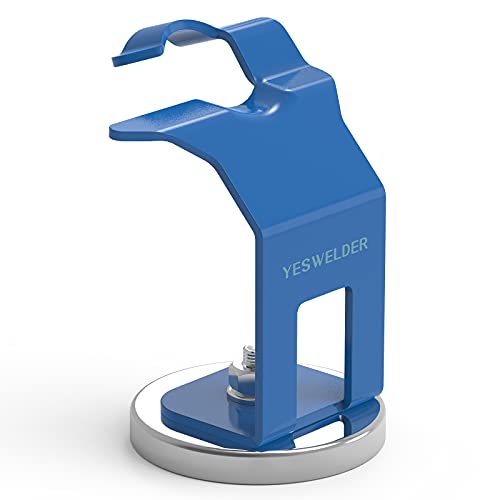
Durable Welding Gun Holder: This steel welding torch holder weighs 1.7lb with simple overall shape. It shows durable blue paint finish, and the base is electroplated and polished to reduce the surface roughness and look bright and smooth.

Reliable Material: our welding helmet cover and helmet bib are made of flame retardant fabric for an extra layer of safety; These materials not only provide a greater scope of protection, minimizing the harm from welding sparks and splashes, but they also showcase high durability, ensuring that the helmet extended cover and bib will withstand your welding tasks effectively
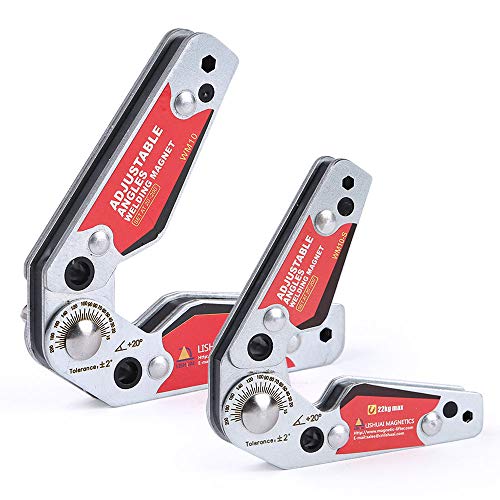
This adjustable angle magnet offer clear secale display,hold metal 25°-200° for welding and fabrication.
How Electrode Type and Shielding Gas Affect Undercutting
Your electrode and shielding gas choices affect arc stability, penetration, and filler metal control. A larger or more suitable electrode can help fill the weld edge, but only when it matches the joint and process. The wrong choice can make undercut worse by creating too much heat or poor bead control.
Shielding gas also affects how the arc behaves. Stable shielding helps protect the weld pool and supports a smoother bead. Using the correct electrode type can also improve arc stability and reduce undercut risk.
Products Worth Considering

MODEL: E7018 is a low-hydrogen iron powder type electrode that produces high quality x-ray welds. It can be used in all positions on AC or DC reverse polarity welding current.

E7018 Welding Rod: Diameter: 3/32''; Length: 14"; Weight: 10 lb.

E7018 Welding Rod: Diameter: 1/8"; Length: 14"; Weight: 10lb.
Electrode Selection Impact
Choose an electrode that matches the base metal, joint type, and welding position. Your electrode choice affects penetration depth, bead shape, and filler metal deposition. Consider these three points before you weld:
- Electrode Type: Low-hydrogen electrodes can improve control and reduce contamination risk in suitable applications.
- Electrode Angle: A proper angle helps direct heat and filler metal into the joint instead of away from the edge.
- Arc Length: A consistent arc length helps you apply heat evenly and avoid a washed-out weld toe.
Shielding Gas Role
Shielding gas affects arc stability and heat input, which both matter when you want to prevent undercut. Pure argon works well for many TIG welding tasks because it supports a stable arc and clean weld pool. In MIG welding, gas blends can change penetration, spatter, and bead shape.
Gas with higher carbon dioxide content can increase heat and penetration in some applications. That can help fusion, but it may also raise undercut risk if your travel speed or voltage runs too high. Keep the correct gas flow rate and hold the electrode in a position that protects the weld pool.
What’s the Difference Between Internal and External Undercuts?
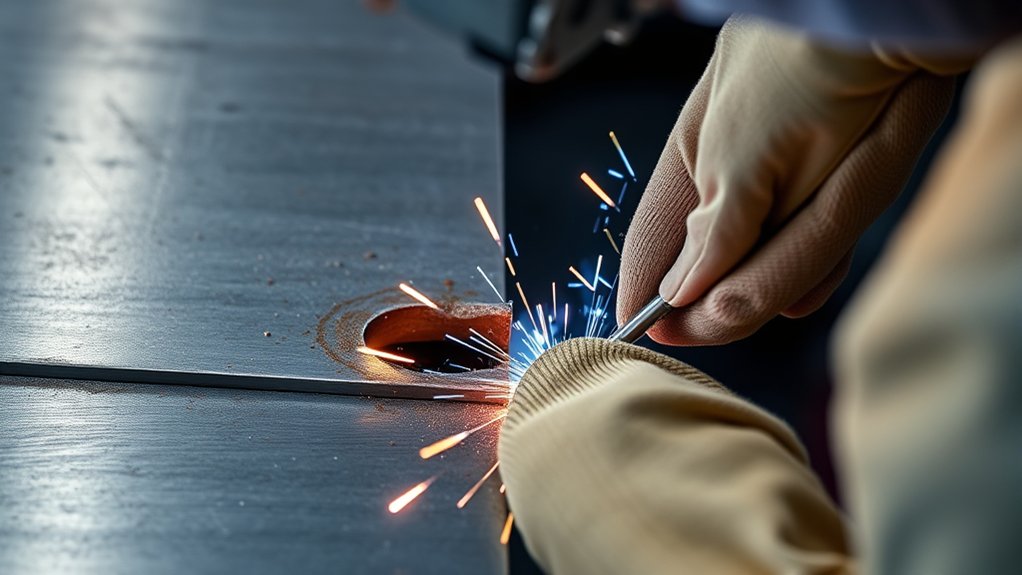
You need to know the difference between internal and external undercuts before you inspect or repair a weld. Both types can weaken a joint, but they appear in different places. One shows on the surface, while the other can hide below it.
- Location: External undercuts appear on the weld surface, often along the weld toe. Internal undercuts sit below the surface and may need testing to detect.
- Common Causes: External undercuts often come from excess heat, fast travel, or poor torch angle. Internal undercuts can come from poor joint design, lack of filler metal, or poor root control.
- Repair Techniques: You can often repair external undercuts with careful cleaning and more weld metal. Internal defects may require grinding, gouging, and re-welding after inspection.
Recognizing these differences helps you choose the right inspection method and repair plan. Each type needs attention because hidden defects can cause problems later. Strong flux core welding techniques can help you control heat and prevent these issues.
Effective Techniques to Prevent Weld Undercut
To prevent weld undercut, start with your welding parameters. Keep travel speed steady, use the correct voltage, and avoid excess heat at the weld toe. These changes help the filler metal fill the joint instead of leaving a groove.
Joint preparation also plays a major role. Clean the metal, remove rust or paint, and bevel the edges when the joint design requires it. Good fit-up helps heat and filler metal flow evenly into the joint.
Practice your welding technique on scrap material before working on the final joint. Test stringer beads and controlled weave patterns so you can see which method fills the weld toe best. Regularly testing on scrap material can help you fine-tune settings and improve weld quality.
Warning: Do not grind deep undercut from a critical joint unless you know the repair procedure and acceptance limits.
How to Detect Weld Undercut Early?
You can detect weld undercut early by inspecting the bead before the job moves forward. Look for grooves, sharp edges, or uneven lines along the weld toe. Early detection helps you fix small issues before they turn into larger defects.
- Visual Inspections: Check the weld bead edges for grooves or depressions, especially on fillet and butt joints.
- Dimensional Inspection Tools: Use tools such as a V-WAC gauge or bridge cam gauge to measure groove depth.
- Nondestructive Testing: Use dye penetrant, magnetic particle, ultrasonic, or other suitable testing methods when surface inspection does not give enough information.
You can also watch heat control during the weld. Thermal checks and weld pool observation can show uneven heat before the bead cools. Proper amperage settings help prevent undercut by supporting stable penetration and bead shape.
Repairing Weld Undercut: Options and Best Practices
You should repair weld undercut based on depth, location, and service requirements. Shallow external undercut may only need cleaning and another controlled weld pass. Deeper defects may need grinding or gouging before you add new weld metal.
Internal undercut usually needs a more careful repair plan. You may need to remove the defect, inspect the area, and re-weld it with a compatible filler metal. Excessive grinding can reduce joint strength, so do not remove more metal than the repair requires.
After repair, inspect the weld again with the method your project requires. Visual checks, gauges, and nondestructive testing can confirm whether the repaired area meets the acceptance limit. Understanding flux core welding techniques can also improve your ability to prevent and repair undercuts.
Note: Acceptance limits can change by code, material, joint type, and service condition.
Frequently Asked Questions
How Do I Stop Undercut on My Welds?
To stop undercut on your welds, first slow your travel speed and shorten your arc length. Then adjust heat, keep the correct electrode angle, and clean the joint before welding. These steps help filler metal fill the weld toe instead of leaving a groove.
Can You Weld Over Undercut?
You can weld over some external undercut after you clean and inspect the area. Do not cover deep or critical defects without removing damaged material first. A covered defect can hide a weak point inside the joint.
What Is the Most Common Cause of Undercut in a Weld?
Fast travel speed and excess heat often cause undercut because they melt the edge without filling it. Poor electrode angle and long arc length can make the problem worse. Check your settings and technique together instead of blaming one factor.
How Deep Can Undercut Be Before It Fails Inspection?
Acceptable undercut depth depends on the welding code, material, and service use. Some projects allow only very shallow grooves, while critical work may require tighter limits. Always follow the drawing, procedure, or inspection standard for your job.
Does Undercut Always Mean the Weld Is Unsafe?
Undercut does not always mean the weld will fail, but it does mean you need to inspect it. Small surface undercut may pass in some noncritical work. Deep, sharp, or long undercut can reduce strength and needs repair.
Conclusion
Weld undercut matters because it removes support from the weld toe and creates a weak point. You can prevent most undercut by controlling travel speed, heat, arc length, electrode angle, and joint preparation. Inspect each bead before the next step, and repair defects before they become harder to correct. Careful setup and steady technique will help you produce stronger, cleaner welds.