The wrong oxyacetylene flame can damage a weld before the joint looks obviously bad. An oxidizing flame contains excess oxygen, so it has a short, sharp inner cone and reacts more aggressively with molten metal. This guide explains how to identify it, where a slight oxidizing flame may be useful, when to avoid it, and how to adjust the torch safely.
Quick Answer
An oxidizing flame forms when an oxyacetylene torch supplies more oxygen than needed for a neutral flame. It has a shorter, pointed inner cone, often a purplish tint, and a distinct hiss. It is mainly used for certain brass, bronze, and brazing procedures and should not be the default for steel.
Key Takeaways
- An oxidizing flame has excess oxygen and a short, pointed inner cone.
- A slight oxidizing setting may be specified for some brazing, brass, or bronze work.
- Most mild-steel welding uses a neutral flame because excess oxygen can form oxides and weaken the joint.
- Set the correct gas pressures for the tip first, establish neutral, and add oxygen only in small steps.
- Stop for popping, flashback, heavy sparking, foaming, or an unstable puddle.
At a Glance
| Time Required | About 2–5 minutes after the torch system is inspected and set up |
| Difficulty | Intermediate; supervised practice is recommended |
| Tools Needed | Approved oxyacetylene outfit, correct tip, spark lighter, leak-test solution, PPE, and ventilation |
| Cost | No special added cost beyond the correct torch equipment, gases, consumables, and safety gear |
What Exactly Is an Oxidizing Flame in Welding?
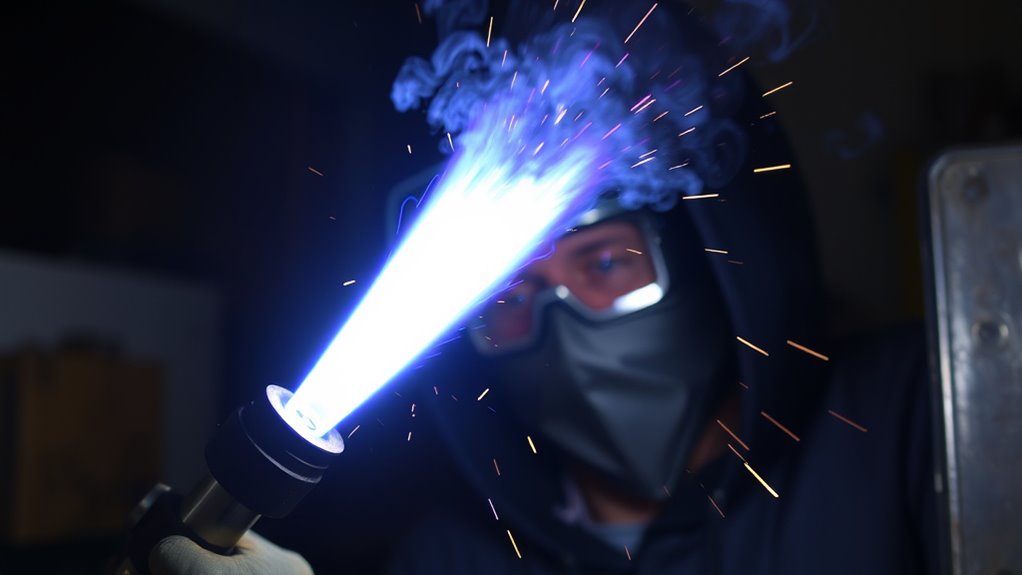
An oxidizing flame forms when the torch mixture contains more oxygen than the neutral-flame setting. The excess oxygen changes the flame’s shape, sound, and chemical effect on the workpiece.
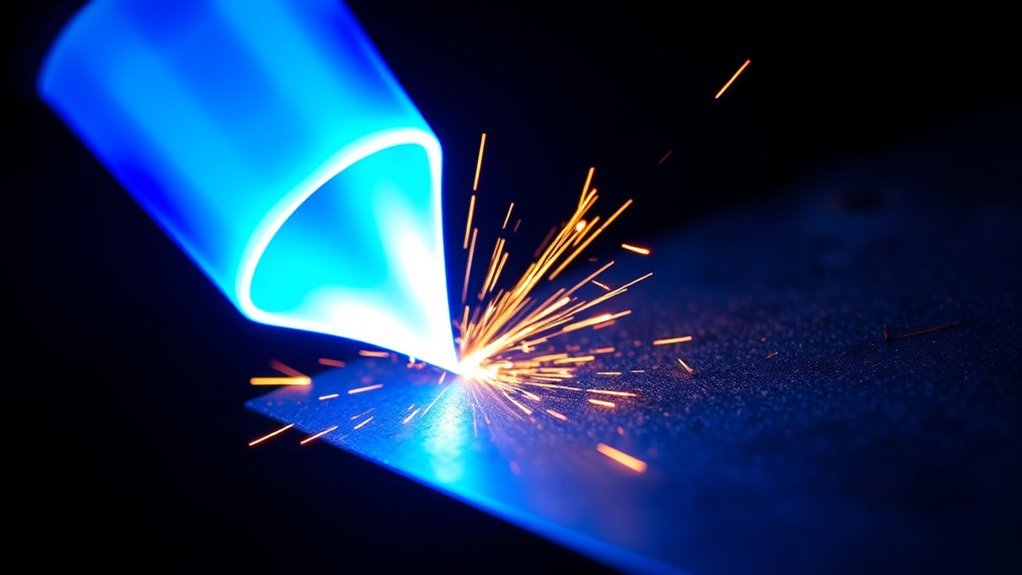
The clearest visual sign is a shorter, more pointed inner cone. It may look slightly purplish, and the torch usually develops a distinct hiss. U.S. government welding manuals describe those features as the main way to tell an oxidizing flame from a neutral one.
Oxyacetylene flames are extremely hot. A historical U.S. government training reference places typical flame temperatures at about 5,700°F to 6,300°F. The exact temperature depends on the gas mixture and where it is measured. Tip size mainly changes the total heat available, not just the peak temperature.
The word oxidizing describes the flame’s chemical action. It does not mean that more oxygen is always better. On many metals, excess oxygen forms oxides in the puddle and can cause foaming, sparking, porosity, poor wetting, or loss of ductility.
An oxidizing flame is a process-specific setting, not a hotter default for general welding.
What Are the Characteristics of an Oxidizing Flame?
An oxidizing flame has excess oxygen, a tight cone, concentrated heat, and a more reactive effect on molten metal. You should judge it by several signs together rather than by color alone.
Flame Composition and Structure
A neutral oxyacetylene flame is reached when the visible acetylene feather disappears. Adding more oxygen after that point shortens and sharpens the inner cone. The outer envelope remains blue, but the flame looks tighter and more forceful.
A carburizing or reducing flame moves in the opposite direction. It contains excess acetylene and shows a visible feather around the inner cone. That feather is absent from a correctly adjusted neutral or oxidizing flame.
Temperature and Combustion Rate
The oxidizing setting produces a fast reaction and concentrated heat near the cone tip. It is often described as slightly hotter than a neutral flame, but the practical difference depends on the torch, tip, flow rate, and measuring point.
Do not choose this flame only because it seems hotter. Select the proper tip size and the flame type required by the base metal, filler metal, flux, and written procedure.
What the Weld Puddle Tells You
The puddle often gives a more useful warning than the flame alone. A setting may be too oxidizing when the molten metal:
- sparks or foams more than expected;
- develops a heavy oxide skin;
- fails to wet the joint smoothly;
- looks turbulent or unusually grainy; or
- produces a brittle, porous, or rough deposit after cooling.
These signs can also come from contamination, the wrong filler or flux, poor fit-up, or incorrect heat input. Stop and correct the cause instead of adding more gas.
Applications and Limitations
A slight oxidizing flame may be specified for certain brazing operations, while a stronger oxidizing flame has historically been used for fusion welding some brass and bronze alloys. The exact setting depends on the alloy and procedure.
It is generally a poor choice for mild steel and many other ferrous metals. Excess oxygen can react with the molten metal and increase oxide formation. It should also not be treated as a universal setting for copper alloys; pure copper and different copper alloys may require different flame conditions.
Warning: Do not use an oxidizing flame on steel unless a qualified welding procedure or manufacturer instruction specifically requires it. Excess oxygen can create oxides and reduce weld quality.
How Does an Oxidizing Flame Differ From Other Flame Types?
The three commonly taught oxyacetylene flame settings are neutral, carburizing or reducing, and oxidizing. Their gas balance changes both the flame appearance and its effect on metal.
Products Worth Considering

Powerful Flame Temperature Heat up to 5252°F (2900°C)
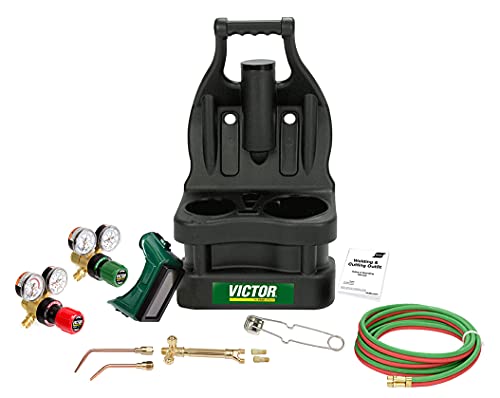
The Portable Tote from Victor features a molded, plastic carrying case with an ergonomic handle and balanced design for easy carrying.

Complete Kit: Ideal for HVAC & Light Duty Brazing - Designed specifically for light-duty brazing and welding jobs, this kit is your go-to tool for HVAC repairs, metal crafts, and other precision tasks. Its portable design is perfect for on-the-go professionals
Flame Characteristics Comparison
| Flame Type | Gas Balance | Visual and Sound Clues | Typical Use |
|---|---|---|---|
| Neutral | Balanced visible setting | Clear inner cone; no acetylene feather | Most general oxyacetylene welding, including mild steel |
| Carburizing or reducing | Excess acetylene | Visible feather beyond the inner cone; softer sound | Selected alloy, hardfacing, heating, or manufacturer-specified work |
| Oxidizing | Excess oxygen | Short, pointed cone; possible purplish tint; distinct hiss | Certain brass, bronze, and brazing procedures |
Applications and Suitability
A neutral flame is the normal starting point because it has the least intentional chemical effect on the work. An oxidizing flame is narrower in purpose and should be used only when the process instructions call for it.
A carburizing flame is not simply the “safe opposite” of an oxidizing flame. Excess acetylene can add carbon or soot and may also harm the weld. The correct choice comes from the alloy, filler, flux, joint design, and approved procedure.
When Is an Oxidizing Flame Most Effective for Welding?
An oxidizing flame is most useful when a proven procedure needs controlled excess oxygen. Common examples include:
- Some brass fusion welding: A controlled oxidizing setting may help reduce zinc loss at the surface by forming an oxide film, but brass composition varies and zinc fumes remain a serious ventilation concern.
- Some bronze welding: Older technical manuals describe stronger oxidizing settings for selected brass and bronze fusion-welding work.
- Bronze welding or brazing: A slightly oxidizing flame is used in some traditional procedures involving bronze filler and properly matched flux.
- Procedure-specific heating: A short cone can concentrate heat, but only when the equipment maker and process instructions allow that flame.
Do not generalize these uses to every copper-base alloy. Pure copper, silicon bronze, aluminum bronze, nickel bronze, and different brasses can respond differently. Follow the filler-metal data sheet, flux instructions, base-metal guidance, and qualified welding procedure.
Note: Brazing melts the filler metal without melting the base metal. Fusion welding melts the joint edges. The same flame description does not automatically mean the same technique or filler.
Specific Benefits and Drawbacks of Using Oxidizing Flames
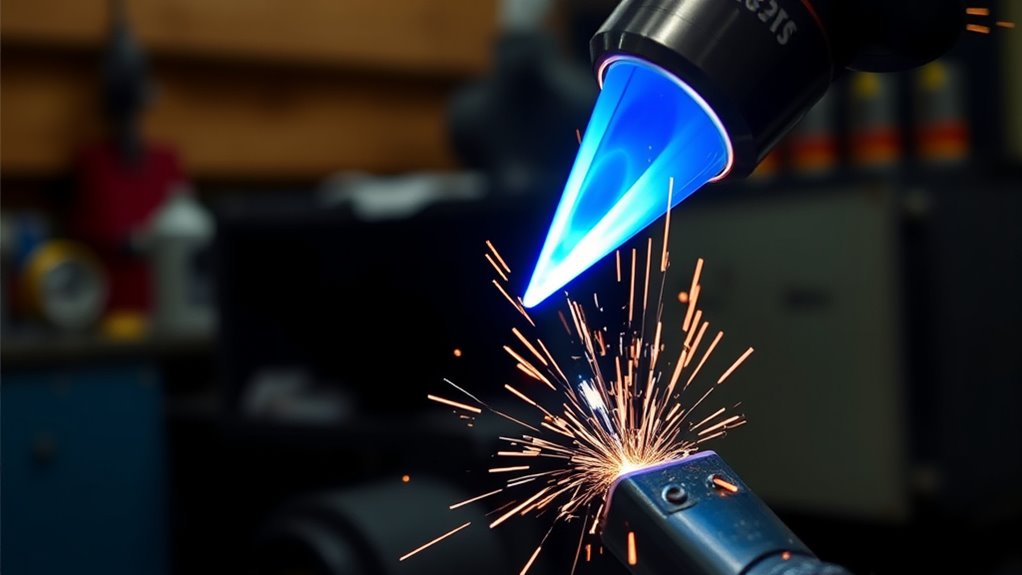
Using an oxidizing flame offers concentrated heat and a clear, short cone, but it also increases the chance of unwanted oxidation. The setting only becomes a benefit when it matches the material and written procedure.
| Potential Benefit | Main Drawback | Best Fit |
|---|---|---|
| Short cone for localized heat placement | Easy to overshoot into heavy oxidation | Procedure-specific brass or bronze work |
| May support selected bronze-filler brazing methods | Can create oxide, foam, sparks, and poor wetting | Slightly oxidizing, flux-controlled brazing procedures |
| Distinct flame shape helps trained operators identify the setting | Poor fit for most mild-steel welding | Work backed by manufacturer or qualified procedure guidance |
For general steel welding, a neutral flame normally gives better control and fewer chemical changes. If the only goal is more heat, choose the correct tip size rather than turning the flame strongly oxidizing.
How Do You Adjust Your Torch for an Oxidizing Flame?
Achieving a controlled oxidizing flame requires a sound torch setup and small valve changes. Never guess at regulator pressures. Use the pressure chart or manual for the exact torch, tip, hose length, and job.
- Inspect the system: Check cylinders, regulators, hoses, connections, torch valves, tip condition, check valves, and flashback arrestors. Leak-test connections with an approved solution before lighting.
- Set the specified pressures: Use the torch manufacturer’s instructions for the selected tip. Do not increase pressure just to force a different flame shape.
- Light the torch correctly: Use a spark lighter and follow the manufacturer’s lighting sequence. Never use matches or a cigarette lighter.
- Establish a neutral flame: Adjust the gases until the acetylene feather just disappears and the inner cone is clear and stable.
- Add oxygen slowly: Open the torch oxygen valve in very small steps. The inner cone should shorten and sharpen, and a slight hiss may develop.
- Use only the required degree: Stop at the slight or stronger oxidizing setting called for by the procedure. Do not keep adding oxygen because the flame sounds powerful.
- Test and observe: Watch the flame, puddle, filler behavior, and surface. Stop if you see heavy oxide, foaming, unusual sparks, poor wetting, popping, or instability.
Pro Tip: Approach the oxidizing setting from a known neutral flame. Small oxygen changes are easier to control than trying to correct a strongly oxidizing flame while the metal is already molten.
Products Worth Considering

Complete Kit: Medium-Duty Cutting & Welding - This versatile Oxy Acetylene Torch Kit is built for medium-duty projects. Achieve clean cuts up to 6 inches and precise welding/brazing on materials up to 1/2 inch thick with the appropriate tips

Gas Regulator: Acetylene Connector (CGA-510, excludes MC/B sizes) & Oxygen Connector (CGA-540). Please check the gas regulator connector before purchase

High-Quality:The Oxygen Acetylene Torch Welding and Cutting Kit is made of high quality stainless steel and brass for durability. This oxygen & acetylene torch kit comes complete with hoses, welding and cutting torches, goggles, tip cleaner and spark igniter, and more A 17-piece professional-grade portable oxygen acetylene oxy welding cutting torch kit that includes everything you need to weld or cut accurately,allowing you to cut, weld, braze, and fuse accurately and efficiently!
What Safety Steps Should You Follow With an Oxidizing Flame?
Oxyacetylene equipment can cause fire, explosion, burns, eye injury, and hazardous fume exposure. Operators should be trained in the equipment and process before working without supervision. OSHA requires workers responsible for oxygen-fuel systems to be instructed and judged competent.
- Wear the right eye protection: OSHA lists shade 3 or 4 for torch brazing, 4 or 5 for light gas welding, 5 or 6 for medium gas welding, and 6 or 8 for heavy gas welding. Use the shade and face protection required by the job and workplace assessment.
- Protect skin and clothing: Wear flame-resistant clothing, welding gloves, suitable footwear, and face protection. Keep synthetic clothing and exposed skin away from sparks and hot metal.
- Control fumes: Use local exhaust or effective ventilation. Brass and zinc-bearing materials can produce zinc oxide fume, and coatings, paint, plating, oil, or solvents may add other hazards.
- Keep oxygen equipment clean: Never allow oil or grease on oxygen valves, regulators, fittings, gloves, or tools.
- Secure and separate cylinders: Keep cylinders upright, protected from damage, and stored or handled according to applicable rules.
- Use safety devices correctly: Reverse-flow check valves reduce backflow risk, while flashback arrestors are designed to stop a flame traveling into the gas system. Use devices approved for the torch and required flow.
- Keep fire controls ready: Remove combustibles, shield nearby materials, and follow hot-work permit and fire-watch rules when they apply.
Warning: In U.S. workplaces, OSHA prohibits using acetylene above 15 psig. Do not use a generic internet pressure setting; follow the approved equipment manual and workplace procedure.
Note: Oxygen is not fuel, but it makes other materials burn much faster. Never use oxygen to ventilate a space, blow dust, cool yourself, or clean clothing.
Common Mistakes to Avoid With Oxidizing Flames
Small setup errors can change weld quality and create serious hazards. Avoid these common mistakes.
Adding Too Much Oxygen
An excessively short cone, harsh hiss, heavy oxide, foaming, or repeated sparking can mean the flame is too oxidizing. Move away from the work, reset to neutral, and approach the required setting again.
Using the Flame on the Wrong Metal
Do not assume “copper-base” means every copper alloy. Brass, bronze, pure copper, silicon bronze, and aluminum bronze can require different techniques. Identify the alloy and match the filler, flux, and flame to the procedure.
Ignoring Popping, Backfire, or Flashback
A pop may come from a hot or dirty tip, tip contact with the work, incorrect pressure, restricted flow, or a damaged setup. A flashback is more serious because the flame travels backward into the torch or gas system.
If you hear sustained hissing, whistling, repeated popping, or a sound inside the torch, stop immediately and follow the manufacturer’s emergency shutdown procedure. Allow the equipment to cool, inspect it, and do not relight until the cause is corrected.
Watching Only the Flame
The puddle, filler flow, joint edges, and cooled deposit all matter. Poor wetting, inconsistent penetration, porosity, rough oxide, and brittleness may point to the wrong flame or another process problem.
Changing Valves Instead of the Tip
If the job needs more total heat, use the correct tip size and manufacturer settings. Forcing excess gas through the wrong tip can make the flame unstable and increase backfire risk.
Frequently Asked Questions
What causes an oxidizing flame?
An oxidizing flame forms when the torch mixture contains more oxygen than the neutral setting. The inner cone becomes shorter and sharper, and the flame usually develops a more noticeable hiss.
What are the three main oxyacetylene flame types?
The three main settings are neutral, carburizing or reducing, and oxidizing. Neutral has no visible acetylene feather, carburizing has excess acetylene and a feather, and oxidizing has excess oxygen with a short, pointed cone.
What is the difference between neutral and oxidizing flames?
A neutral flame is the normal starting point and has little intended chemical effect on the metal. An oxidizing flame contains excess oxygen, has a shorter cone, and can form oxides in the molten metal.
Can you use an oxidizing flame on mild steel?
You should usually avoid it. Mild-steel oxyacetylene welding normally uses a neutral flame because excess oxygen can increase oxide formation and reduce weld quality.
Can you use an oxidizing flame on copper?
Do not use one rule for all copper and copper alloys. Some brass and bronze procedures use an oxidizing flame, while pure copper and other alloys may require neutral or different conditions. Follow the alloy and filler-metal instructions.
Is an oxidizing flame hotter than a neutral flame?
It can have a slightly higher and more concentrated peak temperature, but the practical heat delivered also depends on tip size and gas flow. Do not use an oxidizing flame merely to get more heat.
How can you tell if the flame is too oxidizing?
The cone may become extremely short and sharp, the hiss may turn harsh, and the puddle may spark, foam, oxidize heavily, or wet poorly. Reset the flame and inspect the process before continuing.
What should you do if the torch pops or whistles?
Stop work and follow the torch manufacturer’s shutdown procedure. Let the equipment cool and inspect the tip, pressures, gas flow, hoses, safety devices, and connections before relighting.
Sources
- U.S. War Department, The Blacksmith and the Welder — flame appearance, adjustment, and traditional brass, bronze, and brazing uses.
- U.S. Government report on oxygen-acetylene welding and brazing — flame temperature range, foaming, sparking, oxide formation, and slightly oxidizing brazing guidance.
- OSHA 29 CFR 1910.253 — oxygen-fuel equipment requirements and the 15 psig acetylene limit.
- OSHA 29 CFR 1910.252 — eye protection, protective clothing, ventilation, and oxygen-use rules.
- OSHA, Controlling Hazardous Fume and Gases During Welding — welding-fume hazards and exposure controls.
- ESAB, Check Valves vs. Flashback Arrestors — the different safety functions of reverse-flow check valves and flashback arrestors.
Conclusion
Mastering the oxidizing flame means knowing its limits. Look for the short, pointed cone and clear hiss, but also watch how the puddle reacts. Use this setting only for a compatible brass, bronze, brazing, or other approved procedure. For most steel welding, start with a neutral flame, use the correct tip, follow the equipment manual, and stop when the flame or puddle becomes unstable.