You use argon for TIG welding automotive parts because this inert shielding gas keeps oxygen and contamination away from the weld pool. That gives you a stable arc, precise heat control, and clean welds on thin sheet metal, aluminum, and magnesium. Argon also helps reduce porosity, spatter, and rework, so you can improve speed and consistency in production.
Quick Answer
Argon works well for automotive TIG welding because it shields the molten weld from oxygen and nitrogen. It keeps the arc stable, supports precise heat control, and helps you make clean welds on thin and lightweight car parts.
Key Takeaways
- Use 100% argon for most automotive TIG welding jobs.
- Set flow based on cup size, joint access, and draft conditions.
- Keep the torch, tungsten, hoses, and fittings clean to prevent defects.
- Avoid carbon dioxide blends for TIG because they can hurt weld quality.
- Use a gas lens when you need smoother shielding and better arc control.
What Makes Argon Ideal for Automotive TIG Welding
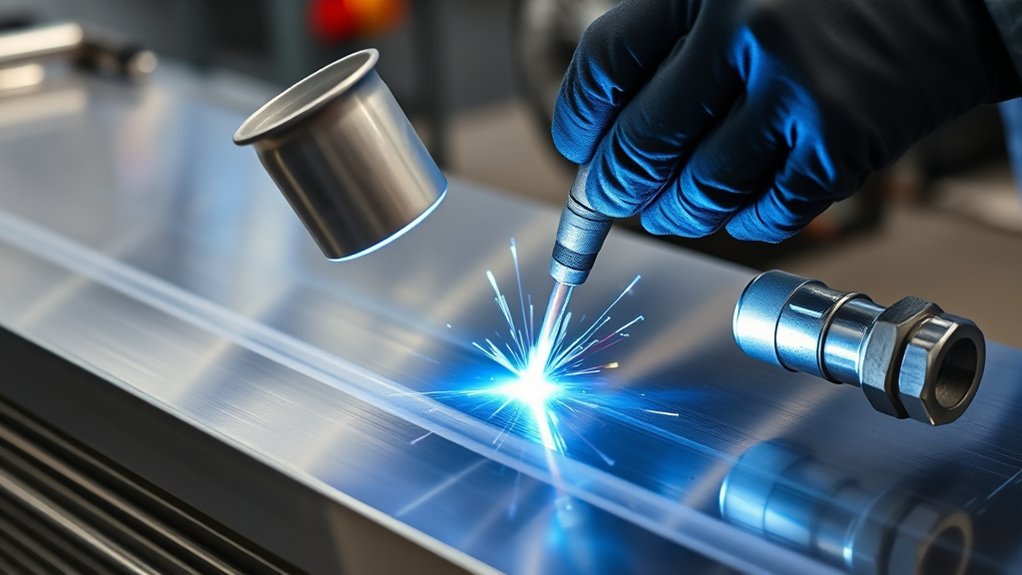
Argon works well for automotive TIG welding because it acts as an inert, non-reactive shielding gas. It helps prevent oxidation and contamination while you keep the arc steady.
You also get consistent heat control, which matters when you weld thin panels and tight joints. In tungsten inert gas (TIG) welding, argon supports a focused arc, so you can place heat where the joint needs it.
Clean shielding lowers porosity and helps reduce weak joints on chassis parts, brackets, and engine components. You also get smooth, uniform seams that look professional and hold up under service.
For many TIG jobs, argon flow often falls between 10 and 35 cubic feet per hour (cfh). That range helps you maintain coverage without wasting gas, but your setup still controls the final setting. Argon’s ability to reduce porosity in welds helps your final weld look cleaner and perform better.
Products Worth Considering

Compatible with CGA-580 tanks: Easily attach this Gas Pressure Regulator/Flowmeter to your Argon, Helium, and CO2 tanks with its CGA-580 inlet connector
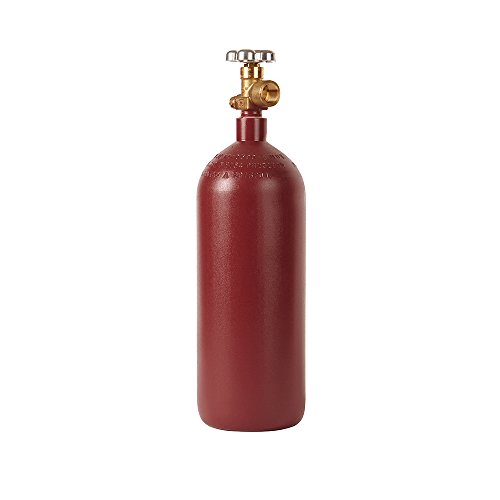
20 CU FT ARGON CYLINDER - Compact steel argon tank perfect for TIG welding, MIG welding, and hobby/small shop fabrication. 2015 PSI service pressure. Ultra-portable with 5.25" diameter x 18" height, 13.67 lb tare weight. Ideal for mobile welders, small shops, automotive repair, and DIY metalworking projects

60 CU FT ARGON CAPACITY - Mid-size cylinder for welding, metal fabrication, and more. Balances generous capacity with portability at 29 lbs for professional welders, fabrication shops, and mobile repair
Why TIG Welding Works for Car Parts
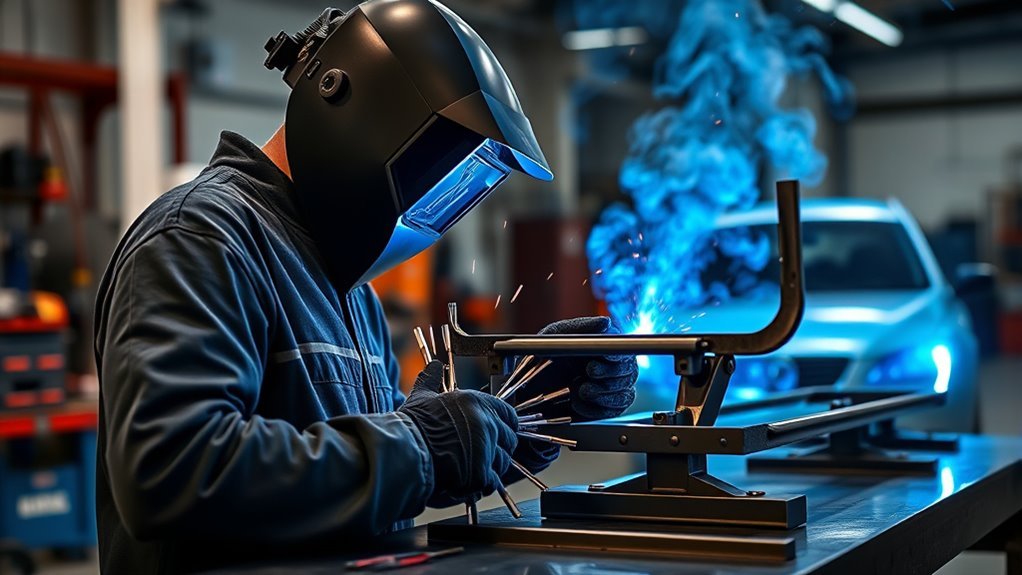
TIG welding works well for car parts because it gives you precise control over heat input. You can weld thin automotive materials with less warping when you control amperage, travel speed, and torch angle.
Argon shielding protects the weld pool from oxidation and contamination, so the joint stays clean and sharp. That matters when you work on exposed panels, trim, and parts that need a neat finish.
TIG uses a non-consumable tungsten electrode, which helps you create controlled welds on critical chassis and engine components. The process also works well on aluminum and magnesium when you choose the right machine settings and filler material.
Argon’s stable arc cuts spatter and cleanup. Careful heat input management also helps you prevent distortion and protect weld integrity.
Where Argon Welding Is Used in Cars
That same control makes argon shielding useful across many car systems. In TIG welding, you use argon on engine parts, chassis sections, exhaust assemblies, brackets, tanks, and custom fabrication work.
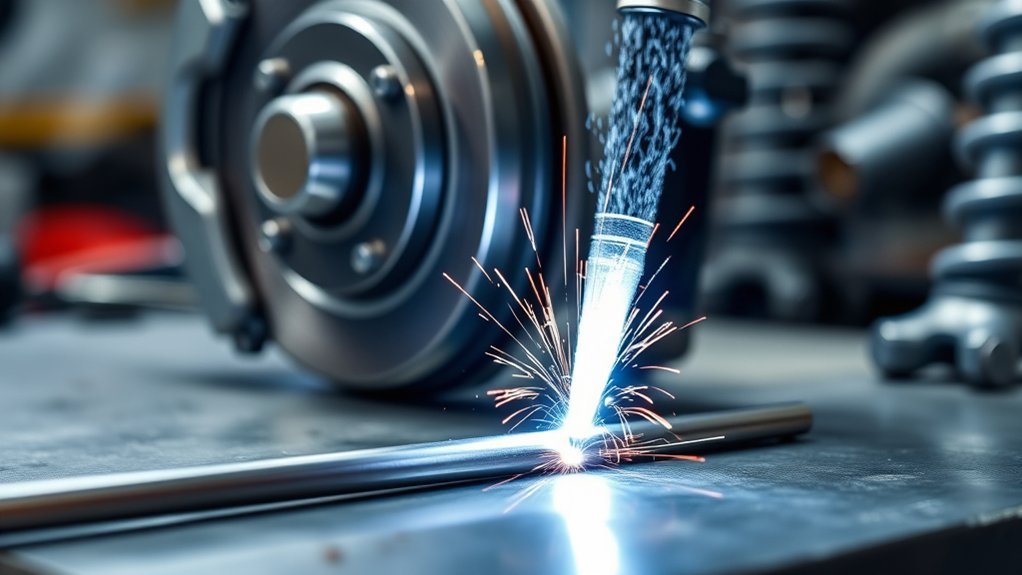
Heat, vibration, and pressure make clean joints important in these areas. Brake-related parts need extra care because failure can create serious safety risks.
For exterior structures, argon helps you produce clean seams with a finish that looks as solid as it performs. You may also use TIG on aluminum and magnesium parts when weight reduction matters.
Manufacturers and repair shops choose TIG when they need precision, strength, and visual consistency. The process can take more skill than MIG welding, but it gives you strong control over the weld pool.
Warning: Do not weld safety-critical automotive parts unless you have the right training, procedure, and inspection plan.
Products Worth Considering

Application: This Gas Pressure Regulator/Flowmeter Can Be Used with Argon, Helium and CO2 Gas tanks.

APPLICATION: The ARCCAPTAIN gas pressure regulator can be used with argon, helium, and carbon dioxide gas tanks.
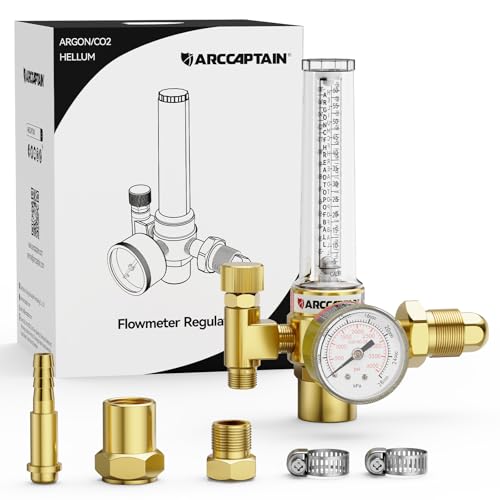
APPLICATION: The ARCCAPTAIN gas pressure regulator can be used with argon, helium, and carbon dioxide gas tanks.
How to Choose the Right Argon Mix
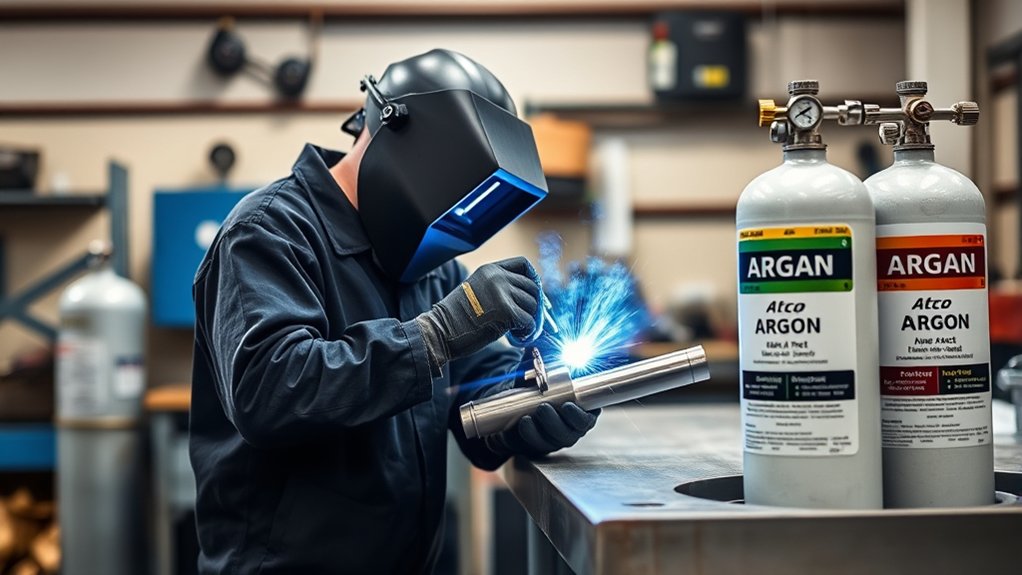
To choose the right shielding gas mix for automotive TIG welding, start with 100% argon in most cases. It gives you a stable arc and works well on aluminum, stainless steel, and carbon steel.
You’ll get clean starts and controlled puddle behavior without extra complexity. Avoid the common metal inert gas (MIG) blend of 75% argon and 25% carbon dioxide for TIG welding.
Carbon dioxide can raise oxidation risk and reduce weld quality in TIG applications. If you need more heat and faster travel on thicker parts, choose an argon-helium blend.
Helium can boost arc energy while argon keeps shielding focused and stable. Use high-purity argon for cleaner welds, and keep moisture, dirt, and oil away from the joint.
You may also use nitrogen for plasma cutting when the cutting process and material call for it. Match your gas flow rates to the job, and keep them within a stable operating window.
What Gas Flow Settings Work Best?
With the right argon mix set, your next control point is flow rate. Your gas flow settings usually sit between 10 and 35 cfh, but you must tune them to joint geometry, cup size, and shop air.
Lower flow can give better shielding because it cuts turbulence and keeps air away from the puddle. Too much flow can disturb arc stability and pull air into the shielding stream.
| Condition | Flow cfh | Result |
|---|---|---|
| Small joint | 10-15 | Stable shielding |
| Typical body part | 15-25 | Balanced coverage |
| Drafty area | 25-35 | Extra protection |
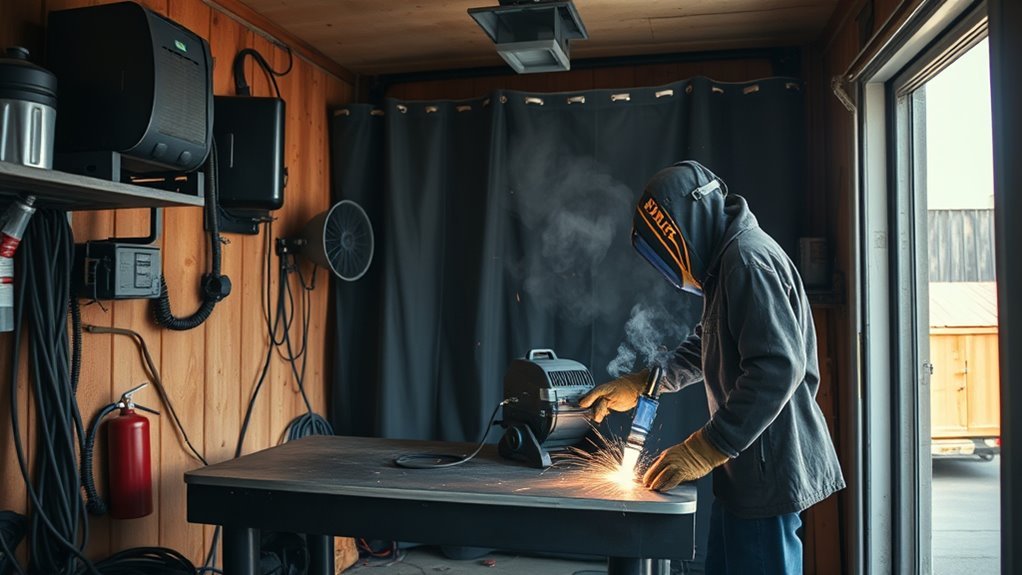
Use a gas lens when you want a smoother, more laminar stream. Keep proper ventilation in your workspace, and block drafts when they affect gas coverage.
Check and adjust flow often. Consistent monitoring keeps arc stability tight and protects your weld from contamination.
Pro tip: If the weld turns gray, sooty, or porous, check gas flow, leaks, drafts, and base-metal cleanliness first.
TIG Equipment Tips for Cleaner Welds
Set up your torch with a gas lens, tighten the collet body, and choose a tungsten diameter that fits the material thickness. This setup helps keep the arc stable and the shielding column clean.
Control argon flow at about 10 to 35 cfh, and use pre-flow and post-flow to shield the puddle during arc start and cooldown. Inspect the torch assembly often for leaks or contamination because small gas losses can hurt weld quality.
Choose the right filler rod selection for the base metal. The wrong filler can lead to cracking, poor strength, or weak corrosion resistance.
Torch and Tungsten Setup
A clean TIG bead starts at the torch. Sharpen the tungsten to a 20-30 degree point for tight arc control, and match the electrode type and diameter to the base metal and thickness.
Use a gas lens torch for smoother argon shielding. Set stick-out at about 1 to 1.5 times the electrode diameter when the joint allows it.
| Setup | Target | Result |
|---|---|---|
| Torch | Gas lens | Less turbulence |
| Tungsten electrode | Sharp 20-30 degree point | Stable arc |
| Diameter | Fit thickness | Cleaner fusion |
| Stick-out | 1-1.5x | Consistent shielding |
| Argon flow rate | 10-20 cfh | Low contamination |
For aluminum, choose a tungsten type that matches your machine, current type, and shop procedure. Keep your setup disciplined, and you’ll weld with more control, less smoke, and cleaner results.
Shielding Gas Flow Control
Dial in your shielding gas at 10 to 35 cfh to keep argon coverage steady without creating turbulence. You control shielding by matching flow to cup size, joint access, and draft conditions, not by maxing out pressure.
Use a gas lens when you can. It straightens flow, cuts turbulence, and lets you extend tungsten farther for tighter access.
Set pre-flow to purge air before arc start, and keep post-flow active until the puddle and tungsten cool. Inspect hoses, fittings, and insulators often because small leaks can ruin gas flow control and invite oxidation.
Keep lines short when practical to reduce gas surge. This disciplined setup gives you cleaner welds and more confidence on precise automotive parts.
Common Argon TIG Welding Mistakes to Avoid
Many TIG problems start with gas coverage, not the machine itself. Check these basics before you change major settings:
- Using too much flow and creating turbulence around the cup.
- Welding in a draft without blocking air movement.
- Touching the tungsten to the puddle and contaminating the electrode.
- Skipping post-flow before the tungsten cools.
- Welding over paint, oil, rust, or grinding dust.
Fixing these habits can improve bead color, arc stability, and joint strength. Clean metal and steady shielding give you the best chance of a sound weld.
How Argon Welding Speeds Automotive Production
Argon welding speeds automotive production by delivering cleaner seams that cut post-weld cleanup and rework. You use argon as a shielding gas to stabilize the arc, reduce oxidation, and improve welding performance across thin automotive parts.
That precision lets you move faster without sacrificing seam quality or structural integrity. It also helps automated or repeatable setups produce more consistent results.
- Cut cleanup time because the weld lands cleaner.
- Reduce rework because inert shielding limits defects.
- Increase travel speed when the joint and heat input allow it.
- Raise output because repeatable setups can hold tighter control.
With TIG, you can make exact welds on lightweight components, helping vehicles stay light and efficient. Faster cycles help you build more parts in less time, while stronger joints support reliability.
Argon-supported automation can also reduce labor demands on repeat parts. Plasma cutting can support TIG welding when you need accurate cuts before fit-up and welding.
Frequently Asked Questions
What Happens if You TIG Weld Without Argon?
You’ll get poor weld quality because air can contaminate the molten puddle. The weld may show porosity, oxidation, cracking, weak fusion, and rough bead shape.
What Is the Rule of 33 in TIG Welding?
The Rule of 33 gives you a rough starting point for amperage based on material thickness. Treat it as a guide, then adjust heat by joint fit-up, metal type, travel speed, and puddle response.
What Metal Is Hardest to Weld?
Titanium can challenge many welders because it reacts strongly with oxygen and nitrogen at high heat. You need clean material, tight shielding, and careful heat control to protect the joint.
What Is the Purpose of Argon Gas in TIG Welding?
Argon shields your weld pool from oxygen and nitrogen while it helps stabilize the arc. Its inert nature helps reduce defects, especially when you weld thin or sensitive automotive metals.
Can You Use MIG Gas for TIG Welding?
You should not use common MIG gas blends that contain carbon dioxide for TIG welding. Those blends can contaminate the tungsten, increase oxidation, and hurt weld quality.
Conclusion
Argon gives automotive TIG welding the clean shielding and stable arc you need for precise joints. When you weld an exhaust bracket or stainless trim piece, pure argon can reduce oxidation and improve finish quality.
Set your gas flow, torch parts, tungsten, and filler rod with care before you strike an arc. With the right setup, you’ll make cleaner welds, reduce rework, and build automotive parts with more control.