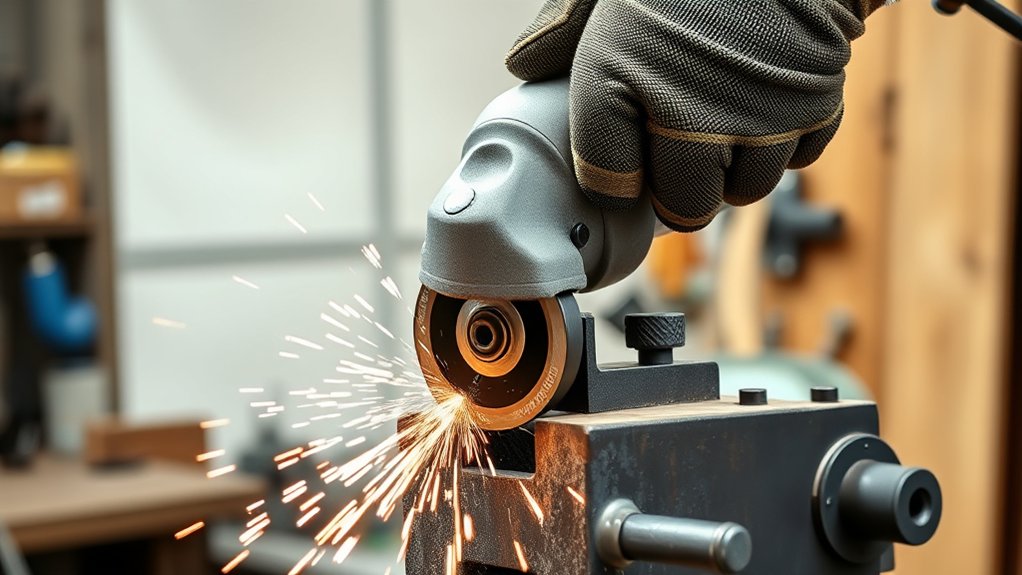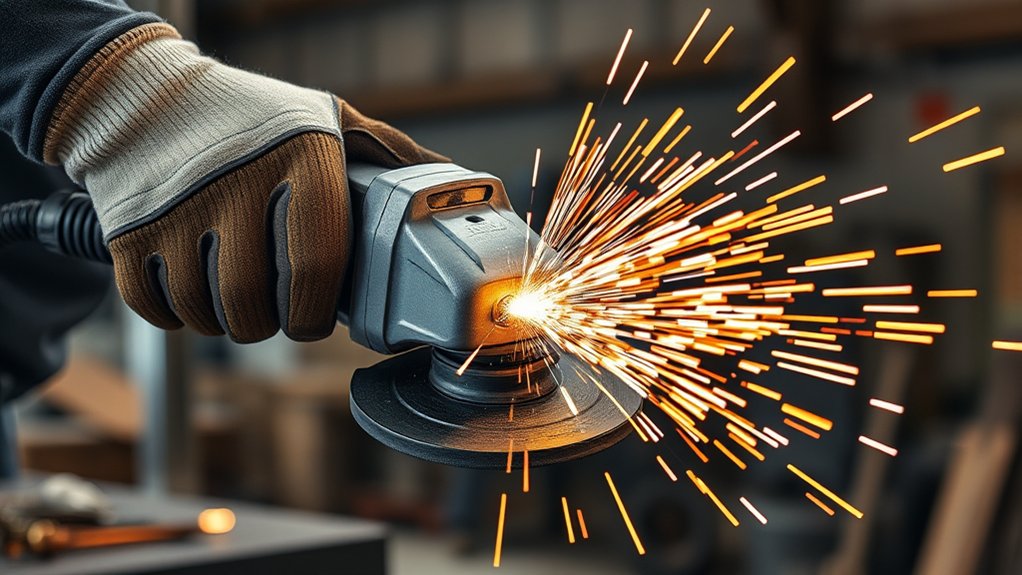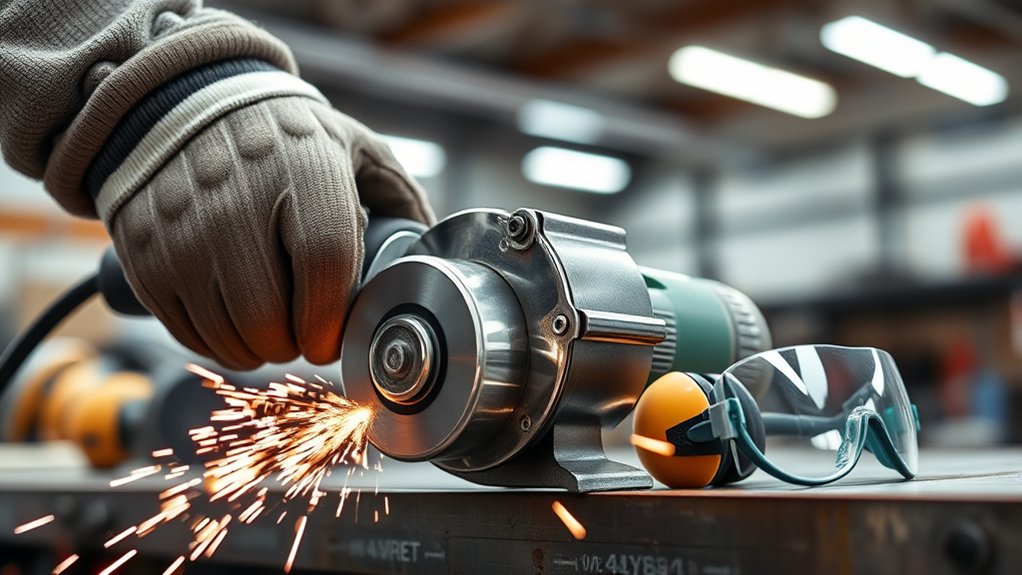
The angle grinder side handle is one of those features many people overlook, but it plays a huge role in control, stability, and safety every time you pick up the tool. It gives you a second grip point, which helps you balance the grinder and steer it more precisely, especially on tricky surfaces. A two-handed hold cuts down on slips and absorbs vibrations that could lead to accidents. It also reduces fatigue, so you can work longer without losing focus. If you want to get the most from your grinder, keep reading for best practices and practical tips.
Quick Answer
- The side handle gives you a second grip point for better balance and steering during cutting, grinding, or polishing.
- A two-handed hold reduces vibration, lowers kickback risk, and helps prevent slips.
- Ergonomic, adjustable designs cut down on hand and wrist fatigue during long jobs.
- Safety standards recommend always using both hands on an angle grinder, and the side handle makes that possible.
- Regular inspection and proper positioning of the side handle are key to safe, accurate results.
Importance of the Angle Grinder Side Handle
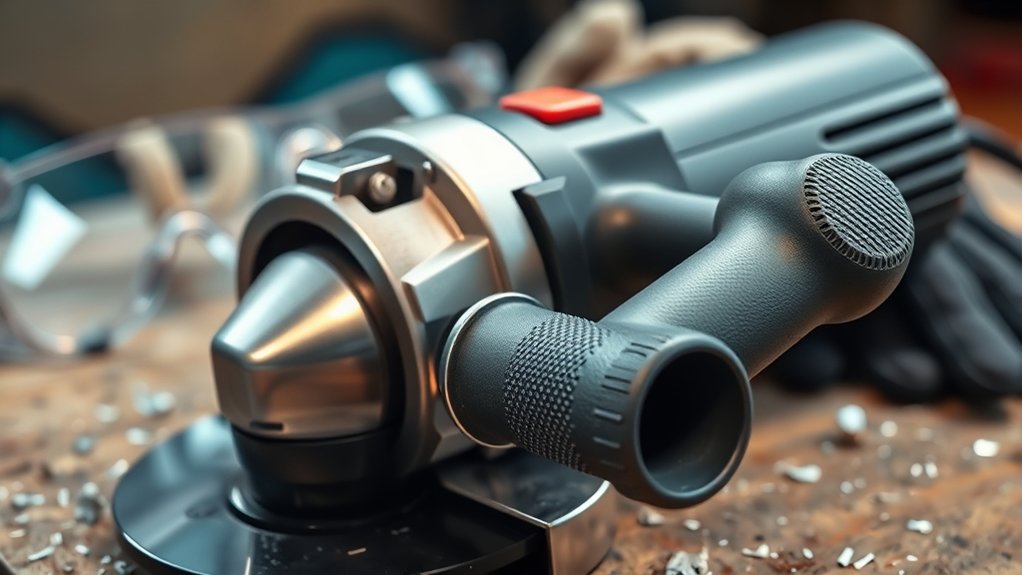
An angle grinder might seem like a simple tool, but the side handle is a big part of what makes it safe and effective. It gives you better control and a more stable grip while the grinder is running. For any kind of precision work, having both hands on the tool is critical. It sharply reduces the chance of the grinder slipping or twisting, especially during high-torque tasks.
Most side handles are shaped to fit your hand comfortably, which helps cut down on fatigue over long work sessions. Many grinder models also let you reposition the side handle to match different cutting and grinding angles, so you can stay comfortable and keep full maneuverability no matter the job. Making a habit of using the side handle means you’re working with greater safety and accuracy every time.
Products Worth Considering

Included: (1) DeWalt N421925 Side Handle

[ High Quality Materials ] Made of durable plastic and metal, providing a long service life with resistance to wear, rust, and corrosion.
How the Side Handle Keeps You Steady
Every time you fire up an angle grinder, the side handle is your main tool for staying stable and in control. This grip point is designed to help you hold the grinder firmly, even when working with heavy or awkward materials. It spreads the tool’s weight more evenly across both hands, so you’re less likely to lose your balance during detailed work.
With a solid grip on the side handle, you get much better maneuverability. That matters most when you’re working around corners or on complicated surfaces. This extra control makes your work more efficient and significantly safer. Holding the grinder with both hands, including the side handle, greatly lowers the chance of accidental slips. The side handle lets you take on projects with real confidence, freeing up your creativity without sacrificing safety or quality.
Safety Benefits of the Angle Grinder Side Handle
The side handle on an angle grinder makes a real difference to safety during operation. With it, you get better control and stability, which directly lowers the risk of accidents. It also noticeably reduces vibrations, so you can cut, grind, or polish with more precision and less danger. OSHA’s fact sheet on abrasive wheel safety highlights the importance of proper guarding and tool handling when using grinders.
| Benefit | Description | Impact on Safety |
|---|---|---|
| Enhanced Control | Two-handed operation with the side handle | Lowers risk of losing grip |
| Reduced Vibrations | Stabilizes the tool during use | Prevents accidents from kickback |
| Ergonomic Design | Customizable positioning for comfort | Reduces fatigue, increasing safety |
How the Side Handle Enhances Control During Operation
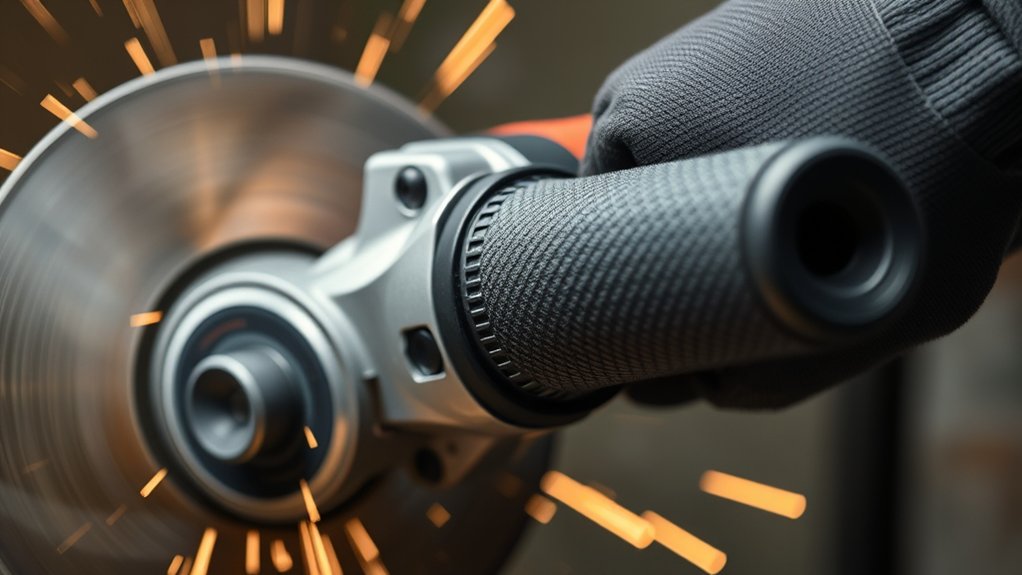
The side handle on your angle grinder noticeably improves grip stability, giving you stronger control over the tool while it’s running. This added support makes it easier to guide the grinder precisely, especially when you’re working on tough materials. Always use both hands on the grinder to keep a firm hold and reduce the risk of accidents.
Improved Grip Stability
Grip stability is essential for staying safe and in control while using an angle grinder. The side handle adds a second contact point, which strengthens your grip during cutting, grinding, or polishing. Its ergonomic design fits naturally in your hand, cutting down on fatigue so you can work longer without losing control.
A firm hold on the side handle also dampens vibrations, which helps you make more precise movements and reduces the chance of accidental slips. Using both the side handle and the main grip improves balance, particularly for heavy-duty work. The adjustable positioning lets you set the angle for maximum control, depending on your task and your workspace.
Enhanced Maneuverability Control
For precision tasks, enhanced maneuverability control is vital for both good results and safe operation. The side handle plays a key role here, helping you keep a firm grip and better overall control. Here’s how it helps:
- Adds a second contact point for better stability
- Ergonomic shape reduces vibrations and prevents fatigue
- Supports a two-handed grip for improved precision
- Adjustable positioning works for both left- and right-handed users
- Promotes smoother, more accurate cuts
With the side handle, you can handle tricky angles more confidently, reducing the risk of accidents and improving your results. Prioritize control and stability to get the best from your angle grinder.
Ergonomic Design: Reducing Fatigue With the Side Handle
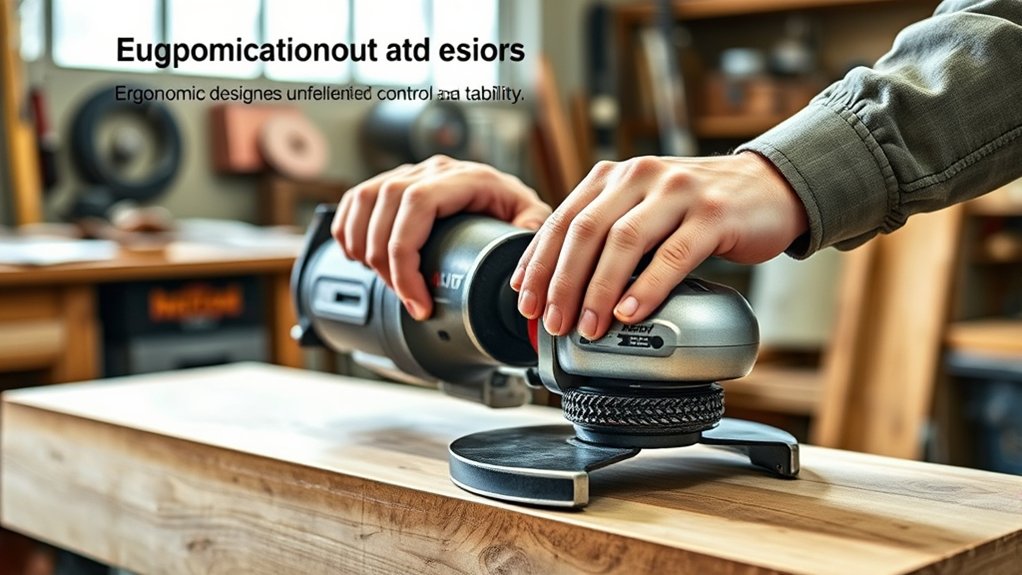
The side handle on your angle grinder can make a big difference in grip comfort, helping you keep better control during long tasks. Its ergonomic design improves handling precision and cuts down on vibration, which means less strain on your wrists and forearms. A secure grip is important for both safety and efficiency, so take full advantage of what the side handle offers.
Enhanced Grip Comfort
The side handle greatly improves grip comfort, making demanding tasks easier to manage. Its ergonomic shape fits your hand naturally, reducing strain during extended use. Here’s what the side handle does for you:
- Provides a secure grip, cutting down vibrations for better control.
- Allows a two-handed grip, improving stability on uneven surfaces.
- Adjusts to your preference, fitting a range of hand sizes.
- Distributes the grinder’s weight evenly across your hands.
- Reduces fatigue, helping you stay productive over longer work sessions.
With these features, you can work with confidence, knowing your comfort and control are covered. A well-gripped angle grinder is key to safe and effective operation.
Improved Handling Precision
Grip comfort has a direct effect on handling precision, especially for tasks that demand careful attention. The side handle is ergonomically shaped to give you a secure grip, boosting comfort and cutting down on fatigue during long sessions. A two-handed grip provides the stability and control you need for precision work.
The adjustable positioning lets you set the handle where it feels most natural, which helps minimize wrist strain. With a firm grip on the side handle, you keep maneuverability for intricate cuts and detailed grinding with better accuracy. This design builds confidence and significantly lowers the risk of repetitive strain injuries, so you can keep working without discomfort.
Reduced Vibration Impact
When you’re tackling tough grinding or cutting jobs, the side handle on your angle grinder is essential for keeping vibrations in check. Its ergonomic design improves control and stability, and it noticeably reduces fatigue during extended use. A two-handed grip distributes the tool’s weight evenly, which supports safer operation and better efficiency. Prolonged vibration exposure can also lead to hand-arm vibration syndrome (HAVS), a painful and potentially irreversible condition. The UK Health and Safety Executive (HSE) provides guidance on managing vibration risks from power tools.
- Can reduce vibration impact by up to 50%
- Improves comfort and helps prevent strain injuries
- Lets you work longer without discomfort
- Increases precision in cutting and grinding
- Supports safer handling at high speeds
Making the side handle part of your routine can spare you the discomfort of vibrations, leading to higher productivity and a much better working experience.
Grip the Side Handle for Best Control
Getting the best control from your angle grinder starts with how you hold the side handle. A firm grip here gives you more stability, particularly during heavy-duty grinding. The ergonomic shape of the handle reduces hand fatigue, so you can focus on precision without straining your hands or wrists.
Using both hands (one on the main handle, one on the side handle) provides stronger stability and reduces the chance of slipping or twisting. That’s critical for safety, since an unexpected movement can cause a serious accident. A firm grip also leads to more accurate results. The side handle isn’t just an accessory; it’s a core part of effective and safe operation. Prioritize your grip to get the most from every cut and grind.
How to Install and Position the Side Handle
Most angle grinders have threaded holes on two or three sides of the gear housing where the side handle screws in. To install, simply thread the handle into the hole that best suits your task and hand preference. Tighten it firmly by hand so it doesn’t loosen during use.
For general grinding, many users prefer the handle on the left side (if right-handed) for a natural, balanced grip. When cutting, positioning the handle on top can give you better downward control. If you’re working in a tight space, try different positions until you find the one that feels most secure and comfortable. Always check the handle is snug before starting the grinder.
Products Worth Considering

Handle length: 4.13in, thread diameter: 0.31in The handle of the angle grinder is made of premium plastic material, providing a comfortable grip Threaded side handle adopts a...
When to Choose the Side Handle Over Standard Grip?
Choose the side handle when you need extra control and stability, especially on uneven surfaces or during heavy-duty work. It noticeably improves safety by giving you a secure grip, lowering the risk of losing control. For high-speed work or when using larger discs, the side handle helps manage torque and prevents kickback, making it essential for aggressive grinding or cutting.
Enhanced Control During Operation
When you’re taking on heavy-duty tasks with an angle grinder, the side handle gives you a clear edge over a standard grip. It provides better leverage, which means more accurate cuts and greater stability. Here’s when to reach for it:
- Precision tasks that need accurate alignment
- Overhead work or awkward angles where fatigue builds fast
- Larger grinders that benefit from improved balance
- Jobs where you need to apply significant pressure
- Any operation where a two-handed hold helps you manage torque safely
Using the side handle not only sharpens your control but also lowers the risk of kickback. Reach for the side handle for a more ergonomic grip and better handling.
Improved Stability on Surfaces
On uneven surfaces or during heavy-duty tasks, the side handle can make a major difference in stability. It gives you additional leverage and control, helping you stay precise during cutting or grinding. This stable grip lowers the risk of slipping, especially during intricate movements or when fatigue starts to set in.
When you’re working in tight spaces or at awkward angles, the side handle greatly improves your control and safety, reducing kickback risks. By keeping the side handle in your grip, you get better handling and a more comfortable experience, letting you achieve professional results. Stability is the foundation of effective, safe operation.
Safety in Heavy Tasks
The side handle is essential for safety during heavy tasks, especially when working with demanding materials like metal or concrete. It boosts control and stability, making the grinder much easier to manage. Key reasons to always use the side handle:
- Better control during cutting or grinding
- Even weight distribution, reducing fatigue
- Less kickback risk thanks to a firmer hold
- Improved balance at awkward angles or on large surfaces
- Follows safety guidelines for better operational safety
What Not to Do With the Angle Grinder Side Handle?
Running an angle grinder without securing the side handle is a serious mistake. It can lead to loss of control and a much higher risk of accidents. Always use both hands. Gripping only the main handle while the side handle hangs loose compromises your stability. Never remove or adjust the side handle while the grinder is running, since that can cause a sudden shift in balance and increase kickback risk.
Avoid awkward body positions that limit the side handle’s effectiveness. Poor positioning reduces your ability to stay in control of the tool. Don’t ignore vibrations or hand discomfort either. These are signs of an improper grip or a technique that needs adjusting. Following these guidelines helps you operate your angle grinder more safely and confidently.
Maintenance Tips for the Side Handle and Angle Grinder
Skipping maintenance on your angle grinder and its side handle can create real safety problems and hurt performance. To keep control and stability at their best, follow these tips:
Proper maintenance of your angle grinder’s side handle is essential for safety and optimal performance.
- Inspect the side handle regularly for wear or damage. Make sure it’s securely attached before every use.
- Wipe the side handle with a soft cloth to remove dust and debris that can hurt your grip.
- Check screws and bolts for tightness. Loose fittings raise the risk of accidents.
- Position the side handle for comfort, allowing a firm grip that minimizes vibrations and fatigue.
- Store the angle grinder with the side handle attached in a safe, dry location to prevent damage.
Understanding the Impact of Side Handle Use on Precision and Performance
When you grip the side handle of an angle grinder, you’re doing more than just holding on. You’re significantly improving your control and precision during every operation. This ergonomically shaped feature provides an extra gripping surface, helping you keep a steady hand while working on detailed tasks. By spreading the grinder’s weight more effectively, the side handle reduces vibrations and boosts overall stability, especially on uneven surfaces.
The side handle also gives you better control over angular movements, which is key to getting accurate results and avoiding mistakes. Safety standards recommend using both hands on the grinder, and the side handle helps prevent accidental slips, keeping you safer during operation. Integrating the side handle into your workflow lets you work with more confidence, freeing you to focus on the task without sacrificing precision or stability.
Frequently Asked Questions
What Are the Parts of an Angle Grinder?
An angle grinder includes parts like the motor, guard, spindle, and disc. Knowing the motor specs, safety features, and basic maintenance helps you troubleshoot common issues and choose the right accessories for the job.
How to Reduce Angle Grinder Vibration?
To reduce vibration, use anti-vibration handles, rubber grips, and vibration-dampening mats. Maintain a proper stance, balance the tool correctly, and adjust the speed as needed. Regular maintenance also makes a noticeable difference in comfort.
What Is the Purpose of the Flap Disc on an Angle Grinder?
Flap discs are versatile accessories for grinding and finishing. They come in various materials for different levels of durability, generate less vibration, cool better than solid discs, and deliver smoother results. Proper use and regular maintenance help you get the most out of them.
What Does a Spindle Lock Do on a Grinder?
The spindle lock holds the spindle in place so you can change discs safely and easily. It’s a basic but important safety feature. Keep it clean and check it regularly to make sure it works properly.
Conclusion
Think of the side handle on your angle grinder as a trusted partner. It boosts your control, stability, and safety, and makes precise cuts easier while reducing fatigue. Just as a dancer relies on a partner for balance, you can count on the side handle to keep you steady through demanding tasks. Skipping it could mean accidents or poor results, so always make it part of your setup for the best performance.