What’s in This Article
- Which Welding Process Is Best for Aluminum Cars?
- Why Aluminum Welding Is Harder Than Steel
- When to Use TIG for Thin Body Panels?
- When Does MIG Work Best for Auto Repairs?
- How Pulsed MIG Helps on Aluminum Repairs?
- How to Prep Aluminum Before Welding?
- What Equipment Do You Need for Aluminum Welding?
- Common Aluminum Welding Mistakes to Avoid
- How to Choose the Right Process for Your Repair?
- Frequently Asked Questions
Aluminum car repairs can go wrong fast when you use the wrong welding process. Thin panels can warp, thicker parts need more filler, and dirty aluminum can leave weak, porous welds.
For aluminum cars, use TIG for thin body panels because it gives you precise heat control and clean welds. Use MIG for thicker repairs when you need faster filler deposition and solid strength. Choose pulsed MIG when you want better heat control and less distortion during automotive work.
Quick Answer
TIG welding works best for thin aluminum car panels because it gives you the most heat control. MIG welding works better for thicker aluminum repairs because it deposits filler faster. Pulsed MIG gives you a useful middle ground when you need speed, lower heat input, and better control.
Key Takeaways
- Use TIG welding for thin aluminum body panels and visible repair areas.
- Use MIG welding for thicker parts, larger joints, and faster filler buildup.
- Use pulsed MIG when you need less distortion and steadier heat control.
- Clean aluminum carefully before welding because oxide and moisture can weaken the joint.
- Match your filler, shielding gas, and machine setup to the repair area.
Which Welding Process Is Best for Aluminum Cars?
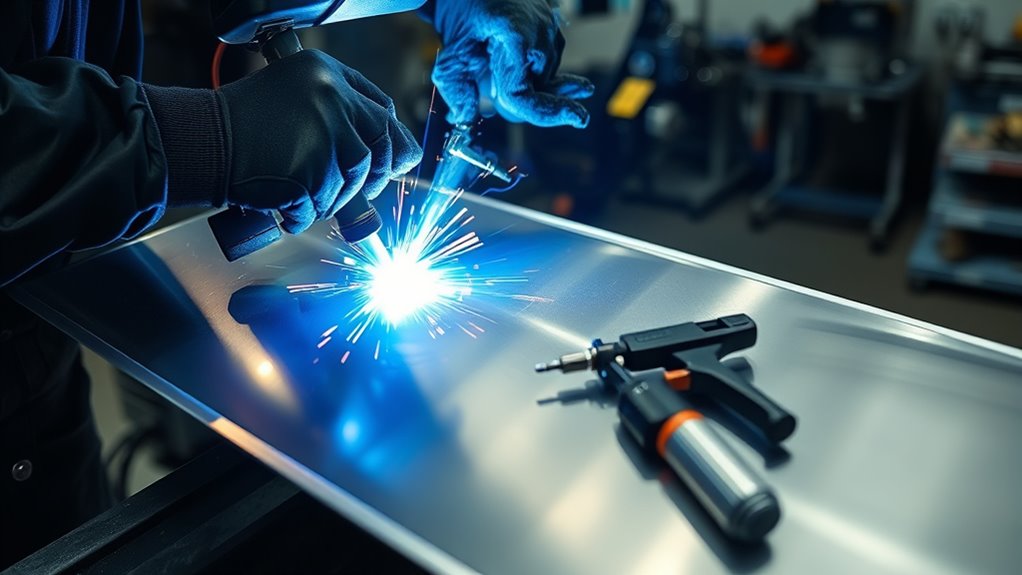
When you choose the best welding process for aluminum cars, TIG welding often fits precision work best. It gives you clean, high-quality welds with strong control, which matters on visible body panels and critical joints.
You get better weld quality on aluminum alloys when you keep tight heat control and use the right shielding gas. Many aluminum jobs use pure argon because it helps protect the weld pool.
For faster automotive work, MIG welding can fit thicker sections better. It gives you higher filler deposition when you need to build a joint faster.
If you want more control without giving up speed, pulsed MIG welding helps manage heat and reduce distortion. You also need equipment built for aluminum, including a low-friction wire feeding system that keeps wire delivery steady.
In practice, choose the process that matches the part, the joint, and your finish goals. Proper amperage settings also help you protect weld quality and limit distortion.
Why Aluminum Welding Is Harder Than Steel
Aluminum is harder to weld than steel because it pulls heat away very quickly. You need more control to keep a stable weld pool without burning through the base metal.
The oxide layer also resists fusion because it melts at a much higher temperature than the aluminum below it. Clean the surface well before welding so the weld can fuse clean metal.
Aluminum’s lower melting point raises the risk of warping, especially on thin body panels. You must control travel speed, amperage, and joint fit to avoid heat damage.
You also face porosity because molten aluminum can absorb hydrogen. Trapped gas can weaken the joint, so dry metal and clean shielding gas matter.
Weldability varies across aluminum alloys, and some grades resist sound fusion more than steel. You need a precise setup, clean metal, and controlled technique to get strong, durable results.
Specialized aluminum flux wire may help in some setups, but always match the wire to your machine and repair type.
Warning: Never weld near fuel lines, batteries, trim, or sealed cavities without proper inspection and fire protection.
When to Use TIG for Thin Body Panels?
For thin aluminum body panels, TIG welding usually works best because it gives you the fine control needed to limit heat input. That control helps you avoid burn-through and distortion.
Use TIG when you need precision on visible body panels, especially where appearance matters. Set amperage carefully for the material thickness, then use foot-pedal control to adjust heat as the joint changes.
Use TIG for precise, low-distortion aluminum body panel repairs, with foot-pedal control to adjust heat as the weld moves.
Pure argon shielding gas helps stabilize the arc and keeps contamination low. Clean shielding helps your welds stay consistent.
- Choose TIG for thin aluminum that needs exact bead placement.
- Keep heat input low to protect delicate panel edges.
- Use amperage control to adjust heat during the weld.
- Rely on TIG when you need a clean weld appearance.
Maintaining a consistent standoff distance also helps you prepare cleaner cuts before welding. Clean prep makes final fit-up easier.
This welding process lets you repair panels without giving up finish quality or structural integrity.
Products Worth Considering
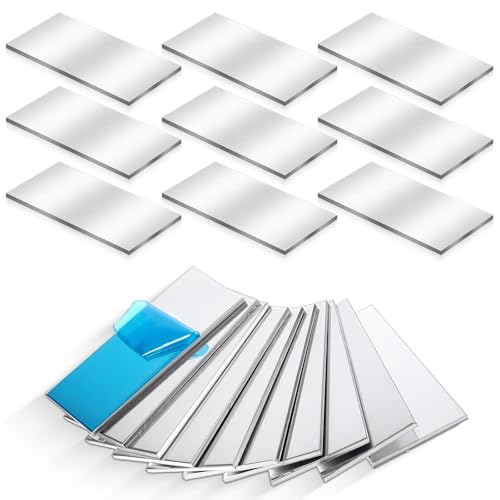
Detailed Dimensions with Ample Quantity: Our package includes 20 pieces of aluminum sheet welding kit, each crafted to precise dimensions of 2 x 4 inches (5 x 10 cm) with a thickness of 1/8 inches (3 mm). These plates are perfect for tasks demanding precision, such as laser cutting and professional welding, delivering consistent results every time.

6061 Aluminum Plate: Comes with 12pcs aluminum sheets, size - 2”x 4”x 1/8”(0.118") / 50 x 100 x 3 mm

Complete Set for Practice: you will get 3 welding coupons with 3 different styles: 2 square dice and 1 triangular dice, enriching your welding experience; This assures you of getting a comprehensive array of shapes to meet your individual creative needs
When Does MIG Work Best for Auto Repairs?
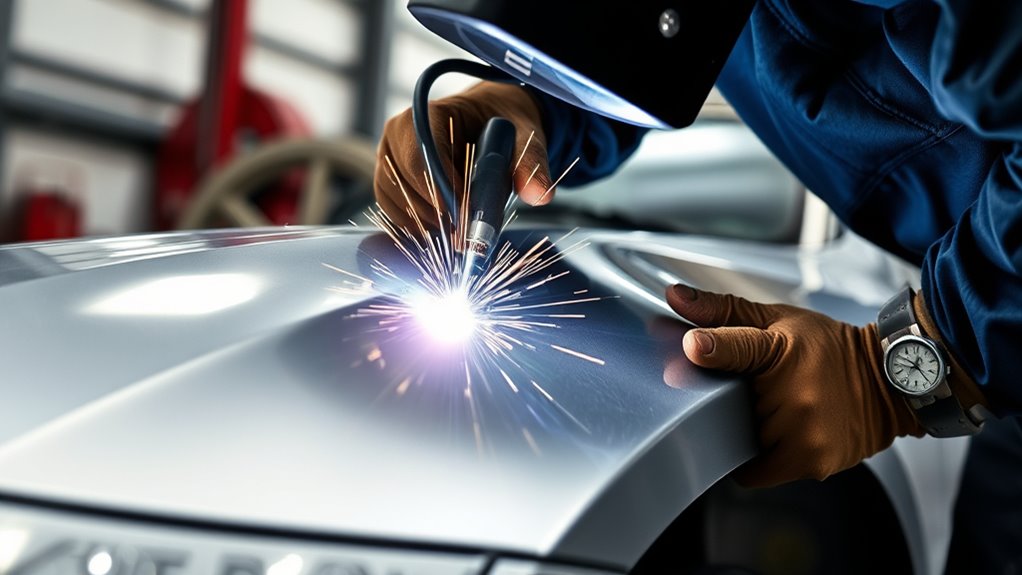
MIG welding works best on aluminum auto repairs when you need speed, consistent filler delivery, and enough deposition for thicker sections. You can move quickly across panels, brackets, and larger repair areas.
The welding process uses mechanical wire feeding, so you get a steady filler supply. That helps when you need to handle small gaps or less-than-perfect fit-up.
Use argon shielding gas, or an argon-helium mix, to protect the puddle and limit oxidation. Keep the base metal clean because aluminum picks up contamination fast.
When you prepare the surface properly, MIG gives you practical control and efficient output for repairs that demand strength and pace. The right MIG welding settings also help you improve weld quality and repeatability.
Choose MIG when you want to repair confidently, reduce downtime, and keep the process direct and repeatable.
How Pulsed MIG Helps on Aluminum Repairs?
When you need tighter heat control, pulsed MIG lets you weld aluminum with a high peak current and a low background current. This pattern helps reduce burn-through and distortion.
In aluminum repairs, you can use pulsed MIG to manage heat input on thinner panels while keeping a stable arc. It can also help when standard MIG runs too hot for the part.
- Improve fusion control during each pulse cycle.
- Build cleaner penetration without excess heat.
- Reduce porosity risk in critical weld areas.
- Create more consistent results with less guesswork.
The peak phase drives the puddle, and the background phase lets the weld cool slightly. That balance helps you keep control where traditional MIG may add too much heat.
You can also reduce rework because pulsed MIG can improve penetration and limit distortion in the finished joint. For you, that means more repeatable aluminum repairs in the shop.
If your project also involves coated steel, review zinc fumes and safety precautions before welding. Different metals can create different safety risks.
Pro tip: Test your TIG, MIG, or pulsed MIG settings on scrap aluminum from a similar thickness before touching the car part.
How to Prep Aluminum Before Welding?
Before you strike an arc, clean the aluminum with acetone and a dedicated stainless steel brush. This removes oxide, oil, and surface contamination.
Use a clean brush only for aluminum. Don’t swap it between metals because cross-contamination can hurt weld quality.
After brushing, dry the area completely. Moisture trapped on the surface can turn into hydrogen under heat and leave weak, porous welds.
If you prep early, re-clean the joint before welding. Aluminum reforms oxide quickly, so fresh prep matters.
Proper surface preparation helps you achieve strong welds and reduce defects. Clean metal gives the arc a better starting point.
Finally, secure the workpieces tightly with clamps or Vise Grips. A rigid fit keeps the joint aligned and stops movement while you weld.
What Equipment Do You Need for Aluminum Welding?
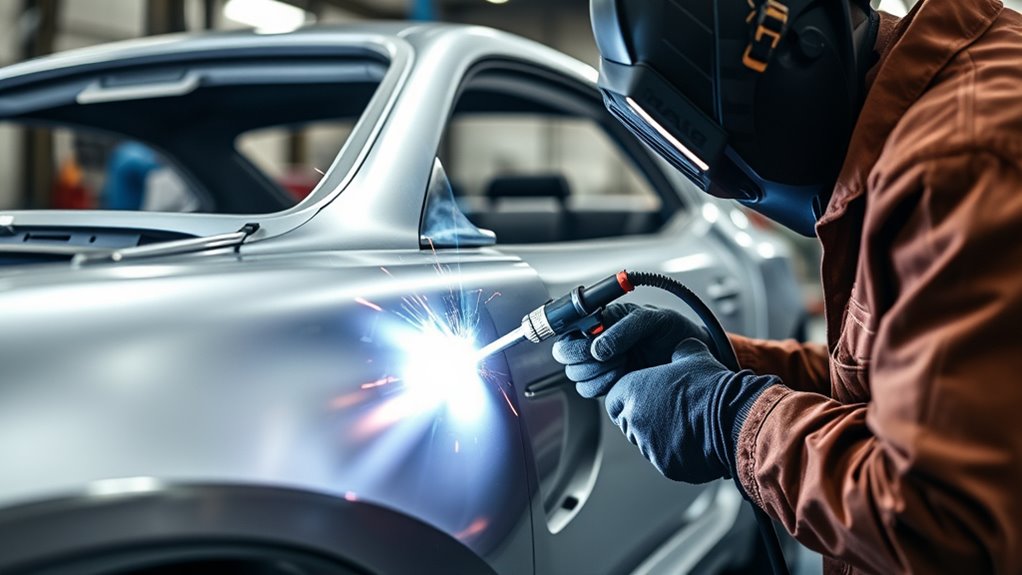
For aluminum welding on cars, you need a TIG welder for precision or a MIG setup for faster welds on thicker sections. You also need filler that matches the alloy, such as 4043 filler rod when the material calls for it.
You’ll need 100% argon gas for many TIG aluminum jobs and a stainless steel brush dedicated to aluminum. Learn why removing the oxide layer matters before you weld.
Protect yourself with proper personal protective equipment (PPE), including a welding helmet, gloves, and long sleeves. Good PPE helps protect you from ultraviolet light, heat, sparks, and hot debris.
Products Worth Considering

ER4043: Commonly referred to as “AlSi5", has a 5% silicon and is the oldest and one of the most widely used aluminum welding wires for general purpose applications.

Large LED Display: Features a large LED screen for enhanced visibility and a clear display of welding parameters and settings. Its intuitive interface ensures effortless operation, enabling precise welding of diverse metals
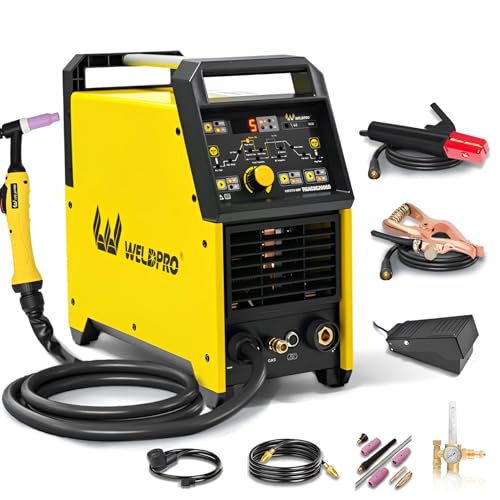
200A AC/DC TIG WELDER & 5 IN 1 MULTIPROCESS WELDING MACHINE: This versatile high frequency welder combines 5 welding modes in one portable design: High-Frequency AC TIG, DC TIG, AC Pulse TIG, DC Pulse TIG, and Stick MMA welding. Perfect for welders of all skill levels, from hobbyists doing home DIY projects to professional fabricators, this ac dc tig stick welder handles all your welding needs with consistent, reliable performance
Essential Welding Tools
To weld aluminum car parts well, use equipment that gives you tight heat control and clean material preparation. Your exact setup depends on the repair area.
- Use a TIG welder for precise joints and low heat input.
- Use MIG welding when you need faster work on thicker sections.
- Use 4043 filler or another filler matched to the alloy.
- Use pure argon, or argon-helium, to help limit porosity.
- Use a dedicated stainless steel brush to remove oxide before welding.
Safety Gear and Prep
Safety gear and prep start with the right setup. Use a TIG welder for the control aluminum bodywork demands, and pair it with proper shielding gas.
Wear welding gloves, a welding helmet, and long-sleeve cotton clothing. Avoid synthetic clothing because hot sparks can damage it quickly.
Before you strike an arc, clean the aluminum with a dedicated stainless steel brush. Aluminum’s oxide layer reforms fast, so prep the surface right before welding.
Set up on a stable metal work surface, keep cords clear, and place a fire extinguisher within reach. This setup protects you and supports better weld quality.
Common Aluminum Welding Mistakes to Avoid
Aluminum welding punishes shortcuts, so avoid a few common mistakes if you want clean, durable joints. You can’t use one-size-fits-all welding habits because aluminum needs its own heat control and fit-up discipline.
- Clean the aluminum first: remove oxide, oil, and dirt to reduce porosity and stabilize the weld pool.
- Manage heat carefully: aluminum’s low melting point means excess heat can cause burn-through, especially in thin panels.
- Inspect tungsten before you strike: contamination can destabilize the arc and hurt weld quality.
- Fit parts with minimal gaps: file or die grind edges so the joint stays tight.
When you respect the material, you gain better control. Precise prep helps you weld with less rework, stronger joints, and more confidence.
Using proper gas types can also improve your welding results. Match gas choice to the process, machine, and repair type.
How to Choose the Right Process for Your Repair?
Once you understand the common aluminum welding mistakes, match the process to the repair itself. Thickness, location, appearance, and access all matter.
For thin aluminum panels, intricate seams, and cosmetic work, choose TIG welding. It gives you tight control, cleaner puddle movement, and high-quality welds when you prepare the joint well.
If you need faster production or you’re working on thicker aluminum sections, MIG welding usually fits better. Its automatic wire feed and higher deposition rate let you build strength quickly.
When the part is cold or the joint is heavy, consider preheating aluminum within a safe range for the alloy and repair. The original part design, heat treatment, and surrounding components can affect how much heat the repair can handle.
Understanding thermal properties helps you reduce distortion and improve weld results. The right welding process gives you more control, cleaner work, and a stronger repair.
Note: Automotive structural aluminum repairs may require manufacturer-approved procedures, especially on modern vehicle frames and crash zones.
Frequently Asked Questions
Which Welding Process Is Best for Aluminum?
TIG welding often works best for thin aluminum and detailed automotive work because it gives you better heat control. MIG welding works better when you need faster filler deposition on thicker sections.
Is TIG or MIG Better for Aluminium?
TIG is better when you need clean bead appearance, fine control, and lower heat input. MIG is better when speed, filler buildup, and productivity matter more than fine appearance.
Is MIG or TIG Better for Auto Body?
TIG usually fits thin aluminum auto body panels better because it gives you more control. MIG suits thicker panels, brackets, and repairs where you need faster deposition.
Is It Better to Weld Aluminum With AC or DC?
Alternating current (AC) is the common TIG choice for aluminum because it helps clean the oxide layer while welding. Direct current (DC) can suit some specialized aluminum welding methods, but it needs the right process, machine, and setup.
Do You Need to Clean Aluminum Before Every Weld?
Yes, clean aluminum before welding because oxide, oil, dirt, and moisture can weaken the joint. Use a dedicated stainless steel brush and keep the cleaned area dry before you weld.
Conclusion
Choose the welding process that matches your repair, material thickness, and finish needs. For thin aluminum panels, TIG gives you the most control, while MIG works faster on larger auto repairs.
If you want steadier heat control and less distortion, pulsed MIG can give you a strong middle path. Clean the metal well, use the right filler, and avoid rushing the job.
Before you start the repair, test your settings on similar scrap aluminum. That simple step can save the panel, protect the joint, and help you weld with more confidence.