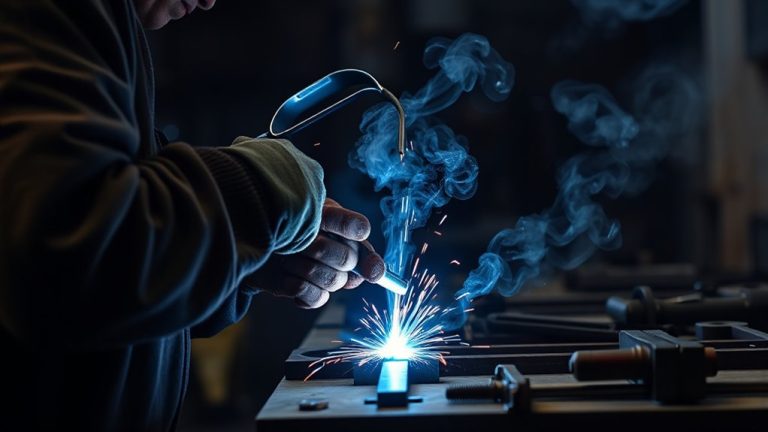
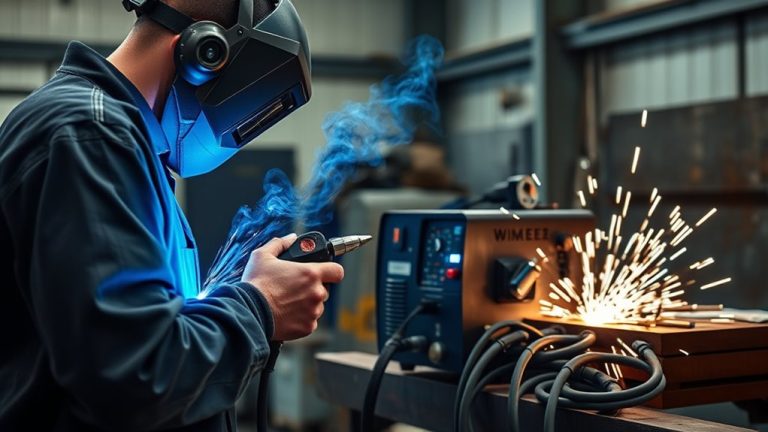
A weld joint is where two metal parts meet and are welded so an auto body repair can hold its shape, strength, and alignment. You use weld joints on body panels, patch panels, brackets, boxed sections, and some support structures. The right joint depends on the panel shape, metal thickness, access, load path, corrosion risk, and the repair procedure for that vehicle.
Quick Answer
The main weld joints used in auto body work are butt, lap, tee, corner, and edge joints. Use butt joints for clean panel seams, lap joints for overlapping sheet metal, tee joints for brackets and braces, corner joints for boxed sections, and edge joints for low-stress flush seams. Always match the joint to the vehicle’s structure and repair procedure.
Key Takeaways
- Butt joints give the cleanest exterior panel seam but need tight gaps, careful tacking, and controlled heat.
- Lap joints are strong and easy to fit, but they need sealing and corrosion protection between overlapping panels.
- Tee and corner joints are better for brackets, braces, rails, and boxed structures where loads meet at angles.
- Edge joints can make smooth seams on thin panels, but they are not the right choice for high-stress structural repairs.
- For structural collision repair, follow the vehicle maker’s repair procedure before choosing a joint, weld type, or weld location.
At a Glance
| Time Required | 15 minutes to plan a simple joint; several hours for full panel fit-up, welding, grinding, sealing, and coating |
| Difficulty | Moderate for cosmetic sheet metal; advanced for structural, high-strength steel, aluminum, or collision repairs |
| Tools Needed | MIG or TIG welder, clamps, panel holders, grinder, wire brush, measuring tools, PPE, fire extinguisher, ventilation, weld-through primer where approved, seam sealer, and corrosion protection |
| Cost | Low for basic practice coupons; higher for repair panels, specialty clamps, coatings, and professional structural repair work |
Warning: Welding on vehicles can create fire, fume, shock, and structural risks. Wear proper welding eye protection, gloves, flame-resistant clothing, and respiratory protection when needed. Keep combustibles away, protect fuel lines and interiors, ventilate the area, and never weld structural parts unless the vehicle maker’s repair procedure allows that joint and weld method. OSHA requires fire hazards to be removed or guarded before welding and requires proper eye protection for arc welding.
What Is a Weld Joint in Auto Body?
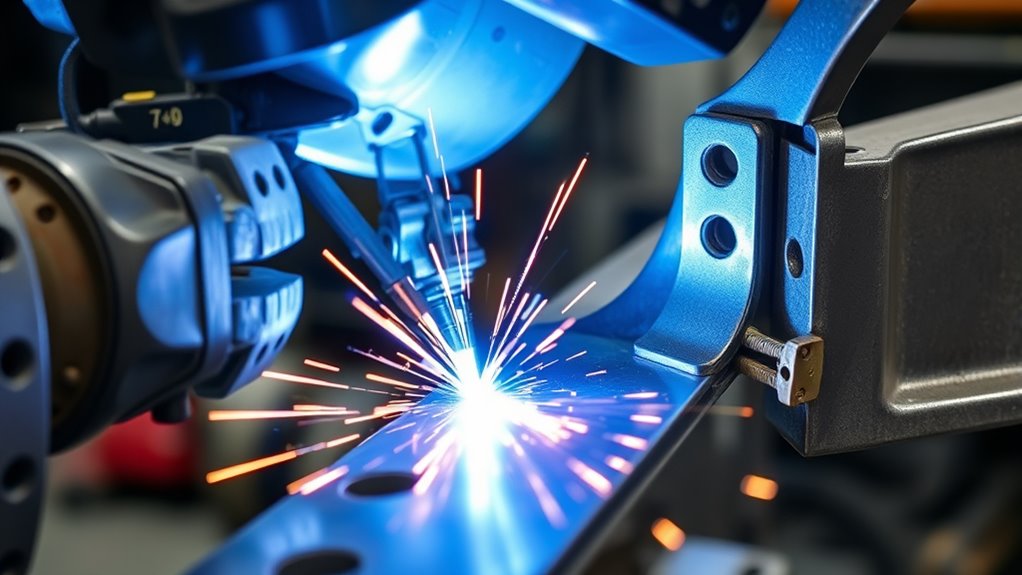
A weld joint in auto body work is the connection you create between two metal parts so the repair can carry load, hold alignment, and accept finishing work. It may join a small patch panel, a door skin section, a bracket, a reinforcement, a frame rail section, or a boxed support.
The joint must match the load path, metal thickness, metal type, access, and heat sensitivity of the part. A joint that works well on a flat cosmetic panel may be wrong for a brace, pillar, rocker, or rail. Modern vehicles can also include high-strength steel, ultra-high-strength steel, aluminum, adhesives, and factory spot welds, so the correct repair method may be set by the vehicle maker.
Butt joints place two panels edge to edge in the same plane. Lap joints overlap sheet metal and are common where hidden strength or plug weld access matters. Tee joints connect parts at right angles, often for brackets and supports. Corner joints form boxed or enclosed shapes. Edge joints align thin edges for low-profile seams.
When you understand the purpose of each joint, you can choose a repair that is cleaner, safer, easier to finish, and less likely to crack, warp, or trap corrosion.
Why Weld Joint Design Matters in Auto Body
You control load paths through weld joint design. That choice affects how stress moves through a panel or structure during normal driving, suspension movement, vibration, and impact loads.
You also need tight fit-up and alignment to limit distortion, weak fusion, burn-through, and cracking. A strong weld starts before the arc starts. If the panels do not sit correctly, the weld bead has to fill gaps instead of joining clean metal.
Choosing the right joint for the load, material, and weld process helps you build a stronger and more durable repair. It also reduces grinding time, filler use, and the chance of heat damage.
Load Path Control
In auto body work, weld joint design matters because it controls the load path. The load path is the route force takes through the vehicle’s structure. If a repair interrupts that path, the surrounding metal may carry stress it was not designed to handle.
You shape load distribution by choosing the right joint for the force. A T-joint may support a bracket where forces meet at a right angle. A lap joint can spread load across an overlap. A butt joint can keep a panel smooth without creating a raised edge.
Smart joint selection helps you avoid stress concentration, cracking, and early failure in panel seams, chassis zones, suspension mounts, and boxed structures. When the area is structural, check the OEM repair manual before deciding where to cut, section, weld, or reinforce.
Fit-Up And Alignment
Even the best weld joint design will fail if fit-up and alignment are poor. Proper positioning helps the weld form consistent fusion and keeps the panel or structure from moving as it heats and cools.
You need tight fit-up, clean edges, and careful alignment before you strike an arc. Poor positioning can cause warping, distortion, proud seams, weak spots, and panel gaps that are hard to correct later.
- Use jigs, clamps, clecos, magnets, or fixtures to lock parts in place.
- Verify gaps, edge prep, and panel flushness before welding.
- Tack in stages and recheck alignment before final weld passes.
- Let thin panels cool between short welds to reduce warping.
Good fixture setup helps you control complex assemblies and keep multiple joints true. When you set parts accurately, you spread load more evenly and reduce stress concentrations.
Joint Choice Matters
You need joint selection that matches the panel shape, stress path, material, corrosion risk, and finish goal. The wrong joint can cause cracking, trapped moisture, hard-to-finish seams, or unsafe structural behavior.
Use butt joints for flat exterior panels when you need a clean surface and careful alignment. Choose T-joints for brackets and supports where loads meet at 90 degrees. Use lap joints when an overlap gives better access, more weld area, or a way to replace factory spot welds with plug welds where approved.
Corner joints work well for boxed sections and enclosures. Edge joints are best for low-stress sheet metal seams where appearance matters more than heavy load support.
Common Auto Body Weld Joints at a Glance
| Joint Type | Best Auto Body Use | Main Caution |
| Butt joint | Exterior panel patches and flush seams | Needs tight gaps and heat control to avoid burn-through and warping |
| Lap joint | Hidden panel overlaps, flanges, and plug weld repairs | Can trap moisture if not sealed and coated |
| Tee joint | Brackets, tabs, braces, and support pieces | May need welds on both sides when loads come from more than one direction |
| Corner joint | Boxed rails, enclosures, and square tube-style structures | Must stay square while tacking and welding |
| Edge joint | Low-stress seams on thin sheet metal | Not ideal for major load-bearing repairs |
Butt Joints for Auto Body Panels
Butt joints are one of the cleanest ways to join auto body panels because they place two panel edges in the same plane. That gives you a smooth seam that can be metal-finished, ground, skim-coated, primed, and painted without a raised overlap.
Use butt joints on exterior skins, patch panels, quarter panel repairs, and replacement sections where you need a flush finish. They work best when the gap is even and small enough for the process and material. On thin sheet metal, many welders use short tack welds spaced apart, then connect them gradually after the panel cools.
- Square edges suit many thin sheet metal repairs.
- Beveled or grooved edges may help thicker material get better penetration.
- Clean, shaped edges help prevent porosity, burn-through, and uneven beads.
- Backing strips can help alignment, but they may trap corrosion if not sealed correctly.
You’ll get the best butt joint results when you prep the edges, remove contamination, and control heat. MIG and TIG are common for sheet metal, while thicker structural material may need a qualified procedure.
Pro Tip: On thin panels, do not run one long bead across a butt joint. Use spaced tack welds, move around the panel, and let the metal cool so the seam does not shrink and warp.
Tee Joints for Frames and Brackets
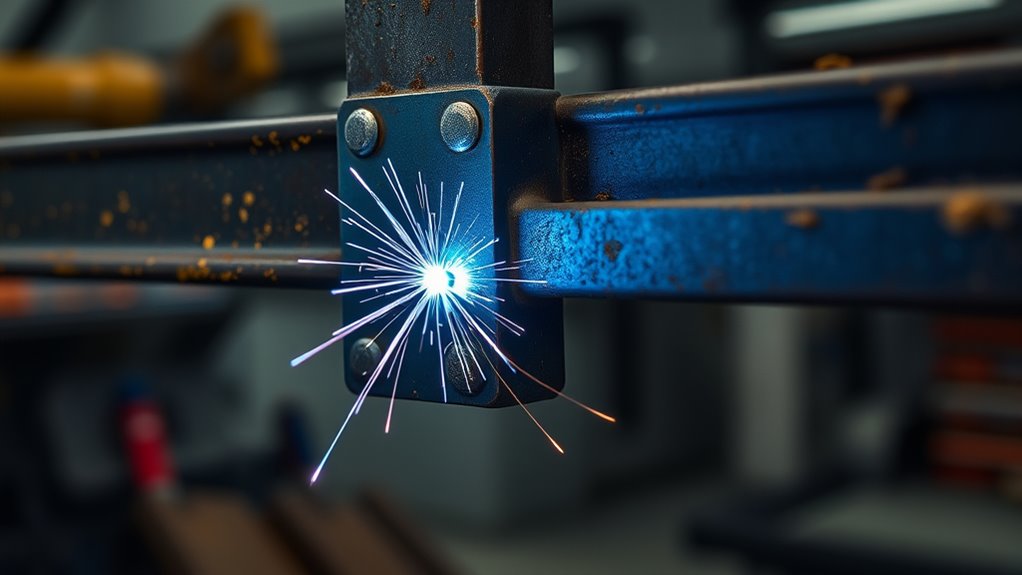
Tee joints connect two pieces of metal at a 90-degree angle to form a T shape. In auto body work, you’ll see this type of joint on brackets, tabs, braces, mounting supports, cross pieces, and some frame or substructure repairs.
Their tee joint advantages include stiffness, dependable alignment, and strong resistance to movement when the weld size and placement match the load. Fillet welds are common on tee joints because they fit naturally into the inside corner where the two pieces meet.
Prep the edges carefully, especially on thicker stock, so you do not create weak spots or sharp stress risers. When stress hits from more than one direction, welding both sides can improve durability if the repair procedure allows it.
You can rely on tee joints for bracket arms and support pieces, but do not assume every 90-degree connection should be welded the same way. Check access, metal thickness, and whether the original part used spot welds, plug welds, adhesive bonding, or a specific seam location.
Corner Joints for Boxed Structures
Corner joints connect metal at an outside or inside corner. They matter in boxed structures because they help keep the assembly square and resist twisting. You may use them on fabricated brackets, enclosures, patch sections, boxed rails, and square tube-style supports.
You can use fillet welds, groove welds, or corner seam welds depending on thickness and access. Good fit-up with clamps and jigs helps the pieces hold position while heat tries to pull them out of square.
Weld both sides when the design and access allow, especially if the corner carries load. On thin sheet metal, use short welds and cooling time so the corner does not pull inward or distort.
Box Frame Alignment
Corner joints are critical for aligning box frames because they lock two metal sections together at right angles. You need corner joint stability to keep chassis rails, brackets, or boxed repairs true under load.
- Use jigs to hold each section square.
- Check fit-up before you commit heat.
- Confirm both faces stay flush and even.
- Tack opposite corners before final welding to balance pull.
When you set the frame correctly, you protect structural integrity and reduce rework. Boxed structures take dynamic forces on the road, so your alignment must stay precise from tack to finish.
Corner Weld Techniques
Boxed joints demand precise weld technique because they lock metal sections together and keep the structure stable under load. Choose the technique based on material thickness, joint access, and whether the finished corner must be ground smooth.
Fillet welds work well for fast external seams and practical strength. Groove welds can help you reach deeper fusion on heavier material. Thin sheet metal may need small tack welds and a careful sequence instead of a long continuous bead.
Prep both edges, align them tightly, and hold fit-up steady so you get full fusion without burn-through or distortion. Control heat input with short, even passes and let the joint cool as needed.
Strength In Enclosures
Reinforced enclosures rely on corner joints to lock panels at right angles and keep boxed structures rigid under load. You use them in frames, housings, and other corner joint applications where shear and torsion try to twist the assembly.
- Minimal edge prep can speed fit-up on light sheet metal.
- Fillet or groove welds help match strength to the job.
- MIG or TIG lets you match the process to thickness and finish needs.
Choose corner joint materials that weld cleanly and carry load without distortion. When you set the joint correctly and weld with care, you get a stiff enclosure that holds shape and supports attached hardware.
Lap Joints in Sheet Metal Repair
Lap joints are one of the most practical options in sheet metal repair because you overlap two pieces of metal to create a larger weld area. You’ll use them often on flanges, hidden seams, patch panels, and areas where plug welds replace factory spot welds when the repair procedure allows it.
The lap joint advantages include simple fit-up, good access, and strong weld area. The lap joint disadvantages include extra material thickness, a raised edge, and a greater need for corrosion control. If moisture gets between overlapping panels, rust can start inside the seam where you cannot see it.
| Step | Purpose |
| Prepare edges | Clean, straighten, and align for solid fusion |
| Fit the overlap | Keep the panels tight so the weld does not bridge a loose gap |
| Weld the seam or plug holes | Create a secure connection with the approved weld type |
| Seal and coat | Protect the overlap from hidden corrosion |
Keep the overlap tight and weld both sides only when access, heat input, and the repair procedure make it safe. After welding, apply primer, seam sealer, cavity wax, or other corrosion protection approved for the repair area.
Plug Welds and Rosette Welds in Auto Body Repair
A plug weld, sometimes called a rosette weld, is often used with lap joints in auto body repair. You drill or punch a hole in the top panel, clamp it over the lower panel, then fill the hole with weld to join the two layers. This can replace a factory spot weld in some repairs when the OEM procedure allows it.
Plug welds are useful on flanges, rocker sections, quarter panels, floor pans, and brackets because they let you join overlapping panels without welding the full edge. They still need proper hole size, clean metal, tight clamping, enough penetration into the lower panel, and corrosion protection after welding.
Do not guess plug weld spacing on structural parts. Follow the repair manual for weld count, spacing, hole size, coating steps, and whether MIG plug welding is allowed in that location.
Edge Joints for Clean Panel Seams
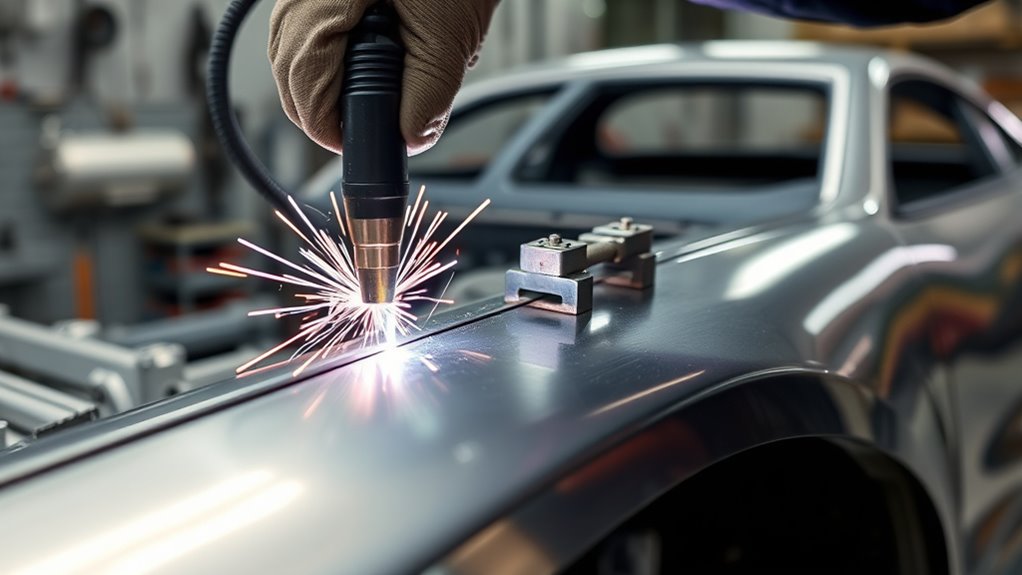
When you use an edge joint, you align two sheet-metal edges so you can weld a tight seam with minimal overlap. You’ll see this joint in auto body panel work when you need a smooth, flush finish and the seam does not carry major structural load.
Good fit-up, clean edges, and controlled MIG or TIG heat help you avoid gaps, burn-through, and weak seams. Edge joints are best used with careful planning because they offer less weld area than a lap joint and less structural capacity than a properly designed butt, tee, or corner joint.
Edge Joint Basics
Edge joints line up two metal pieces along their edges, making them a practical choice when you need a clean seam in light sheet metal. You use them most when you want a flush finish and tight visual control.
- Clean, straight seam for visible panels
- Easy to fit after accurate edge prep
- Best when appearance matters more than heavy load
Prep both edges by cleaning them to bare metal where welding will happen. Keep heat input low so you do not burn through thin sheet metal.
The edge joint advantages are simple: fast alignment, smooth finish, and clean cosmetic results. The edge joint limitations are also clear: lower strength and poor fit for high-stress areas.
Panel Seam Applications
For clean panel seams in auto body work, you may use edge joints where two sheet metal pieces meet along their edges for a smooth, low-visibility weld. They can improve fit-up and reduce visible seam buildup on lightweight body panels.
| Task | Why It Matters | Result |
| Prep edges | Creates tight fit | Less gap |
| Align panels | Keeps seam uniform | Cleaner weld |
| Control heat | Limits warp | Straighter panel |
You still need accurate edge preparation to keep corrosion from starting in open gaps. Hold steady motion and use the lowest heat that still gives proper fusion.
Clean Finish Techniques
A clean edge-joint seam starts with tight edge prep and accurate alignment, so the panels meet without visible gaps. Remove coating, oxide, and oil, then clamp the edges flush before you weld.
Edge joints give you smooth transitions, and a small groove can help penetration when the metal thickness allows it. Keep the seam discreet without overheating the panel.
- Clamp the panels firmly to stop shift.
- Set heat low enough to avoid burn-through.
- Grind or polish the weld only after the panel cools.
- Prime and seal the repaired area after inspection.
You’ll get a stronger joint and a cleaner finish when you control heat input and finish the seam with post-weld refinement.
How to Choose the Right Weld Joint
Choosing the right weld joint starts with the repair area. Ask what the joint must do: hold a cosmetic panel, support a bracket, replace a factory spot weld, close a boxed section, or carry structural load.
Then check material thickness, metal type, access, finish needs, and the vehicle maker’s procedure. Do not use a stronger-looking joint if it changes the load path or adds heat where the vehicle maker does not allow it.
- Choose a butt joint when you need a smooth panel surface and can control fit-up tightly.
- Choose a lap joint when an overlap, flange, or plug weld gives better access and strength.
- Choose a tee joint for brackets, tabs, braces, and right-angle supports.
- Choose a corner joint for boxed sections, enclosures, and square assemblies.
- Choose an edge joint only for low-stress seams where a clean finish matters.
Pick the joint that matches the structure, not just the joint that is easiest to weld.
How to Prep Weld Joints for Better Results
Clean metal and solid fit-up are the foundation of a good weld. Rust, oil, paint, seam sealer, undercoating, zinc coating, and adhesive residue can cause porosity, fumes, weak fusion, and contamination.
For reliable weld joint preparation, start with thorough surface cleaning. Grind, sand, or mechanically clean the weld zone until clean metal shows where the weld will be placed. OSHA advises cleaning welding surfaces of coatings that could create toxic exposure, such as solvent residue and paint.
- Disconnect or protect nearby electronics according to the repair procedure.
- Remove trim, insulation, seam sealer, and undercoating near the weld area.
- Move or shield combustibles before welding.
- Bevel or groove thicker sections when deeper penetration is required.
- Use jigs or fixtures to lock complex panels in position.
- Preheat only when the material and procedure call for it.
This approach helps you control distortion, reduce stress, and build stronger joints with less rework. It also helps reduce fume risk, since welding fumes can contain hazardous metals and gases, including zinc, manganese, chromium, carbon monoxide, ozone, and shielding gases.
Safety Checks Before Welding Auto Body Joints
Before you weld on a vehicle, make the area safe. Welding can ignite sound deadener, carpet, foam, seam sealer, fuel vapors, paint, undercoating, and hidden debris inside panels. Sparks can also travel through holes and gaps.
- Keep a suitable fire extinguisher nearby.
- Use a fire watch when hidden material or nearby combustibles could ignite.
- Protect glass, wiring, fuel lines, brake lines, upholstery, and trim.
- Ventilate the area and keep your head out of the fume plume.
- Use local exhaust ventilation or respiratory protection when fumes cannot be controlled.
- Do not weld near fuel tanks, EV battery packs, airbags, or high-voltage cables unless the repair procedure and safety steps allow it.
OSHA’s welding standard says movable fire hazards should be moved to a safe place, guards should protect fire hazards that cannot be moved, and welding should not be performed if those precautions cannot be followed. OSHA also requires helmets or hand shields during arc welding and proper eye protection for helpers.
Common Weld Mistakes to Avoid
Even a solid weld can fail if you rush the setup or bead. In auto body welding, the first mistake is poor fit-up. Gaps and misalignment force you to fill space with weld metal instead of joining the parts cleanly.
A strong auto body weld starts with fit-up, clean metal, and heat control. The bead cannot fix a badly prepared joint.
For butt joints, skipping edge prep can cause burn-through or incomplete fusion. For lap joints, poor sealing can trap moisture and start rust inside the overlap. For tee and corner joints, poor alignment can pull the part out of square as the weld cools.
Use the right filler for the base metal and process. Keep your travel speed steady. Moving too fast leaves a thin bead with poor fusion. Moving too slowly adds heat and can cause warping, undercut, or porosity.
Watch temperature, too. Overheating can warp panels and distort the structure, which can throw off gaps across the body. When you control setup, heat, filler choice, and cooling time, you weld with more precision and fewer costly mistakes.
How to Inspect and Protect the Finished Joint
After welding, inspect the joint before covering it with filler, primer, seam sealer, or coatings. A weld that looks acceptable on the surface can still have poor fusion, missed plug weld fill, pinholes, or heat damage around it.
- Check bead consistency, edge tie-in, and signs of undercut.
- Look for pinholes, cracks, burn-through, and porosity.
- Confirm the panel or bracket did not move out of alignment.
- Check the back side of the weld where you can access it.
- Grind only as much as needed so you do not thin the weld or panel.
- Apply primer, seam sealer, cavity wax, or corrosion protection after the joint passes inspection.
Protection matters most on lap joints and boxed sections because moisture can hide between layers. Seal the seam and coat the backside when access allows. A clean weld that rusts from behind is still a failed repair.
Frequently Asked Questions
What are the five basic weld joint types?
The five basic weld joint types are butt, corner, edge, lap, and tee joints. In auto body work, you choose among them based on panel shape, load, access, material thickness, finish needs, and the OEM repair procedure.
What is the most common weld joint in auto body repair?
There is no single most common joint for every repair. Butt joints are common for clean exterior panel patches, lap joints are common on flanges and plug weld repairs, and tee joints are common for brackets and supports.
Which weld joint is best for patch panels?
A butt joint is often best for a visible patch panel because it creates a smooth surface with no overlap. A lap joint may be better for hidden areas, flanges, or places where plug welds are approved.
Are lap joints bad for auto body work?
No, lap joints are useful when used correctly. They offer good fit-up and weld area, but they can trap moisture. Seal and coat the overlap after welding so rust does not start between the panels.
Should I weld structural auto body parts without OEM repair instructions?
No. Structural repairs can affect crash performance, airbag timing, alignment, and occupant protection. Follow the vehicle maker’s repair procedure or have the repair handled by a qualified collision repair technician.
Conclusion
In auto body work, choosing the right weld joint can make or break your repair. Butt, lap, tee, corner, and edge joints each serve a different purpose, from smooth panel seams to brackets and boxed structures. The best joint is the one that matches the load path, metal thickness, access, finish needs, and repair procedure.
Start with clean metal, tight fit-up, careful alignment, and controlled heat. Then inspect the weld and protect the repaired area from corrosion. If the repair is structural, involves high-strength steel or aluminum, or sits near fuel, battery, or safety systems, follow the OEM procedure or use a qualified repair professional.
Sources
- OSHA 29 CFR 1910.252, Welding, Cutting and Brazing General Requirements — fire prevention, eye protection, ventilation, and welding safety requirements.
- OSHA Welding, Cutting, and Brazing Overview — welding hazards, standards, and safety resources.
- OSHA Fact Sheet: Controlling Hazardous Fume and Gases during Welding — fume sources, coatings, ventilation, and exposure reduction.
- CDC/NIOSH Welding Fumes and Manganese — manganese fume exposure and confined-space welding risk.
- NIOSH Pocket Guide: Welding Fumes — welding fume exposure routes, symptoms, and health targets.