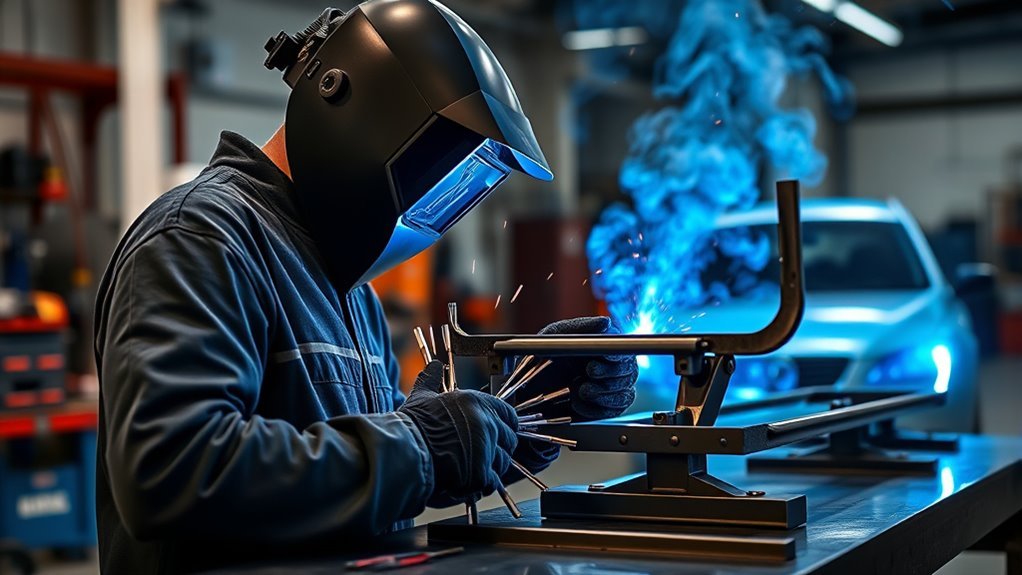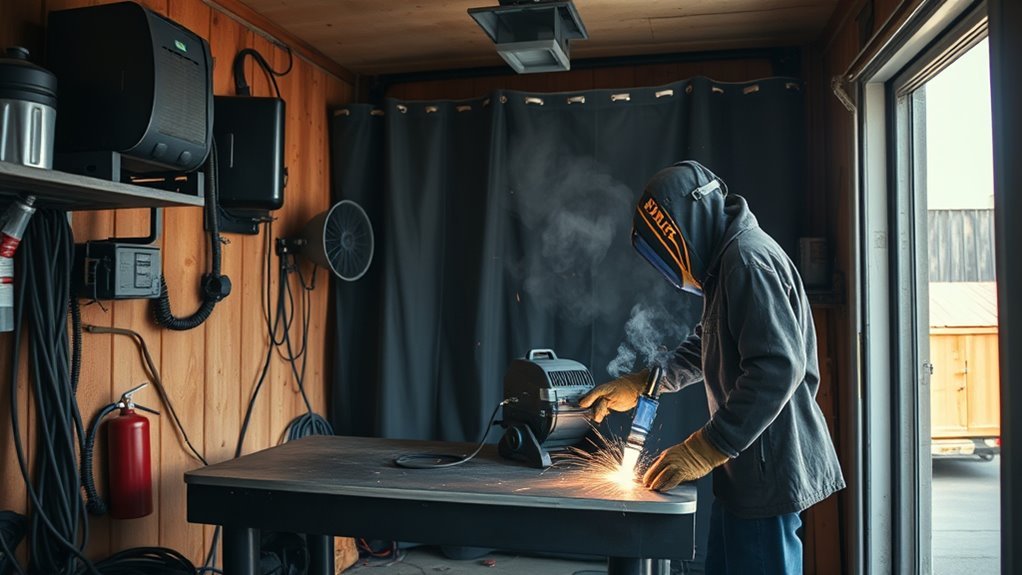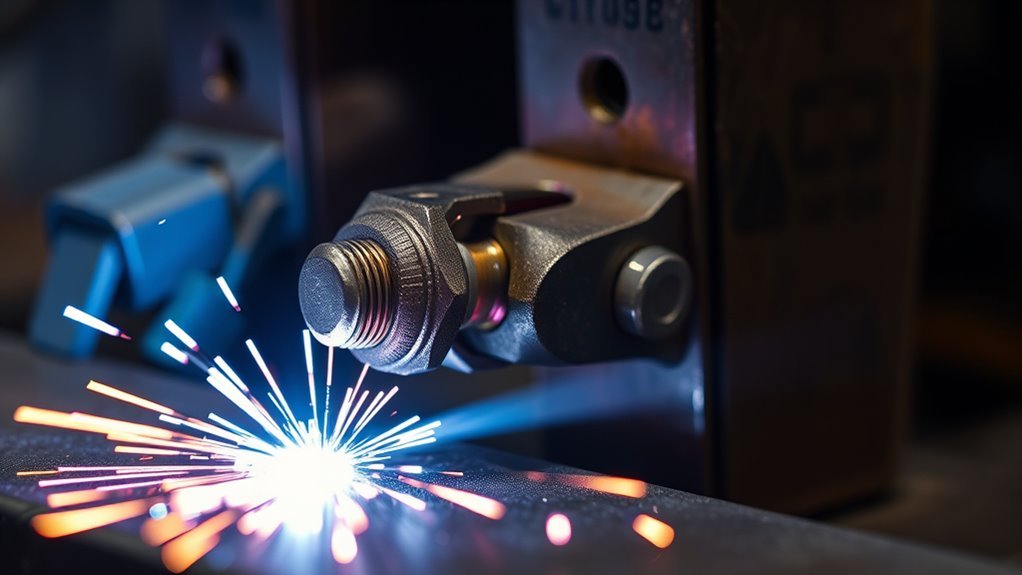
A welding ground connects your workpiece to the welding machine and completes the electrical circuit needed to create an arc. A clean, tight ground helps current return to the welder with less resistance. It also helps reduce shock risk, unstable arcs, excess spatter, and poor weld quality.
Quick Answer
A welding ground gives welding current a safe and stable return path to the machine. For the best results, attach the ground clamp to clean, bare metal close to the weld area. Check the clamp, cable, and contact point often so you can avoid weak arcs, excess spatter, and safety risks.
Key Takeaways
- Attach your ground clamp to clean, bare metal for the strongest electrical connection.
- Keep the clamp close to the weld area when the setup allows it.
- Inspect ground cables and clamps before you weld so you can catch damage early.
- A poor ground can cause unstable arcs, excess spatter, heat buildup, and weak welds.
- Never clamp to painted, rusty, greasy, or loose metal if you have a better option.
How Welding Grounds Work
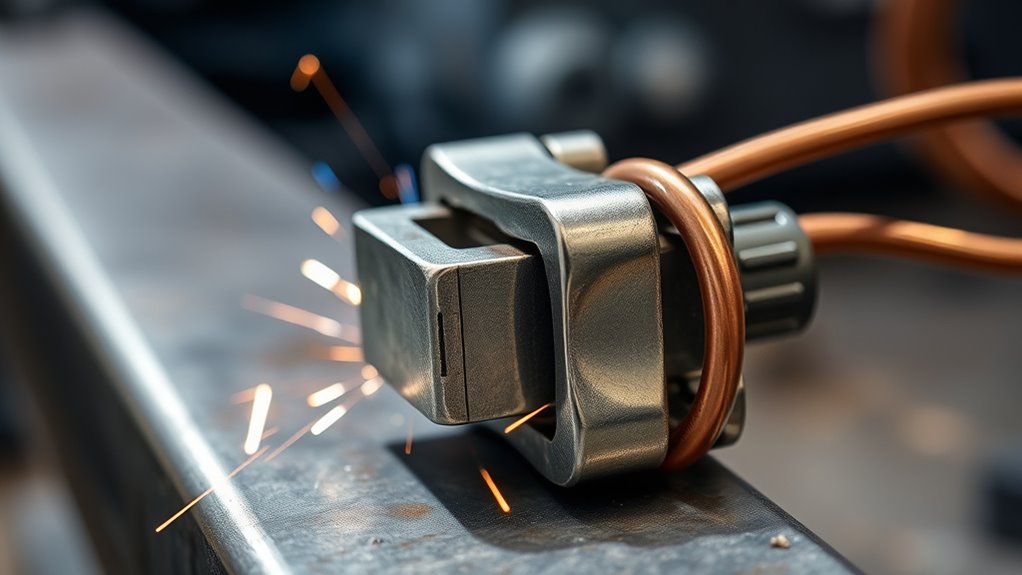
When you set up a welding job, your ground connection affects both safety and weld quality. A welding ground connects the workpiece to the welding machine, which completes the circuit needed for arc production.
Good grounding helps reduce voltage differences between the workpiece and the welder. This can lower the risk of electrical shock and help the arc stay more stable.
Use a ground clamp that creates a low-resistance connection. Attach it to a clean, bare metal surface because paint, rust, grease, and dirt can block current flow. Poor contact can cause inconsistent arcs, excess spatter, and hard starts.
Wear proper protective clothing while you weld. Grounding helps control the electrical path, but it does not replace safe work habits or personal protective equipment.
Check your grounding equipment before each job. Look at the clamp, cable, cable ends, and contact surface. A small defect in the ground path can create large problems during welding.
Products Worth Considering

Premium Material: This welded grounding clamp is made of iron. Iron has high strength and hardness and is able to withstand high mechanical stress. Iron grounding clamps ensure stable current transmission and maintain their structural integrity and stability. Iron has good durability, which allows the welding earth clamp to maintain its good performance and appearance during use.

Tweco Style Ground Clamp

Practical Function: This T-shaped welding grounding clamp has a 300A high-current capacity, meeting the high-power demands of automotive welding and circuit testing. During welding, the current remains stable and uninterrupted, ensuring welding quality. The duckbill design and powerful spring ensure a secure grip that does not easily come loose. Even during vehicle body vibrations or mobile operations in automotive repairs, it maintains stable grounding.
How Ground Clamps Establish Electrical Connections
Ground clamps create the physical link between your workpiece and the welding machine. This link completes the electrical path needed for the welding arc.
A ground clamp uses a cable and a connector that grips metal tightly. The clamp should hold firm contact with the workpiece so current can flow with less resistance.
Many ground clamps use strong springs, copper contact points, or toothed jaws to improve contact. These parts help the clamp bite into the metal and hold the connection steady.
A weak clamp connection can cause arc flicker, excess spatter, poor penetration, or heat buildup in the cable. Properly grounded equipment also helps with preventing electrical shocks, which is a key safety concern in welding.
Pro tip: Place the clamp close to the weld area when possible, because a shorter current path often gives a steadier arc.
Why Proper Grounding Is Critical for Safety
Proper grounding helps protect you from electrical shock by giving welding current a controlled return path. It also helps keep the equipment, workpiece, and ground path at a safer electrical potential.
Grounding also helps limit dangerous voltage on equipment parts if insulation fails. That protection matters for you and for anyone working near the welding area.
Welding safety standards, including ANSI Z49.1, address grounding as part of safe welding practice. Follow your welder manual and workplace safety rules for your specific machine and setup.
Improper grounding can increase the risk of electric shock hazards, especially around high voltage equipment. Damaged cables, loose clamps, and dirty contact points can all raise that risk.
Good grounding also supports weld quality. It helps stabilize the arc, reduce spatter, and prevent some problems that come from poor current flow.
Warning: Do not weld with damaged ground cables, loose connectors, or a clamp that overheats during use.
Effective Grounding Techniques for Reliable Welding
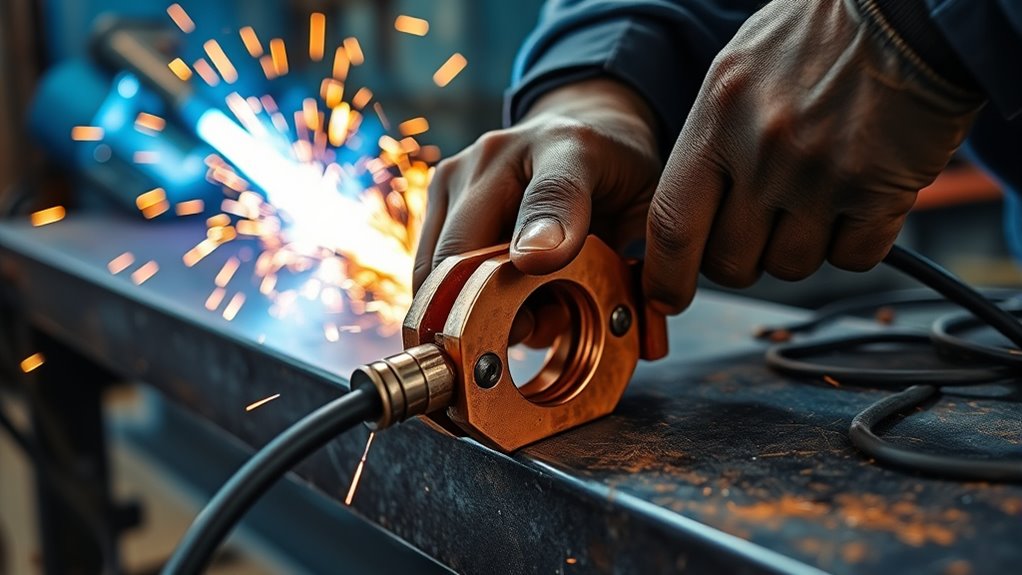
To get reliable welding performance, start with a strong electrical connection. Attach the ground clamp directly to a clean, bare metal surface on the workpiece.
Clean the contact point before you clamp. Remove rust, paint, oil, mill scale, or heavy dirt with a wire brush, sanding disc, or grinder.
Keep the ground cable away from sharp edges, hot metal, and moving parts. A damaged cable can reduce conductivity and create a safety risk.
Use dedicated grounding points on welding tables when they are available. A proper table ground can help reduce unstable arcs and make repeated work easier.
For smaller workpieces, clamp the part securely to a stable bench or welding table. Then connect the ground to clean metal on the table or directly to the part when possible.
Good fit-up also matters. Maintaining a proper fillet weld size can help reduce problems like distortion or cracking during the welding process.
Products Worth Considering

STAYS LOCKED UNDER VIBRATION. The screw-lock design lets you adjust and secure the clamp with a simple twist. Once tightened, it holds firmly – even when you're hammering or moving the workpiece. No unexpected pop-offs. No interrupted welds

SCREW-TYPE LOCK – NO SLIPPING. Forget stiff springs that pop off. Hitbox screw-type handle locks with a simple twist, delivering steady, adjustable pressure that won't loosen under vibration. Zero hand fatigue. Twist, lock, Ground!

7 inch long with 1-3/4 inch jaw opening.
How to Troubleshoot Common Welding Ground Issues
Start troubleshooting by checking the ground clamp. Make sure it grips a clean, bare metal surface and does not move when you pull the cable lightly.
- Clean the contact area with a wire brush or grinder if you see rust, paint, oil, or dirt.
- Move the clamp closer to the weld area if the current path runs through hinges, bearings, or thin metal.
- Check the ground cable for cuts, burns, fraying, loose lugs, or hot spots.
- Inspect the clamp jaws and spring to make sure they still grip firmly.
- Test another clamp or cable if the arc remains unstable after cleaning the contact point.
If you notice arc blow or inconsistent weld quality, check the full current path. The work lead should connect firmly to the workpiece or a grounded welding table.
Avoid attaching ground clamps to rusty, painted, or contaminated surfaces. Those surfaces can block electrical contact and reduce weld quality.
You can use a receptacle circuit tester to check outlet grounding before using some welding machines. This step helps you spot basic power supply problems before welding starts.
Keep your workspace clear of clutter. A clean work area helps prevent trips, fire risks, and cable damage.
Signs of a Poor Welding Ground
A poor welding ground often shows up before you see the finished weld. Your arc may sputter, wander, or cut in and out.
- The arc starts hard or stops during the weld.
- The weld creates more spatter than usual.
- The ground clamp or cable feels hot.
- The weld bead looks uneven or lacks fusion.
- The machine output feels inconsistent even with the same settings.
If these problems appear, stop and check the ground before you adjust every machine setting. A weak ground can mimic many welder setup problems.
Why Good Grounding Matters for Your Welds
Good grounding helps you create high-quality welds because it supports a stable electrical path. That stable path helps the arc stay smooth and predictable.
Good grounding helps create stable arcs, consistent welds, and fewer problems like arc blow.
Proper grounding also helps reduce the risk of electrical shock. It supports a safer electrical path between the welding machine and the workpiece.
A well-grounded system can also reduce excessive spatter. Cleaner welds need less grinding and give your finished work a better appearance.
For best results, ground directly to clean metal instead of rusty or painted surfaces. Keep your connections tight and inspect them often.
Wearing appropriate PPE while welding also helps protect you from sparks, heat, ultraviolet light, and electrical hazards.
Best Practices for Welding Ground Maintenance
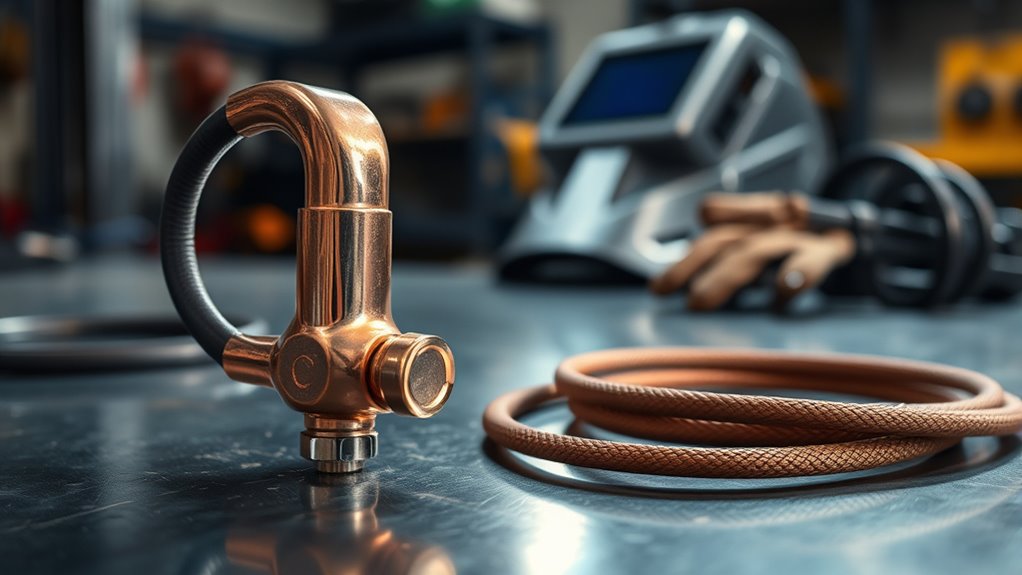
Good maintenance keeps your ground path safe and reliable. Check your ground clamps and cables often, especially before long welding sessions.
Clean connection surfaces matter as much as cable condition. Avoid clamping to painted, rusty, oily, or loose metal if you can use clean bare metal instead.
Also check that your ground assembly stays stable and free from vibration. This helps prevent safety issues during operation.
Regular Inspections Required
Regular inspections of welding ground connections help you maintain safety and weld quality. Check grounding equipment, including clamps and cables, for wear, fraying, burns, or damage.
Inspect grounding points to confirm they are clean and securely attached to the workpiece. Contaminants can reduce electrical conductivity and raise shock risk.
Use a receptacle circuit tester when you need to check basic outlet grounding. Follow your welder manual and local electrical rules for machine setup and maintenance.
Routine checks can help you avoid overheating, arcing, and equipment failure from poor grounding. Make this inspection part of your normal welding setup.
Clean Connection Surfaces
Checking welding ground connections is only part of the job. You also need clean connection surfaces for safe and steady welding.
Rust, paint, dirt, and oil can block electrical conductivity. Use a wire brush, sanding disc, or grinder to remove oxidation and debris before clamping.
Attach ground clamps directly to bare metal when possible. This reduces resistance and improves arc stability.
Check the clamp jaws for wear and keep the fit tight. Loose contact can create intermittent current flow and safety hazards.
Answers to Common Questions on Welding Grounds
A welding ground matters because it creates a conductive path between your workpiece and welding equipment. That path supports a stable electrical circuit for arc production.
The ground clamp links the welding machine to the workpiece. Without effective grounding, you may see inconsistent arcs, excess spatter, overheating, and unstable welds.
Regular inspection and maintenance help you keep your grounding equipment safe. Understanding the importance of proper settings can also improve your weld results and reduce grounding-related issues.
Frequently Asked Questions
What Happens if You Weld Without Ground?
Welding without a proper ground can stop the arc from starting or make it unstable. It can also increase shock risk, spatter, poor weld quality, and possible equipment damage.
Why Do Welders Not Live Long?
Some welders face health risks from fumes, heat, ultraviolet light, noise, and poor ergonomics. Good ventilation, proper personal protective equipment, training, and safe work habits can help reduce these risks.
What Can I Use as a Ground When Welding?
You can use a clean metal workpiece, a grounded welding table, or another solid metal surface that connects well to the part. The best option gives the clamp firm contact with clean, bare metal.
How Does the Ground Work on a Welder?
The ground, often called the work lead, connects the welder to the workpiece. It gives welding current a return path so the arc can form and stay stable.
Should the Ground Clamp Be Close to the Weld?
Yes, place the clamp close to the weld area when your setup allows it. A shorter and cleaner current path can help improve arc stability and reduce resistance.
Can You Weld on Painted or Rusty Metal With the Ground Clamp Attached?
You can sometimes strike an arc, but it is not a good practice. Paint, rust, grease, and scale reduce contact quality and can cause unstable welding.
Conclusion
A solid welding ground helps you weld safer, cleaner, and with more control. Attach the clamp to clean, bare metal and keep your cables, clamps, and contact points in good condition.
Before you change machine settings, check the ground if your arc acts unstable or your weld creates too much spatter. A simple ground check can save time and prevent poor welds.
Build this habit into every welding setup, and your work will become safer and more consistent.