The hardest welding position is usually 6G pipe welding. In this setup, the pipe stays fixed at about 45 degrees, so you have to weld around the joint while the puddle changes from easier areas into vertical, horizontal, and overhead-like zones. That makes heat control, body position, arc length, and bead placement harder than flat or horizontal work.
Quick Answer
The hardest welding position is usually 6G because the pipe is fixed at 45 degrees and cannot be rolled. You have to control the weld pool through changing angles around the pipe, including vertical, horizontal, and overhead-like areas. That is why 6G is a common benchmark for advanced pipe welding skill.
Key Takeaways
- 6G is usually the hardest common welding position because the pipe is fixed at a 45-degree angle.
- The main challenge is keeping the puddle stable while gravity, body position, torch angle, and heat input keep changing.
- 1G is the easiest, 4G is the hardest common plate position, 5G is fixed horizontal pipe, and 6G adds a 45-degree pipe angle.
- A 6G test is valuable, but your actual qualification range still depends on the code, process, material, thickness, backing, and WPS.
Which Welding Position Is the Hardest?
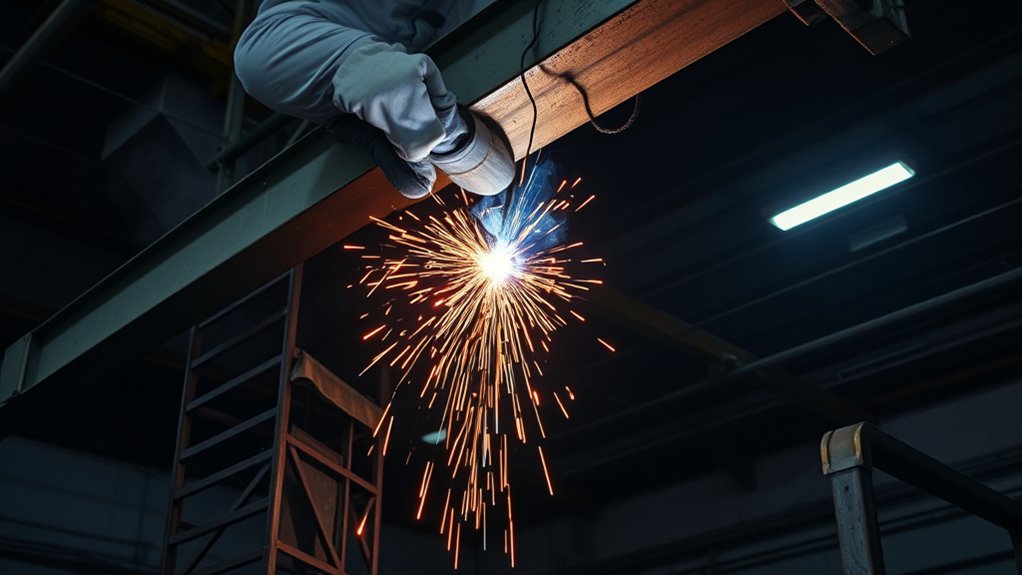
The 6G welding position is widely regarded as the hardest common manual pipe position because the pipe is fixed at a 45-degree incline. You cannot roll the pipe into a comfortable flat position, so you have to adjust your hands, body, travel angle, and puddle control as you move around the joint.
In this welding position, you are not just joining metal. You are managing geometry, gravity, heat input, and access at the same time. The weld path moves through changing angles, including flat-like, vertical, horizontal, and overhead-like zones. Compared with 1G or 2G, 6G requires sharper control, stronger endurance, and better judgment. That is why a 6G test is often used as a serious skill check for pipe welders.
Welding positions are commonly described by standards and test rules that consider the slope and rotation of the work. For a practical job or exam, always follow the assigned welding-position standard, WPS, instructor directions, or employer procedure.
Note: “Hardest” depends on the weld type, process, material, test code, and access. For most manual pipe welding discussions, 6G is the benchmark. For plate work, 4G overhead is often the hardest basic plate position.
What 6G Means in Welding
In welding position labels, the number describes the position, and the letter describes the weld type. The letter G means groove weld. In a 6G pipe weld, the pipe is fixed at about 45 degrees, and you weld around it without turning the pipe.
That fixed angle is what makes 6G so demanding. You have to keep the arc stable while your body position changes. You may be reaching under the joint, working along the side, and finishing near the top. If your travel speed, arc length, or torch angle drifts, the bead can become uneven, undercut, or lack proper fusion.
| Position | Basic setup | Difficulty level |
|---|---|---|
| 1G | Flat groove weld | Easiest because gravity helps support the puddle. |
| 2G | Horizontal groove weld | Harder because the puddle can sag along the joint. |
| 3G | Vertical groove weld | Requires tight heat and travel-speed control. |
| 4G | Overhead groove weld | Hardest common plate position because gravity works against the weld pool. |
| 5G | Fixed horizontal pipe | Hard because you weld around a fixed pipe without rolling it. |
| 6G | Fixed pipe at about 45 degrees | Usually hardest because it combines several position challenges in one weld. |
Why 6G Welding Is So Hard
Because 6G is set at a 45-degree angle, you have to manage vertical and horizontal behavior in the same weld. Gravity keeps pulling molten metal downward, so the weld pool can sag, collapse, undercut the edge, or build uneven reinforcement if you lose control.
You must control heat input, travel speed, arc length, and torch or electrode angle with discipline. The joint geometry also forces you to change body position as you move around the pipe. One comfortable stance will not carry you through the whole weld.
You will often use multiple passes, especially on thicker pipe. The root pass must tie in cleanly, the hot pass must avoid burning through or trapping slag, and the fill and cap passes must stay even around the pipe. That is why 6G certification means more than memorizing a pattern. It shows whether you can produce acceptable weld quality under changing conditions.
For welders, mastering 6G can help qualify you for more advanced pipe, pressure, industrial, and structural work. It can also make your training more complete because it forces you to understand puddle behavior instead of relying on one easy position. Understanding the importance of correct filler selection also matters because filler choice affects strength, compatibility, and weld quality.
Warning: Welding can expose you to fumes, ultraviolet radiation, hot metal, fire hazards, and electric shock. Use proper ventilation, eye and face protection, gloves, flame-resistant clothing, and fire-safe work practices. Follow the assigned procedure and safety rules before practicing 6G or any out-of-position weld.
How 1G Through 4G Compare
1G through 4G show a clear increase in difficulty as you move from supported flat welding to overhead welding. These positions are often used to build control before you move into fixed pipe positions like 5G and 6G.
- 1G flat: This is the easiest setup. The weld pool sits on top of the joint, so gravity helps you keep the bead stable.
- 2G horizontal: The puddle starts to sag, so you need steadier travel speed and better edge control.
- 3G vertical: You must control heat closely, especially when welding uphill, so the puddle does not roll down or pile up.
- 4G overhead: Gravity works against every move. Too much heat can make the weld pool drip, sag, or undercut the joint.
Across 1G, 2G, 3G, and 4G, the main lesson is puddle control. A critical factor in every position is maintaining a steady travel speed, because it helps keep bead width, penetration, and heat input more consistent.
Why Out-of-Position Welding Is Hard
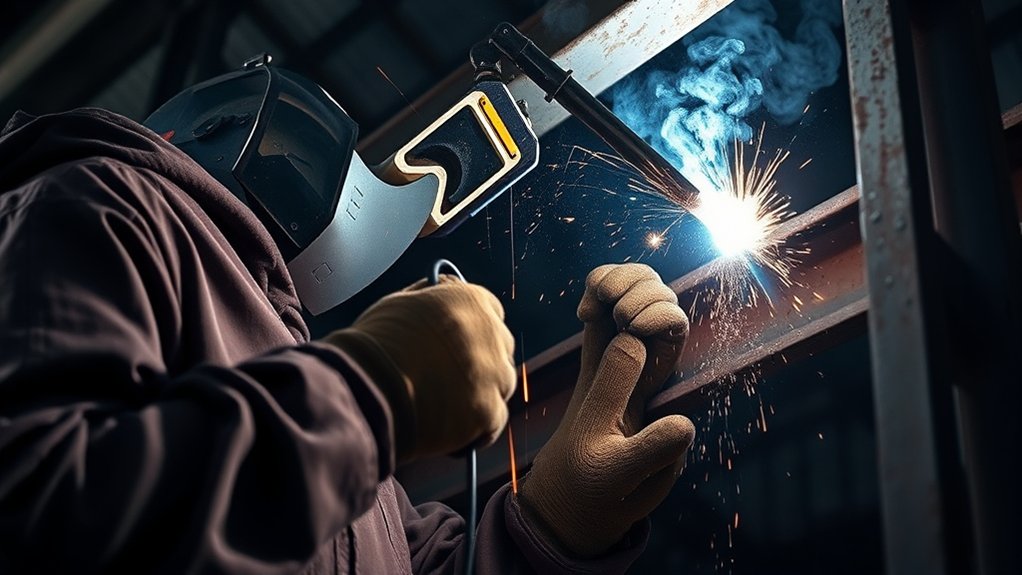
Out-of-position welding gets hard fast because gravity pulls the molten pool away from the joint. You have to control puddle size, travel speed, and torch or electrode angle with less room for error.
In the vertical position, the weld pool wants to sag. If you travel too slowly, the metal becomes too fluid and can pile up or run. If you travel too fast, fusion can suffer. In overhead welding, too much heat can make the weld metal drop or leave weak tie-ins.
That balance matters even more in 6G because the joint keeps presenting new angles as you move around the fixed pipe. You also fight fatigue. When your shoulders, wrists, or neck get tired, your arc length and travel speed can drift. That is when defects such as undercut, porosity, overlap, lack of fusion, or uneven reinforcement become more likely.
Mastering out-of-position welding gives you more control because it expands where you can make strong, reliable joints. You do not just follow the puddle. You learn to direct it with steady technique. Understanding lack of fusion is especially important because poor fusion can leave weak spots even when the bead looks acceptable on the surface.
What Makes 6G Certification So Difficult?
In 6G certification, you weld pipe fixed at a 45-degree angle, so you must manage both horizontal and vertical movement while keeping the pipe stationary. The test checks more than whether you can make a bead. It checks whether you can keep the weld sound through changing access, changing gravity effects, and inspection pressure.
The exact rules depend on the test code, process, material, pipe size, wall thickness, backing, filler metal, and inspection method. A 6G test can be valuable, but it does not automatically qualify you for every welding job. The qualification range comes from the code and test record, not from the position label alone.
Appropriate protective clothing is also part of safe practice because 6G work can put your hands, arms, neck, and face close to hot metal, arc radiation, and spatter.
Pipe Fixed at 45 Degrees
A 6G test sets the pipe at a 45-degree angle and keeps it fixed. You move around the pipe instead of rotating the joint into a more comfortable position. That means your torch angle, rod angle, body position, and view of the weld pool keep changing.
- You adjust technique as you move around the fixed joint.
- You control the root opening, keyhole, or puddle without letting gravity pull the weld out of shape.
- You prevent undercut, overlap, lack of fusion, and uneven penetration.
This setup proves whether you can adapt without losing consistency. If you master it, you gain a skill that can help with demanding pipe and pressure work where good access is not guaranteed.
All-Position Skill Test
The real challenge of 6G certification is that it tests your ability to weld through several working angles while the pipe stays fixed. You may need to use uphill or downhill techniques depending on the code, process, joint, and procedure.
You need steady hand placement, disciplined travel speed, and precise angle changes to prevent defects at each transition. Uphill and downhill sections can require different timing and heat control. The bead profile still has to stay acceptable without relying on a flat, easy weld path.
Because inspectors may use visual inspection, bend tests, radiography, or other methods depending on the test, 6G certification rewards consistency. If you pass, you show that your weld quality does not depend only on ideal positioning.
Puddle Control Under Stress
Managing the puddle in 6G demands constant correction because gravity keeps pulling the molten metal downward. Your puddle control has to stay tight as you move through changing angles, or the bead will wander, sag, or flatten unevenly.
- Stabilize the puddle before each transition.
- Counter gravity with the correct torch or rod angle.
- Keep arc length short and steady.
- Watch for fatigue, because loss of focus quickly affects bead shape.
You are proving more than technique. You are proving that you can stay calm, read the pool, and correct small problems before they become failed welds.
Best Welding Processes for 6G
When you weld in 6G, the best process depends on the job, material, code, and inspection requirements. You will often see SMAW, GTAW, and FCAW used in training or field work. GMAW can also be used in some all-position applications when the transfer mode and procedure are suitable, but it is not always the right choice for every 6G test.
Each process has a different strength. SMAW is portable, GTAW gives fine control, FCAW can increase deposition rate, and GMAW can be efficient under the right settings. Match the method to the WPS, joint requirements, and defect tolerance. GTAW produces clean, controlled welds, which is why it is often chosen when precision and appearance matter.
Products Worth Considering

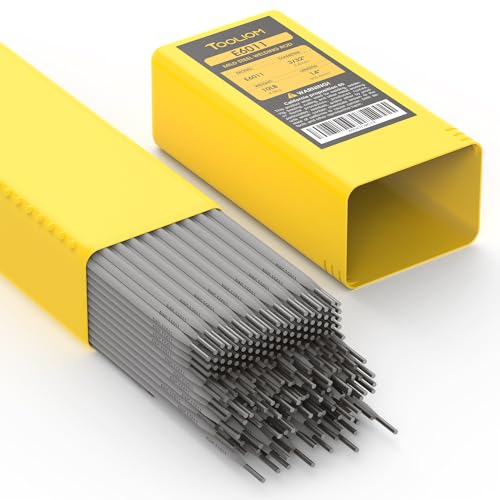
PRODUCT: E6011 is an all-position, multi-channel mild steel electrode designed primarily for use with AC power sources, with beautiful molding and high welding efficiency.

Product Introduction: E6013 welding rod is suitable for both AC and DC applications and can be used for all position welding
SMAW for Portability
SMAW is often a practical choice for 6G work because it does not require external shielding gas. That makes it useful for field welding, outdoor work, and remote sites where wind or limited access can make gas shielding harder to manage.
In 6G, you need electrodes approved for the position and procedure. You also need to adapt your technique across changing pipe angles.
- Use the electrode size and amperage listed in the WPS or training procedure.
- Keep a short, steady arc to improve control.
- Use stringers or controlled weaves based on the joint and code.
- Clean slag between passes so defects are not trapped.
SMAW can be slower than wire-feed processes, but that slower pace can help you focus on each pass and correct your technique.
FCAW for Speed
FCAW can be useful when you need higher deposition rates in demanding positions. It can fill joints faster than some manual processes, and self-shielded FCAW can reduce dependence on external shielding gas in outdoor work.
That speed does not remove the need for control. In vertical or overhead areas, too much heat can make the puddle too fluid. On thicker wall pipe, FCAW can provide strong deposition and good fusion when the settings, wire, polarity, and technique match the approved procedure.
Use FCAW when the job calls for productivity, but do not treat it as a shortcut. Slag control, travel angle, stickout, and interpass cleaning still matter.
GTAW for Precision
Gas Tungsten Arc Welding (GTAW), also called TIG welding, stands out in 6G pipe welding because it gives you tight control over heat input and weld-pool behavior. In the 6G welding position, that control matters because the joint sits at 45 degrees and your torch angle changes as you move.
- You guide the weld pool with a non-consumable tungsten electrode.
- You add filler separately, which gives you fine control over bead size.
- You can produce clean welds on stainless steel, aluminum, and other metals when the procedure is correct.
GTAW demands a steady hand and careful coordination, but it rewards you with accurate bead placement and controlled penetration. It is often used where weld quality, cleanliness, and appearance are critical.
Common Mistakes in Difficult Positions
When you weld in difficult positions, small technique errors can quickly turn into defects. In every welding position, common mistakes usually come from losing control of the puddle, heat input, arc length, or travel speed.
In overhead work, too much heat can make the pool sag. In vertical passes, downhill welding can burn through if the heat is too high, while uphill welding can leave uneven beads if your rhythm is inconsistent. In 5G, unstable travel speed can make the bead profile change as you move around the pipe. In 6G, fatigue can tempt you to rush, and the bead can lose shape.
A balanced heat source is crucial for effective welding, because heat control directly affects penetration, bead shape, and distortion.
| Position | Common mistake | Possible effect | How to correct it |
|---|---|---|---|
| 6G | Lost puddle control | Undercut, overlap, poor tie-in | Shorten arc length and reset your body position before continuing. |
| 5G | Irregular travel speed | Uneven bead profile | Break the pipe into clock positions and keep a steady rhythm. |
| 3G downhill | Too much heat | Burn-through or poor control | Reduce heat input and follow the approved technique. |
| 3G uphill | Uneven pause timing | Poor bead profile | Pause evenly at the toes and keep the puddle small. |
| 4G | Excess heat input | Sagging or weak fusion | Use the right amperage, travel speed, and electrode angle. |
You can regain control by reading the puddle, adjusting before the bead gets away from you, and stopping to correct your position when fatigue starts to affect your hands.
How to Train for 6G Welding
To train for 6G welding, you need to master the basics first. Start with 1G, then move to 2G, 3G, and 4G. After that, practice 5G fixed pipe before moving into the 45-degree 6G setup.
- Build flat control first: Learn bead shape, arc length, and travel speed in 1G.
- Practice vertical and overhead work: These positions teach you how gravity changes the puddle.
- Move to pipe coupons: Practice fixed-pipe welds so you learn clock positions and body placement.
- Use stringer beads first: Stringers can help you control heat and keep the puddle smaller.
- Divide the joint into sections: Many welders think in quarters or clock positions to reduce fatigue and keep the bead consistent.
- Inspect every pass: Look for undercut, slag, porosity, poor tie-in, or uneven reinforcement before adding the next pass.
Seek certification training with an instructor who can correct your posture, amperage, travel angle, electrode manipulation, and cleaning habits in real time. That feedback matters because small errors can repeat around the whole pipe if no one catches them early.
Understanding the maximum fillet weld size also helps you think about joint strength, heat input, and avoiding excess weld metal where it does not help.
Pro Tip: Before practicing a full 6G coupon, dry-run your body position around the pipe with the machine off. If your elbow, wrist, or helmet hits a bad angle, fix your stance before you strike an arc.
Products Worth Considering

COMPLETE PRACTICE SET: Includes 6 welding practice coupons, each 2" x 4" and 3 mm thick; compact mild steel plates form a convenient welding starter kit

201 STAINLESS STEEL - Made of Premium Type 201 stainless steel with excellent corrosion and heat resistance. Ideal for consistent practice across MIG, TIG, Stick, and wire-feed welding applications.

Premium welding kit training steel, makes 1 dice and 1 Cube
When 6G Certification Matters
6G certification matters most when the work involves fixed pipe, pressure piping, process piping, boiler work, structural pipe, or field conditions where the joint cannot be moved into a comfortable position. It is respected because it shows that you can weld through changing angles without relying on gravity to support the pool.
Still, a 6G test is not a universal license for every weld. Your qualification may be limited by:
- Welding process, such as SMAW, GTAW, FCAW, or GMAW
- Base metal and filler metal
- Pipe diameter and wall thickness
- Backing or open-root setup
- Welding direction, such as uphill or downhill
- Inspection method and acceptance code
- Employer, jurisdiction, or project requirements
Use 6G as a serious skill goal, but always check the actual WPS and test record before assuming what work you are qualified to perform.
Frequently Asked Questions
What is the most difficult welding position?
The most difficult common welding position is usually 6G pipe welding. The pipe is fixed at about 45 degrees, so you have to weld around it while controlling the puddle through changing angles. For plate welding, 4G overhead is usually the hardest basic position.
Is 6G harder than 5G?
Yes, 6G is usually harder than 5G. In 5G, the pipe is fixed horizontally. In 6G, the pipe is fixed at about 45 degrees, so the weld combines more angle changes and awkward body positions in one test.
Which pays more, MIG or TIG?
TIG often pays more in precision work because it takes more hand control and is common in stainless, aluminum, sanitary, aerospace, and high-spec pipe work. That said, pay depends on your location, industry, certification, code, experience, and the type of work. A skilled MIG welder in production, structural, or heavy fabrication can also earn strong wages.
Why can welding be hard on your health?
Welding can expose you to fumes, ultraviolet radiation, heat, noise, awkward posture, and fire hazards. Those risks do not mean every welder will have poor health. Good ventilation, respiratory protection when needed, proper PPE, safe work habits, and regular training can reduce the risk.
Which welding position is the easiest?
The easiest welding position is usually 1G flat. The work sits flat, gravity helps support the puddle, and you can focus on arc length, travel speed, and bead placement before moving to harder positions.
Should a beginner start with 6G welding?
No. A beginner should usually start with flat practice welds, then move into horizontal, vertical, and overhead work. Once those basics are steady, fixed-pipe practice in 5G and then 6G makes more sense.
Conclusion
If you want the hardest common welding position, 6G is the clear benchmark for pipe work. You weld on a fixed pipe set at about 45 degrees, so you cannot rely on a comfortable bead path or one steady body position. Compared with 1G through 4G, and even 5G, you must keep adjusting heat, travel speed, arc length, and puddle control. Master it, and you prove strong out-of-position control that can help prepare you for advanced pipe and structural welding work.
Sources
- TWI Global: What is 6G Welding? — backs up the basic 6G pipe welding definition and why it is considered difficult.
- ISO 6947: Welding and allied processes — Welding positions — supports standards-based welding-position terminology.
- OSHA 1910.252: Welding, Cutting, and Brazing — supports welding safety precautions, fire prevention, and ventilation concerns.
- OSHA 1910.133: Eye and Face Protection — supports eye and face protection requirements for welding and cutting.
- CDC/NIOSH: Welding and Manganese — supports health-risk awareness related to welding fumes and exposure controls.